
From Garden to Plate: Exploring the Bounty of Edible Plants
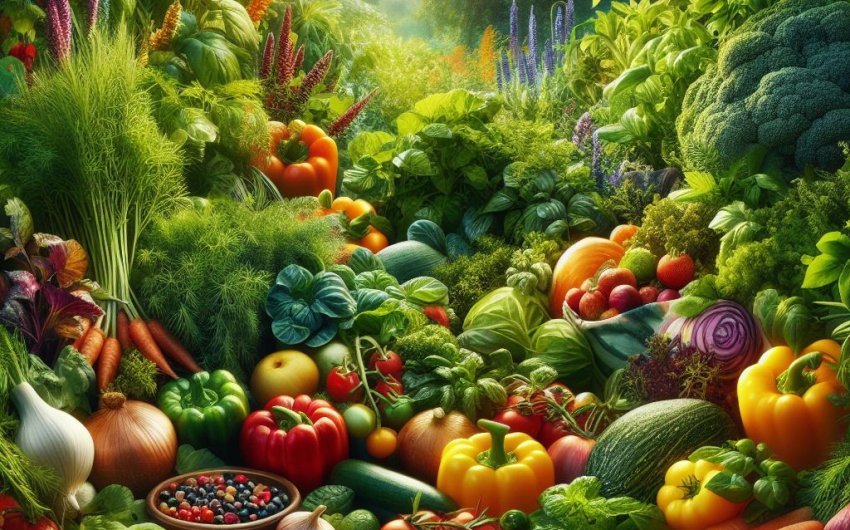
Exploring the bounty of edible plants, from garden to plate, unveils a vast and diverse world of flavors, textures, and nutritional benefits far beyond common supermarket produce. This guide encourages home gardeners to cultivate a richer diet by discovering, growing, and utilizing a wide array of edible leaves, roots, fruits, and flowers, fostering self-sufficiency and a deeper connection to nature.
Why is growing a diverse range of edible plants so rewarding?
Growing a diverse range of edible plants in your garden is an incredibly rewarding endeavor that transcends simply putting food on the table. It opens up a vast world of flavors, textures, and nutritional benefits far beyond what's available in any supermarket, transforming your diet and deepening your connection to nature. From garden to plate, cultivating a bounty of edible plants fosters self-sufficiency, enhances culinary creativity, and brings a unique joy to everyday living.
What are the compelling benefits of a diverse edible garden?
Expanding your edible plant repertoire offers a wealth of advantages for health, palate, and environment.
- Unmatched Flavor and Freshness:
- Core Benefit: Enjoy vegetables, fruits, and herbs picked at peak ripeness, just moments before consumption. This provides unparalleled flavor, superior texture, and maximum nutritional content that is simply impossible to achieve with store-bought produce.
- Beyond the Supermarket: Access unique heirloom varieties or unusual edibles that are rarely found in commercial settings.
- Enhanced Nutrition and Health:
- Wider Nutrient Spectrum: A diverse diet of various plants ensures a broader intake of vitamins, minerals, antioxidants, and phytochemicals.
- Pesticide-Free: You control the growing methods, ensuring your produce is organic and free from synthetic pesticides and chemicals.
- Educational for All Ages: Teaches children about healthy eating and where food comes from.
- Increased Food Security and Self-Sufficiency:
- Core Benefit: Reduces reliance on grocery stores and external food systems, providing a sense of independence and resilience.
- Cost Savings: Growing your own, especially specialty items, can significantly reduce grocery bills.
- Culinary Creativity:
- Inspiration: An abundant and diverse harvest inspires new recipes, culinary experiments, and a deeper appreciation for seasonal eating.
- Fresh Herbs & Spices: Immediate access to flavorful herbs year-round.
- Environmental Stewardship:
- Biodiversity: A diverse edible garden supports local ecosystems, attracts pollinators, and creates habitat for beneficial insects.
- Reduced Carbon Footprint: Growing locally reduces food miles and associated transportation emissions.
- Sustainable Practices: Promotes composting, water conservation, and natural pest control.
- Mental Well-being and Connection to Nature:
- Mindfulness: Gardening is therapeutic, reducing stress and anxiety.
- Profound Connection: Fosters a deep, tangible connection to the natural world, its cycles, and the source of your sustenance.
By embracing the bounty of edible plants, you transform your garden into a source of continuous joy, health, and a profound connection to the natural world, enriching your life from garden to plate.
What are the different categories of edible plants to explore?
The world of edible plants is vast, extending beyond just fruits and leaves.
- Edible Leaves: Traditional leafy greens, but also more unique options.
- Edible Roots/Tubers/Bulbs: Underground treasures.
- Edible Fruits: From common berries to exotic tree fruits.
- Edible Flowers: Adds beauty and flavor.
- Edible Seeds/Grains: For baking and diverse meals.
- Edible Stems: Celery, asparagus, rhubarb, kohlrabi.
This guide will delve into these categories, opening up a wider world of delicious possibilities for your home garden.
What are the most rewarding edible leaves to grow?
Edible leaves are often the easiest and most productive category of plants to grow, offering continuous harvests and a wealth of nutritional benefits. From classic salad greens to vibrant culinary herbs, these leafy delights are perfect for beginners and seasoned gardeners alike, transforming your diet from garden to plate.
1. Leafy Greens: Staple and Specialty Salads.
These form the backbone of fresh, healthy eating.
- Lettuce (Lactuca sativa):
- Why it's rewarding: Easy to grow, fast-maturing, offers continuous harvests (cut-and-come-again varieties). Huge variety of textures, colors, and flavors (butterhead, romaine, loose leaf, crisphead).
- Care: Full sun to partial shade (for summer heat), rich, moist soil.
- Popular Varieties: 'Buttercrunch', 'Black Seeded Simpson', 'Red Salad Bowl', 'Paris Island Cos' (Romaine).
- A good option is Lettuce Red Salad Bowl seeds.
- Spinach (Spinacia oleracea):
- Why it's rewarding: Nutritious, quick-growing, can be harvested multiple times. Excellent for salads, cooking.
- Care: Full sun to partial shade, rich, moist soil. Prefers cool weather, tends to bolt in heat.
- Popular Varieties: 'Tyee', 'Bloomsdale Long Standing'.
- Kale (Brassica oleracea var. sabellica):
- Why it's rewarding: Highly nutritious "superfood," very cold-hardy, can be harvested well into winter. Flavor often improves with frost.
- Care: Full sun, rich, well-draining soil.
- Popular Varieties: 'Lacinato' (Dinosaur), 'Red Russian', 'Blue Curled Scotch'.
- Swiss Chard (Beta vulgaris subsp. cicla):
- Why it's rewarding: Beautiful, colorful stems and leaves. Productive, heat-tolerant, and can be harvested repeatedly.
- Care: Full sun to partial shade, rich, moist soil.
- Popular Varieties: 'Bright Lights', 'Fordhook Giant'.
- Arugula (Eruca vesicaria):
- Why it's rewarding: Fast-growing, peppery leaves add a zesty kick to salads. Great for succession planting.
- Care: Full sun to partial shade, moist soil. Tends to bolt quickly in heat.
2. Culinary Herbs: Aromatic Flavors on Demand.
Herbs are indispensable for enhancing culinary delights, offering continuous, fragrant harvests.
- Basil (Ocimum basilicum):
- Why it's rewarding: Highly aromatic, essential for many cuisines (Italian, Thai). Grows vigorously.
- Care: Full sun, warm temperatures, consistent moisture. Pinch regularly for bushiness.
- Popular Varieties: 'Genovese', 'Sweet Basil', 'Thai Basil'.
- *Mint (Mentha spp.):*
- Why it's rewarding: Invigorating aroma, versatile in drinks, desserts, and savory dishes. Very vigorous.
- Care: Partial shade to full sun, consistent moisture. Grow in its own pot to prevent aggressive spread.
- Popular Varieties: 'Peppermint', 'Spearmint', 'Mojito Mint'.
- Parsley (Petroselinum crispum):
- Why it's rewarding: Classic garnish and flavor enhancer.
- Care: Full sun to partial shade, consistent moisture.
- Popular Varieties: 'Italian Flat Leaf', 'Moss Curled'.
- Rosemary (Salvia rosmarinus):
- Why it's rewarding: Aromatic, woody herb, essential for roasted meats and potatoes. Evergreen in warm climates.
- Care: Full sun, well-draining soil. Can be grown in pots and brought indoors in winter.
- Thyme (Thymus vulgaris):
- Why it's rewarding: Earthy, aromatic, versatile in many savory dishes. Drought-tolerant once established.
- Care: Full sun, well-draining soil.
3. Specialty Edible Leaves: Beyond the Usual.
Explore unique flavors and textures for culinary adventures.
- Malabar Spinach (Basella alba):
- Why it's rewarding: Vining, heat-loving alternative to spinach. Juicy, slightly mucilaginous leaves.
- Care: Full sun, warm temperatures, consistent moisture, needs a trellis.
- Nasturtium (Tropaeolum majus):
- Why it's rewarding: Edible leaves and flowers with a peppery, spicy flavor. Trailing habit.
- Care: Full sun, average soil.
- Sorrel (Rumex acetosa):
- Why it's rewarding: Tart, lemony leaves. Great in salads or soups. Perennial.
- Care: Full sun to partial shade, moist soil.
- Edible Marigolds (Calendula officinalis):
- Why it's rewarding: Petals add color and a mild peppery flavor to salads.
- Care: Full sun, well-draining soil.
By cultivating a diverse array of edible leaves, from classic greens to aromatic herbs and specialty varieties, you transform your garden into a continuous source of fresh, organic flavors, enriching your diet from garden to plate.
What are the most rewarding edible roots, tubers, and bulbs to grow?
Edible roots, tubers, and bulbs are underground treasures that offer a rewarding harvest of starchy, flavorful, and nutritious crops. From crunchy carrots to versatile potatoes, these subterranean delights are essential staples, adding a satisfying depth to your diet from garden to plate.
1. Root Vegetables: Crunchy and Versatile.
These are the familiar and indispensable underground crops.
- Carrots (Daucus carota subsp. sativus):
- Why it's rewarding: Sweet, crunchy, and a versatile staple. Many varieties (long, short, round, different colors).
- Care: Full sun, loose, well-draining, stone-free soil. Consistent moisture.
- Popular Varieties: 'Danvers Half Long', 'Nantes', 'Imperator', 'Paris Market' (round).
- Radishes (Raphanus sativus):
- Why it's rewarding: Extremely fast-growing (20-30 days), offers quick gratification. Peppery flavor.
- Care: Full sun, loose, moist soil. Prefers cool weather.
- Popular Varieties: 'Cherry Belle', 'French Breakfast', 'Sparkler'.
- Beets (Beta vulgaris):
- Why it's rewarding: Edible roots (sweet, earthy) and nutritious leaves (beet greens).
- Care: Full sun, rich, moist, well-draining soil.
- Popular Varieties: 'Detroit Dark Red', 'Cylindra', 'Chioggia' (candystripe).
- Onions (Allium cepa):
- Why it's rewarding: Essential culinary ingredient, stores well. Can be grown from seed, sets, or plants.
- Care: Full sun, well-draining, fertile soil.
- Popular Varieties: 'Walla Walla', 'Yellow Sweet Spanish'.
- Garlic (Allium sativum):
- Why it's rewarding: Essential culinary ingredient, easy to grow. Plant in fall for summer harvest.
- Care: Full sun, well-draining, fertile soil.
- Popular Varieties: 'Music' (hardneck), 'Inchelium Red' (softneck).
2. Tubers: Starchy Staples and Unique Delicacies.
Tubers are swollen underground stems that store energy, providing hearty harvests.
- Potatoes (Solanum tuberosum):
- Why it's rewarding: Versatile staple, many varieties (red, white, yellow, purple, fingerling).
- Care: Full sun, loose, well-draining soil, consistent moisture. Requires "hilling" as plants grow.
- Popular Varieties: 'Yukon Gold', 'Kennebec', 'Red Norland', 'All Blue'.
- A good option is seed potatoes organic.
- Sweet Potatoes (Ipomoea batatas):
- Why it's rewarding: Delicious, nutritious, produces long vines.
- Care: Full sun, warm temperatures, loose, well-draining soil. Long growing season.
- Popular Varieties: 'Beauregard', 'Georgia Jet'.
- Jerusalem Artichokes (Sunchokes - Helianthus tuberosus):
- Why it's rewarding: Nutty, crunchy tubers. Very easy to grow, can be invasive.
- Care: Full sun, adaptable soil.
- Caution: Can spread aggressively; plant where contained or harvest thoroughly.
3. Specialty Roots and Bulbs: Adding Variety.
Explore less common but rewarding underground edibles.
- Fennel (Bulb - Foeniculum vulgare):
- Why it's rewarding: Crisp, anise-flavored bulb. Edible fronds and seeds too.
- Care: Full sun, rich, moist soil. Prefers cool weather, can bolt in heat.
- Kohlrabi (Swollen Stem - Brassica oleracea var. gongylodes):
- Why it's rewarding: Crisp, mild, cabbage-like flavor. Edible leaves.
- Care: Full sun, rich, moist soil. Harvest when small.
- Turnips (Brassica rapa subsp. rapa):
- Why it's rewarding: Quick-growing, edible roots and greens.
- Care: Full sun, moist soil. Prefers cool weather.
- Ginger (Zingiber officinale):
- Why it's rewarding: Aromatic rhizome. Grow in containers in cooler climates.
- Care: Partial shade, warm temperatures, rich, moist, well-draining soil. Long growing season.
By cultivating a diverse array of edible roots, tubers, and bulbs, you transform your garden into a continuous source of hardy, nutritious staples and unique flavors, enriching your diet from garden to plate.
What are the most rewarding edible fruits to grow?
Edible fruits are the sweet, juicy jewels of any garden, offering a rewarding harvest that brings immense satisfaction. From familiar berries to versatile vine crops, these delights are packed with flavor and nutrition, transforming your diet from garden to plate and providing a taste of true homegrown sweetness.
1. Berries: Sweet and Prolific.
Berries are perennial favorites, easy to grow and highly productive.
- Strawberries (Fragaria x ananassa):
- Why it's rewarding: Sweet, juicy, and versatile. Excellent in containers, hanging baskets, or groundcover.
- Care: Full sun, rich, well-draining soil. Needs consistent moisture.
- Popular Varieties: 'Everbearing' (produces all season), 'June-bearing' (one big crop), 'Day-neutral'.
- *Blueberries (Vaccinium spp.):*
- Why it's rewarding: Delicious, super-nutritious "superfood." Perennial shrub.
- Care: Full sun, highly acidic (pH 4.5-5.5), rich, consistently moist, well-draining soil. Requires cross-pollination.
- Popular Varieties: 'Bluecrop' (Northern Highbush), 'Pink Lemonade' (Rabbiteye), 'Tophat' (Dwarf).
- A good option is Blueberry bush live plant.
- Raspberries (Rubus idaeus):
- Why it's rewarding: Sweet, flavorful, perennial canes produce for years.
- Care: Full sun, rich, well-draining soil, needs support (trellis). Prune annually.
- Popular Varieties: 'Heritage' (everbearing), 'Caroline' (everbearing).
- *Blackberries (Rubus spp.):*
- Why it's rewarding: Sweet-tart, vigorous, perennial canes. Choose thornless varieties for easier harvesting.
- Care: Full sun, well-draining soil, needs support. Prune annually.
- Popular Varieties: 'Triple Crown', 'Natchez' (thornless).
2. Vine Fruits: Abundant and Versatile.
These plants produce a large quantity of fruit on sprawling vines or compact bushes.
- Tomatoes (Solanum lycopersicum):
- Why it's rewarding: The most popular home garden crop. Countless varieties (cherry, slicing, paste, heirloom).
- Care: Full sun, warm temperatures, rich, well-draining soil, consistent moisture. Requires staking/caging.
- Popular Varieties: 'Celebrity', 'Roma', 'Cherokee Purple' (heirloom), 'Sungold' (cherry).
- Peppers (Capsicum annuum, C. frutescens, etc.):
- Why it's rewarding: Sweet bell peppers to super-hot chilies. Versatile and beautiful.
- Care: Full sun, warm temperatures, rich, well-draining soil, consistent moisture. Requires staking for heavy yields.
- Popular Varieties: 'California Wonder' (bell), 'Jalapeño', 'Habanero'.
- Cucumbers (Cucumis sativus):
- Why it's rewarding: Refreshing, prolific, great for fresh eating or pickling. Bush or vining varieties.
- Care: Full sun, warm temperatures, rich, well-draining soil, consistent moisture. Trellis vining types.
- Popular Varieties: 'Bush Pickle', 'Burpless', 'Diva'.
- Summer Squash/Zucchini (Cucurbita pepo):
- Why it's rewarding: Extremely productive, easy to grow. Harvest often for best flavor.
- Care: Full sun, warm temperatures, rich, well-draining soil, consistent moisture. Bush or vining types.
- Popular Varieties: 'Black Beauty', 'Yellow Crookneck', 'Patio Star'.
- Melons (Cucumis melo, Citrullus lanatus):
- Why it's rewarding: Sweet, juicy, refreshing.
- Care: Full sun, very warm temperatures, rich, well-draining soil, long growing season. Needs space or trellising.
- Popular Varieties: 'Canteloupe', 'Sugar Baby' (watermelon).
3. Tree Fruits (Dwarf Varieties for Home):
- Dwarf Apple Trees (Malus domestica):
- Why it's rewarding: Crisp, fresh apples. Dwarf varieties are manageable for home gardens.
- Care: Full sun, well-draining soil, needs cross-pollination. Pruning and thinning are crucial.
- A good option is dwarf apple tree live.
- Dwarf Peach/Nectarine Trees (Prunus persica):
- Why it's rewarding: Juicy, sweet stone fruit.
- Care: Full sun, well-draining soil. Requires significant pruning and pest management.
- Dwarf Cherry Trees (Prunus avium, P. cerasus):
- Why it's rewarding: Sweet or tart cherries.
- Care: Full sun, well-draining soil. Often needs cross-pollination.
- Fig Trees (Ficus carica):
- Why it's rewarding: Sweet, unique fruit. Can be grown in containers and overwintered indoors in colder climates.
- Care: Full sun, well-draining soil.
By cultivating a diverse array of edible fruits, from prolific berries to abundant vine crops and manageable dwarf trees, you transform your garden into a continuous source of sweet, juicy, and uniquely flavorful harvests, enriching your diet from garden to plate.
What are the most rewarding edible flowers and seeds to grow?
Exploring edible flowers and seeds adds a new dimension to your culinary garden, transforming it into a source of unexpected flavors, textures, and vibrant beauty. From delicate floral garnishes to nutritious grains, these rewarding crops elevate your dishes and deepen your connection to the diverse bounty of edible plants, from garden to plate.
1. Edible Flowers: Beauty and Flavor for Your Plate.
Edible flowers add elegance, color, and subtle flavors to both sweet and savory dishes.
- Nasturtium (Tropaeolum majus):
- Why it's rewarding: Vibrant orange, yellow, and red flowers with a peppery, spicy flavor. Edible leaves too. Trailing habit.
- Use: Garnish salads, sandwiches, pasta.
- Care: Full sun, average soil.
- *Pansies and Violas (Viola spp.):*
- Why it's rewarding: Cheerful, colorful flowers with a mild, slightly sweet, or grassy flavor. Edible leaves too.
- Use: Garnish desserts, salads, drinks. Can be candied.
- Care: Full sun to partial shade, moist, rich soil. Prefers cool weather.
- Calendula (Calendula officinalis - Pot Marigold):
- Why it's rewarding: Bright orange and yellow petals with a mild peppery or slightly bitter taste. Often called "poor man's saffron" for its color.
- Use: Adds color to salads, soups, rice, scrambled eggs.
- Care: Full sun, well-draining soil. Prolific bloomer.
- Borage (Borago officinalis):
- Why it's rewarding: Beautiful star-shaped blue flowers with a subtle cucumber flavor. Edible leaves too.
- Use: Garnish drinks, salads.
- Care: Full sun, average soil.
- *Squash Blossoms (Cucurbita spp.):*
- Why it's rewarding: Delicate, edible flowers from zucchini, pumpkin, or squash plants.
- Use: Stuffed and fried, in quesadillas or soups.
- Care: Harvest male flowers (no mini fruit at base).
- Chives Blossoms (Allium schoenoprasum):
- Why it's rewarding: Beautiful purple globe flowers with a mild oniony flavor.
- Use: Garnish salads, scrambled eggs.
- Care: Easy to grow, perennial.
- *Rose Petals (Rosa spp.):*
- Why it's rewarding: Fragrant, delicate. Choose unsprayed, highly scented varieties.
- Use: Rose water, jams, teas, desserts.
- Care: Grow culinary roses organically.
- Elderflowers (Sambucus canadensis):
- Why it's rewarding: Fragrant, delicate clusters from the elderberry bush.
- Use: Elderflower cordial, champagne, fritters.
- Care: Grow elderberry bush.
2. Edible Seeds and Grains: Nutritious Staples.
Growing your own seeds and grains offers unparalleled freshness and connection to basic food sources.
- Sunflowers (Helianthus annuus):
- Why it's rewarding: Grow impressive, cheerful flowers. Harvest edible seeds.
- Use: Roasted for snacks, in salads, baking.
- Care: Full sun, well-draining soil. Requires staking for tall varieties. Protect from birds.
- Corn (Zea mays - Sweet Corn):
- Why it's rewarding: Classic garden crop, delicious fresh or frozen.
- Use: On the cob, kernels for cooking.
- Care: Full sun, rich, well-draining soil. Plant in blocks for good pollination.
- *Pumpkin/Squash Seeds (Cucurbita spp.):*
- Why it's rewarding: Edible seeds from your pumpkin and squash harvest.
- Use: Roasted for snacks.
- Care: Save seeds from mature, open-pollinated varieties.
- Beans (Phaseolus vulgaris - Dry Beans):
- Why it's rewarding: Grow for the dried beans themselves.
- Use: Soups, stews, baking.
- Care: Full sun, well-draining soil. Bush or pole varieties.
- Peas (Pisum sativum - Dry Peas):
- Why it's rewarding: Grow for the dried peas.
- Use: Soups.
- Care: Full sun, rich, moist soil. Prefers cool weather.
- Quinoa (Chenopodium quinoa):
- Why it's rewarding: Highly nutritious "supergrain," grow your own.
- Use: Cooked grain, flour.
- Care: Full sun, well-draining soil. Long growing season.
- Chia (Salvia hispanica):
- Why it's rewarding: Grow for the nutritious seeds.
- Use: Smoothies, baking.
- Care: Full sun, well-draining soil.
3. Edible Pods and Stems: Unique Textures.
- Snow Peas/Sugar Snap Peas (Pisum sativum var. macrocarpon):
- Why it's rewarding: Eat the pods whole. Sweet, crunchy.
- Use: Fresh in salads, stir-fries.
- Care: Full sun, rich, moist soil. Prefers cool weather, needs trellis.
- Asparagus (Asparagus officinalis):
- Why it's rewarding: Perennial crop, harvests for decades. Tender spears.
- Use: Steamed, roasted, grilled.
- Care: Full sun, well-draining soil. Requires patience (3 years to first harvest).
- Rhubarb (Rheum rhabarbarum):
- Why it's rewarding: Perennial, tart stalks. Leaves are toxic.
- Use: Pies, crumbles, jams.
- Care: Full sun to partial shade, rich, well-draining soil.
- Kohlrabi (Swollen Stem - Brassica oleracea var. gongylodes):
- Why it's rewarding: Crisp, mild, cabbage-like flavor. Edible leaves.
- Use: Raw, steamed, roasted.
- Care: Full sun, rich, moist soil. Harvest when small.
By diversifying your garden with edible flowers, seeds, pods, and stems, you unlock a hidden culinary potential, transforming your garden into a continuous source of unique flavors, textures, and nutritious harvests, truly enriching your diet from garden to plate.
How do I design my garden to maximize the bounty of edible plants?
Designing your garden to maximize the bounty of edible plants requires strategic planning that optimizes space, sunlight, soil, and accessibility. A well-designed garden aesthetic ensures not only abundant harvests but also a beautiful, functional, and joyful outdoor oasis, truly allowing you to explore the full spectrum of edible treasures from garden to plate.
1. Assess your garden's environmental conditions.
Before planting, understand your garden's specific microclimate and resources.
- Sunlight Exposure (Crucial):
- DO: Observe your entire garden throughout a full day (or several days across seasons). Note precisely how many hours of direct sunlight different areas receive.
- Why: Most vegetables and fruits (especially those that bear fruit) require full sun (6-8+ hours direct sunlight daily). Herbs can tolerate partial sun. Leafy greens tolerate some shade.
- Map Areas: Designate zones for "full sun," "partial sun," and "shade."
- Soil Type and Health:
- DO: Conduct a soil test (pH, nutrient levels, organic matter).
- DO: Perform a percolation test to check drainage.
- Why: Informs necessary soil amendments.
- Water Access:
- DO: Ensure easy access to a water source (faucet, rain barrel, drip irrigation system).
- Why: Consistent watering is vital for abundant harvests.
- Wind Exposure:
- DO: Note if your garden is exposed to strong, consistent winds, which can damage plants.
- Solution: Use trellises, fences, or taller, sturdy plants as windbreaks.
2. Define your gardening style and goals.
What kind of edible garden do you envision?
- Garden Aesthetic:
- DO: Decide on an aesthetic (e.g., Cottage Edible, Modern Potager, Wildlife-Friendly Edible, Raised Bed Farm).
- Why: Guides plant choices and layout.
- Yield vs. Beauty:
- DO: Determine your priority: maximum food production, or a balance of edible and ornamental plants.
- Maintenance Level:
- DO: Be realistic about the time and effort you can dedicate. Choose plants and systems (e.g., raised beds, drip irrigation) that match your commitment.
- Plant Preferences:
- DO: What fruits, vegetables, herbs, and edible flowers do you and your family enjoy eating most? Prioritize those.
3. Create an efficient layout for maximum bounty.
Optimize space and plant placement for productivity.
- Sketch It Out (To Scale):
- DO: Draw your garden to scale. Include house, structures, existing trees, and map sun/shade zones.
- Why: Helps visualize layout, avoid mistakes, and plan succession.
- Raised Garden Beds (Highly Recommended):
- DO: Incorporate raised garden beds.
- Why: Improves drainage, allows for custom soil, extends growing season, and simplifies weeding/access.
- Vertical Gardening:
- DO: Utilize trellises, arbors, cages, or wall-mounted planters for vining crops (e.g., tomatoes, cucumbers, pole beans, climbing peas, vining squash).
- Why: Maximizes growing space upwards, improves air circulation, keeps fruit clean, and simplifies harvesting. A vertical garden planter wall mount can optimize a small area.
- Pathways:
- DO: Plan clear, functional pathways (2-3 feet wide) between beds. Use mulch, gravel, or stepping stones.
- Why: Provides easy access for tending and harvesting without compacting soil.
- Intensive Planting Techniques:
- DO: Consider square foot gardening, interplanting (mixing crops), or succession planting (planting new crops every few weeks).
- Why: Maximizes yield in a small area.
- Group Plants by Need:
- DO: Group plants with similar light, water, and nutrient requirements together.
- Why: Simplifies care.
- Companion Planting:
- DO: Research beneficial companion plants to deter pests and promote growth (e.g., marigolds with tomatoes, basil with peppers).
- Edible Landscaping:
- DO: Integrate fruit trees (dwarf varieties), berry bushes, and edible flowers into your ornamental landscape for a seamless, beautiful, and productive garden.
4. Select the right plants (Specifics).
- Variety Selection:
- DO: Choose compact, bush, or dwarf varieties for smaller spaces.
- DO: Select disease-resistant cultivars.
- DO: Opt for "everbearing" or "day-neutral" varieties for continuous harvest (e.g., strawberries).
- DO: For perennial fruits (blueberries, raspberries), ensure they are suited for your climate zone and provide cross-pollination.
- Start from Seed or Transplant:
- DO: Start seeds indoors for a head start on warm-season crops.
- DO: Purchase healthy nursery seedlings.
By meticulously designing your garden, choosing appropriate plants, and optimizing your layout for space and function, you create a powerful system that maximizes the bounty of edible plants, transforming your garden into a continuous source of joy and sustenance, from garden to plate.
How do I care for a diverse edible garden for continuous harvests?
Caring for a diverse edible garden for continuous harvests requires consistent, attentive practices tailored to the specific needs of various plants. This ongoing commitment ensures optimal growth, prolific yields, and vibrant health, allowing you to enjoy the bounty of your garden from roots to shoots, season after season.
1. Soil Health and Fertility: The foundation of continuous harvests.
Nourishing the soil is paramount for nutrient-hungry edible plants.
- Compost (Crucial):
- DO: Incorporate finished compost or aged manure into garden beds annually (spring or fall) at a depth of 1-3 inches.
- Why: Improves soil structure, boosts microbial life, buffers pH, and provides a balanced, slow-release source of macro- and micronutrients. A good option is finished compost for organic gardening.
- Soil Test:
- DO: Conduct a soil test every 2-3 years to monitor pH and nutrient levels, guiding your amendments and fertilization.
- Fertilization (Targeted):
- DO: Supplement compost with balanced organic or synthetic fertilizers as needed, based on plant growth stage and soil test results.
- Vegetative Growth: Higher nitrogen (e.g., fish emulsion, blood meal).
- Flowering/Fruiting: Higher phosphorus and potassium (e.g., bone meal, kelp meal, specialized fruit/veg fertilizer).
- DO: Follow label directions, and water thoroughly after applying granular fertilizer.
- DON'T: Over-fertilize with nitrogen during fruiting, which promotes leafy growth over fruit.
- DO: Supplement compost with balanced organic or synthetic fertilizers as needed, based on plant growth stage and soil test results.
- Mulching (Essential):
- DO: Apply a 2-4 inch layer of organic mulch (straw, shredded leaves, wood chips) around plants.
- Why: Suppresses weeds (reducing competition), conserves soil moisture, moderates soil temperature, and slowly adds organic matter.
2. Watering Wisely: Consistent hydration for juicy harvests.
Consistent and adequate moisture is vital for plump, flavorful produce.
- Deep and Consistent:
- DO: Water deeply and consistently at the base of the plant. Aim for about 1 inch of water per week (from rain or irrigation), or more during hot, dry spells.
- Why: Encourages deep root growth and prevents stress, blossom end rot, and fruit splitting.
- DON'T: Water lightly and frequently.
- Timing:
- DO: Water in the early morning to minimize evaporation and allow foliage to dry before nightfall, reducing fungal disease risk.
- DON'T: Water overhead in the evening.
- Monitor Moisture:
- DO: Use your finger or a soil moisture meter to check soil moisture before watering.
- Drip Irrigation/Soaker Hoses:
- DO: Install these systems for highly efficient, targeted watering.
3. Pest and Disease Management: Protect your bounty naturally.
Proactive, integrated pest management (IPM) protects your harvest.
- Choose Resistant Varieties:
- DO: Select disease and pest-resistant cultivars.
- Monitoring (Crucial):
- DO: Inspect plants regularly (daily/weekly) for early signs of pests (aphids, squash bugs, caterpillars) or diseases (powdery mildew, leaf spots).
- Why: Early detection allows for less intensive interventions.
- Sanitation:
- DO: Remove and destroy (do not compost) any diseased plant material or severely infested leaves immediately. Clean up thoroughly at season's end.
- Promote Beneficial Insects:
- DO: Plant pollinator-friendly flowers (e.g., zinnias, marigolds, dill) to attract ladybugs, lacewings, and parasitic wasps that prey on pests.
- Physical Barriers:
- DO: Use floating row covers for young plants to exclude flying insects. Remove for pollination.
- DO: Hand-pick larger pests (squash bugs, hornworms).
- Organic Treatments (Targeted):
- DO: For infestations, use insecticidal soap or neem oil. For fungal issues, use baking soda/potassium bicarbonate spray or copper/sulfur-based fungicides.
- DON'T: Use broad-spectrum chemical pesticides, which harm beneficials.
4. Pruning and Harvesting: Key to continuous production.
These practices encourage the plant to produce more.
- Regular Harvesting:
- DO: Pick vegetables and fruits regularly as they ripen.
- Why: For many plants, continuous harvesting signals to the plant to produce more flowers and fruit, preventing it from putting energy into ripening old fruit or setting seed.
- Deadheading (Edible Flowers):
- DO: Remove spent edible flowers unless you want seeds.
- Pinching/Pruning:
- DO: Pinch back herbs and leafy greens to encourage bushier growth. Prune suckers on tomatoes.
- Why: Redirects plant energy to desired growth.
- Succession Planting:
- DO: For quick-growing crops, plant small batches every 2-3 weeks to ensure a continuous supply.
By diligently applying these comprehensive care practices, you cultivate a diverse edible garden for continuous harvests, ensuring optimal growth, prolific yields, and a vibrant, healthy bounty of edible plants from garden to plate, season after season.