
Harvest Happiness: Cultivating Joy in Your Home Vegetable Garden
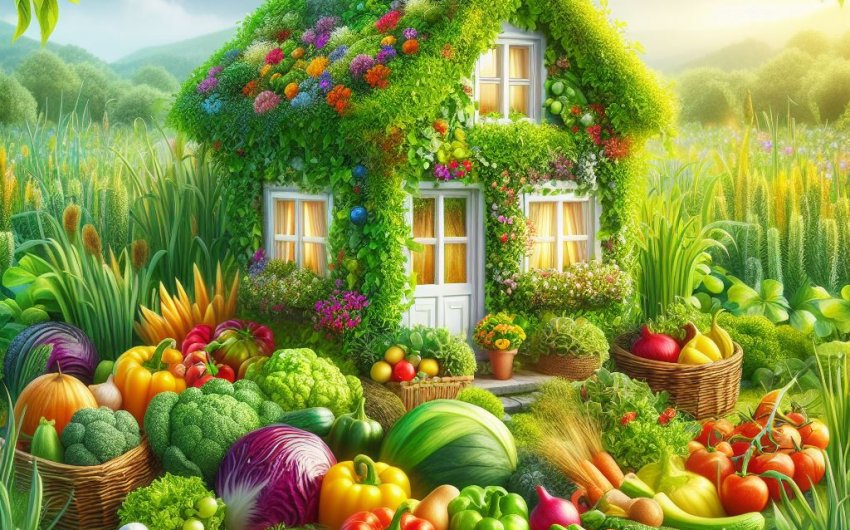
Cultivating joy in your home vegetable garden to harvest happiness involves embracing the entire process from seed to table, providing nourishment for both body and soul. This means focusing on mindful gardening practices, celebrating fresh, organic produce, fostering a connection to nature, and sharing your bounty, transforming your garden into a source of sustained well-being and satisfaction.
Why is a home vegetable garden more than just a source of food?
A home vegetable garden is far more than just a plot of land that produces food; it's a vibrant source of profound joy, personal growth, and holistic well-being that nourishes both body and soul. Engaging in the rhythms of nature, from tending seeds to harvesting delicious produce, cultivates happiness by providing a unique blend of physical activity, mental tranquility, and the immense satisfaction of self-sufficiency. It truly is an outdoor oasis where joy blossoms.
What are the compelling benefits of cultivating a home vegetable garden?
The advantages of growing your own vegetables extend far beyond the dinner table.
- Fresh, Organic, and Nutritious Produce:
- Core Benefit: Enjoy vegetables picked at peak ripeness, offering unparalleled flavor, superior texture, and maximum nutritional content.
- Control: You control the growing methods, ensuring organic, chemical-free food for your family.
- Physical Health and Well-being:
- Exercise: Gardening provides moderate physical activity, burning calories and building strength.
- Vitamin D: Exposure to sunlight increases Vitamin D production, essential for bone health and mood.
- Access to Nature: Spending time outdoors reduces stress and improves overall physical health.
- Mental Health and Stress Reduction:
- Mindfulness: The repetitive tasks and focus required for gardening can be meditative, reducing anxiety and promoting a sense of calm.
- Connection to Nature: Direct interaction with plants, soil, and the natural world reduces feelings of isolation and boosts mood.
- Sense of Accomplishment: Nurturing plants from seed to harvest provides immense satisfaction and a boost to self-esteem.
- Patience and Resilience: Learning to work with nature's unpredictable elements (weather, pests) teaches patience and resilience.
- Economic Savings:
- Reduced Grocery Bills: Growing your own vegetables can significantly cut down on grocery expenses, especially for frequently used or specialty produce.
- Reduced Waste: You harvest exactly what you need, minimizing food waste.
- Environmental Stewardship:
- Sustainable Practices: Backyard gardening promotes eco-friendly practices like composting, water conservation, and attracting pollinators.
- Reduced Carbon Footprint: Growing locally reduces food miles and associated transportation emissions.
- Educational Opportunity:
- For Children: A fantastic, hands-on way to teach children about where food comes from, plant life cycles, responsibility, and healthy eating.
- Community Building:
- Sharing: Sharing your garden bounty with neighbors and friends fosters community connections.
By actively cultivating a home vegetable garden, you're not just growing food; you're harvesting happiness, nourishing your body, mind, and spirit, and fostering a deeper connection to the natural world.
What are the common challenges home vegetable gardeners face?
While rewarding, gardening does present its share of challenges.
- Pests and Diseases: Can be frustrating, requiring vigilant monitoring and management.
- Weather Variability: Droughts, floods, heatwaves, or unexpected frosts can impact crops.
- Time Commitment: Can be perceived as demanding, especially for larger gardens.
- Initial Learning Curve: Understanding plant needs, soil, and proper techniques takes time.
- Space Limitations: For urban dwellers, finding adequate space can be a challenge.
- Disappointment: Crop failures can be disheartening.
These challenges, however, are often part of the learning process, ultimately contributing to the gardener's resilience and deeper connection to the unpredictable beauty of nature.
How do mindful gardening practices cultivate joy?
Mindful gardening practices transform the act of tending your home vegetable garden from a series of tasks into a deeply meditative and joyful experience. By engaging all your senses and fostering a present-moment awareness, you cultivate not just produce, but also a profound sense of peace, connection, and well-being.
What is "mindful gardening" and how does it enhance happiness?
Mindful gardening is an intentional approach that focuses on being fully present and engaged with the act of gardening.
- Definition: It's about paying close attention to the sensory details of gardening – the feel of the soil, the scent of the herbs, the sight of a budding flower, the sound of buzzing bees – without judgment or distraction. It integrates principles of mindfulness into garden tasks.
- Enhances Happiness:
- Reduces Stress and Anxiety (Core Benefit): The repetitive, hands-on nature of gardening, combined with a focus on the present moment, acts as a powerful stress reliever. It shifts attention away from worries.
- Fosters Connection: It deepens your connection to nature, the food you eat, and the cycles of life, promoting a sense of belonging and meaning.
- Increases Appreciation: By closely observing the intricate details of plant growth, you develop a greater appreciation for the natural world and the food it provides.
- Boosts Mood: Spending time outdoors in green spaces has scientifically proven benefits for mood and overall mental well-being.
- Promotes Patience: Waiting for seeds to sprout or fruit to ripen teaches the valuable lesson of patience.
- Sensory Engagement: Actively engaging all five senses during gardening enhances the experience.
What specific mindful practices can I adopt in my vegetable garden?
Integrate these simple techniques into your daily or weekly gardening routine.
- Observe with All Senses:
- DO: Take a few moments each time you're in the garden to simply observe.
- Sight: Notice the intricate patterns on a leaf, the vibrant color of a ripe tomato, the delicate structure of a flower bud.
- Smell: Inhale the earthy aroma of moist soil, the pungent scent of basil, the sweetness of a ripening melon.
- Sound: Listen to the buzzing of bees, the rustling of leaves in the breeze, the chirping of birds.
- Touch: Feel the texture of soil between your fingers, the smoothness of a squash, the rough stem of a tomato plant.
- Taste: Savor a freshly picked herb or cherry tomato.
- DON'T: Rush through tasks or view gardening as a chore.
- Focus on the Process, Not Just the Outcome:
- DO: Find joy in the small, everyday tasks: watering, weeding, pruning, preparing soil.
- Why: Each step is part of the larger, rewarding journey.
- Practice Gratitude:
- DO: Take a moment to appreciate the growth, the harvest, and the simple beauty of nature.
- Why: Fosters a positive mindset and a sense of abundance.
- Move with Intention:
- DO: Perform gardening tasks slowly and deliberately. Notice the movements of your body, the sensation of working with your hands.
- Why: Turns physical activity into a meditative practice.
- Embrace Imperfection:
- DO: Accept that not every plant will be perfect, and not every harvest will be massive. Nature is unpredictable.
- Why: Reduces stress and expectations, fostering resilience.
- Journaling (Optional):
- DO: Keep a simple garden journal to note observations, successes, challenges, and feelings.
- Why: Helps reflect on your gardening journey and deepen your connection.
How does mindful weeding or watering cultivate joy?
Even mundane tasks can become sources of joy with mindfulness.
- Mindful Weeding:
- DO: Instead of seeing it as a chore, focus on the sensation of your hands in the soil, the satisfaction of removing unwanted plants, and the act of nurturing your desired crops. Observe the weeds themselves before removing them.
- Why: Connects you to the life cycle, the soil, and the act of caring.
- Mindful Watering:
- DO: Pay attention to the sound of the water, the way it soaks into the soil, the feel of the hose or watering can, and the plants slowly perking up.
- Why: Engages senses and reinforces the plant's immediate response to care. A watering can with a long spout can make this easier.
By intentionally adopting mindful gardening practices, you cultivate not just a bountiful home vegetable garden, but a profound sense of joy, peace, and connection, harvesting happiness from roots to shoots.
How does growing fresh, organic produce nourish body and soul?
Growing fresh, organic produce in your home vegetable garden nourishes both body and soul by providing unparalleled physical and mental health benefits. The act of cultivating pesticide-free, nutrient-dense food, combined with the mindful connection to nature, fosters a profound sense of well-being, satisfaction, and self-reliance.
How does organic homegrown produce nourish your body?
The food you grow yourself offers significant advantages for physical health.
- Superior Freshness and Flavor (Core Benefit):
- DO: Vegetables picked at peak ripeness, just moments before consumption, offer an unparalleled taste experience—sweeter, more vibrant, and with a superior texture compared to store-bought produce.
- Why: The sugars, volatile compounds, and cellular integrity are at their peak, leading to richer flavors.
- Maximum Nutritional Content:
- DO: Freshly harvested produce often retains higher levels of vitamins, minerals, and antioxidants compared to produce that has traveled long distances or sat on store shelves.
- Why: Nutrients degrade over time post-harvest.
- Pesticide-Free and Chemical-Free:
- DO: You have complete control over your growing methods, ensuring your produce is free from synthetic pesticides, herbicides, and harmful chemicals.
- Why: Reduces exposure to potential toxins, promoting cleaner, healthier eating.
- Supports Healthy Eating Habits:
- DO: Having an abundance of fresh, delicious vegetables readily available encourages a healthier diet. Kids are often more willing to try vegetables they've helped grow.
- Why: Makes healthy eating accessible and exciting.
- Variety of Produce:
- DO: You can experiment with unique heirloom varieties or vegetables not typically found in grocery stores, expanding your culinary horizons and nutrient intake.
How does the gardening process nourish your soul?
The act of gardening itself provides profound mental and emotional benefits.
- Stress Reduction and Relaxation (Core Benefit):
- DO: The rhythmic, repetitive tasks of gardening, combined with focused attention on the present moment, are inherently meditative. It serves as a powerful antidote to modern stress and anxiety.
- Why: Spending time in green spaces has been shown to lower cortisol levels and improve mood.
- Connection to Nature:
- DO: Gardening fosters a deep, tangible connection to the natural world, its cycles, and its processes.
- Why: Reduces feelings of isolation, grounds you, and promotes a sense of wonder and belonging.
- Sense of Accomplishment and Pride:
- DO: Nurturing a seed into a flourishing plant and harvesting its bounty provides immense satisfaction, boosts self-esteem, and reinforces a sense of purpose.
- Why: Seeing tangible results of your efforts is incredibly rewarding.
- Patience and Resilience:
- DO: Learning to work with nature's unpredictable elements (weather, pests) teaches valuable lessons in patience, adaptation, and resilience in the face of setbacks.
- Mindfulness:
- DO: Engaging all your senses in the garden – the feel of the soil, the scent of basil, the sight of a buzzing bee – promotes mindfulness and living in the present.
- Creativity and Problem-Solving:
- DO: Designing beds, choosing plants, and troubleshooting issues engages creative and critical thinking skills.
- Community and Sharing:
- DO: Sharing your garden's bounty with neighbors and friends fosters generosity, strengthens community bonds, and spreads joy.
By actively cultivating fresh, organic produce in your home vegetable garden, you create a powerful synergy that nourishes your body with superior food and nurtures your soul with peace, purpose, and a profound connection to the living world, truly harvesting happiness.
How does a home vegetable garden foster a deeper connection to nature?
A home vegetable garden is an incredibly potent tool for fostering a deeper, more intimate connection to nature, even in urban environments. Far beyond simply planting seeds, it immerses you in the intricate rhythms of the natural world, transforming your outdoor oasis into a living classroom and a constant source of wonder and appreciation.
What lessons in natural cycles does a garden provide?
Engaging with a garden actively teaches you about the fundamental cycles of life and growth.
- Life and Death:
- DO: You witness the entire cycle: seeds germinating, plants growing, flowering, fruiting, and eventually dying back.
- Why: Provides a visceral understanding of birth, growth, decay, and renewal.
- Seasonal Rhythms:
- DO: You experience the progression of seasons directly – the first shoots of spring, the lush abundance of summer, the harvest of fall, and the dormancy of winter.
- Why: Connects you to the larger cycles of nature and the passage of time.
- Pollination:
- DO: You observe bees, butterflies, and other insects actively visiting your flowers, understanding their crucial role in fruit production.
- Why: Creates a tangible link between insects and the food you eat.
- Decomposition (Composting):
- DO: If you compost, you see waste transform into nutrient-rich soil, understanding the earth's natural recycling process.
- Why: Teaches about decomposition and nutrient cycling.
How does a garden reveal the interconnectedness of ecosystems?
A garden is a miniature ecosystem, showcasing the intricate relationships between living things.
- Food Webs:
- DO: You witness the garden food web in action: insects eating leaves, ladybugs eating aphids, birds eating seeds/insects.
- Why: Illustrates the interconnectedness of all life.
- Soil Life:
- DO: You uncover worms, beneficial insects, and other organisms living in the soil, understanding their role in soil health.
- Why: Reveals the hidden life beneath our feet that sustains plants.
- Pest and Predator Balance:
- DO: You learn to distinguish between "good" bugs and "bad" bugs, understanding that a healthy garden has a balance of both.
- Why: Teaches about ecological balance and reduces the urge to use harmful pesticides.
- Weather and Climate:
- DO: You become acutely aware of the impact of sun, rain, wind, and temperature on your plants.
- Why: Fosters a deeper appreciation for weather patterns and climate.
How does a garden engage your senses and promote mindfulness?
A garden is a feast for the senses, bringing you into the present moment.
- Sight:
- DO: Observe the intricate details of leaves, the vibrant colors of flowers, the patterns of light and shadow, the fluttering of butterfly wings.
- Why: Sharpens visual acuity and fosters a sense of wonder.
- Smell:
- DO: Inhale the earthy aroma of moist soil, the pungent scent of herbs (basil, mint, rosemary), the sweetness of ripening fruit, the fragrance of blooming flowers.
- Why: Connects deeply to memory and evokes emotion.
- Touch:
- DO: Feel the texture of rough bark, soft petals, velvety leaves, the cool dampness of soil between your fingers.
- Why: Connects you physically to the natural world.
- Sound:
- DO: Listen to the buzzing of bees, the chirping of birds, the rustling of leaves in the breeze, the gentle drip of irrigation.
- Why: Creates a calming, immersive soundscape.
- Taste:
- DO: Savor a freshly picked cherry tomato, a crisp snap pea, or a fragrant basil leaf straight from the garden.
- Why: The ultimate connection to the source of your food.
By actively cultivating a home vegetable garden, you immerse yourself in nature's intricate processes, engaging all your senses and fostering a profound, ongoing connection to the living world, truly harvesting happiness from roots to shoots.
How do I share the joy and bounty of my home vegetable garden?
Sharing the joy and bounty of your home vegetable garden is a wonderfully enriching way to extend your gardening happiness beyond your own plot. It fosters community, educates others, and ensures that abundant harvests find appreciative homes, transforming your garden into a source of generosity and connection.
1. Sharing your fresh, organic produce.
This is the most direct and delicious way to spread garden happiness.
- Neighbors and Friends:
- DO: Offer excess produce to neighbors, friends, and colleagues. A simple basket of fresh tomatoes, cucumbers, or herbs can brighten someone's day.
- Why: Fosters goodwill, builds community, and ensures no food goes to waste.
- Food Banks and Community Pantries:
- DO: Donate excess fresh produce to local food banks, community pantries, or shelters.
- Why: Provides nutritious, fresh food to those in need, addressing food insecurity.
- "Take What You Need" Stand:
- DO: If you have a large bounty, set up a small "take what you need" stand at the end of your driveway for neighbors.
- Why: Encourages community sharing and reduces waste.
- Garden Parties/Potlucks:
- DO: Host gatherings where your garden's bounty is the star of the meal.
- Why: Celebrates the harvest and allows others to taste the freshness.
2. Sharing knowledge and fostering new gardeners.
Your gardening expertise is a valuable resource to pass on.
- Mentoring:
- DO: Offer advice, tips, and encouragement to new or aspiring gardeners. Share your successes and failures.
- Why: Inspires others to start their own gardens, spreading the joy and benefits of gardening.
- Sharing Seeds/Cuttings:
- DO: Offer excess seeds from your favorite open-pollinated varieties, or provide cuttings from easy-to-propagate plants.
- Why: A tangible way to share your garden's abundance and help others grow.
- Teaching Children:
- DO: Involve children in your gardening activities. Teach them about planting, growing, harvesting, and composting.
- Why: Fosters a love for nature and teaches valuable life skills and environmental responsibility.
- Garden Tours/Open Days (Informal):
- DO: Invite interested friends or neighbors to tour your garden, explaining your methods and plant choices.
- Why: Inspires and educates.
3. Sharing the process and aesthetic joy.
Gardening's beauty can inspire others.
- Social Media/Blog:
- DO: Share photos and stories of your garden's progress, harvests, and beauty on social media or a personal blog.
- Why: Inspires and educates a wider audience, building community around gardening.
- Host a Composting Workshop (Informal):
- DO: If you're passionate about composting, teach friends or neighbors how to start their own piles.
- Why: Promotes sustainable waste management.
- Creative Expressions:
- DO: Create homemade jams, pickles, dried herbs, or floral arrangements from your harvest to share as gifts.
- Why: Extends the garden's bounty into delightful, thoughtful presents.
- Community Garden Participation:
- DO: Get involved in local community gardens. Share your skills and contribute to a larger collective effort.
Why does sharing enhance your own joy?
Generosity is a powerful enhancer of happiness.
- Increased Satisfaction: The joy of seeing others appreciate your harvest or find inspiration in your garden amplifies your own satisfaction.
- Building Community: Sharing fosters stronger connections with neighbors and friends.
- Sense of Purpose: Contributing to others' well-being or inspiring new gardeners adds a deeper sense of purpose to your hobby.
- Positive Feedback Loop: Positive feedback and gratitude from others can motivate and sustain your gardening efforts.
By generously sharing the joy and bounty of your home vegetable garden, you extend its positive impact far beyond your own plot, cultivating happiness in your community and deepening your own connection to the cycle of nature's abundance.