
What Are the Common Pests and Diseases That Affect Avocado Trees?
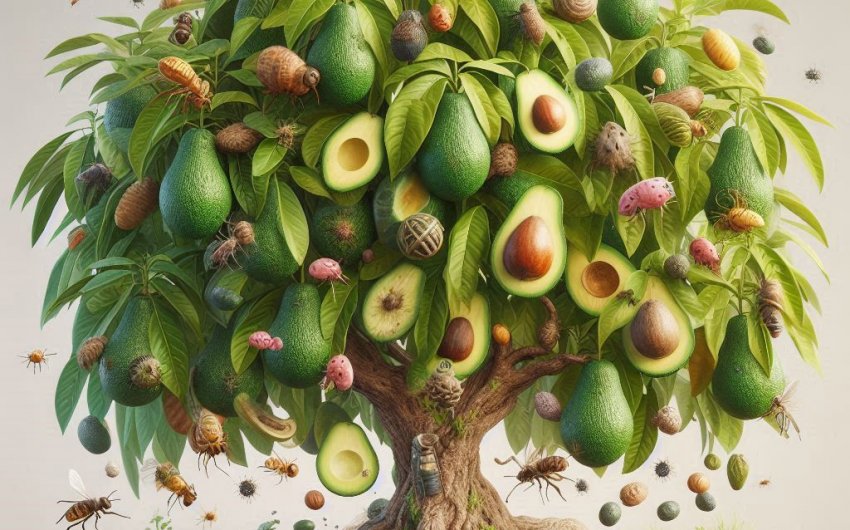
Avocado trees, cherished for their creamy, nutritious fruit, can unfortunately fall victim to various assailants that threaten their health and productivity. If you're tending to these sensitive evergreens, it's essential to understand what are the common pests and diseases that affect avocado trees. From microscopic invaders that rot roots to hungry insects munching on leaves, being able to identify and address these issues promptly is key to ensuring a bountiful harvest.
What Are the Most Common Insect Pests That Attack Avocado Trees?
A variety of insect pests can target different parts of an avocado tree, from the leaves to the fruit, causing damage that ranges from cosmetic to life-threatening. Early identification is crucial for effective management when considering what are the common pests and diseases that affect avocado trees.
Avocado Thrips
Avocado thrips (Scirtothrips perseae) are tiny, slender insects that feed on young fruit, causing unsightly scarring and russeting on the fruit skin. While not typically harmful to the tree's overall health, they can significantly reduce the marketability and aesthetic appeal of the avocados. Damage usually appears as leathery, brownish patches on the fruit surface. You can use blue sticky traps for thrips to monitor their presence.
Persea Mites
Persea mites (Oligonychus perseae) are microscopic spider mites that feed on the undersides of avocado leaves, causing discoloration (bronzing) and defoliation in severe infestations. They are more prevalent in hot, dry conditions. Heavy infestations can weaken the tree and reduce fruit set. Look for tiny, reddish-brown specks and fine webbing on the leaves. Horticultural oils or insecticidal soap for mites can help manage them.
Avocado Lace Bugs
Avocado lace bugs (Pseudacysta perseae) are small, delicate insects with lace-like wings that feed on the undersides of leaves, leaving behind yellow stippling on the upper surface and shiny, tar-like spots (excrement) on the underside. Heavy feeding can cause leaves to turn brown and drop prematurely. These pests are becoming more widespread. Natural predators like assassin bugs can help control them, or consider applying neem oil spray.
Scale Insects
Various species of scale insects can infest avocado trees, attaching themselves to stems, branches, and even fruit to suck plant sap. They appear as small, immobile bumps, sometimes covered in a waxy or cottony secretion. Severe infestations can lead to weakened growth, yellowing leaves, and reduced fruit production. They often excrete honeydew, which can lead to sooty mold growth. Pruning infested branches and applying horticultural oil dormant spray are common treatments.
Borers (e.g., Avocado Tree Borer)
Borers, particularly the Avocado Tree Borer (Stenoma catenifer), are beetle larvae that tunnel into the trunks, branches, and even fruit of avocado trees. Their activity can disrupt nutrient and water flow, leading to branch dieback, weakened limbs, and reduced fruit quality. Signs of borers include sawdust-like frass (excrement) emerging from holes in the bark or fruit. Prevention often involves maintaining tree health to resist attack, and careful pruning of infested branches.
What Are the Most Detrimental Fungal Diseases of Avocado Trees?
Fungal diseases are a major concern for avocado growers, as they can cause significant damage to roots, foliage, and fruit, sometimes leading to tree death. Understanding these is vital when examining what are the common pests and diseases that affect avocado trees.
Phytophthora Root Rot
Phytophthora root rot (Phytophthora cinnamomi) is arguably the most destructive disease affecting avocado trees worldwide. It is caused by a soil-borne water mold that thrives in poorly drained, waterlogged soils. The fungus attacks and destroys the feeder roots, preventing the tree from absorbing water and nutrients.
- Symptoms: Leaves turn pale green or yellowish, then wilt and drop. The canopy thins, and branches die back. Affected trees often look water-stressed, even when watered, due to damaged roots.
- Management: The best defense is prevention: plant in well-draining soil, avoid overwatering, and ensure good drainage. Using disease-resistant rootstocks like Duke 7 rootstock can offer significant protection. Fungicides can be used as a preventative or curative measure in some cases.
Anthracnose
Anthracnose (Colletotrichum gloeosporioides) is a common fungal disease that affects avocado fruit, flowers, and leaves, especially in warm, humid conditions.
- Symptoms: On fruit, it appears as dark, sunken spots that often enlarge and develop soft rot, particularly after harvest. On leaves, it causes irregular brown spots. On flowers, it can cause blight, leading to reduced fruit set.
- Management: Good sanitation (removing diseased fruit and leaves), proper pruning for air circulation, and preventative fungicidal sprays, especially during flowering and fruit development, can help control anthracnose. Consider using a copper fungicide.
Sunblotch
Avocado Sunblotch Viroid (ASBVd) is a viral disease that can severely impact avocado tree health and fruit quality. It is spread through infected grafting wood, seeds, and root grafts.
- Symptoms: Causes yellow or reddish streaking on young stems, leaves, and fruit. Fruit can be deformed, smaller than normal, and may develop sunken, necrotic (dead) areas. The tree itself may be stunted.
- Management: There is no cure for Sunblotch. The primary control method is to use certified disease-free nursery stock and grafting wood. Remove and destroy infected trees to prevent spread.
Scab
Avocado scab (Sphaceloma perseae) is a fungal disease that affects fruit, leaves, and twigs, causing raised, dark, corky spots.
- Symptoms: On fruit, it creates rough, brownish-black, scab-like lesions that, while mostly superficial, can reduce fruit quality and market value. Severe cases can cause fruit distortion. On leaves, it causes small, circular dark spots.
- Management: Pruning to improve air circulation and preventative fungicidal sprays, particularly when fruit is young, can help manage scab.
What Are the Environmental Stress Factors That Mimic Pests or Diseases?
Sometimes, what looks like a pest or disease problem is actually an environmental issue causing stress to the avocado tree. Recognizing these can prevent unnecessary treatments, which is important for understanding what are the common pests and diseases that affect avocado trees.
Salt Burn
Salt burn is a common problem in areas with high salinity in irrigation water or soil, or from excessive fertilization. Avocado trees are highly sensitive to salts.
- Symptoms: Leaf tips and margins turn brown and crispy, often progressing inwards. In severe cases, entire leaves can turn brown and drop.
- Management: Leach the soil with deep, infrequent watering to flush out salts. Use a water filter for garden hoses if your water source is high in salts. Avoid over-fertilizing and use a low-salt fertilizer.
Nutrient Deficiencies
Avocado trees can suffer from deficiencies in various essential nutrients, which often manifest as leaf discoloration or stunted growth, mimicking disease symptoms.
- Iron Deficiency (Chlorosis): Leaves turn yellow, but the veins remain green. Common in alkaline (high pH) soils where iron is locked up. Treat with chelated iron fertilizer or by lowering soil pH.
- Zinc Deficiency: Small, narrow leaves that are often mottled yellow between the veins. Can be treated with zinc sulfate spray.
- Nitrogen Deficiency: Overall pale green or yellowish leaves and stunted growth. Correct with a balanced avocado fertilizer.
Sunburn
Young avocado trees, or parts of mature trees suddenly exposed to intense sun (e.g., after heavy pruning), can suffer from sunburn.
- Symptoms: Bark cracking, blistering, and eventual peeling on exposed trunks and branches. Leaves may develop bleached or scorched spots.
- Management: Protect young trees with tree guards or paint trunks with diluted white latex paint. Avoid severe pruning that exposes large areas of bark to direct sun.
Overwatering/Underwatering
Improper watering is a leading cause of stress and decline in avocado trees.
- Overwatering: Leads to root rot (often Phytophthora), yellowing leaves, and wilting. The soil remains soggy.
- Underwatering: Causes leaves to wilt, turn brown, and drop. The soil becomes bone dry.
- Management: Establish a consistent watering schedule based on soil moisture, tree size, and weather conditions. Ensure excellent drainage. Use a soil moisture meter to guide watering.
How Can Cultural Practices Help Prevent Pests and Diseases?
Good cultural practices are the backbone of a healthy avocado tree and the first line of defense against pests and diseases. Proactive care is essential for understanding what are the common pests and diseases that affect avocado trees.
Proper Site Selection and Soil Preparation
- Drainage: Avocado trees must have excellent drainage. Plant on mounds or raised beds if your soil is heavy clay. Avoid planting in low-lying areas where water collects.
- Sunlight: Choose a site that receives full sun, as good light helps overall tree vigor and can reduce humidity around leaves, discouraging some fungal diseases.
- Soil pH: Avocado trees prefer a slightly acidic to neutral pH (6.0 to 7.0). Test your soil pH and amend if necessary before planting. A soil pH test kit can help.
Appropriate Watering
- Deep and Infrequent: Water deeply to encourage deep root growth, but allow the top few inches of soil to dry out between waterings. This prevents the perpetually wet conditions that favor root rot.
- Avoid Wet Foliage: Water at the base of the tree to keep leaves dry, especially in the evening, to reduce fungal disease pressure. Use drip irrigation for efficiency.
Balanced Fertilization
- Specific Needs: Use a fertilizer formulated for citrus or avocado trees, which generally have higher potassium and micronutrient content. Follow application rates carefully. An avocado tree fertilizer ensures proper nutrition.
- Timing: Fertilize when the tree is actively growing, usually in spring and summer. Avoid over-fertilizing, which can lead to salt burn or encourage excessive tender growth that is more susceptible to pests.
Pruning and Air Circulation
- Remove Dead/Diseased Wood: Regularly inspect and remove any dead, dying, or diseased branches to eliminate potential entry points for pathogens and pests.
- Improve Airflow: Prune to open up the canopy, allowing for better air circulation and light penetration. This helps leaves dry more quickly, reducing the risk of fungal diseases like anthracnose and scab. Avoid over-pruning, which can expose bark to sunburn. Use clean, sharp pruning shears.
Weed Control and Mulching
- Weed Competition: Keep the area around the base of the tree free of weeds, as they compete for water and nutrients.
- Mulch: Apply a 2-4 inch layer of organic mulch (like wood chips) around the tree, keeping it a few inches away from the trunk. Mulch helps retain soil moisture, suppress weeds, regulate soil temperature, and adds organic matter to the soil over time, improving drainage. Avoid thick layers of mulch directly against the trunk, which can trap moisture and encourage fungal issues.
When Should Chemical Treatments Be Considered?
While cultural practices are the foundation, sometimes chemical interventions become necessary, especially for severe infestations or persistent diseases. Knowing when and how to apply them is crucial for effectively addressing what are the common pests and diseases that affect avocado trees.
Integrated Pest Management (IPM) Philosophy
Chemical treatments should always be part of an Integrated Pest Management (IPM) approach. This means:
- Prevention: Start with good cultural practices.
- Monitoring: Regularly inspect your trees for early signs of pests or diseases.
- Identification: Correctly identify the problem before acting.
- Least Toxic First: Start with the least harmful interventions (e.g., hand-picking, water sprays, beneficial insects) before resorting to chemicals.
- Targeted Application: If chemicals are needed, choose the most specific product for the pest/disease and apply it only when necessary.
- Timing: Apply at the most effective time (e.g., dormant oil in winter, specific fungicides during active disease periods).
Types of Chemical Treatments
- Horticultural Oils: Lightweight oils (like all-season horticultural oil) can smother soft-bodied insects like scale, mites, and thrips. They are generally considered less toxic than traditional pesticides.
- Insecticidal Soaps: Effective against soft-bodied pests by disrupting their cell membranes. Requires direct contact with the pest. Look for organic insecticidal soap.
- Fungicides: Specific fungicides are used to control fungal diseases like anthracnose and scab. Copper-based fungicides are common. Always ensure the product is labeled for use on avocado trees and follow directions carefully regarding application rates and pre-harvest intervals. A common choice is liquid copper fungicide.
- Systemic Pesticides (Use with Caution): These are absorbed by the plant and move throughout its tissues, killing pests that feed on the plant. While effective, they can impact beneficial insects and have longer residual effects. Use them only as a last resort and follow all label warnings, especially for edible crops.
Application Tips
- Read the Label: ALWAYS read and follow the instructions, warnings, and safety precautions on the product label. This includes dosage, application method, re-entry intervals, and pre-harvest intervals.
- Proper Timing: Apply treatments when pests or diseases are most vulnerable or when environmental conditions are conducive to disease development.
- Coverage: Ensure thorough coverage for contact sprays.
- Safety Gear: Wear appropriate personal protective equipment (PPE) such as gloves, eye protection, and respirators if recommended.
- Avoid Bloom: Avoid spraying insecticides when trees are in bloom to protect pollinators.
What Are the Signs of Root Problems in Avocado Trees?
Root problems, particularly root rot, are among the most serious threats to avocado trees. Since they are below ground, symptoms often appear above ground, mimicking other issues. Recognizing these early is paramount for understanding what are the common pests and diseases that affect avocado trees.
Gradual Decline in Overall Health
One of the first signs is a general decline in the tree's vigor. This might include slower growth, a less vibrant canopy, and a general "unthrifty" appearance. The tree may seem to be struggling without an obvious cause.
Yellowing and Wilting Leaves (Even When Watered)
If your avocado tree's leaves are turning pale green or yellow (chlorosis), wilting, and dropping, even when you've been watering it, it's a strong indicator of root issues. The damaged roots can't absorb water or nutrients, leading to drought-like symptoms despite ample moisture. This is a classic sign of Phytophthora root rot.
Branch Dieback
As root damage progresses, the tree's ability to support its canopy diminishes. This often results in branch dieback, where branches or sections of the tree gradually die, starting from the tips and working inwards. This symptom often accompanies leaf yellowing and wilting.
Small, Scanty Fruit or No Fruit Production
A tree with compromised roots cannot effectively support fruit development. You might notice significantly reduced fruit set, smaller-than-normal fruit, or a complete lack of fruit production, even if the tree previously bore well.
Darkened, Brittle Roots
If you carefully dig down near the trunk (without damaging major roots) and examine the feeder roots, healthy avocado roots are typically light-colored and flexible. Roots affected by rot will appear dark brown or black, soft, and brittle or mushy.
Mushrooms Around the Base (Less Common but Indicative)
In some severe cases of fungal root rot, you might observe mushrooms or other fungal fruiting bodies appearing around the base of the trunk or on the soil surface near the tree. This is a clear sign of extensive fungal activity below ground.
How Do Climatic Conditions Influence Avocado Tree Health?
Avocado trees are sensitive to a range of climatic conditions. Extreme temperatures, humidity levels, and sudden changes can predispose them to stress, making them more susceptible to pests and diseases, which helps inform what are the common pests and diseases that affect avocado trees.
Temperature Extremes
- Frost and Cold: Avocado trees are generally tender and susceptible to frost damage. Young trees are particularly vulnerable. Frost can cause leaf and branch dieback, weakening the tree and making it more prone to secondary infections or pest infestations. Mature trees can usually withstand light frosts but severe freezes can be lethal. Tree frost blankets can offer protection.
- Extreme Heat: Prolonged periods of very high temperatures can also stress avocado trees, leading to leaf scorch, fruit drop, and reduced growth.
Humidity Levels
- High Humidity: While avocados appreciate some humidity, excessively high and prolonged humidity, especially combined with warm temperatures, creates ideal conditions for fungal diseases like anthracnose and scab to thrive on leaves and fruit. Good air circulation through pruning helps.
- Low Humidity: Very low humidity can exacerbate issues with pests like spider mites, which prefer dry conditions. It can also contribute to leaf tip burn, particularly if combined with high salt levels in the soil or water.
Wind Exposure
- Strong Winds: Constant strong winds can cause physical damage to branches and leaves. They can also increase transpiration (water loss from leaves), leading to stress, especially if soil moisture is inadequate. Wind can also desiccate young fruit. Planting windbreaks for orchards can help.
Rainfall Patterns
- Excessive Rainfall/Poor Drainage: As discussed with Phytophthora root rot, excessive rainfall coupled with poor drainage is extremely detrimental, leading to saturated soils and oxygen deprivation for roots.
- Drought: While avocados don't like soggy feet, they also don't tolerate prolonged drought. Consistent moisture is crucial for healthy growth and fruit development. Periods of drought stress can weaken the tree and make it more vulnerable to pests like borers.
What is the Importance of Disease-Resistant Rootstocks?
For many tree crops, including avocados, the rootstock (the lower part of the tree that includes the root system) plays a critical role in resistance to certain soil-borne diseases and adaptability to various soil conditions. Using disease-resistant rootstocks is a powerful preventative measure against what are the common pests and diseases that affect avocado trees.
Resistance to Root Rot
The primary benefit of using disease-resistant rootstocks for avocado trees is their inherent resistance or tolerance to Phytophthora root rot. While good drainage is still paramount, a resistant rootstock provides an extra layer of defense against this devastating water mold. Cultivars like 'Duke 7', 'Toro Canyon', 'Dusa', and 'Zutano' are commonly used as rootstocks for their Phytophthora resistance.
Tolerance to Challenging Soil Conditions
Beyond disease resistance, certain rootstocks also offer tolerance to specific soil challenges, such as:
- Salinity: Some rootstocks are more tolerant of high salt levels in the soil or irrigation water, which can be crucial in coastal regions or areas with brackish water.
- Alkalinity/pH: While all avocados prefer slightly acidic soil, some rootstocks are more adaptable to slightly alkaline conditions, where iron and other micronutrients can become less available.
- Poor Soil Structure: A vigorous rootstock can sometimes perform better in less-than-ideal soil conditions, though proper soil preparation remains important.
Grafting Technique
Avocado trees are typically grafted, meaning the desired fruiting variety (the scion) is joined onto a selected rootstock. When purchasing an avocado tree, inquire about the rootstock used, especially if you know you have problematic soil conditions or a history of root rot in your area. Look for a grafted avocado tree with a reputable rootstock.
Overall Tree Vigor
A healthy, well-adapted rootstock contributes to the overall vigor and longevity of the avocado tree, allowing it to better withstand environmental stresses and potentially resist other pests and diseases. It forms the foundation for a robust and productive tree.
Understanding what are the common pests and diseases that affect avocado trees allows you to proactively protect your valuable plants. By recognizing symptoms, implementing good cultural practices, and making informed decisions about preventative measures and treatments, you can foster healthy trees that consistently yield delicious, creamy avocados for years to come.