
What Are the Common Pests That Affect Jade Plants?
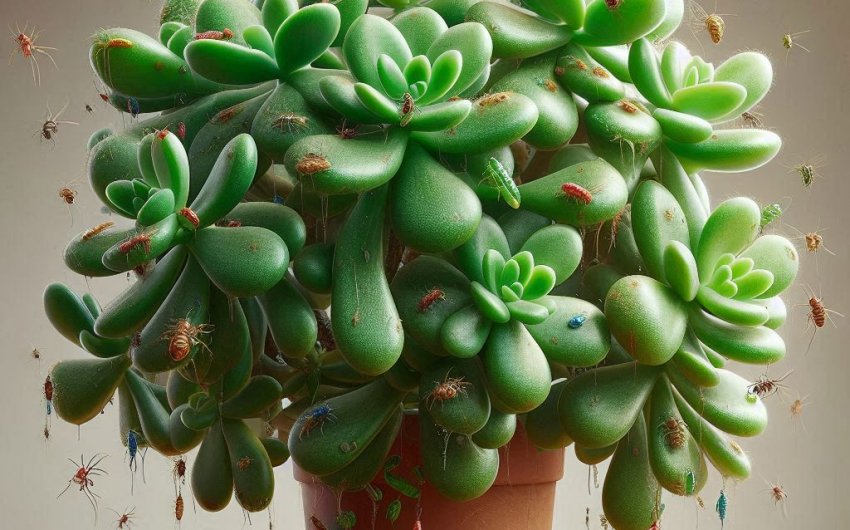
The Jade Plant (Crassula ovata), with its thick, succulent leaves and tree-like growth habit, is a cherished houseplant in many homes. Often passed down through generations, its longevity and ease of care have earned it nicknames like "money plant" or "friendship tree." Its glossy, green leaves, sometimes edged with red in good light, add a touch of lush beauty and a sense of calm to any indoor space. For many, a healthy jade plant is a symbol of good fortune and enduring charm, thriving with minimal fuss.
While Jade Plants are renowned for their resilience and forgiving nature, even the toughest plants can encounter challenges. One of the most common frustrations for jade plant owners comes in the form of tiny, often hidden, invaders: pests. These unwelcome guests can slowly weaken the plant, disfigure its beautiful leaves, and, if left unchecked, seriously compromise its health. The key to maintaining a vibrant and thriving jade plant is early detection and effective management of these common culprits.
This guide will equip you with the knowledge to identify and effectively handle the common pests that affect jade plants. We'll delve into recognizing the signs of an infestation, understanding the specific pests that target these succulents, and providing practical, often organic, solutions to protect your beloved plant. Learning to spot and treat these problems quickly will ensure your jade plant continues to flourish, bringing its tranquil beauty and symbolic fortune to your home for many years to come.
What Makes Jade Plants Susceptible to Pests?
While Jade Plants are generally hardy, certain characteristics can make them a target for particular pests. Understanding why these pests are drawn to jade can help with prevention.
Why Do Succulent Plants Attract Specific Pests?
Succulent plants, like jade, are known for storing water in their thick, fleshy leaves and stems. This unique characteristic also makes them attractive to certain sap-sucking pests.
- Easy access to sap: Their plump leaves provide a ready supply of sugary sap, which is exactly what pests like mealybugs and scale insects feed on. The succulent nature means the sap is often more concentrated and abundant.
- Relatively slow growth: Compared to fast-growing leafy plants, succulents grow more slowly. This means they are less likely to "outgrow" or shed heavily infested areas quickly.
- Dense growth (for some): As jade plants mature, their branching structure can become quite dense, creating many nooks and crannies for pests to hide and multiply unseen.
What is the Impact of Overwatering on Pest Susceptibility?
Overwatering is the number one enemy of jade plants, and it also makes them far more susceptible to pest problems.
- Weakened plant: Overwatering leads to root rot, which stresses the plant. A stressed plant is a weak plant, and weak plants are more vulnerable to pest infestations. They simply don't have the "immune system" to fight off invaders.
- Favorable conditions: Soggy soil can sometimes create a more humid microclimate around the base of the plant, which certain pests (like fungus gnats, though less common on jade) might prefer. Ensuring proper watering (allowing soil to dry out completely between waterings) is a crucial preventative measure against both root rot and many pest issues.
Do Dormancy Cycles Affect Pest Activity?
Jade Plants (like many succulents) have periods of active growth and periods of slower growth or dormancy, often triggered by changes in light and temperature.
- Winter dormancy: In winter, as light levels decrease and temperatures cool, jade plants often slow their growth. During this time, they are more susceptible to problems if overwatered or if pests are present, as the plant's natural defenses are lower.
- Pest survival: Pests can still survive and even reproduce during dormancy, sometimes going unnoticed until spring when the plant becomes active again. Regular inspection, even during dormancy, is important.
What Are the Most Common Pests That Affect Jade Plants?
Several common houseplant pests particularly enjoy making a home on Jade Plants. Knowing what to look for is the first step in effective management.
What Are Mealybugs on Jade Plants?
Mealybugs are arguably the most common and persistent pest of jade plants.
- Appearance: They are small (1/16 to 1/4 inch long), oval-shaped, soft-bodied insects that look like tiny pieces of cotton or white fuzz. They often cluster in leaf axils (where leaves meet stems), on the undersides of leaves, and along stems.
- Damage: They feed by sucking sap, which weakens the plant. Infested leaves may turn yellow, become distorted, and eventually drop off. They also excrete sticky honeydew, which can lead to sooty mold (a black, powdery fungus).
- Reproduction: They reproduce quickly and can be difficult to eradicate due to their waxy coating, which protects them from some treatments. Seeing a sticky residue or a trail of ants often indicates mealybugs are present, as ants "farm" them for honeydew. A small magnifying glass can help with identification.
What Are Scale Insects on Jade Plants?
Scale insects are another common sap-sucking pest that affects Jade Plants.
- Appearance: They appear as small (1/16 to 1/8 inch), immobile, oval-shaped bumps on stems and leaves. They can be brown, black, white, or gray, often blending in with the plant. They secrete a protective waxy or hard shell, making them tough to treat.
- Damage: Like mealybugs, they suck sap, causing yellowing leaves, stunted growth, and sticky honeydew (leading to sooty mold). Severe infestations can cause leaf drop and plant decline.
- Identification: They are often mistaken for part of the plant's anatomy or a speck of dirt, but if you scrape one off, you'll see a soft body underneath.
What Are Spider Mites on Jade Plants?
Spider mites are tiny arachnids (not insects) that are almost invisible to the naked eye, but their damage is very noticeable.
- Appearance: You typically won't see the mites themselves until an infestation is severe. Look for very fine webbing on and between leaves and stems, especially in leaf axils. Mites appear as tiny moving dots within the webbing.
- Damage: They feed by piercing plant cells and sucking out chlorophyll, leaving tiny yellow or white speckles (stippling) on the leaves. Heavily infested leaves turn yellow, then brown, and may drop.
- Conditions: Spider mites thrive in hot, dry conditions and can spread rapidly. Regular inspection of the undersides of leaves is crucial for early detection.
What Are Aphids on Jade Plants?
While less common than mealybugs or scale, aphids can sometimes affect Jade Plants, especially new, tender growth if the plant is outdoors or near other infested plants.
- Appearance: Small, pear-shaped insects, often green or black, clustered on new shoots and leaf tips.
- Damage: Similar to other sap-suckers – distorted new growth, sticky honeydew, and potential sooty mold.
- Rapid reproduction: They reproduce very quickly.
How Do You Inspect Your Jade Plant for Pests?
Regular inspection is the most powerful tool in preventing and managing pest problems on your Jade Plant. Catching an infestation early makes it far easier to control.
How Often Should You Inspect Your Jade Plant?
Make inspecting your Jade Plant a regular habit.
- Weekly: A quick weekly check is ideal, especially during active growing seasons.
- Before watering: It's a great time to inspect, as you're already handling the plant.
- When buying new plants: Always thoroughly inspect any new plants before bringing them home and placing them near your existing collection. Isolate new plants for a few weeks if possible (quarantine) to ensure they are pest-free.
Where Should You Look for Pests?
Pests are often masters of disguise or prefer hidden spots.
- Undersides of leaves: Many pests, like spider mites and young scale, hide here.
- Leaf axils: The junctions where leaves meet stems are favorite hiding spots for mealybugs.
- Along stems and branches: Especially where new growth emerges.
- Flower buds and flowers: If your jade plant blooms.
- Soil surface: Look for tiny gnats (indicating fungus gnats, usually from overwatering).
What Visual Cues Should You Look For?
Beyond seeing the pests themselves, look for these visual cues:
- Sticky residue (honeydew): A shiny, sticky film on leaves or surfaces below the plant.
- Sooty mold: Black, powdery growth on honeydew.
- Yellowing, distorted, or stunted new growth: Signs of sap-sucking damage.
- Small white specs or webbing: Indicating spider mites.
- Wilting despite moist soil: Could indicate severe pest infestation or root rot.
- Tiny chewed holes: Less common for typical jade pests, but could indicate caterpillars or other chewing insects if outdoors.
What is the Importance of a Magnifying Glass?
Because many plant pests are so tiny, a magnifying glass is an incredibly useful tool for close inspection. It allows you to clearly see the actual pests, their eggs, or subtle signs of their presence (like stippling from spider mites) that might be missed with the naked eye. A small jeweler's loupe or magnifying glass is an inexpensive but invaluable investment for any houseplant enthusiast.
How Do You Get Rid of Pests on Jade Plants?
Once you've identified a pest problem on your Jade Plant, act quickly. A multi-pronged approach often works best for stubborn pests.
What is Manual Removal?
For small or early infestations, manual removal is often the best and safest first step.
- For mealybugs/scale: Dip a cotton swab or Q-tip in rubbing alcohol (isopropyl alcohol, 70%). Use this to directly dab each mealybug or scale insect you see. The alcohol dissolves their waxy coating and dehydrates them. Repeat daily or every few days until they are gone. This method is surprisingly effective.
- For aphids: A strong spray of water from a hose (if you can take the plant outside) can physically dislodge them. For indoor plants, wipe them off with a damp cloth or crush them with your fingers.
- For spider mites: Wipe the leaves (especially undersides) with a damp cloth to physically remove mites and webbing.
How Do You Use Insecticidal Soap?
Insecticidal soap is an excellent organic and low-toxicity option for soft-bodied pests like mealybugs, aphids, and spider mites. It works by suffocating them on contact.
- Choose a product: Use a commercially prepared insecticidal soap for houseplants. Do not use dish soap, as it can contain degreasers or other harsh chemicals that harm plants.
- Dilute and test: Follow label instructions for dilution. Always test on a small, inconspicuous area of the plant first to ensure there's no adverse reaction (e.g., leaf burn).
- Spray thoroughly: Spray the entire plant, ensuring complete coverage, especially the undersides of leaves, stems, and all crevices where pests might hide. Direct contact is crucial.
- Repeat: Reapply every 5-7 days as needed, as insecticidal soap has no residual effect once dry. Apply in the morning or evening, avoiding direct sun or very hot temperatures.
What About Neem Oil?
Neem oil is another effective organic pesticide that works as an anti-feedant, growth disruptor, and suffocant. It's generally safe for beneficial insects once dry.
- Choose a product: Use a pure, cold-pressed neem oil concentrate mixed with water and a small amount of mild soap (as an emulsifier). Follow label instructions carefully.
- Apply thoroughly: Spray the entire plant, ensuring complete coverage, particularly the undersides of leaves.
- Repeat: Apply every 7-10 days for best results, or as directed by the product label. Neem oil works best as a preventative or for early infestations. Do not apply in direct sun or when temperatures are above 90°F (32°C).
When Should You Repot an Infested Plant?
If you have a severe or persistent pest infestation, particularly with root mealybugs (which are white, waxy masses found in the soil around roots), repotting might be necessary.
- Remove plant: Carefully remove the plant from its pot.
- Clean roots: Gently remove as much old soil as possible from the roots. You can even rinse the roots under a gentle stream of water to dislodge pests.
- Inspect roots: Look for any signs of root mealybugs (white, fuzzy masses). If found, physically remove as many as possible.
- Clean pot: Wash the old pot thoroughly with soap and water, or use a new, clean pot.
- Repot: Replant in fresh, sterile, well-draining potting mix.
- Isolate: Isolate the repotted plant and continue to monitor and treat the foliage as needed.
When to Use Chemical Pesticides (Last Resort)?
For most Jade Plant pest problems, organic and manual methods are highly effective. Chemical pesticides should be a last resort and used with extreme caution.
- Targeted solutions: If you must use a chemical, choose a targeted product designed for indoor use that specifically addresses the pest you have (e.g., a systemic insecticide for scale).
- Follow instructions exactly: Always read and follow label instructions precisely, including protective gear, ventilation, and reapplication intervals.
- Toxicity: Be aware that many chemical pesticides can be harmful to pets and humans if not used correctly.
- Harm to plant: Some chemical pesticides can burn or damage succulent leaves. Always test on a small area first. For the health of your plant and your home, prioritize less toxic options first.
How Do You Prevent Pests on Jade Plants?
The best way to deal with pest problems on your Jade Plant is to prevent them from occurring in the first place. Good cultural practices and regular vigilance go a long way.
How Does Proper Watering Prevent Pests?
As discussed, proper watering is critical for Jade Plant health and pest prevention.
- Avoid overwatering: This is the most important factor. Overwatered plants are stressed and susceptible to root rot, which makes them easy targets for pests like mealybugs and spider mites. Let the soil dry out completely between waterings.
- Consistent moisture: While not overwatering, avoid extreme periods of drought followed by sudden drenching, as this can also stress the plant. Aim for consistent "dry periods" between waterings.
How Do Cleanliness and Hygiene Help?
Maintaining cleanliness and good hygiene in your indoor garden space helps prevent pest outbreaks.
- Wipe leaves regularly: Dust can accumulate on Jade Plant leaves, blocking light and making it harder to spot pests. Regularly wipe down the leaves with a damp cloth. This also helps dislodge any nascent pest populations.
- Remove dead leaves/debris: Promptly remove any dead or dying leaves or debris from the soil surface and around the plant. These can harbor pests or fungal spores.
- Clean pots and saucers: Ensure pots and saucers are clean, especially after repotting.
Why is Good Air Circulation Important?
While Jade Plants don't require high humidity, good air circulation is beneficial.
- Deters spider mites: Spider mites thrive in stagnant, dry air. Good air movement can help deter them.
- Prevents fungal issues: Proper airflow also helps prevent fungal problems like powdery mildew (less common on jade but still possible). Ensure your Jade Plant isn't crammed into a corner or too close to other plants, allowing air to move freely around it. A small clip-on fan can provide gentle air movement in stagnant areas.
How Do You Quarantine New Plants?
This is a crucial preventative step: Always quarantine new plants before introducing them to your existing collection.
- Isolation: Place new plants in a separate room, away from your other houseplants, for at least 2-4 weeks.
- Thorough inspection: During this period, inspect the new plant daily for any signs of pests (leaves, stems, undersides, soil surface).
- Treatment: If you spot any pests, treat the new plant immediately and keep it isolated until you are absolutely sure it's pest-free. This simple step can save your entire collection from an infestation.
What About Proper Lighting and Fertilization?
Providing optimal light and fertilization helps maintain a strong, healthy Jade Plant that is naturally more resistant to pests.
- Adequate light: While jade plants tolerate low light, they thrive in bright, indirect light. A well-lit plant is less stressed and more capable of fighting off pests.
- Balanced fertilization: Avoid over-fertilizing with nitrogen, which can promote tender, weak growth that is more appealing to sap-sucking pests. Use a balanced fertilizer sparingly during the growing season. A healthy plant has better natural defenses.