
How Often Should I Water My Bird of Paradise?
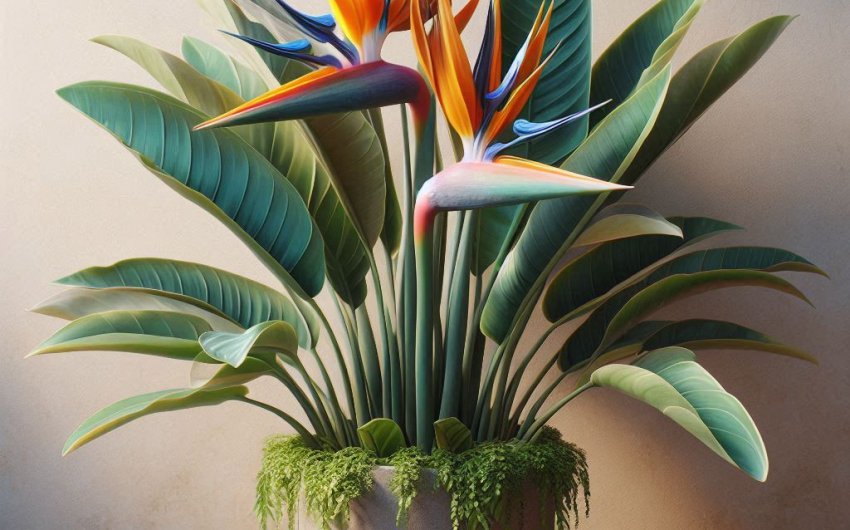
The Bird of Paradise plant, with its stunning, crane-like flowers and lush, banana-like leaves, is a true showstopper. Whether you're growing it outdoors in a tropical climate or as a majestic houseplant, its exotic beauty adds a touch of paradise to any space. Seeing those vibrant orange and blue blooms emerge is a gardener's delight. But like all living things, the Bird of Paradise has specific needs, and getting its watering just right can feel like a tricky balancing act. Too much water can lead to root rot, a common killer of many plants, while too little water can cause wilting and stunted growth. The key is understanding what signals your plant is giving you and adjusting your watering routine based on its environment. This guide will help you decipher the mysteries of watering your Bird of Paradise, ensuring it thrives and produces those spectacular blooms you're dreaming of.
How Does Water Affect My Bird of Paradise Plant?
Water is life for plants, and for a Bird of Paradise, it plays several vital roles. Understanding how water impacts your plant will help you appreciate why proper watering is so important.
Nutrient Uptake and Transport
Plants don't "eat" solid food; they absorb nutrients dissolved in water through their roots. Water acts like a delivery truck, carrying essential nutrients from the soil up through the plant's stems to its leaves, flowers, and developing new growth. If there isn't enough water, the plant can't take up the food it needs, even if the nutrients are present in the soil. This leads to slow growth, weak stems, and poor flowering.
Photosynthesis
Photosynthesis is the process where plants use sunlight, carbon dioxide, and water to create their own food (sugars). Water is a raw ingredient in this process, which primarily happens in the leaves. Without enough water, photosynthesis slows down or stops, directly impacting the plant's energy production. This is why a thirsty plant might look dull or droopy – it's struggling to make its own food.
Transpiration and Cooling
Plants release water vapor from their leaves into the air through tiny pores called stomata in a process called transpiration. This process helps to pull water up from the roots, moving nutrients through the plant. It also helps cool the plant, much like sweating helps cool humans. If the plant doesn't have enough water, it closes its stomata to conserve moisture, which stops the cooling process and can cause the plant to overheat and stress, especially on hot, sunny days.
Turgor Pressure (Keeping the Plant Stiff)
Imagine blowing up a balloon. The air inside makes it firm. In plants, water acts like the air in a balloon, filling the plant cells and pushing against their cell walls. This creates turgor pressure, which is what keeps the plant's leaves and stems firm and upright. When a plant doesn't have enough water, its cells lose turgor pressure, causing the leaves to wilt and droop. This is a clear sign your Bird of Paradise is thirsty and needs water quickly.
Avoiding Root Rot
While water is essential, too much of a good thing can be harmful. Root rot is a common problem caused by overwatering and poor drainage. When the soil stays constantly soggy, oxygen can't reach the roots. Roots need oxygen to "breathe" and function properly. Without it, they essentially drown, becoming soft, mushy, and unable to absorb water or nutrients. Fungi and bacteria then thrive in these anaerobic (oxygen-lacking) conditions, attacking the weakened roots. A plant with root rot might show signs of wilting (even though the soil is wet!), yellowing leaves, and stunted growth. It's often mistaken for underwatering, but the soggy soil is the key clue.
What Factors Influence How Often I Should Water My Bird of Paradise?
There's no single watering schedule that fits every Bird of Paradise plant. How often you water depends on several key factors. Think of it like a puzzle where all the pieces fit together to determine the right amount and frequency.
Type of Bird of Paradise
There are two main types of Bird of Paradise plants commonly grown:
- Strelitzia reginae (Orange Bird of Paradise): This is the more common type, known for its vibrant orange and blue flowers. It's generally more drought-tolerant than the white variety once established, preferring its soil to dry out a bit between waterings.
- Strelitzia nicolai (White Bird of Paradise/Giant Bird of Paradise): This variety grows much larger, with white and blue flowers, and has more substantial, banana-like leaves. It tends to be a bit more thirsty than S. reginae, especially when it's actively growing, and prefers consistently moist soil (but still not waterlogged).
Understanding which type you have will slightly adjust your approach.
Growing Medium (Soil Mix)
The type of soil or potting mix your plant is in greatly affects how often it needs water.
- Well-Draining Soil: Bird of Paradise plants thrive in well-draining soil. This means a mix that allows water to pass through relatively quickly, preventing soggy conditions. A good potting mix for these plants often includes components like perlite horticultural perlite, coarse sand coarse horticultural sand, or pine bark fines pine bark fines for plants mixed with a good quality peat-based or coir-based potting soil. If your soil mix is too heavy and dense (like pure garden soil or cheap potting soil), it will hold too much water, leading to root rot.
- Drainage Speed: A mix with more perlite will drain faster, meaning you might need to water more often. A heavier mix will hold water longer, requiring less frequent watering.
Container Size and Material
If your Bird of Paradise is in a pot, the size and material of the container make a big difference.
- Pot Size: A large pot will hold more soil and, therefore, more moisture than a smaller pot. Plants in smaller pots will dry out faster and need more frequent watering. Make sure your pot isn't too large for the root ball, as excess soil can hold too much moisture and lead to rot.
- Pot Material:
- Terracotta/Unglazed Clay Pots: These are porous, meaning they allow air and moisture to pass through their walls. This helps the soil dry out faster, so you might need to water more frequently.
- Plastic/Glazed Ceramic Pots: These are non-porous, holding moisture in the soil for a longer period. You'll generally water less often.
- Drainage Holes: Always, always, always ensure your pot has drainage holes plant pot with drainage holes. Without them, water has nowhere to go, and your plant will surely suffer from root rot.
Light Exposure
The amount of light your Bird of Paradise receives directly impacts its water needs.
- Full Sun/Bright Light: Plants in full sun or very bright light (outdoors or near a south-facing window indoors) will transpire more and use more water. They will dry out faster and need more frequent watering.
- Partial Shade/Lower Light: Plants in partial shade or lower light conditions will use water more slowly. They will need less frequent watering to avoid root rot.
Temperature and Humidity
Environmental conditions play a huge role in how quickly your plant dries out.
- Temperature: In warmer temperatures, plants use more water. During hot summer months, your Bird of Paradise will be actively growing and very thirsty, requiring more frequent watering. In cooler months (especially if indoors), growth slows down, and the plant needs less water.
- Humidity: Bird of Paradise plants prefer higher humidity, but humidity levels also affect soil drying. In high humidity, water evaporates more slowly from the soil, meaning the plant needs less frequent watering. In very dry conditions, the soil dries out faster, and the plant may need more water.
Growth Stage and Season
A plant's activity level changes throughout the year.
- Growing Season (Spring/Summer): During spring and summer, the Bird of Paradise is actively growing, putting out new leaves and potentially flowers. This is when its water needs are highest. Water more frequently during these months.
- Dormancy/Slower Growth (Fall/Winter): In fall and winter, especially if kept indoors or in a cooler climate, the plant's growth slows down significantly. Its water needs drop drastically. Reduce watering frequency to prevent root rot during this period.
What Are the Signs My Bird of Paradise Needs Water (or Has Too Much)?
Learning to read your plant's signals is the best way to determine its watering needs. Your Bird of Paradise will tell you what it wants if you know what to look for.
Signs of Underwatering
These are classic signs that your plant is thirsty and needs a drink.
- Wilting Leaves: The most obvious sign. Leaves will droop and lose their stiffness, often looking limp or deflated. They might even start to curl inwards to conserve moisture.
- Crispy or Browning Leaf Edges: If underwatering is prolonged, the edges of the leaves may start to turn brown and become crispy, particularly on older leaves.
- Slow or Stunted Growth: Lack of water means the plant can't properly photosynthesize or transport nutrients, leading to very slow or no new growth. New leaves might be small or distorted.
- Dry, Crumbly Soil: Stick your finger into the soil. If it feels completely dry several inches down (or all the way to the bottom of a smaller pot), your plant is definitely thirsty.
- Lightweight Pot: If your plant is in a pot, the entire pot will feel significantly lighter when the soil is dry compared to when it's just been watered.
Signs of Overwatering (and Potential Root Rot)
These signs are often mistaken for underwatering because the plant can appear to be wilting, but the key difference is the soggy soil.
- Yellowing Leaves: Older leaves (at the bottom of the plant) often turn yellow. This can sometimes be confused with nutrient deficiency, but if accompanied by soggy soil, it's a strong indicator of overwatering.
- Drooping/Wilting (despite wet soil): This is the tricky one. If your plant is wilting but the soil is very wet, it means the roots are suffocating and aren't able to take up water anymore. This is a tell-tale sign of root rot.
- Soft, Mushy Stems or Base: The base of the plant or lower stems might feel soft and mushy to the touch. In severe cases, the stem might even turn black or brown.
- Foul Smell from Soil: A rotten, sulfurous, or generally unpleasant odor coming from the soil is a strong indicator of anaerobic conditions and decaying roots.
- Fungus Gnats: Small, dark flies hovering around the soil surface are often a sign of consistently wet soil, which creates a breeding ground for these harmless but annoying pests.
- Mold or Algae on Soil Surface: A green or white fuzzy growth on the soil surface can also indicate excessive moisture.
What Is the Best Way to Water My Bird of Paradise?
Knowing when to water is crucial, but how you water also plays a significant role in your Bird of Paradise's health.
The Finger Test (or Moisture Meter)
The "finger test" is the simplest and most reliable method to determine if your Bird of Paradise needs water.
- How to do it: Stick your finger about (2-3) inches deep into the soil (for smaller pots, go about halfway down).
- When to water:
- Strelitzia reginae (Orange BOP): Water when the top (2-3) inches of soil are dry. In cooler months, let the soil dry out even further, perhaps up to halfway down the pot.
- Strelitzia nicolai (White BOP): This variety likes a bit more moisture. Water when the top (1-2) inches of soil are dry during its active growing season. Again, reduce in cooler months.
- Moisture Meter: A soil moisture meter indoor plant moisture meter can provide a more accurate reading of moisture levels deeper in the pot and is especially helpful for larger plants. Insert the probe into different spots around the root ball.
Water Thoroughly
When you do water, water deeply and completely.
- Pour slowly: Pour water slowly and evenly over the entire soil surface until you see water draining out of the bottom of the pot. This ensures that the entire root ball gets adequately moistened.
- Discard excess water: If your plant is in a decorative pot without drainage, make sure to empty any standing water from the saucer within (30) minutes of watering. Letting the pot sit in standing water will lead to root rot.
- Deep watering encourages strong roots: Deep watering encourages the roots to grow downwards, searching for moisture, making the plant more resilient to short dry spells.
Use the Right Kind of Water
- Room Temperature Water: Avoid using very cold water, as it can shock the roots. Room temperature water is ideal.
- Filtered or Rainwater (Optional but Recommended): Tap water often contains chlorine, chloramine, and fluoride, which can build up in the soil and potentially harm sensitive plants over time. If possible, use filtered water activated carbon water filter or collected rainwater rain barrel for garden. If using tap water, letting it sit out for (24) hours can help some of the chlorine dissipate (though it won't remove chloramine or fluoride).
Humidity (Especially Indoors)
Bird of Paradise plants are native to humid, tropical environments. While proper watering is key, providing adequate humidity can also reduce stress and keep their leaves looking lush.
- Pebble Tray: Place the pot on a pebble tray plant pebble tray filled with water. As the water evaporates, it increases the humidity around the plant without making the soil soggy.
- Humidifier: In very dry indoor environments, especially during winter when heaters are running, a room humidifier plant humidifier placed near the plant can be very beneficial.
- Misting (Limited Benefit): While misting leaves can temporarily increase humidity, the effect is short-lived and can sometimes encourage fungal issues on leaves if done too frequently or in poor air circulation. It's not a substitute for proper humidity.
Adjusting for Different Seasons
Your watering frequency should change with the seasons.
- Spring and Summer (Active Growth): This is when your Bird of Paradise is most active and thirsty. You might need to water every (3-7) days, depending on all the factors mentioned above. Check the soil frequently.
- Fall and Winter (Slower Growth/Dormancy): Growth slows down significantly, and the plant uses much less water. Reduce watering dramatically. You might only need to water every (10-14) days or even less often. Always let the soil dry out more thoroughly between waterings during these cooler, darker months to prevent root rot.
What Are Some Common Watering Mistakes to Avoid?
Even with the best intentions, it's easy to make mistakes when watering. Being aware of these common pitfalls can save your Bird of Paradise from unnecessary stress.
Watering on a Schedule
One of the biggest mistakes is watering on a fixed schedule (e.g., "I water every Sunday"). This ignores all the factors that influence how quickly the soil dries out (light, temperature, humidity, pot size, etc.). Always use the finger test (or a moisture meter) to determine if your plant genuinely needs water. What worked last week might not work this week.
Not Watering Thoroughly
Giving your plant just a small sip of water when it needs a deep drink is a common error. This leads to shallow root growth, as the roots only grow where they can find water. A plant with shallow roots is less stable and much more susceptible to drying out quickly and suffering from drought stress. Always water until you see water draining from the bottom of the pot.
Letting the Plant Sit in Standing Water
While watering thoroughly is good, letting the pot sit in a saucer full of water is a recipe for root rot. The roots will drown without access to oxygen. Always empty excess water from the saucer within (30) minutes to an hour after watering.
Watering Too Frequently (Leading to Root Rot)
This is the most common killer of Bird of Paradise plants. Consistently soggy soil deprives roots of oxygen, leading to their decay. It's always safer to err on the side of slightly underwatering than overwatering with a Bird of Paradise. They are more forgiving of a little dryness than constant wetness.
Ignoring Environmental Factors
Failing to adjust your watering based on the season, temperature, or light exposure is a significant mistake. Watering a plant in a cool, dimly lit room in winter with the same frequency as a plant in bright, hot summer sun is asking for trouble. Always consider the current conditions your plant is experiencing.
Not Using a Pot with Drainage Holes
This fundamental mistake guarantees root problems. If your pot doesn't have drainage holes, water will accumulate at the bottom, creating a perpetually waterlogged environment for the roots. If you love a pot without drainage, use it as a decorative cachepot (a pot that holds a plant in a separate, plain pot with drainage holes inside).
Over-Relying on Technology (without Understanding)
While moisture meters can be helpful tools, don't blindly trust them without understanding the basics. Some cheaper meters can be unreliable, or they might only read moisture at the point where the probe is inserted. Always use the meter in conjunction with your own observations of the soil and the plant's health.
By paying attention to these details and becoming a keen observer of your Bird of Paradise's needs, you'll soon develop an intuitive understanding of its watering rhythm, ensuring it stays healthy, vibrant, and ready to produce those magnificent, otherworldly blooms.