
How Often Should I Water My Calathea?
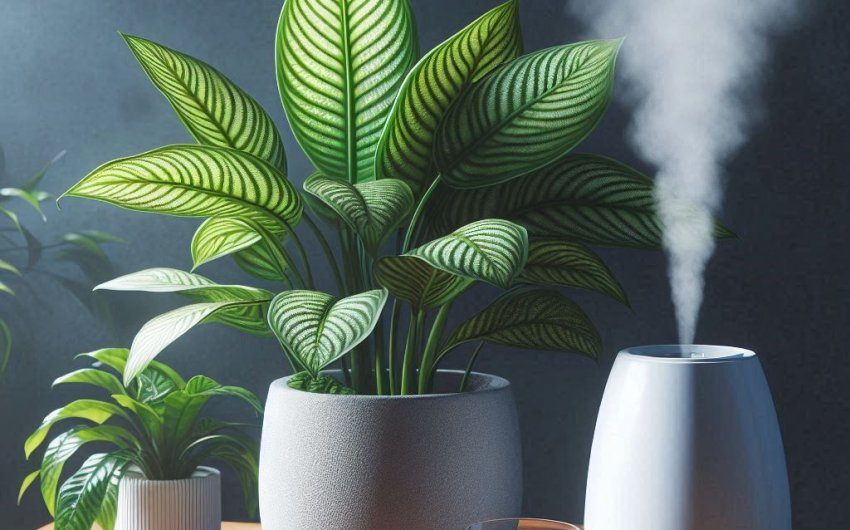
Calathea plants are truly captivating, known for their stunningly patterned leaves that often feature vibrant colors and intricate designs. Sometimes called "prayer plants" because their leaves famously fold up at night and unfold in the morning, they bring a touch of the exotic tropics into any home. However, despite their undeniable beauty, Calatheas have a reputation for being a bit "fussy" or "dramatic" – and often, their demands revolve around their watering schedule.
Getting the watering right for your Calathea is perhaps the most crucial step in keeping it happy and healthy. Overwatering can quickly lead to root rot, while underwatering causes crispy leaves and a very unhappy plant. It's a delicate balance, and the answer to "how often should I water my Calathea?" isn't a simple "every X days." Instead, it's about understanding the plant's needs, observing its signals, and adapting to your unique home environment.
This guide will dive deep into the art and science of Calathea watering. We'll cover everything from the signs your plant gives you to the best watering techniques and what kind of water these sensitive plants prefer. With a bit of knowledge and consistent attention, you can master the hydration needs of your Calathea and enjoy its spectacular foliage for years to come.
What Are the Basics of Calathea Watering?
Understanding the fundamental needs of Calathea plants when it comes to water is the first step to becoming a successful caregiver. These plants originate from the rainforests, so mimicking their natural environment is key.
Why Is Proper Watering Crucial for Calatheas?
Proper watering is absolutely crucial for the health and vibrancy of your Calathea. These plants are highly sensitive to both too much and too little water, and getting it wrong can quickly lead to distress or even death.
- Root Health: Overwatering is the most common killer of houseplants, and Calatheas are particularly susceptible to root rot. When the soil stays consistently wet, roots don't get enough oxygen. They begin to suffocate, turn to mush, and can no longer absorb water and nutrients for the plant. This leads to yellowing leaves, stunted growth, and eventually, the demise of the plant.
- Leaf Appearance: Calatheas are all about their leaves, and their leaves are very good indicators of their watering status.
- Crispy Edges/Tips: This is a classic sign of underwatering or insufficient humidity. The plant isn't getting enough moisture, so the leaves dry out, especially at the edges.
- Curling Leaves: Leaves may curl inward to conserve moisture when the plant is significantly underwatered.
- Yellowing Leaves: While yellowing can be a sign of many issues, it's a common indicator of overwatering, especially when combined with soft, mushy stems or a foul smell from the soil.
- Drooping Leaves: Both overwatering and underwatering can cause drooping. With underwatering, the leaves often feel dry and brittle. With overwatering, they might look limp or soft, even if the soil is wet.
- Overall Plant Vigor: A properly watered Calathea will be lush, vibrant, and actively growing new leaves. A plant that is constantly stressed by incorrect watering will be weak, more susceptible to pests and diseases, and will not reach its full beautiful potential.
Because Calatheas are so sensitive, consistent and mindful watering practices are non-negotiable for their long-term health and striking appearance. They truly thrive when their specific moisture needs are met.
What Kind of Water Should You Use?
This is a surprisingly important factor for Calatheas, as they are notoriously sensitive to certain chemicals found in tap water. Using the wrong kind of water can lead to brown leaf tips, stunted growth, and an unhappy plant, even if your watering schedule is perfect.
Calatheas are highly sensitive to fluoride, chlorine, and other salts and minerals commonly found in tap water. These chemicals can build up in the soil and cause "tip burn" – the browning and crisping of leaf edges and tips – even if humidity is high and watering is consistent.
Therefore, it's highly recommended to use one of the following types of water for your Calathea:
- Distilled Water: This is water that has been boiled into vapor and then condensed back into liquid, removing impurities, salts, and minerals. It's a very pure form of water and ideal for Calatheas. You can buy distilled water at most grocery stores.
- Rainwater: Collected rainwater is naturally free of chlorine and fluoride and contains beneficial trace elements. It's an excellent, free option for watering your Calathea if you have a way to collect it.
- Filtered Water: If you have a water filter pitcher or a whole-house filter that specifically removes chlorine and fluoride, this can be a good option. However, not all filters remove fluoride, so check the product specifications.
- Dechlorinated Tap Water (Less Ideal, but better than straight tap): If the above options aren't feasible, you can try leaving tap water out in an open container for at least 24 hours. This allows some of the chlorine to evaporate. However, it won't remove fluoride or other minerals, so tip burn might still occur over time.
Using room-temperature water is also important. Very cold water can shock the plant's roots. Fill your watering can and let the water sit for a while before watering your Calathea. This small extra step can make a big difference in the long-term health and beauty of your plant's foliage.
What is the Best Potting Mix and Drainage?
The right potting mix and excellent drainage are just as important as the water itself when it comes to preventing root rot and ensuring your Calathea thrives. A good mix allows for proper aeration and prevents the soil from staying soggy.
Calatheas prefer a well-draining, airy potting mix that retains some moisture but never becomes waterlogged. A standard indoor potting mix is often too dense and heavy for them. You need a mix that provides both good drainage and sufficient aeration for the roots.
An ideal potting mix for Calatheas typically includes a combination of:
- Peat Moss or Coco Coir: These ingredients retain moisture well but are also relatively airy. Coco coir is often preferred as it's more sustainable and has a neutral pH.
- Perlite: Perlite is a volcanic rock that improves drainage and aeration, preventing compaction.
- Orchid Bark or Horticultural Charcoal: Small pieces of orchid bark or horticultural charcoal (activated charcoal specifically for plants) create larger air pockets, further enhancing drainage and preventing the mix from becoming too dense.
You can create your own mix using a blend of these components, or look for a pre-made "Aroid mix" or "tropical plant mix" at your local plant nursery. A good starting ratio could be 2 parts peat moss/coco coir, 1 part perlite, and 1 part orchid bark.
Drainage holes are non-negotiable. Your Calathea's pot must have drainage holes at the bottom. Without them, excess water has nowhere to go, leading to stagnant conditions and guaranteed root rot. Always use a pot with proper drainage. If you're using a decorative pot, make sure it has no standing water in the bottom. You can use a plant saucer under your nursery pot, but ensure you empty any collected water promptly.
When repotting, choose a pot that is only slightly larger than the previous one. Calatheas prefer to be a bit root-bound, and putting them in too large a pot with too much new soil can lead to the soil staying wet for too long, increasing the risk of root rot.
How Do You Determine When to Water Your Calathea?
The most critical aspect of watering a Calathea is knowing when to water, rather than sticking to a rigid schedule. Your plant will tell you when it's thirsty, and environmental factors will influence how quickly it dries out.
What Are the Best Ways to Check Soil Moisture?
Relying on a set schedule like "every 7 days" is a recipe for disaster with a Calathea. Instead, you need to physically check the soil moisture. There are a few reliable methods:
- The Finger Test (Most Common): This is the simplest and most widely used method. Insert your finger about 1 to 2 inches (2.5 to 5 cm) deep into the potting mix.
- If the soil feels damp at this depth, wait.
- If the soil feels dry, it's time to water. This method gives you a direct feel for the moisture content where the roots are.
- The Weight Test: Pick up your Calathea pot after you've thoroughly watered it and feel its weight. Remember how heavy it is. Then, periodically lift the pot. As the soil dries out, the pot will become noticeably lighter. When it feels significantly lighter than when it was fully watered, it's a good indication that it's time to water again. This method takes a bit of practice but becomes very intuitive over time.
- Moisture Meter: A plant moisture meter is a handy tool that can give you a more precise reading of the soil moisture level. Insert the probe into the soil, and the meter will indicate whether the soil is wet, moist, or dry. Aim for the "moist" range. While useful, remember to calibrate yourself with the finger or weight test, as some meters can be inconsistent.
- Observing the Potting Mix Surface: While not as reliable as checking deeper, you can also look at the surface of the potting mix. When dry, it often appears lighter in color and crumbly. When wet, it's darker and sticks together. However, the surface dries faster than the deeper soil, so always confirm with a deeper check.
Regardless of the method you choose, the key is consistency in checking. Do it every few days, especially when you are new to owning a Calathea, until you get a feel for its specific needs in your environment.
What Are the Signs Your Calathea Needs Water?
Your Calathea is a dramatic plant, and it will definitely tell you when it's thirsty! Recognizing these signals quickly can prevent prolonged stress and damage to its beautiful foliage.
- Crispy or Brown Leaf Edges/Tips: This is the most common and visible sign. The outer edges or tips of the leaves will start to dry out, turn brown, and become crispy to the touch. While also caused by low humidity or mineral buildup, if combined with dry soil, it's a clear indicator of thirst.
- Curling or Rolled Leaves: When a Calathea is significantly underwatered, its leaves will start to curl inward or roll up. This is the plant's way of trying to conserve moisture and reduce the surface area exposed to evaporation.
- Drooping Leaves: The leaves may appear to "droop" or lose their stiffness, hanging limply. They might feel dry and somewhat brittle when touched. This can also happen with overwatering, but with underwatering, the soil will be noticeably dry.
- Pot Feels Light: As mentioned in the previous section, the pot will feel remarkably lighter than when it was just watered.
- Stunted Growth: If your plant isn't growing new leaves or existing leaves seem small and don't expand fully, consistent underwatering might be hindering its overall growth.
When you see these signs, check the soil immediately with the finger test. If it's dry, water thoroughly. It's usually a good sign that your Calathea is thirsty if it shows these symptoms and the soil is dry. They are surprisingly resilient in bouncing back from a bit of thirst, but consistent neglect will lead to irreversible damage.
What Are the Signs of Overwatering?
Overwatering is the silent killer of Calatheas, as its symptoms can sometimes be mistaken for underwatering initially, leading to a vicious cycle. Knowing the signs is vital for prompt action.
- Yellowing Leaves: This is a classic symptom of overwatering, especially if the yellowing starts from the lower leaves and progresses upwards. The leaves might also feel soft and limp.
- Mushy or Black Stems/Petiole Bases: The petioles (the stalks connecting the leaf to the main stem) or the base of the plant might feel soft, mushy, or even turn black. This is a strong indicator of root or stem rot.
- Foul Smell from Soil: A sour or moldy smell coming from the potting mix is a definite sign of root rot due to overly wet conditions.
- Stunted Growth with Wet Soil: The plant isn't growing, but the soil stays perpetually wet, even days after watering. This means the roots aren't able to absorb moisture or nutrients.
- Mold or Fungus on Soil Surface: While not always harmful to the plant, visible mold or fungus on the soil surface is a sign that the potting mix is staying too wet for too long.
- Drooping Leaves (with wet soil): As mentioned, drooping can also occur with overwatering. The leaves might look heavy and limp, but the soil will be wet. This happens because the rotted roots can't transport water to the leaves, essentially mimicking dehydration.
If you suspect overwatering, the first step is to stop watering immediately. Allow the soil to dry out significantly. If the problem is severe (mushy stems, foul smell), you might need to carefully unpot the plant, inspect the roots, trim away any black, mushy, or smelly roots with sterile pruning shears, and repot it into fresh, dry, well-draining soil. This is often the only way to save a plant from severe root rot.
What Are the Best Watering Techniques for Calatheas?
Knowing when to water is crucial, but how you water also makes a big difference for your Calathea's health. There are several effective techniques, each with its own benefits.
How to Water from the Top?
Top watering is the most common method and works well for Calatheas if done correctly. It's important to water thoroughly to ensure all the roots get moisture.
- Pour Slowly and Evenly: Use a watering can with a long spout to pour water slowly and evenly over the entire surface of the potting mix.
- Water Until it Drains: Continue pouring water until you see it freely draining from the bottom holes of the pot. This indicates that the entire root ball has been saturated.
- Allow to Drain Completely: It's vital to let all the excess water drain away. Do not let your Calathea sit in standing water. If it's in a decorative pot without drainage holes, remove the inner nursery pot and place it in the sink or a basin to drain for at least 15-30 minutes before putting it back in the decorative pot. Any standing water in the saucer should be emptied promptly.
- Check Again: After watering, wait a few minutes, then check the soil again to ensure it's evenly moist. Sometimes water can channel through the soil if it's very dry, leaving some areas untouched.
Top watering is straightforward and helps flush out any mineral buildup from the soil over time (though using distilled or rainwater greatly reduces this concern).
How to Water from the Bottom?
Bottom watering is a highly recommended technique for Calatheas as it allows the plant to absorb water at its own pace and encourages stronger root development. It also helps prevent waterlogging of the soil surface.
- Prepare a Basin: Find a basin, tray, or a large bowl that is wide enough to hold your Calathea's pot and deep enough for a few inches of water.
- Add Water: Pour about 2-4 inches of room-temperature, distilled, or rainwater into the basin.
- Place the Pot: Carefully place your Calathea's pot into the water. Ensure the pot has drainage holes at the bottom, as these are how the water will be absorbed.
- Allow to Soak: Let the pot sit in the water for about 15 to 30 minutes. You will see the top surface of the potting mix become damp as the water wicks upwards. This is a good sign that the soil is fully saturated.
- Check and Remove: Once the top surface of the soil feels damp, remove the pot from the basin. If it's still dry on top, you can leave it for a little longer, or even do a small top water to help start the wicking process.
- Drain Thoroughly: Just like with top watering, it's crucial to let any excess water drain out completely. Place the pot on a rack or in the sink for 15-30 minutes until no more water drips out.
Bottom watering ensures that the roots at the bottom of the pot, which might otherwise stay dry with quick top watering, get sufficient moisture. It also minimizes the risk of water sitting in the plant's crown, which can lead to crown rot. Many Calathea owners find this method results in healthier, happier plants.
What About Humidity? Does It Affect Watering Needs?
While not a watering technique itself, humidity is intrinsically linked to your Calathea's hydration and how often you need to water. Calatheas are tropical plants that thrive in high humidity, typically 50% to 70%.
- Impact on Evaporation: In low humidity environments, water evaporates much more quickly from the potting mix and from the leaves (transpiration). This means your Calathea will dry out faster and therefore need more frequent watering. Conversely, in higher humidity, the soil will retain moisture longer, reducing the frequency of watering.
- Crispy Edges and Humidity: Even if you water perfectly, consistently low humidity will cause your Calathea's leaf edges and tips to turn brown and crispy. This is because the plant is losing moisture to the dry air faster than its roots can absorb it, leading to localized dehydration in the delicate leaf margins.
- Overall Health: Good humidity contributes significantly to the overall health and vigor of your Calathea, allowing its leaves to unfurl beautifully and remain lush without developing unsightly crispy edges.
To provide adequate humidity for your Calathea:
- Pebble Trays: Place your pot on a pebble tray filled with water. Ensure the bottom of the pot is sitting on the pebbles, not directly in the water. As the water evaporates, it creates a more humid microclimate around the plant.
- Humidifier: For consistent and effective humidity, especially if you have multiple humidity-loving plants, a room humidifier is an excellent investment.
- Grouping Plants: Grouping several plants together can help increase the local humidity as they collectively release moisture through transpiration.
- Avoid Dry Air Sources: Keep your Calathea away from heating vents, air conditioning units, or drafty windows, as these can drastically dry out the air around the plant.
- Misting (with caution): While misting provides a temporary boost of humidity, it's not a long-term solution. If you choose to mist, use distilled or rainwater to avoid mineral spots on leaves, and do it early in the day so the leaves dry completely before nightfall to prevent fungal issues.
While humidity doesn't replace watering, it significantly reduces the stress on your Calathea and can indirectly influence how often you need to water by slowing down evaporation. A happy Calathea is a humid Calathea.
What Factors Affect Watering Frequency?
There's no universal "water every X days" rule for Calatheas because many environmental and plant-specific factors influence how quickly their soil dries out. Understanding these variables helps you tailor your watering schedule precisely.
How Does Light Influence Watering Needs?
Light plays a significant role in how much water your Calathea consumes and how quickly its potting mix dries. Plants use light for photosynthesis, a process that requires water.
- Brighter Light = More Frequent Watering: A Calathea placed in brighter, indirect light (its preferred condition) will photosynthesize more actively. This increased metabolic activity means the plant will take up more water from the soil, and the soil will also tend to dry out faster due to more ambient energy. Therefore, plants in brighter spots will generally need to be watered more frequently.
- Lower Light = Less Frequent Watering: If your Calathea is in a lower light situation, it will photosynthesize less, use less water, and the soil will stay wet for longer. Watering too frequently in low light conditions is a common cause of overwatering and root rot.
It's important to remember that Calatheas prefer bright, indirect light. While more light means more frequent watering, don't move your Calathea into direct sun to make it drink more, as this will scorch its leaves. Instead, adjust your watering frequency to its preferred light conditions.
Observe your specific plant: if it's in a well-lit spot, be prepared to check its soil more often. If it's in a shadier spot, be more cautious and allow more time for the soil to dry out.
How Do Temperature and Humidity Affect Water Uptake?
Temperature and humidity are tightly linked to your Calathea's watering needs, as they directly impact the rate of evaporation from both the soil and the plant's leaves.
- Temperature:
- Warmer Temperatures = More Frequent Watering: In warmer conditions, water evaporates from the soil and transpires (evaporates) from the plant's leaves at a faster rate. This means your Calathea will dry out more quickly and will need watering more often.
- Cooler Temperatures = Less Frequent Watering: In cooler environments, evaporation and transpiration slow down. The soil will remain moist for longer, so you'll need to water less frequently. This is why many people find they water much less in winter when indoor temperatures might be lower and plants are less actively growing.
- Humidity:
- Lower Humidity = More Frequent Watering: Dry air pulls moisture away from the soil and leaves rapidly. If your home has low humidity (especially common in winter with heating on), your Calathea will dry out much faster and show signs of thirst, even with regular watering. You will need to water more frequently.
- Higher Humidity = Less Frequent Watering: In high humidity, water evaporates more slowly from the soil and leaves. This helps the plant stay hydrated and means the soil will stay moist for a longer period, reducing your watering frequency.
The ideal environment for a Calathea combines warm temperatures with high humidity. This promotes lush growth and beautiful foliage. However, in average home environments, you'll constantly be balancing these factors. If you notice your Calathea is drying out very quickly and showing crispy edges, it's a strong signal to increase humidity and potentially water a bit more often. If the soil stays soggy for too long in a cool, low-light spot, you're likely watering too much for those conditions.
How Do Pot Size and Material Impact Drying Time?
The pot your Calathea is in also significantly influences how quickly the potting mix dries out. Choosing the right pot size and material is a crucial aspect of managing watering.
- Pot Size:
- Too Large Pot = Slower Drying: If your Calathea is in a pot that's too big for its root system, there will be a lot of excess potting mix around the roots. This extra soil will hold onto moisture for a much longer time, increasing the risk of root rot because the roots can't absorb all the water before it becomes stagnant.
- Right Size Pot = Optimal Drying: Calatheas prefer to be slightly root-bound. A pot that is just slightly larger than the root ball allows the roots to efficiently absorb moisture from the mix, preventing prolonged wetness. This is why you generally only go up one pot size when repotting.
- Pot Material:
- Terracotta/Unglazed Clay Pots = Faster Drying: Terracotta pots are porous, meaning they allow air and moisture to pass through their walls. This promotes faster evaporation from the sides of the pot, causing the potting mix to dry out more quickly. This can be beneficial if you tend to overwater, but it also means you'll need to water more frequently.
- Plastic/Glazed Ceramic Pots = Slower Drying: Plastic pots and glazed ceramic pots are non-porous. They do not allow moisture to evaporate through their walls, meaning the potting mix will dry out much slower than in a terracotta pot. If you use these, you need to be extra cautious with your watering frequency to avoid overwatering.
When assessing your watering frequency, consider the pot your Calathea is in. If it's a large plastic pot, you'll likely water less often than if it's a smaller terracotta pot. Always ensure adequate drainage holes, regardless of material.
How Does the Growing Season Impact Watering?
Your Calathea's watering needs will change depending on its growth cycle, which is influenced by the seasons. Understanding these shifts is key to successful long-term care.
- Active Growing Season (Spring and Summer): This is when your Calathea is putting out new leaves and actively growing. During this period, light levels are generally higher, and temperatures are warmer. The plant is more metabolically active, using more water. Therefore, you will generally need to water more frequently during spring and summer. The soil will dry out faster, and the plant will be thirstier. You might find yourself watering every 4-7 days, depending on other factors.
- Dormant/Slower Growth Season (Fall and Winter): As light levels decrease and temperatures drop (especially if your home gets cooler), your Calathea's growth will naturally slow down. It enters a period of semi-dormancy where it requires less energy and therefore less water. Watering frequency should be reduced significantly during fall and winter. The soil will stay wet for much longer, and overwatering is a major risk during these months. You might find yourself watering every 7-14 days, or even less frequently.
Always base your watering on checking the soil moisture, rather than a calendar. However, being aware of the changing seasons will help you anticipate shifts in your Calathea's needs. During the active growing season, check the soil more frequently; during the slower growth season, check less often and be more cautious with the amount of water you give. This seasonal adjustment is crucial for keeping your Calathea happy and healthy year-round.