
How Often Should I Water My Dumb Cane Plant?
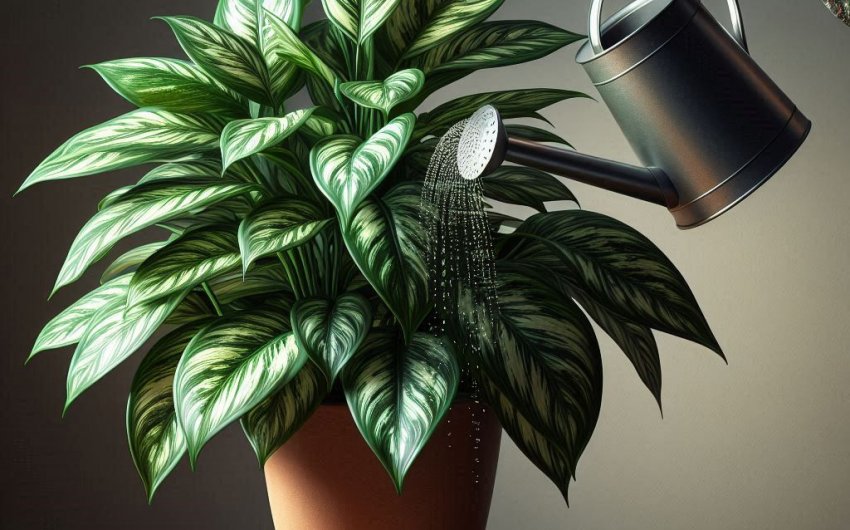
The Dumb Cane plant, scientifically known as Dieffenbachia, is a stunning houseplant cherished for its large, vibrant leaves that often feature intricate patterns of green, cream, and yellow. Its lush foliage can instantly bring a touch of the tropics indoors, making it a popular choice for both beginners and experienced plant enthusiasts. Despite its beauty, one of the most common questions and a significant source of plant parenting anxiety revolves around its watering needs. Getting the watering just right is crucial for the health and longevity of your Dumb Cane, as both overwatering and underwatering can lead to serious problems.
Understanding the unique requirements of your Dieffenbachia is key to helping it thrive. Unlike some plants that prefer constantly moist soil or those that can endure long periods of drought, the Dumb Cane has a particular sweet spot for hydration. This isn't a "set it and forget it" situation; rather, it requires a mindful approach, paying close attention to the plant's signals and the conditions of its environment. This guide will help you decipher the mysteries of how often should I water my Dumb Cane plant, providing practical tips and insights to ensure your beautiful foliage remains a vibrant centerpiece in your home.
How Often Should I Water My Dumb Cane Plant?
The golden rule for watering your Dumb Cane plant is simple: allow the top 1-2 inches of soil to dry out completely before watering again. There's no fixed schedule like "every Monday" because many things affect how quickly the soil dries. These include the temperature of your home, how much light your plant gets, the humidity levels, and even the size of its pot.
Think of it like this: your Dumb Cane likes its soil to be evenly moist, but it absolutely hates sitting in soggy, waterlogged conditions. Too much water, too often, is the number one killer of these beautiful plants. It leads to root rot, a fungal disease that suffocates the roots and causes the plant to decline rapidly.
So, instead of watering on a strict schedule, make it a habit to check the soil moisture regularly. You can do this by sticking your finger into the soil. If the top couple of inches feel dry to the touch, it's time to water. If it still feels damp, wait a day or two and check again. A soil moisture meter can also be a helpful tool for this, providing a more precise reading. You can find a good one like this XLUX Soil Moisture Meter.
When you do water, water thoroughly until you see water draining from the bottom of the pot. This ensures that the entire root ball gets a good drink. Always empty any excess water from the saucer underneath the pot. This prevents the roots from sitting in standing water. Remember, consistency in checking the soil, rather than following a rigid schedule, is the secret to a happy and healthy Dumb Cane.
Why Does Watering Too Often Hurt My Dumb Cane?
Watering your Dumb Cane plant too often is a common mistake that can seriously harm and even kill your plant. The main problem it causes is root rot.
Imagine your plant's roots. They need both water and oxygen to survive and work properly. When you water too frequently, the soil stays constantly saturated with water. This means there's no space for air, or oxygen, around the roots. The roots essentially "drown."
When roots don't get oxygen, they can't function. They start to weaken and die. Once the roots are dead, they become prime targets for harmful fungi and bacteria that live in the soil. These organisms thrive in wet, airless conditions and quickly cause the roots to rot away. This is what we call root rot.
A plant with root rot can't absorb water or nutrients, even if they are present in the soil. The roots are simply too damaged. This leads to symptoms above ground that can be confusing: yellowing leaves, wilting, and stunted growth. These are the same signs you might see if the plant isn't getting enough water! But in this case, the problem is too much water. The plant looks thirsty because its damaged roots can't drink.
So, the key is to let the soil dry out a bit between waterings. This allows the roots to breathe and prevents the conditions that lead to root rot. Good drainage from the pot is also super important. Make sure your pot has drain holes and that they aren't blocked. Using a well-draining potting mix like this Miracle-Gro Indoor Potting Mix also helps prevent root rot.
What Are the Signs of Overwatering My Dumb Cane?
Spotting the signs of overwatering in your Dumb Cane plant early can save it from serious damage. Since root rot happens below the soil, the plant shows its distress through its leaves and stems.
The most common sign of overwatering is yellowing leaves. This often starts with the lower leaves turning yellow, and then they might become soft and mushy before eventually dropping off. Unlike underwatering, where leaves usually turn crispy, overwatered leaves feel limp and soggy. The yellowing happens because the roots are struggling to take up nutrients and the leaves are essentially suffocating.
Another strong indicator is wilting, even though the soil is wet. This can be confusing because wilting usually means a plant needs water. But with overwatering, the roots are so damaged that they can't supply water to the rest of the plant, even if there's plenty in the soil. So, the plant "wilts" from lack of water absorption. You might also notice the stems feeling soft and mushy, especially at the base of the plant.
The soil itself will give you clues. If the soil remains soggy and wet for days after you've watered, or if it smells sour or musty, it's a clear sign of overwatering and poor drainage. This stagnant, anaerobic (without oxygen) condition is a breeding ground for harmful fungi that cause root rot.
In severe cases, you might see brown or black mushy spots on the stem near the soil line. This is a sign of advanced root and stem rot. If you gently pull the plant from its pot, the roots might look dark, soft, and smell rotten, rather than firm and white. If you catch these signs early, you might be able to save your Dumb Cane by allowing the soil to dry out completely, and potentially repotting it into fresh, dry soil after trimming away any rotten roots. A handy tool for carefully repotting is a Garden Trowel Set.
What Are the Signs of Underwatering My Dumb Cane?
While overwatering is a major threat to your Dumb Cane plant, underwatering can also cause significant stress. It's important to recognize the signs of dehydration so you can adjust your watering habits.
One of the first signs of an underwatered Dumb Cane is drooping or wilting leaves. The leaves will lose their firmness and start to sag downwards. They won't feel mushy like overwatered leaves, but rather limp and weak. This happens because the plant isn't getting enough water to keep its cells plump and firm, which is what gives the leaves their structure.
You might also notice the leaves turning crispy and brown, especially around the edges or tips. This browning often starts on the lower, older leaves first. Unlike the yellowing from overwatering, these brown spots will feel dry and brittle to the touch. In severe cases, entire leaves might turn brown and shrivel up.
The most obvious sign will be the soil itself. If you stick your finger into the soil and it feels bone dry several inches down, and perhaps even looks cracked, your plant is definitely thirsty. The pot might also feel noticeably lighter than usual if you lift it.
Another subtle sign might be slowed growth. If your Dumb Cane isn't putting out new leaves or growing as vigorously as it should, lack of consistent watering could be a factor. The plant conserves its resources when it's stressed by drought.
If you see these signs, it's time to give your Dumb Cane a good, thorough watering. Water slowly until water drains from the bottom of the pot. You might need to water in stages if the soil is extremely dry and compacted, as dry soil can repel water initially. After a good drink, the leaves should perk up within a few hours to a day. Consider a watering can with a long spout for precise watering, such as this Bonsai Watering Can.
What Factors Affect How Often My Dumb Cane Needs Water?
Understanding the factors that influence your Dumb Cane plant's water needs is crucial for becoming a successful plant parent. There isn't a fixed watering schedule because many things in your home environment can speed up or slow down how quickly the soil dries out.
One of the biggest factors is light levels. Plants in brighter light, especially direct sunlight, will use water much faster than plants in lower light conditions. More light means more photosynthesis, and that process uses more water. If your Dumb Cane is near a sunny window, it will likely need water more often than one tucked away in a shadier corner.
Temperature is another key player. In warmer rooms, water evaporates from the soil more quickly, and the plant's metabolism speeds up, making it drink more. During colder months or in a cooler room, the soil will dry out much slower, and your plant will need less frequent watering.
Humidity also impacts watering frequency. Dieffenbachia are tropical plants and prefer higher humidity. In a dry environment, like a heated home in winter, water will evaporate from the leaves (a process called transpiration) and from the soil much faster. If your air is very dry, your plant might need more frequent watering, and also benefit from misting or a humidifier like this LEVOIT Humidifier for Bedroom.
The size and type of pot matter greatly. Smaller pots dry out much faster than larger ones because there's less soil to hold moisture. The material of the pot also makes a difference: terracotta pots are porous and allow water to evaporate through their sides, so soil in them dries faster than in plastic or glazed ceramic pots. Always make sure your pot has drainage holes to prevent water from sitting at the bottom.
Finally, the type of soil you use plays a big role. A well-draining potting mix with good aeration (meaning it has plenty of tiny air pockets) will dry out faster than a dense, heavy soil mix that holds a lot of water. Good drainage is essential for preventing root rot. Using a specific Aroid Potting Mix is often recommended for Dumb Canes as they belong to the aroid family.
By paying attention to these factors, you can adjust your watering routine to perfectly match your Dumb Cane's needs, keeping it healthy and vibrant.
Does Pot Size and Material Matter?
Yes, pot size and material absolutely make a big difference in how often you should water your Dumb Cane plant. These two factors directly influence how quickly the soil dries out and how much air the roots receive.
Let's talk about pot size first. A plant in a pot that's too small will dry out very quickly because there isn't much soil to hold moisture. This means you'll have to water more often. On the other hand, if a plant is in a pot that's too large for its root system, the excess soil will hold onto water for too long. This creates a perpetually damp environment that can lead to root rot because the roots can't absorb all that moisture quickly enough. It's generally best to choose a pot that's only slightly larger than the plant's root ball when repotting, allowing for a season or two of growth before needing another size up.
Now, let's consider pot material. Terracotta pots (or unglazed clay pots) are porous. This means they "breathe" – water can evaporate not just from the top surface of the soil, but also through the sides of the pot. This makes the soil dry out faster than in other pot types. If you use a terracotta pot for your Dumb Cane, you will likely need to water it more frequently. They are excellent for preventing overwatering, but you need to be more diligent with checking the soil.
Plastic pots are non-porous. They do not allow water to evaporate through their sides, so the soil retains moisture for much longer. This means you will water less frequently compared to a terracotta pot of the same size. While convenient and lightweight, plastic pots require more careful monitoring of soil moisture to prevent overwatering, as the only way for water to leave is through the drainage holes or from the soil surface.
Glazed ceramic pots are similar to plastic pots in that they are non-porous and hold moisture for longer periods. They are often heavier and more decorative. Like plastic pots, they demand careful watering to avoid soggy soil conditions.
Regardless of the material, always ensure your pot has drainage holes at the bottom. This is non-negotiable for a Dumb Cane. A pot without drainage holes is a recipe for disaster and almost guarantees root rot. If your favorite decorative pot doesn't have holes, consider using it as a cachepot (a decorative outer pot) and keep your plant in a slightly smaller nursery pot with drainage holes inside. You can find a variety of decorative plant pots with drainage online, such as this Ceramic Plant Pot with Drainage Hole.
What Kind of Soil Does a Dumb Cane Need?
The kind of soil you use for your Dumb Cane plant is incredibly important for its watering needs and overall health. A good potting mix will provide the right balance of moisture retention and excellent drainage, which is exactly what these plants require.
Dumb Canes thrive in a well-draining, airy potting mix. This means the soil should be loose and chunky, not dense and compacted. When you water, the water should pass through fairly quickly, and the soil should not remain soggy for long periods. This allows air to reach the roots, which is vital for preventing root rot.
A good basic potting mix for a Dumb Cane often contains a blend of components. The base is usually peat moss or coco coir, which helps retain some moisture while still allowing for good drainage. To add aeration and improve drainage, ingredients like perlite and pine bark fines are often included. Perlite is small, white, lightweight volcanic glass that creates air pockets, and bark fines help keep the mix from compacting over time.
You can buy a ready-made indoor potting mix that's labeled for houseplants, but often these can be a bit too dense for Dieffenbachia. For best results, many experienced growers create their own mix or amend a store-bought one. A common simple recipe for Dieffenbachia is:
- 2 parts good quality indoor potting mix
- 1 part perlite
- 1 part orchid bark (or pine bark fines)
This kind of mix will provide the ideal balance. The peat or coco coir holds onto moisture for the plant, while the perlite and bark ensure that excess water drains away quickly and that there's plenty of air circulating around the roots. Using a proper soil mix like this FoxFarm Ocean Forest Potting Soil, possibly amended with extra perlite or bark, sets your Dumb Cane up for success.
Avoid using heavy garden soil or mixes designed for outdoor plants, as these are often too dense and retain too much water for container-grown houseplants. The right soil truly is the foundation for a healthy watering routine and a thriving Dumb Cane.
Should I Add Drainage Material to the Bottom of My Pot?
This is a common question, and the answer for your Dumb Cane plant (and most houseplants) is generally no, you should not add drainage material like pebbles, gravel, or broken pot shards to the bottom of your pot. While it seems logical to improve drainage, it actually does the opposite and can harm your plant.
Here's why: when you put a layer of drainage material at the bottom, it creates something called a perched water table. Water moves through soil by capillary action, much like how water soaks into a sponge. When water reaches a layer of different-sized particles (like the transition from potting mix to large pebbles), it tends to stop and "perch" in the finer soil layer directly above the coarse material.
This means that instead of draining out, the water collects and saturates the lower portion of your potting mix, right where your Dumb Cane's roots are. This creates a consistently soggy environment, which, as we've learned, is the perfect breeding ground for root rot. The roots sit in standing water, get deprived of oxygen, and begin to die.
The best way to ensure good drainage for your Dumb Cane is to use a pot with drainage holes and fill it entirely with a well-draining potting mix. This allows water to flow freely through the soil and out the bottom of the pot, preventing water from pooling around the roots. The potting mix itself, with its proper blend of moisture retention and aeration, is designed to provide the ideal conditions for your plant's roots.
So, instead of adding gravel to the bottom, focus on selecting the right pot with good drainage and using a high-quality, airy potting mix that drains well. This combination is all your Dumb Cane needs to have healthy roots and thrive. You can find excellent Potting Mix for Aroids that is specifically formulated for good drainage.
How Do I Water My Dumb Cane Correctly?
Watering your Dumb Cane plant correctly involves more than just pouring water into the pot. It’s about ensuring the plant gets a thorough drink without staying too wet, promoting healthy root development.
First, always check the soil moisture before you water. As discussed, stick your finger 1-2 inches deep into the soil. If it feels dry, it's time. If it still feels damp, wait. This is the most crucial step to avoid overwatering. A soil moisture meter like this Gouevn Soil Moisture Meter can provide an accurate reading and takes the guesswork out of it.
When you do water, water thoroughly. Pour water slowly over the entire surface of the soil, making sure it saturates the entire root ball. Continue watering until you see water draining out of the holes at the bottom of the pot. This is important because it ensures that moisture reaches all the roots, not just the ones at the top. If the soil is very dry, water might initially run straight through. If this happens, wait a few minutes and water again slowly until it absorbs properly.
Always empty the saucer or decorative pot after watering. Your Dumb Cane should never sit in standing water. Leaving the roots submerged in water for too long is the fastest way to cause root rot. After about 15-30 minutes, or once the draining stops, discard any excess water.
Consider the type of water you use. Dieffenbachia plants can be sensitive to chemicals found in tap water, particularly fluoride and chlorine. If you notice brown tips or edges on your leaves despite good watering practices, it could be due to tap water. Allowing tap water to sit out for 24 hours can help some of the chlorine dissipate. Even better, use filtered water, rainwater, or distilled water if possible. A Rain Barrel can collect natural rainwater for your plants.
Finally, think about bottom watering occasionally. This method involves placing the pot in a tray or sink filled with a few inches of water and allowing the plant to soak up water from the bottom drainage holes. Let it sit for 20-30 minutes, or until the top of the soil feels moist. This encourages deeper root growth and ensures the entire soil mass is hydrated. Just remember to remove the pot from the water and let any excess drain away completely before returning it to its spot.
What is the Best Time of Day to Water?
While the most critical factor for how often should I water my Dumb Cane plant is checking soil moisture, the time of day you water can also play a small role in its overall health, though it's less important than the "how much" and "when to check" aspects.
The best time of day to water your Dumb Cane, or most houseplants for that matter, is generally in the morning. Here's why:
Allows for proper drainage and drying: Watering in the morning gives the plant and the soil the entire day to absorb the water and for any excess moisture to evaporate. This helps prevent the soil from sitting wet overnight, which reduces the risk of root rot and fungal diseases. Fungi that cause root rot thrive in cool, damp, stagnant conditions.
Supports daily plant processes: Plants are most active photosynthetically during the day, using water to create energy. Providing water in the morning ensures they have the hydration they need as they start their daily work cycle.
While morning is ideal, if you forget or your plant shows signs of needing water later in the day, it's always better to water than to let it go thirsty. Just be extra mindful not to overdo it, especially if watering in the evening. If you water in the evening, make sure the pot drains very well and don't leave any standing water in the saucer overnight.
Avoid watering your Dumb Cane when the sun is directly hitting the leaves, especially if you've splashed water on the foliage. Water droplets can act like tiny magnifying glasses, intensifying the sun's rays and causing leaf scorch or burns. This is more of a concern for outdoor plants, but it can happen indoors if your plant is in a very sunny window.
Ultimately, the plant's needs as indicated by the soil moisture should always dictate your watering time. If the soil is dry, water it. If it's still damp, wait. The general recommendation for morning watering is a helpful guideline for optimal plant health.
What is the Ideal Humidity for My Dumb Cane?
The Dumb Cane plant is a tropical plant, and like many plants from humid environments, it truly thrives when there's enough moisture in the air. While it can adapt to average household humidity, providing the ideal level will make a big difference in its health and appearance.
The ideal humidity range for your Dieffenbachia is typically 60% to 70%. Most homes, especially during winter when heating systems are running, have much lower humidity, often around 30% to 40%. This drier air can cause stress for your Dumb Cane.
When the air is too dry, water evaporates more quickly from the plant's leaves through a process called transpiration. This can lead to the plant losing water faster than its roots can absorb it, even if the soil is properly watered. Signs of low humidity often include crispy brown leaf edges or tips, similar to underwatering. The leaves might also look duller and less vibrant.
There are several ways to increase humidity for your Dumb Cane:
Use a humidifier: This is the most effective and consistent way to boost humidity for your plant, especially if you have multiple tropical plants. A room humidifier can benefit both your plants and you, particularly during dry seasons. Consider a Warm and Cool Mist Humidifier.
Misting: Lightly misting the leaves with a fine spray of water a few times a week can provide a temporary boost of humidity. Use distilled or filtered water to prevent mineral spots on the leaves. While misting offers a quick fix, its effects are short-lived.
Pebble tray: Place the plant pot on a shallow tray filled with pebbles and water. Make sure the bottom of the pot is not sitting directly in the water, as this can still lead to root rot. As the water in the tray evaporates, it increases the humidity around the plant.
Group plants together: Plants naturally release moisture into the air. Grouping several humidity-loving plants together can create a small microclimate with slightly higher humidity.
By providing adequate humidity, you help your Dumb Cane retain moisture in its leaves, keeping them lush, vibrant, and free from crispy edges, thereby contributing to its overall well-being and reducing the stress that might be mistaken for watering issues.
Should I Adjust Watering for Seasons?
Yes, absolutely! You should definitely adjust your watering schedule for your Dumb Cane plant depending on the season. A fixed watering schedule all year round is a common mistake that can lead to problems. Your plant's needs change throughout the year, primarily due to variations in light, temperature, and growth.
During the growing season (typically spring and summer), your Dumb Cane is actively putting out new leaves and growing vigorously. It's usually getting more light and experiencing warmer temperatures. During this time, its metabolism is higher, and it uses water more quickly. You will likely need to water your Dumb Cane more frequently, perhaps every 7-10 days, or even more often depending on your specific conditions. Always remember to check the soil first!
During the dormant season (typically fall and winter), your Dumb Cane's growth slows down significantly. Light levels are usually lower, and temperatures in your home might be cooler. As a result, the plant uses much less water, and the soil dries out much more slowly. During these months, you will need to water less frequently, sometimes as little as every 2-3 weeks. Overwatering during dormancy is a major cause of root rot.
Think of it like this: your plant is less "thirsty" when it's resting. Giving it the same amount of water as when it's actively growing would be like forcing someone to drink a gallon of water when they only need a glass.
Always remember that the "finger test" (or using a moisture meter) is your best guide, regardless of the season. The seasonal adjustments are more about changing how often you perform that check rather than assuming a set number of days. For instance, in summer, you might check every few days, while in winter, you might only check once a week. Keeping a small Plant Care Logbook can help you track your watering patterns and notice seasonal changes.