
How Much Light Does a Parlor Palm Need?
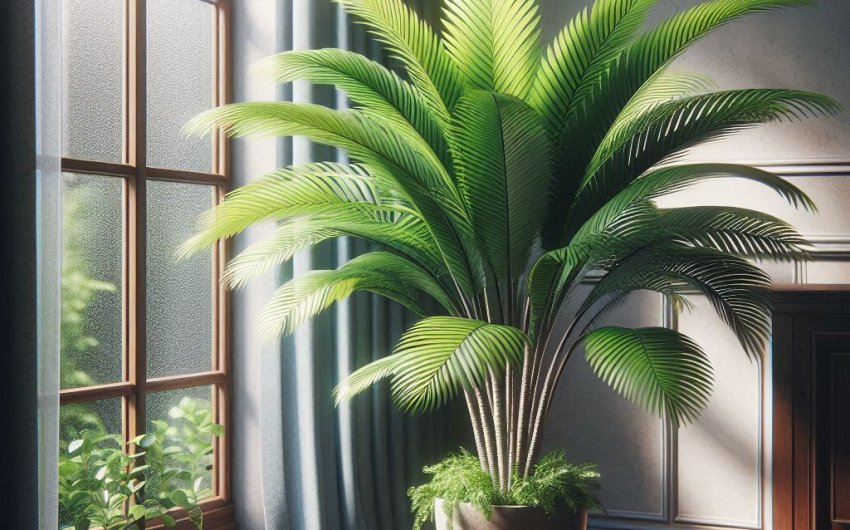
Bringing a touch of the tropics indoors often starts with a beautiful houseplant, and few are as graceful and enduring as the parlor palm, scientifically known as Chamaedorea elegans. With its elegant, feathery fronds and upright growth habit, it's a popular choice for adding greenery to homes and offices alike. This charming plant has earned its widespread appeal not just for its beauty, but also for its reputation as being relatively easy to care for, even for those new to indoor gardening. It's a plant that suggests a relaxed, green oasis, bringing a sense of calm and natural elegance to any room it inhabits.
However, like all living things, the parlor palm does have specific needs to truly thrive, and perhaps the most crucial of these is understanding its light requirements. Get the light right, and your parlor palm will reward you with vibrant green foliage and steady growth. Get it wrong, and you might see signs of stress, like yellowing leaves or stunted development. While it's often marketed as a low-light plant, there's a nuanced understanding of "low light" that's key to its success. We'll explore exactly what kind of illumination this sophisticated palm prefers, helping you find the perfect spot in your home for it to flourish and truly become a statement piece.
What Kind of Light Does a Parlor Palm Need?
What Does "Low Light" Really Mean for a Parlor Palm?
When people say a parlor palm is a "low light" plant, it doesn't mean it can live in a dark closet. Instead, "low light" for a parlor palm typically means it thrives in indirect light or filtered light. This is very different from direct, harsh sunlight. In its natural habitat in the rainforests of Mexico and Guatemala, the parlor palm grows as an understory plant. This means it lives beneath taller trees, which filter out most of the strong sunlight. It receives soft, dappled light, not direct beams. So, in your home, "low light" translates to a spot that is bright but doesn't receive direct sun hitting its leaves for long periods. Think of it as a brightly lit room, but away from a window where sunlight streams in directly.
Can a Parlor Palm Get Direct Sunlight?
No, a parlor palm should generally avoid direct sunlight. While a tiny bit of very weak morning sun (perhaps an hour or less) might be tolerable in some settings, prolonged direct sunlight, especially from a south or west-facing window, is very harmful to this plant. Remember, in its natural home, it's protected by the canopy of larger trees. Its delicate fronds are not designed to handle intense sun. Exposure to direct sunlight will quickly lead to sunburn, which appears as yellowing, browning, or crispy spots on the leaves. These burnt areas will not recover, and severe sunburn can weaken the plant, making it susceptible to other issues. Always aim for indirect light for your parlor palm.
What Is Bright Indirect Light?
Bright indirect light is the ideal lighting condition for a parlor palm. This means the plant is in a room that is well-lit, but the sunlight doesn't directly hit the plant's leaves. Think of a room with a large window, but the parlor palm is placed a few feet away from it, or near a window that faces north. The light is diffused, meaning it's spread out rather than coming in as a concentrated beam. You can also achieve bright indirect light by placing a sheer curtain over a sunny window to filter the light. This kind of light provides enough energy for the plant to perform photosynthesis (its way of making food) without the risk of scorching its delicate foliage.
How Much Light is Enough for a Parlor Palm?
For a parlor palm to thrive, it needs consistently sufficient light, specifically bright indirect light. This means a location where it receives light for most of the day, but that light is never direct or intense. A good way to gauge if the light is enough is if you can easily read a book in that spot without needing extra light. If a spot feels dim to you, it's likely too dim for a parlor palm, even though it's a "low light" plant. Too little light over time will lead to slow growth, smaller fronds, and eventually, the plant looking sickly or weak. It needs enough ambient light to keep its beautiful green color and maintain its healthy, bushy appearance.
What Are the Signs of Incorrect Lighting?
What Does Too Much Light Look Like?
If your parlor palm is getting too much light, the most obvious sign will be yellowing or browning fronds. This usually starts at the tips or edges of the leaves and can progress inward. The affected areas might look crispy or scorched. This is essentially sunburn. The once vibrant green leaves will lose their color and look washed out or faded. The plant's overall appearance will become stressed and unhealthy, and growth may slow down significantly or stop altogether. If you notice these symptoms, it's a clear signal that your parlor palm needs to be moved to a shadier location immediately to prevent further damage.
What Does Too Little Light Look Like?
When a parlor palm isn't getting enough light, it will also show signs of distress, though different from too much light. The most common symptoms of too little light include: Leggy growth: The stems will stretch out, looking long and spindly, as the plant tries to reach for more light. The fronds will be sparse. Lack of new growth: The plant might stop producing new fronds altogether, or any new growth will be very small and weak. Pale green color: The leaves might lose their deep green color and appear pale or yellowish-green, but without the crispy, burnt look of sun-scorch. This is because there isn't enough light for proper photosynthesis. Overall decline: Over time, the plant will look generally unwell and might start to drop its lower fronds more frequently. If you see these signs, it's time to move your parlor palm to a brighter, indirect light spot.
How Do I Tell the Difference Between Too Much and Too Little Water?
It can be tricky to tell the difference between watering problems and light problems, as some symptoms overlap. However, here's how to distinguish between too much light and too little water (both can cause browning): Too Much Light (Sunburn):
- Browning or yellowing on leaves, often starting at the tips or edges, looking dry and crispy.
- The plant is often placed near a sunny window or in a spot with direct sun exposure.
- The rest of the soil might still feel moist. Too Little Water (Underwatering):
- The entire plant might start to droop or wilt.
- Leaves might turn brown and crispy, often starting from the tips, but the browning usually progresses more evenly across the frond.
- The soil will feel bone dry when you stick your finger into it.
- The pot might feel very light when you lift it. If you're unsure, always check the soil moisture first. This is usually the quickest way to diagnose the problem. A moisture meter can also be helpful.
Where Is the Best Place to Put a Parlor Palm?
What Are Ideal Window Directions for a Parlor Palm?
When choosing a spot for your parlor palm, the direction of your windows is very important. North-facing windows: These are often ideal. They provide consistent, indirect light throughout the day, without any harsh direct sun. This gentle light mimics the palm's natural environment. East-facing windows: These can also be great. They receive soft morning sun, which is usually not intense enough to scorch the leaves. As long as the direct sun is only for a short period (1-2 hours) and relatively weak, a parlor palm can do well near an east-facing window. South-facing windows: These are usually too intense for parlor palms. If you only have south-facing windows, place the palm several feet away from the window, or use a sheer curtain or frosted window film to diffuse the light. West-facing windows: These also provide strong, hot afternoon sun, which is generally too harsh for parlor palms. Similar to south-facing windows, place the plant well away from the window or use a strong light filter.
How Far From a Window Should I Place It?
The distance you place your parlor palm from a window depends on the window's direction and intensity of light. For north-facing windows, you can often place the palm quite close, even within a foot or two, as the light is consistently indirect. For east-facing windows, you might place it 2-4 feet away from the window if it gets a couple of hours of weak morning sun. If the morning sun is stronger, move it further back. For south or west-facing windows, you'll need to place the palm much further away – often 5-10 feet or more – to ensure it only receives indirect light. Alternatively, use a sheer curtain to diffuse the light right at the window. The goal is always to avoid direct sun hitting the leaves. Observe your plant; if you see any signs of scorching, move it further away.
Can a Parlor Palm Grow in a Bathroom?
Yes, a parlor palm can be a great plant for a bathroom, provided the light conditions are met. Bathrooms often have higher humidity due to showers and baths, which is something parlor palms appreciate as they are tropical plants. However, the light is still the most critical factor. If your bathroom has a window that provides consistent bright indirect light (like a north or east-facing window, or a south/west window with diffused light), then it could be a perfect spot. If your bathroom is very dim with little to no natural light, then even the humidity won't be enough, and the plant will struggle. Always prioritize the light needs over humidity when choosing a spot.
Can a Parlor Palm Grow in an Office?
Parlor palms are very popular office plants and often do quite well in these environments. Offices typically have consistent indoor temperatures and are often well-lit by fluorescent lights, which can provide some supplemental light for the plant. The key consideration is still natural light. If the office has windows, position the palm where it receives bright indirect light, similar to a home setting. If the office has little to no natural light, a parlor palm can tolerate these conditions for a while, but it will eventually decline without sufficient light. In such cases, supplemental grow lights might be necessary to keep the plant truly healthy and thriving in the long run.
Can I Use Artificial Lights for My Parlor Palm?
What Are Grow Lights and How Do They Work?
Grow lights are artificial light sources designed to promote plant growth by mimicking the light spectrum that plants need for photosynthesis. Unlike regular household lights, which might not provide the right kind of light or enough intensity, grow lights are optimized for plants. They come in various types, including: Fluorescent lights: Often used for seedlings or plants with lower light needs. They are energy-efficient and don't produce much heat. LED grow lights: Very energy-efficient, long-lasting, and can be specifically tuned to provide the exact spectrum of light plants need. They come in many sizes and intensities. HID (High-Intensity Discharge) lights: These are powerful lights, usually used for large-scale growing or very high-light plants, not typically needed for parlor palms. Grow lights provide a consistent source of light, which can be very beneficial for parlor palms placed in dimly lit areas or during darker winter months. They work by delivering the specific wavelengths of light (primarily blue and red light) that plants use to produce energy. A common choice for houseplants like parlor palms is a full-spectrum LED grow light.
What Kind of Grow Light is Best for a Parlor Palm?
For a parlor palm, you don't need a super-powerful grow light. A low to medium intensity full-spectrum LED grow light is usually the best choice. Full-spectrum lights mimic natural sunlight, providing all the necessary wavelengths for healthy plant growth. LED lights are energy-efficient, don't produce much heat (which can stress the plant), and are long-lasting. You can choose a small LED grow light bulb to screw into a regular lamp or a compact LED light bar. Avoid very strong grow lights meant for high-light plants, as they could be too intense and mimic direct sun, leading to the same burning issues. The goal is to provide supplemental indirect light, not intense direct light. A clip-on LED grow light can be a convenient option.
How Far Away Should I Place a Grow Light?
The distance to place a grow light from your parlor palm depends on the specific grow light's intensity. As a general guideline for LED grow lights, you typically want to position them about 1 to 2 feet (30-60 cm) above the top of your parlor palm's foliage. If the light feels noticeably warm on your hand when held at plant level, it's too close. The goal is to provide supplemental, gentle light, not intense beams. If you notice any signs of leaf scorching or yellowing after introducing a grow light, move it further away. It's always better to start with the light a bit further away and gradually move it closer if the plant shows signs of needing more light (like leggy growth).
How Long Should a Grow Light Be On?
When using a grow light for your parlor palm, aim to provide light for about 10-12 hours per day. This simulates a typical daylight cycle. It's important to also give the plant a period of darkness (12-14 hours) because plants need dark periods for certain metabolic processes and to rest. Using an outlet timer is highly recommended for grow lights. This ensures a consistent light schedule without you having to remember to turn the light on and off every day. Consistency is key for healthy plant growth. During brighter seasons, you might reduce the grow light duration if your plant is getting more natural indirect light.
What Other Factors Affect a Parlor Palm's Health?
Why Is Humidity Important for Parlor Palms?
Humidity is very important for parlor palms because they are native to humid rainforest environments. In a typical indoor home, especially during winter months when heating systems dry out the air, humidity levels can drop significantly. Low humidity can cause the tips of your parlor palm's fronds to turn brown and crispy. While light is the most crucial factor, sufficient humidity contributes greatly to the overall health and appearance of the plant. You can increase humidity around your parlor palm by: Misting: Regularly misting the leaves with water (especially in the morning). A plant mister can make this easy. Pebble tray: Placing the pot on a tray filled with pebbles and water (making sure the bottom of the pot doesn't sit directly in the water). As the water evaporates, it increases local humidity. Humidifier: Using a room humidifier near the plant. This is the most effective method, especially in very dry environments. Grouping plants: Placing plants close together can also create a slightly more humid microclimate.
How Does Watering Affect Parlor Palms?
Watering is another critical aspect of parlor palm care. While they love humidity, they do not like their roots to sit in soggy soil. Overwatering is a common cause of parlor palm problems. Too much water can lead to root rot, which causes leaves to turn yellow and eventually the plant to die. On the other hand, underwatering will cause the fronds to droop and turn brown and crispy, similar to too much sun. The best approach is to water thoroughly when the top inch or two of the soil feels dry to the touch. Make sure the pot has drainage holes so excess water can escape. Allow the soil to dry out a bit between waterings. During winter months, when growth slows down, reduce watering frequency. A watering can with a long spout helps direct water.
What Kind of Soil Do Parlor Palms Need?
Parlor palms thrive in a well-draining potting mix. This is essential to prevent water from sitting around the roots, which can lead to root rot. A good potting mix for parlor palms typically includes components that promote drainage and aeration, such as: Peat moss or coco coir: These retain moisture while providing a good growing medium. Perlite or pumice: These help improve drainage and prevent compaction. Vermiculite: Can help with aeration and moisture retention. You can use a general-purpose houseplant potting mix as a base, but it's often beneficial to amend it by adding extra perlite (about 1 part perlite to 3-4 parts potting mix) to ensure superior drainage. Repotting into fresh, well-ddraining soil every few years also helps keep the plant healthy. A good quality houseplant potting mix formulated for palms or aroids is a great start.
Do Parlor Palms Need Fertilizer?
Parlor palms are not heavy feeders, but they do benefit from occasional fertilizer during their active growing season. This is typically in spring and summer. During the fall and winter, when growth slows down, you should stop fertilizing. Using a balanced liquid houseplant fertilizer, diluted to half the recommended strength, every 2-4 weeks during the growing season is usually sufficient. Look for a fertilizer with a balanced N-P-K ratio (like 5-5-5 or 10-10-10) or one specifically formulated for palms. Over-fertilizing can lead to salt buildup in the soil and burn the roots, so it's better to under-fertilize than over-fertilize. Always water the plant before fertilizing to prevent root burn. A houseplant fertilizer designed for foliage plants is a good choice.
How Does Temperature Affect Parlor Palms?
Temperature is another important factor for the health of your parlor palm. As tropical plants, they prefer consistent, warm temperatures. The ideal temperature range for a parlor palm is generally between 65°F and 80°F (18°C to 27°C). They can tolerate slightly cooler temperatures, down to around 50°F (10°C), but consistently cold drafts or temperatures below 45°F (7°C) can cause damage and stress. Avoid placing them near cold windows in winter, or near heating and air conditioning vents, which can cause sudden temperature fluctuations or blasts of hot or cold air. Stable, warm room temperatures will help your parlor palm thrive and maintain its lush appearance.
Do Parlor Palms Attract Pests?
While generally robust, parlor palms can occasionally attract certain pests, especially if the plant is stressed or conditions are not ideal (like very low humidity). The most common pests include: Spider mites: These tiny pests are almost invisible, but you'll notice fine webbing on the undersides of leaves and tiny yellow or brown spots on the fronds. They thrive in dry conditions. Mealybugs: These look like small, white, cottony masses, often found in leaf axils or on stems. Scale insects: These appear as small, immobile bumps (brown, black, or white) on stems and leaves. Regularly inspect your plant for any signs of pests. If you find them, you can often treat them with a cotton swab dipped in rubbing alcohol for mealybugs and scale, or with insecticidal soap or neem oil for spider mites and other general pests. Ensuring proper humidity and overall plant health makes your parlor palm less susceptible to pest infestations. A good insecticidal soap can be effective.