
How Often Should You Water a Monstera Deliciosa?
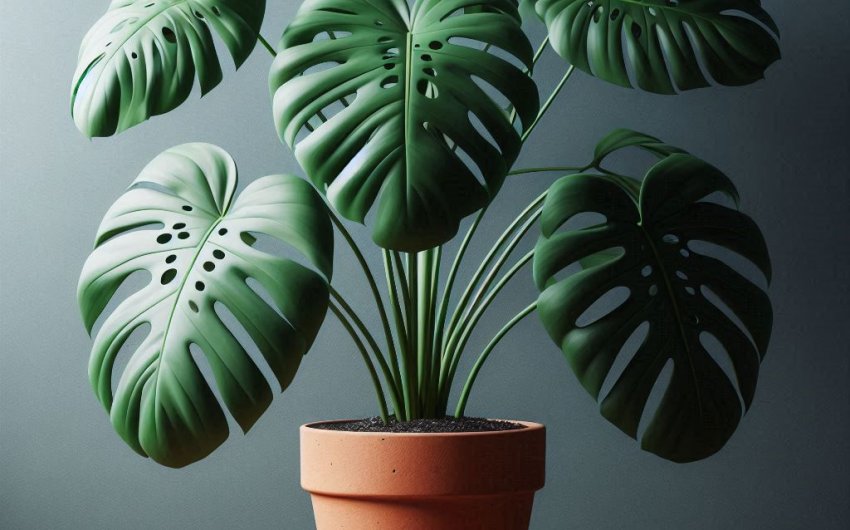
The Monstera deliciosa, with its iconic split leaves and tropical allure, has become a true superstar in the world of houseplants. Its striking foliage brings a lush, jungle-like vibe to any indoor space, making it a favorite for both seasoned plant enthusiasts and new green thumb adventurers. While generally considered easy-care, one of the most common questions, and often the biggest challenge, for Monstera owners revolves around watering: how often should you water a Monstera deliciosa? Getting this right is fundamental to its health, growth, and the development of those coveted fenestrations (splits).
The truth is, there isn't a single, rigid schedule that works for every Monstera. Factors like light, humidity, pot size, and potting mix all play a crucial role in how quickly your plant dries out. Understanding these variables and learning to read your Monstera's unique signals are key to mastering its hydration needs. This comprehensive guide will delve deep into the art and science of watering your Monstera deliciosa, providing you with the knowledge and practical tips to ensure your magnificent plant thrives and continues to display its full, leafy splendor.
Why Is Watering Crucial for Monstera Deliciosa?
How Does Proper Watering Affect Fenestrations?
Proper watering is surprisingly crucial for the development of Monstera deliciosa's iconic fenestrations (the natural splits and holes in its leaves). These unique features are a hallmark of a healthy, mature Monstera, and their appearance is directly tied to the plant's overall vigor.
- Optimal Hydration: For a Monstera to have the energy and resources to produce fenestrations, it needs optimal hydration. Consistent, but not excessive, moisture allows the cells to expand properly during leaf development.
- Cellular Expansion: The splits form naturally as the leaf expands. If the plant is underwatered or stressed by inconsistent watering during new leaf development, the cells may not expand fully or uniformly, potentially leading to fewer or less defined splits, or even just solid leaves.
- Overall Plant Health: Fenestrations are a sign of a very happy, thriving Monstera. A plant that is receiving the correct amount of water, light, and nutrients has the metabolic capacity to develop these complex leaf structures. Underwatering or overwatering will stress the plant, causing it to prioritize basic survival over the production of these "luxury" features.
- Preventing Stress: Consistent watering prevents the stress that can lead to smaller leaves, yellowing, or browning, all of which detract from the plant's ability to produce beautiful, split foliage.
Therefore, mastering your watering technique isn't just about survival; it's about unlocking your Monstera's full aesthetic potential.
What Happens to Monstera Deliciosa If Overwatered?
Overwatering is the number one killer of Monstera deliciosa (and most other houseplants). If your Monstera deliciosa is overwatered, a cascade of negative effects will occur, primarily due to root rot.
- Root Rot: When the potting mix stays constantly soggy, the roots are deprived of oxygen and begin to decompose. Healthy roots are essential for absorbing water and nutrients.
- Yellowing Leaves: Often the first visible sign. Leaves, typically starting with older, lower ones, will turn yellow, then sometimes brown. This happens because the rotting roots cannot absorb water and nutrients.
- Wilting/Drooping (despite moist soil): This is a classic, often confusing symptom. The plant is wilting because its roots are dying and can't transport water, even though the soil is saturated.
- Mushy Stems: The base of the stems may become soft, squishy, and discolored (dark brown or black). This indicates rot spreading from the roots upwards.
- Foul Smell: A musty, rotten, or sour smell emanating from the potting mix indicates anaerobic conditions and decomposition.
- Fungus Gnats: Tiny, black, flying insects often seen hovering around the plant, attracted to the moist, decaying organic matter in the soil.
- Stunted Growth: The plant will stop putting out new leaves, or new leaves will be very small and malformed.
If you suspect overwatering, immediate action is necessary to save your Monstera.
What Happens to Monstera Deliciosa If Underwatered?
While less immediately lethal than overwatering, underwatering can still significantly stress and damage your Monstera deliciosa.
- Wilting/Drooping: The most common and often first sign. Leaves will lose their turgor (water pressure) and appear limp and droopy.
- Crispy, Brown Edges/Tips: As dehydration progresses, the edges and tips of the leaves will turn brown and become dry and crispy. This can also affect entire leaves.
- Curled Leaves: Leaves may curl inwards to reduce surface area and conserve moisture.
- Slowed Growth/No New Growth: The plant will stop producing new leaves. Existing leaves might be smaller than usual.
- Dropping Leaves: In severe cases of prolonged underwatering, the plant may shed older, lower leaves to conserve resources.
- Dry, Compacted Soil: The potting mix will be bone dry throughout the pot, often pulling away from the sides.
- Pot feels light: The entire pot will feel significantly lighter than usual.
The good news is that Monstera often bounces back quickly after a thorough watering if caught in time. However, repeated severe underwatering can still lead to long-term stress and weakened health.
How Often Should You Water a Monstera Deliciosa? (The Art and Science)
What Is the "Finger Test" for Watering?
The "finger test" for watering is the simplest, most fundamental, and most reliable method for determining when to water your Monstera deliciosa. It takes the guesswork out of a rigid schedule.
- How it works: Simply insert your index finger (or a moisture meter) about 2-3 inches deep into the potting mix near the center of the pot.
- What it tells you:
- Dry to the touch: If the top 2-3 inches of soil feel dry to the touch, it's generally time to water. For Monstera, allowing this top layer to dry out helps prevent overwatering and root rot.
- Still moist: If the soil still feels moist or damp at that depth, wait a few more days and check again.
- Why it's effective: This method accounts for all the variables that influence soil drying speed: ambient temperature, humidity, light exposure, pot size, potting mix composition, and the Monstera's current growth rate.
Making the finger test a regular part of your Monstera care routine (e.g., once a week initially, then adjusting as you learn your plant) is key to successful watering.
How Does Pot Size and Material Affect Watering Frequency?
The pot size and material of your Monstera's container significantly affect watering frequency.
- Pot Size:
- Smaller pots: Dry out much faster than larger ones because there's less potting mix to hold moisture. A young Monstera in a small pot will need more frequent watering.
- Larger pots: Hold more potting mix, meaning they retain moisture for longer periods. A mature Monstera in a large pot will need less frequent watering, but when it does need water, it will need a greater volume.
- Pot Material:
- Terracotta/Unglazed Clay Pots: These pots are porous, meaning water can evaporate through the sides of the pot as well as from the top surface. This causes the potting mix to dry out faster. They are excellent for preventing overwatering but require more frequent watering.
- Plastic/Glazed Ceramic Pots: These materials are non-porous. Water can only evaporate from the top surface of the potting mix and through the drainage holes. This means the potting mix retains moisture for much longer. While good for reducing watering frequency, they increase the risk of overwatering if you're not careful with your watering amount and frequency.
- Self-Watering Planters: These have a reservoir at the bottom and can extend the time between waterings, perfect for busy professionals.
Always consider your pot when deciding how often to water. A Large Ceramic Planter with Drainage can add elegance.
What Role Do Light and Temperature Play in Watering Needs?
Light and temperature are major environmental factors that directly play a role in watering needs of your Monstera deliciosa.
- Light Exposure:
- Bright, Indirect Light: A Monstera in bright, indirect light will engage in more photosynthesis and transpiration, using up water more quickly. It will need more frequent watering.
- Low Light: In low light conditions, a Monstera's metabolic rate slows down. It will use water much more slowly, and therefore, will need less frequent watering. Too much watering in low light is a common cause of root rot.
- Direct Sun (avoid): While some direct morning sun is fine, prolonged direct afternoon sun will not only scorch the leaves but also dry out the soil extremely quickly, leading to rapid underwatering stress.
- Temperature:
- Warmer Temperatures: In warmer rooms or during summer months, water will evaporate from the potting mix faster, and the Monstera's metabolic rate will be higher, leading to increased water uptake. It will need more frequent watering.
- Cooler Temperatures: In cooler rooms or during winter months, the Monstera's growth slows down, and evaporation is reduced. It will need significantly less frequent watering. This is a common time for overwatering mistakes.
Always adjust your watering frequency based on the current light and temperature conditions of your Monstera's environment.
How Does Humidity and Air Circulation Influence Soil Drying?
Humidity and air circulation also significantly influence soil drying and thus your Monstera's watering needs.
- Humidity:
- Low Humidity: In dry indoor environments, water will evaporate more rapidly from both the leaves (transpiration) and the soil surface. Your Monstera will dry out faster and need more frequent watering.
- High Humidity: In humid environments, less water evaporates from the leaves and soil. Your Monstera will stay moist for longer and need less frequent watering. Monstera loves high humidity, so increasing it (e.g., with a humidifier or by grouping plants) is beneficial, but account for slower soil drying.
- Air Circulation:
- Good Air Circulation: A gentle breeze or good airflow helps evaporate moisture from the soil surface, leading to faster drying. This is generally good for preventing overwatering but means you might need to water more frequently.
- Poor Air Circulation: Stagnant air allows the soil to stay wet for longer, increasing the risk of overwatering and fungal issues like root rot.
Understanding these factors helps you refine your watering schedule beyond just the finger test. A Plant Humidifier for Houseplants can help maintain optimal humidity.
What Is the Right Way to Water a Monstera Deliciosa?
How to Water Thoroughly Until It Drains?
Watering thoroughly until it drains from the bottom of the pot is the gold standard for most houseplants, including Monstera deliciosa.
- Why it's important: It ensures that the entire root ball is saturated with water. If you only water lightly, only the top portion of the potting mix gets wet, leaving the lower roots dry and creating pockets of hydrophobic soil over time.
- The process:
- Place your Monstera's pot in a sink, bathtub, or on a saucer.
- Pour water slowly and evenly over the entire surface of the potting mix.
- Continue watering until you see water freely draining from the drainage holes at the bottom of the pot.
- Allow the pot to sit and drain for 15-20 minutes to ensure all excess water has fully exited the pot.
- Discard any remaining water in the saucer. Do not let your Monstera sit in standing water, as this will lead to overwatering and root rot.
- Warmth: Use room temperature or lukewarm water. Cold water can shock the roots.
This method guarantees your Monstera gets a complete drink when it's ready. A Watering Can with Long Spout helps direct water accurately.
What Is the Benefit of Bottom Watering?
Bottom watering is an excellent alternative or supplemental technique for watering your Monstera deliciosa, offering several benefits, especially for a plant that prefers slightly drier topsoil.
- How it works: Instead of pouring water from the top, you place the Monstera's pot (which must have drainage holes) into a larger container (a basin, tub, or large tray) filled with a few inches of water. The potting mix then wicks water up from the bottom through capillary action.
- Benefits:
- Thorough saturation: Ensures the entire root ball gets evenly moist, preventing dry pockets.
- Prevents fungus gnats: The top layer of soil stays drier, which deters fungus gnats from laying eggs.
- No mess: No water spilling over the pot rim onto your floor.
- Promotes deep roots: Encourages roots to grow downwards in search of moisture.
- Revives very dry soil: Excellent for rehydrating potting mix that has become extremely dry and hydrophobic (repels water).
- Process:
- Fill a basin with 1-2 inches of room-temperature water.
- Place the Monstera's pot in the basin.
- Allow it to soak for 30 minutes to an hour, or until the very top surface of the potting mix feels moist to the touch.
- Remove the pot and allow all excess water to drain completely from the drainage holes before placing it back.
Use bottom watering when the soil is very dry and you want to ensure thorough, gentle saturation.
How Does Proper Drainage Prevent Root Rot?
Proper drainage is non-negotiable for Monstera deliciosa and is the primary defense against root rot.
- Drainage Holes: Your pot absolutely must have drainage holes at the bottom. Without them, water will collect at the base of the pot, creating a perpetually soggy environment that suffocates roots.
- Well-Draining Potting Mix: Use a chunky, airy, well-draining potting mix specifically formulated for aroids or houseplants. A good mix for Monstera often includes:
- Coco coir or peat moss (for moisture retention)
- Perlite or pumice (for aeration and drainage)
- Orchid bark or coarse perlite (adds chunkiness and promotes aeration)
- Avoid Standing Water: Never let your Monstera's pot sit in standing water in its saucer for extended periods. Always discard excess water after watering.
- Benefits: Proper drainage allows oxygen to reach the roots after watering, which is essential for their health and nutrient uptake. It also prevents the anaerobic conditions that promote the fungi responsible for root rot.
If your Monstera pot lacks adequate drainage, or your potting mix is heavy and dense, you are essentially setting it up for failure, regardless of your watering frequency.
What Are Common Watering Mistakes and How to Fix Them?
How to Fix an Overwatered Monstera Deliciosa?
If you suspect your Monstera deliciosa is overwatered, acting quickly is crucial to save it.
- Stop Watering Immediately: Do not give it any more water.
- Remove from Pot: Gently slide the Monstera out of its pot.
- Inspect and Trim Roots: Carefully inspect the root ball. Healthy roots are firm and white or light tan. Rotted roots will be mushy, black or dark brown, and possibly smell foul. Using clean, sharp pruning shears, cut away all the rotted portions of the roots. Cut back to healthy, firm tissue.
- Remove Old Soil: Gently remove as much of the old, soggy potting mix from the root ball as possible, disturbing the roots minimally otherwise.
- Repot with Fresh, Dry Soil: Repot the Monstera into a clean pot (you can use the same pot if disinfected, or a new one of the same size or slightly smaller if a lot of roots were removed) filled with fresh, dry, well-draining potting mix.
- Do NOT Water Immediately: Do not water for several days to a week after repotting. This allows any trimmed or disturbed roots to "scab over" and heal before being exposed to moisture again, preventing further rot.
- Provide Bright, Indirect Light: Place the recovering Monstera in a location with bright, indirect light.
- Monitor Closely: When you resume watering, be extremely cautious. Allow the top 2-3 inches of soil to dry out completely before watering again. This might mean significantly less frequent watering than you were doing before.
A Plant Rescue Kit for Houseplants can have useful tools.
What to Do If My Monstera Is Underwatered?
Underwatered Monsteras are generally easier to fix than overwatered ones.
- Thorough Watering: The immediate solution is to water thoroughly. If the potting mix is extremely dry and has pulled away from the sides of the pot, water slowly and in stages to allow it to fully rehydrate. You might also opt for bottom watering (as described above) to ensure complete saturation.
- Inspect for Damage: After watering, check for any crispy, brown leaves or tips. These damaged parts will not recover their green color but can be left on the plant as long as they are not completely dead or unsightly.
- Adjust Future Watering: The key is to adjust your watering schedule to prevent future underwatering. Use the finger test more frequently, especially during warm, sunny periods.
- Consider Light and Temperature: If your Monstera is drying out too quickly, evaluate its light exposure and temperature. You might need to move it slightly out of intense direct sun, or if the room is consistently hot, increase your watering frequency.
- Check for Root-Bound Conditions: If your Monstera is consistently drying out very quickly despite adequate watering, check if it is root-bound. If so, it will need repotting into a slightly larger pot with fresh potting mix.
Underwatered Monsteras usually bounce back quite quickly after a good soak.
How Do I Prevent Future Watering Problems?
Preventing future watering problems with your Monstera deliciosa comes down to consistent observation and understanding its changing needs.
- Adopt the "Finger Test": Make the finger test your primary watering guide. Consistency with this method will prevent most issues.
- Consistent Schedule (Flexible): While not rigid, try to establish a general watering schedule (e.g., check once a week, then adjust). This helps you remember.
- Evaluate Environmental Factors: Regularly observe how light, temperature, and humidity in your home change with the seasons. Your Monstera will likely need more water in summer (active growth, warmer, brighter) and significantly less in winter (dormancy, cooler, darker).
- Monitor Plant Growth: A rapidly growing Monstera putting out many new leaves will use more water than a dormant or struggling one.
- Use the Right Pot and Potting Mix: Ensure your Monstera is in a pot with drainage holes and a chunky, well-draining aroid mix.
- Don't Guess: If you're unsure, it's generally better to wait an extra day than to overwater. Monsteras are more forgiving of being slightly dry than being constantly wet.
By mastering these practices, you'll ensure your Monstera stays hydrated and happy for years to come.