
What is the Best Soil for Fiddle Leaf Fig Plants?
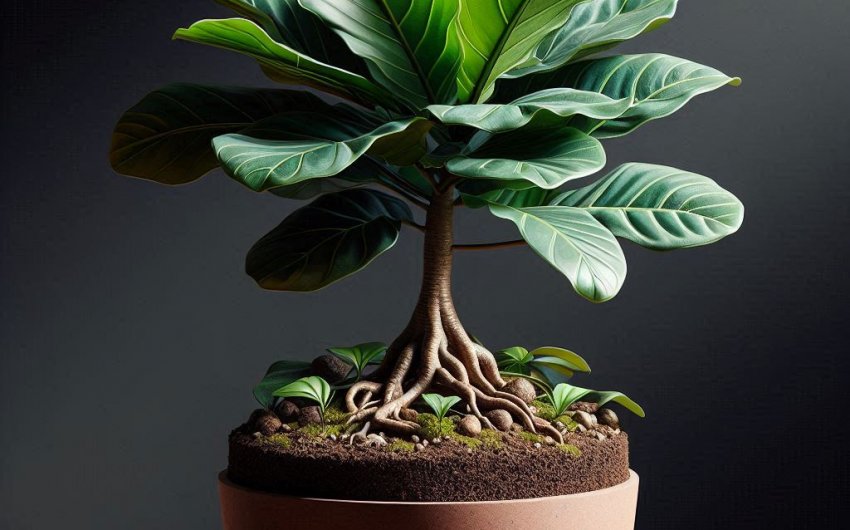
Few houseplants command attention quite like the Fiddle Leaf Fig (Ficus lyrata). With its towering stature and large, violin-shaped, glossy leaves, it has become a staple in modern interior design, transforming ordinary rooms into lush, vibrant spaces. Its majestic presence and striking foliage make it an undeniable statement piece, a living sculpture that brings a touch of the tropics indoors. However, along with its undeniable beauty comes a reputation for being somewhat "fussy" or challenging to care for, often leaving new plant parents scratching their heads when their beloved Fiddle Leaf starts to show signs of distress.
While many factors contribute to a Fiddle Leaf Fig's overall health – including light, watering, and humidity – one of the most foundational and often overlooked elements is the soil. The right soil provides the crucial balance of moisture, aeration, and nutrients that this majestic plant needs to truly thrive indoors. Getting the soil right is arguably the single most important step in demystifying Fiddle Leaf Fig care and unlocking its full potential. Let's delve into what constitutes the best soil for Fiddle Leaf Fig plants and how to ensure your green giant remains robust and beautiful.
What Makes Fiddle Leaf Fig Soil So Important?
For a Fiddle Leaf Fig, the soil is far more than just a medium to hold the plant upright. It is the lifeblood, providing critical functions that directly impact the plant's health, from water absorption to nutrient delivery. Understanding its importance is key to demystifying this plant's care.
Why Does Proper Drainage Matter So Much?
Proper drainage is arguably the most crucial factor for Fiddle Leaf Fig soil, mattering immensely more than many other houseplant considerations. Ignoring drainage is the quickest route to a dying plant.
- Root Rot Prevention: Fiddle Leaf Figs are highly susceptible to root rot. This fungal disease occurs when roots sit in constantly waterlogged soil, depriving them of oxygen and causing them to decay. Once root rot sets in, it's very difficult to reverse and often leads to plant death. Proper drainage ensures excess water quickly exits the pot, preventing waterlogged conditions.
- Oxygen for Roots: Roots, like the rest of the plant, need oxygen to survive and function properly. Well-draining soil creates air pockets that allow roots to "breathe" and absorb nutrients efficiently.
- Nutrient Uptake: When roots are healthy and oxygenated, they can better absorb the water and nutrients the plant needs for vigorous growth and vibrant leaves.
- Mimics Natural Habitat: In their native West African rainforests, Ficus lyrata often grow in soil that drains quickly after heavy rains, even if the overall environment is humid. They are not accustomed to constantly soggy feet.
Choosing a soil mix that drains quickly and thoroughly is the single most important way to prevent root rot and ensure the long-term health of your Fiddle Leaf Fig.
How Does Aeration Impact Root Health?
Aeration in Fiddle Leaf Fig soil goes hand-in-hand with drainage and is equally vital for root health. It refers to the presence of air pockets within the soil structure.
- Oxygen Supply: As mentioned, plant roots require oxygen for cellular respiration, the process that provides energy for root growth and nutrient absorption. Poorly aerated soil becomes dense and compacted, suffocating the roots.
- Preventing Compaction: Over time, standard potting mixes can compact, especially after repeated watering. This reduces air pockets. A well-aerated soil mix resists compaction, maintaining its loose structure.
- Microbial Activity: Good aeration also supports beneficial soil microorganisms that help break down organic matter and make nutrients available to the plant. These microbes also need oxygen.
- Root Growth: Roots need to push through the soil. Well-aerated, loose soil allows roots to grow more freely and deeply, anchoring the large plant and making it more stable and efficient at absorbing water.
A well-aerated soil mix provides the essential oxygen that Fiddle Leaf Fig roots need to remain healthy, functional, and resistant to disease.
Why is Nutrient Retention a Balancing Act?
For Fiddle Leaf Fig soil, nutrient retention is truly a balancing act that needs to be carefully managed alongside drainage and aeration. The goal is to hold onto enough nutrients for the plant without becoming overly dense or water-retentive.
- Organic Matter: Components like peat moss, coco coir, or well-decomposed compost are excellent at retaining both moisture and nutrients. They slowly release these nutrients as they break down, providing a steady supply to the plant.
- Avoiding Over-Retention: The challenge is that materials excellent at nutrient retention can also be excellent at water retention, leading to the dreaded soggy soil and root rot. The key is to incorporate them in moderation and balance them with large, well-draining components.
- Fertilization: Because extremely well-draining soils (which Fiddle Leaf Figs need) might leach nutrients out faster, regular but measured fertilization becomes even more important. The soil itself provides some initial nutrients, but the plant will need supplementation.
The ideal Fiddle Leaf Fig soil achieves a delicate balance: it drains quickly, provides ample aeration, yet still holds enough moisture and nutrients to keep the plant thriving between waterings.
1. Components of the Best Fiddle Leaf Fig Soil Mix
Creating the best soil mix for your Fiddle Leaf Fig involves combining specific components that each contribute to the ideal balance of drainage, aeration, and nutrient retention. It's often not just a single bagged product, but a custom blend.
What Role Does Standard Potting Soil Play?
Standard potting soil forms the base of many DIY Fiddle Leaf Fig mixes, but it rarely works well on its own. Its primary role is to provide the bulk of the organic material and some initial nutrients.
- Organic Matter: Most standard potting soils are peat- or coco coir-based, which means they are rich in organic matter. This organic content contributes to moisture retention and provides a substrate for microbial activity.
- Nutrients: Bagged potting soils often come with some added nutrients to support initial plant growth.
- Base for Amendments: Standard potting soil is too dense and water-retentive on its own for a Fiddle Leaf Fig. Its role is as a starting point to which you add various amendments to improve drainage and aeration dramatically.
Think of standard potting soil as the foundation, but it needs significant modification to meet the unique needs of a Fiddle Leaf Fig. A high-quality indoor potting mix can serve as your base.
Why is Perlite/Pumice Essential for Drainage?
Perlite or pumice are essential components in Fiddle Leaf Fig soil mixes because they are inorganic, lightweight, and provide crucial drainage and aeration without breaking down.
- Improved Drainage: Their porous, irregular structure creates numerous air pockets within the soil. When water is applied, it flows quickly around these particles, preventing the soil from becoming waterlogged.
- Enhanced Aeration: The air pockets provided by perlite or pumice ensure that oxygen can reach the roots, preventing root rot and supporting healthy root growth.
- Inert and Stable: Unlike organic materials, perlite and pumice do not decompose over time. This means they maintain their structure and continue to provide drainage and aeration for the long term. They also do not alter soil pH.
- Lightweight: They add very little weight to the potting mix, which is beneficial for large potted plants like Fiddle Leaf Figs that need to be moved.
When making your own mix, aim for 25-40% perlite or pumice in your total volume. A large bag of perlite is an essential purchase for Fiddle Leaf Fig owners.
What is the Benefit of Orchid Bark or Coco Coir Chunks?
Orchid bark (usually fir bark) or coco coir chunks are increasingly popular amendments in Fiddle Leaf Fig soil mixes because they provide excellent aeration, drainage, and a unique balance of moisture retention.
- Superior Aeration: Their chunky, irregular pieces create large air pockets that prevent compaction and ensure optimal oxygen supply to the roots.
- Excellent Drainage: Water flows very freely around these pieces, significantly improving the drainage of the overall mix.
- Moisture Management: Unlike purely inorganic components, bark and coir chunks can absorb some moisture and then slowly release it, providing a consistent, but not excessive, supply of water to the roots. This balance of holding moisture while draining quickly is perfect for Fiddle Leaf Figs.
- Slow Decomposition: While organic, they decompose slowly, maintaining their structural benefits over time.
- Mimics Natural Environment: Bark-based mixes can mimic the epiphytic (growing on other plants) or semi-epiphytic nature of some Ficus species in their native environments. A bag of orchid bark is a great amendment.
Incorporating orchid bark or coco coir chunks (aim for 20-30% of the mix) significantly enhances the overall quality and suitability of your Fiddle Leaf Fig soil.
Can Activated Charcoal or Worm Castings Be Added?
Adding activated charcoal or worm castings to your Fiddle Leaf Fig soil mix are optional but beneficial amendments that can enhance soil health and provide additional benefits.
- Activated Charcoal:
- Purity: Horticultural activated charcoal (not barbecue charcoal) can help to absorb impurities, odors, and toxins from the soil and water.
- Drainage/Aeration: It also contributes slightly to drainage and aeration due to its porous structure.
- Fungal Prevention: Some believe it can help reduce the incidence of fungal issues.
- Use: Add a small amount (5-10% of the mix). A bag of horticultural charcoal is specific for plants.
- Worm Castings:
- Nutrient Boost: Worm castings (worm "poop") are an excellent organic fertilizer and soil amendment. They slowly release a balanced array of macro- and micronutrients, promoting healthy growth.
- Microbial Life: They introduce beneficial microorganisms to the soil, enhancing soil health and nutrient cycling.
- Use: Add a small amount (5-10% of the mix) for a natural nutrient boost. A bag of organic worm castings is a fantastic amendment.
While not essential, these amendments can provide an extra boost to your Fiddle Leaf Fig's soil health.
2. DIY Fiddle Leaf Fig Soil Mix Recipes
Instead of relying solely on bagged mixes that might not be ideal, creating your own DIY Fiddle Leaf Fig soil mix allows you to tailor the blend precisely to your plant's needs and your local environment. Here are some popular and effective recipes.
What is a Basic Well-Draining Mix for Beginners?
For beginners looking to create a reliable well-draining mix for their Fiddle Leaf Fig, a simple two- or three-ingredient blend can be highly effective. This recipe prioritizes drainage and aeration above all else.
- Recipe:
- 2 parts (or 50%) Standard Indoor Potting Mix (peat or coco coir based, but not overly dense)
- 1 part (or 25%) Perlite or pumice
- 1 part (or 25%) Orchid Bark or coco coir chunks
- Mixing: Combine all ingredients thoroughly in a large bucket or on a tarp until evenly distributed.
- Characteristics: This mix will be visibly chunky and feel very light. When watered, water should drain rapidly from the bottom of the pot.
- Benefits: This basic mix drastically improves drainage compared to straight potting soil, significantly reducing the risk of root rot for novice Fiddle Leaf Fig owners. It provides good aeration and still retains enough moisture for the plant.
This beginner-friendly mix is a great starting point for ensuring your Fiddle Leaf Fig has the optimal root environment.
How to Create an Aroid Mix for Fiddle Leaf Figs?
An aroid mix is a type of chunky, well-draining potting medium often used for plants in the Araceae family (like Monsteras and Philodendrons), which share similar needs with Fiddle Leaf Figs for excellent drainage and aeration.
- Recipe:
- 1 part (or 33%) Standard Indoor Potting Mix (lightweight, peat/coir-based)
- 1 part (or 33%) Orchid Bark (medium to coarse grade)
- 1 part (or 33%) Perlite or pumice
- Mixing: Thoroughly combine all ingredients until uniform.
- Characteristics: This mix will be very chunky, airy, and extremely fast-draining.
- Benefits: It provides maximum aeration and drainage, making it almost impossible to overwater if your watering technique is correct. It's particularly good for those who tend to be heavy-handed with the watering can or live in humid environments. The Fiddle Leaf Fig roots will appreciate the abundant air flow.
- Consideration: Due to its extremely fast-draining nature, you may need to water your Fiddle Leaf Fig more frequently, especially during peak growing season or in dry indoor environments.
An aroid mix offers superior drainage and aeration, creating an excellent environment for Fiddle Leaf Fig roots.
What is a Semi-Hydroponic Option for Advanced Growers?
For advanced growers seeking ultimate control over moisture and nutrients, a semi-hydroponic option using LECA (Lightweight Expanded Clay Aggregate) is an innovative approach for Fiddle Leaf Figs. This is a soilless system where plants are grown in inert clay balls.
- Mechanism: LECA balls are porous, allowing them to absorb and wick water up to the plant roots while providing abundant aeration. The pot typically has a reservoir at the bottom, and the LECA wicks water upwards, keeping roots moist without being waterlogged. Nutrients are provided via a diluted liquid nutrient solution.
- Benefits:
- Precise Control: Allows for precise control over water and nutrient delivery, virtually eliminating the risk of root rot from overwatering in traditional soil.
- Excellent Aeration: Roots receive constant oxygen.
- Clean: No messy soil.
- Requirements:
- Specialized Pot: Requires a self-watering pot designed for semi-hydroponics or a regular pot set up with a reservoir.
- Nutrient Solution: You'll need to use a liquid hydroponic nutrient solution specifically designed for semi-hydroponics, as LECA contains no nutrients.
- Acclimation: Transitioning a soil-grown Fiddle Leaf Fig to LECA requires careful acclimation, often by washing off all soil from roots.
- Monitoring: Requires monitoring pH and nutrient levels in the water reservoir.
Semi-hydroponics is a very effective but more complex soil option for Fiddle Leaf Figs, suitable for experienced growers.
3. Potting and Repotting: Best Practices for Success
Even with the best soil mix, how you pot and repot your Fiddle Leaf Fig makes a significant difference. Following best practices ensures the soil performs optimally and the plant experiences minimal stress.
What is the Ideal Potting Material for Fiddle Leaf Figs?
The ideal potting material for Fiddle Leaf Figs should support proper drainage and allow for some airflow through the pot walls.
- Terracotta or Clay Pots: These are highly recommended. Unglazed terracotta pots are porous, allowing excess moisture to evaporate through their walls. This helps the soil dry out more quickly and prevents waterlogging, greatly reducing the risk of root rot. They also help regulate soil temperature. A large terracotta pot with drainage hole is an excellent choice.
- Plastic or Glazed Ceramic Pots (with caution): These are non-porous and do not allow water to evaporate through their walls. If using these, you must be extra vigilant with your watering and ensure your potting mix is extremely well-draining. While lighter, they can lead to overwatering issues if not managed correctly.
- Drainage Holes are Non-Negotiable: Regardless of the material, the most important feature is sufficient drainage holes at the bottom of the pot. Never plant a Fiddle Leaf Fig in a container without drainage holes. If you want to use a decorative pot without holes, place the plant (in its nursery pot with drainage) inside the decorative pot (cachepot).
The right potting material complements the ideal soil mix, ensuring optimal moisture conditions for your Fiddle Leaf Fig.
How Often Should Fiddle Leaf Figs Be Repotted?
Fiddle Leaf Figs generally have a vigorous root system and will need to be repotting periodically, but the frequency depends on their growth rate and size.
- Frequency: For young, actively growing Fiddle Leaf Figs, repotting might be needed every 1-2 years. More mature plants, or those whose growth has slowed, might only need repotting every 2-3 years, or when they show signs of being root-bound.
- Signs It's Time to Repot:
- Roots Circling/Growing Out of Drainage Holes: This is the clearest sign that the plant has outgrown its pot and its roots are becoming constricted.
- Stunted Growth: If the plant's growth seems to have significantly slowed or stopped despite good light and watering.
- Water Runs Straight Through: If water quickly drains from the pot without seeming to saturate the soil, indicating a dense root ball has displaced too much soil.
- Plant Becomes Top-Heavy/Unstable: If the plant's canopy is much larger than its pot, making it prone to tipping.
- Avoid Over-Repotting: Don't repot unnecessarily. It can stress the plant.
Knowing when to repot is key to providing continuous healthy growth for your Fiddle Leaf Fig.
What is the Correct Repotting Process for Fiddle Leaf Figs?
The correct repotting process for Fiddle Leaf Figs involves minimizing stress and providing a fresh, optimal environment.
- Timing: The best time to repot is in spring or early summer, during the plant's active growing season.
- Choose the Right Pot Size: Select a new pot that is only one size larger (e.g., from a 10-inch to a 12-inch diameter pot) than the current one. Using a pot that is too large can lead to excess soil staying wet for too long, increasing the risk of overwatering and root rot.
- Prepare the Pot and Mix: Ensure the new pot has drainage holes. Fill the bottom with a layer of your chosen well-draining Fiddle Leaf Fig soil mix.
- Remove the Plant: Gently tip the existing pot on its side and carefully slide the plant out, supporting the base of the trunk. Avoid pulling it by the trunk forcefully. If roots are stuck, you might need to use a knife along the inside edge of the pot.
- Inspect and Loosen Roots: Gently inspect the root ball. If roots are circling tightly, you can gently tease them apart or make a few vertical cuts with a clean knife to encourage outward growth. Remove any mushy or dark, rotted roots.
- Planting: Place the Fiddle Leaf Fig in the new pot at roughly the same depth it was previously growing. Fill around the root ball with fresh potting mix, gently tamping it down to remove large air pockets. Leave about an inch of space from the top of the pot for watering.
- Watering After Repotting: Do not water immediately after repotting. Wait for about one week. This allows any minor root damage to heal and reduces the risk of root rot in the fresh, moist soil. After a week, water thoroughly.
Following this correct repotting process minimizes shock and sets your Fiddle Leaf Fig up for continued thriving.
4. Soil pH and Nutrients: Feeding for Robust Growth
Beyond physical structure, the soil's pH and nutrient content are vital for a Fiddle Leaf Fig's robust growth. Ensuring proper feeding and pH balance helps prevent nutrient deficiencies that can lead to yellowing leaves or stunted growth.
What is the Ideal Soil pH for Fiddle Leaf Figs?
The ideal soil pH for Fiddle Leaf Figs is slightly acidic, generally ranging between (pH 6.0) and (pH 7.0), leaning towards the acidic side (around 6.5).
- Nutrient Availability: Most essential plant nutrients are most available to the plant roots within this slightly acidic range. If the pH is too high (alkaline) or too low (very acidic), certain nutrients can become "locked up" in the soil, making them unavailable to the plant even if they are present. This can lead to nutrient deficiencies.
- Testing pH: You can test your soil pH using a soil pH meter or a simple soil test kit.
- Adjusting pH (for soil mixes):
- To Lower pH: If your soil mix is too alkaline (rare for bagged mixes), you can incorporate a small amount of peat moss or elemental sulfur.
- To Raise pH: If too acidic, add a tiny bit of dolomitic lime.
- Water pH: Be aware that the pH of your tap water can also affect soil pH over time. If your tap water is very alkaline, consider using filtered water or letting tap water sit out for 24 hours to off-gas chlorine.
Maintaining the ideal soil pH ensures your Fiddle Leaf Fig can effectively absorb all the nutrients it needs.
How to Fertilize a Fiddle Leaf Fig for Optimal Health?
Fertilizing a Fiddle Leaf Fig is crucial for optimal health and robust growth, especially since their fast-draining soil mixes can leach nutrients more quickly.
- Timing: Fertilize only during the active growing season, which is typically spring and summer. This is when the plant is actively putting out new growth and can utilize the nutrients. Do not fertilize in fall or winter when growth slows, as this can lead to salt buildup and fertilizer burn.
- Fertilizer Type: Use a balanced liquid houseplant fertilizer specifically formulated for Ficus plants or leafy green plants. Look for an NPK ratio where Nitrogen (N) is slightly higher, like 3-1-2 or 9-3-6. A Fiddle Leaf Fig specific fertilizer often has this ratio.
- Dilution: Always dilute the fertilizer to half or even quarter strength, especially for young plants or new repottings. Over-fertilizing can cause fertilizer burn (browning leaf tips/edges) and can actually stress the plant.
- Frequency: Fertilize every 2-4 weeks during the growing season.
- Apply to Moist Soil: Always apply fertilizer to moist soil, never dry soil. This prevents root burn.
Proper fertilization provides the necessary nutrients to fuel the majestic growth of your Fiddle Leaf Fig.
What are the Signs of Nutrient Deficiencies in Fiddle Leaf Figs?
Recognizing the signs of nutrient deficiencies in your Fiddle Leaf Fig is important for timely intervention and preventing long-term health issues.
- Yellowing Leaves (Chlorosis):
- General Yellowing of Older Leaves: Often indicates a nitrogen deficiency, as the plant moves nitrogen from old to new growth.
- Yellowing Between Veins (Interveinal Chlorosis): If the leaf veins remain green but the tissue between them yellows, it could indicate iron or magnesium deficiency. Iron deficiency usually affects new leaves first, while magnesium affects older leaves.
- Stunted Growth: Overall slow or stopped growth can be a sign of a general lack of nutrients.
- Small, Pale New Leaves: New leaves emerging smaller and lighter in color than usual might point to a deficiency.
- Browning/Crisping (Fertilizer Burn): While a deficiency is a lack, too much fertilizer (nutrient excess) also causes damage. This presents as yellowing, browning, and crisping of leaf tips and edges, often with leaves curling downward.
If you suspect a nutrient deficiency, first review your fertilization schedule and soil pH. A soil test can confirm specific deficiencies.
5. Troubleshooting Soil-Related Problems
Despite your best efforts, soil-related problems can still arise with Fiddle Leaf Figs. Understanding these common issues and their troubleshooting solutions is crucial for keeping your plant healthy.
Why Do Fiddle Leaf Figs Get Root Rot?
Root rot is the most common and dangerous problem for Fiddle Leaf Figs, almost always caused by overwatering in poorly draining soil.
- Causes:
- Overwatering: Watering too frequently, or applying too much water for the soil to drain.
- Poor Drainage: Using a pot without drainage holes, or a heavy, dense potting mix that retains too much moisture.
- Too Large Pot: Repotting into a pot that is too large means there's too much soil for the roots to absorb water, leading to the soil staying wet for too long.
- Symptoms:
- Mushy, Black Stems: The most definitive sign is the base of the trunk or lower stems turning soft, black, and mushy.
- Sudden Leaf Drop: Leaves (often yellowed or with dark spots) drop suddenly and rapidly.
- Foul Odor: The soil might smell sour or rotten.
- Wilting: The plant may appear wilted even though the soil is wet.
- Solutions:
- Immediate Action: Act quickly! Stop watering.
- Inspect Roots: Unpot the plant. Gently remove all old soil. Inspect roots: healthy roots are firm and white/tan; rotted roots are black, mushy, and smelly.
- Prune Rot: With clean, sharp, sterile shears, cut away all affected (mushy/black) roots and any part of the stem that is soft, cutting back to firm, healthy tissue.
- Replant in Dry Mix: Repot the plant (or the remaining healthy sections) into a new, clean pot (or cleaned old pot) with fresh, bone-dry, well-draining Fiddle Leaf Fig soil mix.
- Delay Watering: Do not water for at least a week (or longer if extensive root pruning was done) to allow cut surfaces to callus.
Preventing root rot through proper watering and soil is the number one key to Fiddle Leaf Fig health.
How to Fix Compacted Soil in Fiddle Leaf Fig Pots?
Compacted soil occurs when the potting mix becomes dense and loses its air pockets, hindering root growth and drainage. This often happens over time with standard potting mixes.
- Signs:
- Slow Drainage: Water pools on the surface and drains very slowly.
- Hardened Soil Surface: The top layer of soil becomes very hard and compacted.
- Stunted Growth: Roots can't penetrate, impacting nutrient and water uptake.
- Causes:
- Using Too Dense a Potting Mix: Not enough perlite/bark.
- Repeated Watering Over Time: Fine soil particles settle and compact.
- Bottom Watering Only: While useful, if not occasionally top-watered, surface soil can become very dry and hard.
- Solutions:
- Aeration (Small Scale): Gently poke holes in the soil with a chopstick or thin dowel to break up compaction and allow air and water in. Do this carefully to avoid root damage.
- Top-Dressing: Apply a thin layer of fresh, chunky, well-aerated potting mix on top of the existing soil.
- Repotting: For severe compaction, repotting with a fresh, well-draining Fiddle Leaf Fig soil mix is the best long-term solution. When repotting, gently loosen the old, compacted soil from the root ball.
- Avoid Compacting During Repotting: Don't pack the soil down too tightly when repotting; a gentle tap of the pot helps settle it.
Addressing compacted soil ensures your Fiddle Leaf Fig's roots can breathe and function optimally.
What to Do If Your Fiddle Leaf Fig is Wilting After Watering?
If your Fiddle Leaf Fig is wilting after watering, it's a confusing symptom that almost always points to root rot or severe underwatering that has damaged roots.
- Scenario 1: Root Rot (Most Common if soil is wet): If you just watered, and the soil is staying wet, but the plant is wilting, it's a classic sign of root rot. The roots are literally dying and cannot absorb the water, causing the plant to suffer from physiological drought.
- Solution: Immediately follow the steps for root rot treatment: unpot, inspect and prune roots, repot in fresh dry soil, and delay next watering.
- Scenario 2: Severe Underwatering (if soil was bone dry): If the plant was severely underwatered for a long time, its roots might have died back. Even after watering, the damaged roots can't properly absorb moisture.
- Solution: Water thoroughly, allow excess to drain. Continue to monitor soil and water when the top few inches are dry. The plant might take some time to recover, or it might drop leaves.
Wilting after watering is a critical distress signal from your Fiddle Leaf Fig, often indicating a serious issue with its soil and root health.