
Is the Snake Plant Good for Indoor Air Quality?
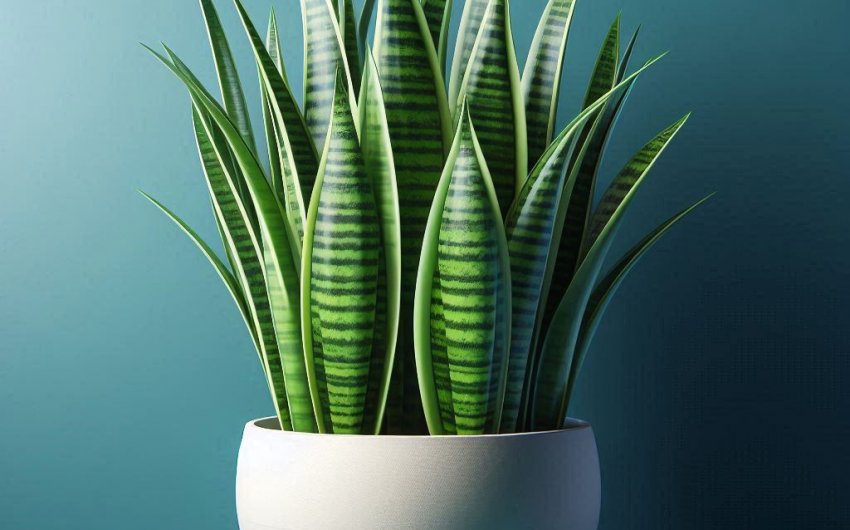
In our modern homes, we often fill our spaces with furniture, electronics, and various everyday products. While convenient, many of these items can slowly release invisible chemicals into the air we breathe. This leads to what's known as poor indoor air quality, a silent issue that can sometimes affect our health and well-being. Finding natural ways to improve the air inside our homes has become a growing concern, and for many, houseplants have emerged as a beautiful and practical solution. They add a touch of nature, bring life to a room, and are often touted as natural air purifiers.
Among the vast array of houseplants, one stands out for its striking appearance and reputation for being nearly indestructible: the Snake Plant. Also known as Sansevieria trifasciata or Mother-in-Law's Tongue, this resilient plant with its upright, sword-like leaves has graced homes for decades. Beyond its architectural beauty and incredibly low-maintenance nature, the Snake Plant has gained a particular fame for its alleged ability to clean the air, even at night. But how much truth is there to these claims? Can this common houseplant truly make a significant difference to the air quality in your home?
This guide will delve deep into the science behind the Snake Plant's air-purifying abilities. We'll explore the research that sparked this fame, understand the specific pollutants it's said to target, and discuss what realistic expectations you should have. We'll also cover the practical aspects of caring for a Snake Plant, ensuring it stays healthy while contributing to a fresher indoor environment. Get ready to uncover the full story of the Snake Plant and its role in creating a healthier, more beautiful home.
What is Indoor Air Quality and Why Does It Matter?
Before discussing if the Snake Plant can help, it's important to understand what indoor air quality (IAQ) means and why it's a topic of concern for our health.
What Are Common Indoor Air Pollutants?
Our homes, while providing shelter, can accumulate various indoor air pollutants. These are often invisible gases or particles that come from common household items and activities. Some of the most common ones include:
- Formaldehyde: Found in many building materials, furniture (especially pressed wood products like particleboard and plywood), paints, varnishes, and some cleaning products. It's known for causing eye, nose, and throat irritation.
- Benzene: Released from plastics, synthetic fibers, dyes, rubber, lubricants, and some detergents. Often found in glues, paints, and furniture waxes. It can irritate eyes and skin.
- Trichloroethylene (TCE): Used in dry cleaning, printing inks, paints, lacquers, and adhesives. It's a strong solvent that can cause dizziness and nausea.
- Xylene: Found in rubber, leather, printing, and paint industries. Also present in vehicle exhaust. It can cause headaches and dizziness.
- Toluene: Similar sources to xylene, found in paints, adhesives, and cleaning products. It can also cause headaches and dizziness. These chemicals, collectively known as Volatile Organic Compounds (VOCs), off-gas (release into the air) over time, particularly when new.
Where Do These Pollutants Come From?
These pollutants come from a variety of everyday sources within our homes:
- Building materials: New carpets, paint, wallpaper, insulation, plywood, particleboard.
- Furniture: Upholstery, foam, glues in manufactured wood.
- Cleaning products: Aerosol sprays, disinfectants, air fresheners.
- Personal care products: Cosmetics, nail polish, hairsprays.
- Hobbies and crafts: Glues, paints, solvents.
- Burning fuels: Gas stoves, fireplaces, candles.
- Outdoor air: Pollutants from traffic or industry can enter homes. Because modern homes are often more tightly sealed for energy efficiency, these pollutants can accumulate indoors, leading to higher concentrations than outdoor air.
Why Is Good Indoor Air Quality Important?
Good indoor air quality is crucial for our health and well-being.
- Respiratory health: Poor IAQ can trigger or worsen asthma, allergies, and other respiratory problems.
- General discomfort: Symptoms like headaches, dizziness, nausea, fatigue, and irritation of the eyes, nose, and throat are often linked to poor IAQ.
- Long-term health risks: Prolonged exposure to high levels of certain VOCs has been linked to more serious health issues over time. Given that most people spend a significant amount of time indoors, especially at home, maintaining good indoor air quality is vital for a healthy living environment.
Can Plants Really Make a Difference in Air Quality?
The idea that plants can clean the air gained significant public attention due to a NASA Clean Air Study conducted in the late 1980s. This study found that certain common houseplants could remove significant amounts of airborne toxins in a closed, controlled environment. This research sparked widespread enthusiasm for using houseplants as natural air purifiers. However, it's important to understand the context of this study and what it means for a typical home environment.
The NASA Clean Air Study and the Snake Plant
The NASA Clean Air Study is often cited when discussing the Snake Plant's air-purifying abilities. It's vital to understand the specifics of this groundbreaking research.
What Was the NASA Clean Air Study?
The NASA Clean Air Study was conducted in 1989 by Dr. B.C. Wolverton for the National Aeronautics and Space Administration. Its primary goal was to find ways to purify the air in sealed spacecraft and future space stations, where astronauts would be living in a completely enclosed environment with recycled air. The study specifically investigated how common houseplants could remove airborne Volatile Organic Compounds (VOCs).
What Did the Study Find About the Snake Plant?
The Snake Plant (Sansevieria trifasciata) was one of the plants included in the NASA study, and it performed quite well under the specific conditions of the experiment. The study found that the Snake Plant was effective at removing several key pollutants:
- Formaldehyde
- Benzene
- Trichloroethylene (TCE)
- Xylene
- Toluene This led to the Snake Plant being highlighted as a powerful air purifier.
What Were the Conditions of the NASA Study?
This is a critical point. The NASA study was conducted in sealed chambers (small, airtight rooms).
- High pollutant concentrations: The chambers had much higher concentrations of pollutants than typically found in a home.
- No air exchange: There was no fresh air coming in or out, making the plants the primary method of air filtration.
- Ideal plant conditions: The plants were grown under optimal conditions for their health and air purification abilities. These controlled, extreme conditions are very different from a typical home environment, which has constant air exchange (through open windows, doors, cracks, and ventilation systems) and lower pollutant levels.
What Are the Real-World Limitations?
While the NASA study was significant for proving plants can absorb VOCs, there are real-world limitations when applying its findings to your home:
- Number of plants needed: For a plant to significantly impact air quality in a typical room, you would need an impractically large number of plants. Experts suggest you might need 10-100 plants per square meter to achieve filtration rates similar to a HEPA filter or ventilation system.
- Air exchange: Homes are not sealed chambers. Air exchange (even through tiny cracks) constantly dilutes pollutants, often more effectively than a few houseplants can.
- Pollutant source vs. absorption: Plants primarily absorb airborne chemicals through their leaves and then some are broken down by microorganisms in the soil. However, the continuous off-gassing from furniture, paints, etc., means plants are fighting a constant battle. So, while a Snake Plant can filter air, its practical impact on indoor air quality in a standard home is likely to be quite small compared to good ventilation or specialized air purifiers.
Does the Snake Plant Clean Air at Night?
The Snake Plant has a unique type of photosynthesis called Crassulacean Acid Metabolism (CAM). Most plants take in carbon dioxide (CO2) during the day. CAM plants, however, open their stomata (tiny pores on leaves) at night to take in CO2 and release oxygen, closing them during the hot day to conserve water. This means the Snake Plant continues its air purification activities (taking in CO2 and releasing O2) even when it's dark, unlike most other plants. While this is a cool feature, it still doesn't change the overall real-world impact on airborne chemical pollutants in a typical home. A healthy Snake Plant will contribute to your home environment.
What Are the Real Benefits of Having a Snake Plant?
Even if the Snake Plant's air-purifying superpowers are a bit overhyped for everyday home use, it still offers a wealth of real and tangible benefits that make it an excellent houseplant choice.
What is Their Low Maintenance Appeal?
The Snake Plant's legendary low maintenance is perhaps its greatest true benefit.
- Tolerates neglect: It's incredibly forgiving if you forget to water it. In fact, overwatering is its biggest killer.
- Adapts to light: While it prefers bright, indirect light, it can tolerate very low light conditions, making it suitable for almost any room.
- Pest resistant: It's generally not prone to common houseplant pests. This makes it perfect for busy individuals, beginners, or those who travel frequently. It's hard to kill a Snake Plant!
Do They Offer Aesthetic and Design Benefits?
Absolutely. The Snake Plant's aesthetic appeal is undeniable.
- Striking form: Its tall, upright, sword-like leaves create a strong vertical element that adds architectural interest to any room.
- Variety of patterns: Leaves come in various shades of green, often variegated with yellow, cream, or silver stripes and margins, adding visual texture and color.
- Modern and minimalist: Its clean lines fit perfectly with modern, minimalist, or contemporary decor styles.
- Versatile: It looks great as a floor plant, on a stand, or as part of a plant grouping. It's a living piece of art that enhances your home's decor. You can choose a variety like a Sansevieria Cylindrica for a unique look.
How Do They Help Oxygen Production?
Like all plants, Snake Plants produce oxygen during photosynthesis. While the amount of oxygen from a single houseplant won't dramatically change the oxygen levels in a whole room, it does contribute to the overall indoor atmosphere. The unique CAM photosynthesis of Snake Plants means they release oxygen at night, which is a neat bonus compared to most plants.
What Are the Mental Well-being Benefits?
Having plants in your home, including a Snake Plant, offers significant mental well-being benefits:
- Stress reduction: Being surrounded by nature, even indoors, has been shown to reduce stress and anxiety.
- Improved mood: The presence of plants can boost mood and create a more positive atmosphere.
- Increased focus: Some studies suggest that plants can improve concentration and productivity.
- Connection to nature: For those living in urban environments, houseplants provide a vital connection to the natural world. Caring for a plant can also be a calming, meditative activity.
How Do They Add Humidity?
Plants naturally release moisture into the air through a process called transpiration. While one Snake Plant won't turn your home into a rainforest, a collection of plants can contribute to increasing indoor humidity levels. This can be beneficial in dry climates or during winter months when indoor heating dries out the air, potentially helping with dry skin or respiratory comfort.
How Do You Care for a Snake Plant?
The Snake Plant (Sansevieria trifasciata) is famous for its hardiness, but understanding its basic care requirements will ensure it thrives and looks its best.
What Kind of Light Does a Snake Plant Need?
While Snake Plants tolerate low light, they actually prefer bright, indirect light.
- Ideal: A spot a few feet from a bright, sunny window (e.g., east-facing, or a north-facing window).
- Tolerates low light: They will survive in dimly lit corners, but their growth will be much slower, and their variegation (patterns on the leaves) might become less vibrant.
- Avoid direct, harsh sun: Too much direct afternoon sun can scorch their leaves, causing yellowing or browning. Find a spot where they receive plenty of ambient light without being blasted by direct sun.
How Often Should You Water a Snake Plant?
Overwatering is the number one killer of Snake Plants. They are very susceptible to root rot.
- Let soil dry out completely: The most important rule is to allow the soil to dry out completely between waterings. This might mean watering every 2-4 weeks, or even less frequently in winter or in low light conditions.
- Check soil moisture: Stick your finger about 2-3 inches into the soil. If it feels damp, wait. Only water when it's completely dry. A soil moisture meter can also be a helpful tool.
- Drainage is essential: Ensure your pot has drainage holes, and never let the plant sit in standing water. Dump out any excess water from the saucer.
- Reduce in winter: Water even less frequently during the fall and winter months when the plant's growth slows down.
What Kind of Soil Does a Snake Plant Need?
Snake Plants need well-draining potting mix.
- Cactus/succulent mix: A good quality cactus and succulent potting mix is often ideal, as it's formulated for excellent drainage.
- Amendments: You can also use a regular potting mix amended with perlite, pumice, or coarse sand to improve drainage. Aim for a mix that doesn't hold too much water.
What About Humidity and Temperature?
Snake Plants are quite tolerant of average indoor humidity and temperatures.
- Humidity: They are adaptable and don't require high humidity, unlike some other tropical plants. Average household humidity is perfectly fine.
- Temperature: They prefer temperatures between 65-80°F (18-27°C). Avoid exposing them to temperatures below 50°F (10°C), as cold drafts can damage them. Keep them away from cold windows in winter.
Do Snake Plants Need Fertilizer?
Snake Plants are light feeders. They don't need a lot of fertilizer.
- When to fertilize: During their active growing season (spring and summer), you can fertilize them once every 2-4 weeks.
- What to use: Use a balanced liquid houseplant fertilizer (e.g., 10-10-10 or 20-20-20) diluted to half or quarter strength.
- Avoid in winter: Do not fertilize during the fall and winter months when the plant is dormant.
- Signs of over-fertilization: Yellow or brown leaf tips can be a sign of too much fertilizer. If this happens, flush the soil with plain water and reduce future fertilizing.
What Are Common Problems with Snake Plants and How to Fix Them?
While incredibly resilient, Snake Plants can still encounter a few common problems, most of which are related to improper watering.
Why Are My Snake Plant Leaves Yellowing or Getting Mushy?
Yellowing or mushy leaves on a Snake Plant are almost always a sign of overwatering and root rot.
- Cause: Too much water, or soil that doesn't drain well, starves the roots of oxygen, causing them to rot.
- The fix:
- Stop watering immediately.
- Carefully remove the plant from its pot and inspect the roots. Cut away any brown, soft, or mushy roots. Healthy roots are firm and white or light tan.
- Repot into fresh, dry, well-draining potting mix.
- Consider a smaller pot if the root system has been significantly reduced.
- Allow the plant to dry out completely before watering again, and adjust your watering schedule moving forward.
Why Are My Snake Plant Leaves Drooping or Wilting?
Drooping or wilting leaves can be a sign of underwatering or, more seriously, severe root rot (which leads to the plant not being able to take up water).
- Cause (Underwatering): If the leaves feel dry and brittle and the soil is bone dry.
- The fix (Underwatering): Give the plant a thorough, deep watering, ensuring water drains from the bottom. Resume consistent (but not too frequent) watering.
- Cause (Root Rot): If the leaves are wilting despite moist soil, it's likely root rot, as the damaged roots can't absorb water.
- The fix (Root Rot): Follow the steps for mushy leaves (check roots, repot in dry soil).
Why Are My Snake Plant Leaves Turning Brown and Crispy at the Tips?
Brown and crispy leaf tips or edges on a Snake Plant can indicate several issues:
- Underwatering: If the plant isn't getting enough water consistently.
- Too much direct sun: Scorching from harsh afternoon sun.
- Fertilizer burn: Accumulation of salts from over-fertilizing or mineral buildup from tap water.
- Low humidity (less common for Snake Plants): While they tolerate low humidity, extremely dry air can sometimes contribute.
- The fix:
- Check watering: Adjust your watering schedule to ensure consistent moisture when it's dry.
- Move to better light: Relocate the plant to a spot with bright, indirect light, away from harsh sun.
- Flush soil: If salt buildup is suspected, thoroughly flush the soil with distilled or rainwater. Reduce future fertilizing strength.
- Consider humidity (if other factors ruled out): A plant humidifier can help, but is rarely the primary cause for Snake Plants.
Why Are My Snake Plant Leaves Fading or Losing Variegation?
If your variegated Snake Plant's vibrant patterns are fading or turning solid green, it's usually due to insufficient light.
- Cause: The plant is not getting enough light to maintain its colorful variegation. The green parts (chlorophyll) are trying to compensate for the lack of light by becoming more dominant.
- The fix: Move the plant to a brighter location with more indirect light. Avoid direct, scorching sun.
Do Snake Plants Get Pests?
Snake Plants are generally very pest resistant, but occasionally they might encounter:
- Mealybugs: Small, white, cottony insects found in leaf crevices.
- Spider Mites: Tiny pests that create fine webbing, usually in very dry conditions.
- Scale: Small, immobile, brown bumps that stick to stems and leaves.
- The fix: For light infestations, wipe pests off with a cotton swab dipped in rubbing alcohol. For more severe cases, use insecticidal soap spray for houseplants, ensuring thorough coverage. Treat promptly to prevent spread.
How Do You Propagate a Snake Plant?
Propagating a Snake Plant is incredibly easy, making it simple to create more plants for yourself or to share with friends. There are two main methods.
How Do You Propagate by Division?
Division is the easiest and fastest way to propagate a Snake Plant, especially if your plant has produced "pups" (new offsets) or is getting too large.
- Remove from pot: Gently remove the entire plant from its pot.
- Identify sections: Look for natural divisions or pups with their own root systems.
- Separate: Use a sharp, clean knife or your hands to gently separate the sections, ensuring each new section has roots and at least one leaf.
- Repot: Plant the new sections into individual pots with fresh, well-draining potting mix.
- Water sparingly: Water lightly after repotting, then resume normal watering once they are established. This method is ideal for producing mature-looking plants quickly.
How Do You Propagate by Leaf Cuttings?
Leaf cuttings are a popular method, though they take longer and may not produce variegated offspring (new plants often revert to solid green when propagated this way).
- Cut a healthy leaf: Choose a healthy, mature leaf and cut it horizontally into 2-4 inch sections. Note which end is "up" (the end closer to the plant's base).
- Allow to callous: Let the cut ends dry and form a callus for a few days to a week. This prevents rot.
- Plant in soil: Plant the calloused end (the "bottom" end) about 1 inch deep into a well-draining potting mix (like cactus mix). You can plant multiple cuttings in one pot.
- Water sparingly: Water lightly, then wait until the soil is dry before watering again.
- Patience: This method takes time. New growth (a tiny pup) will eventually emerge from the soil at the base of the cutting. This can take several weeks to many months.
- Water propagation (alternative): You can also place the leaf cuttings (calloused end down) into a jar of water. Change the water weekly. Roots will form, followed by a tiny pup. Once the pup has roots, plant it in soil. A small plant propagation station can make this method easier and more aesthetic.