
What Are the Common Problems Faced by Ficus Lyrata?
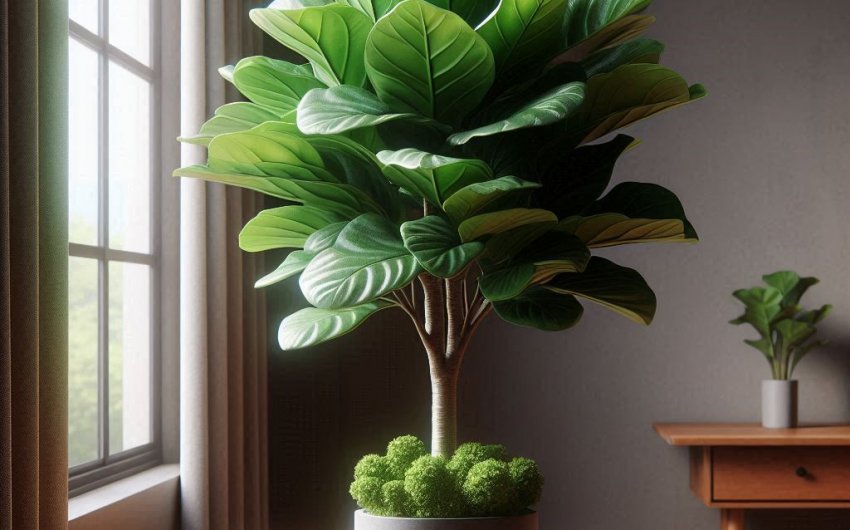
Ficus lyrata, commonly known as the fiddle-leaf fig, is famous for its large, striking leaves but is also prone to several common problems primarily related to environmental stress and improper care. These issues often manifest as leaf discoloration, drooping, or leaf drop.
Why are Ficus Lyrata Plants So Prone to Problems?
Ficus lyrata plants, despite their popularity, are often considered fussy or dramatic houseplants. Their tendency to develop problems stems from their native tropical habitat, specific care requirements, and sensitivity to environmental changes. Understanding these underlying reasons helps in proactive prevention.
1. Sensitivity to Environmental Changes
- Tropical Native: Ficus lyrata originates from the lowland rainforests of West Africa, where conditions are consistently warm, humid, and bright but with filtered light. Our indoor environments rarely perfectly replicate this.
- Aversion to Change: Fiddle-leaf figs are creatures of habit. They dislike being moved, sudden shifts in temperature, light, or humidity, and even changes in their watering routine. Any significant change can trigger a stress response, often resulting in leaf drop.
- Acclimation Period: When you first bring a fiddle-leaf fig home from a nursery or store, it will almost always experience a period of shock as it adjusts to its new environment. This often involves some leaf loss, which is normal.
2. Specific and Narrow Care Requirements
Ficus lyrata has a somewhat narrow "sweet spot" for its ideal growing conditions, making it less forgiving than other houseplants.
- Light: Needs abundant, bright, indirect light. Too little light, and it suffers; too much direct, intense sun, and it burns.
- Watering: Requires precise watering – consistently moist but never soggy. Both underwatering and overwatering quickly lead to problems. This is perhaps their most common downfall for new owners.
- Humidity: Prefers high humidity, which is often lacking in average homes, especially during winter months with indoor heating.
- Temperature: Thrives in consistent warmth (65-75°F or 18-24°C) and is very sensitive to cold drafts or sudden temperature drops.
3. Large Leaves and High Transpiration
- Evaporation: The fiddle-leaf fig's signature large, broad leaves have a high surface area. This means they lose a significant amount of water through transpiration (evaporation from leaves).
- Water Uptake Demand: This high transpiration rate puts a constant demand on the root system to absorb water from the soil. If water availability is inconsistent (either too much or too little), or if the roots are struggling (e.g., from root rot), the leaves quickly show signs of stress.
4. Susceptibility to Common Pests
Like many indoor plants, fiddle-leaf figs can attract common houseplant pests, and their large leaves provide ample surface area for these pests to multiply unnoticed until an infestation is significant.
5. Genetic Predisposition (Fig Rust, Edema)
While proper care prevents many issues, some problems like bacterial infections or edema (a physiological disorder) can arise even with relatively good care, though they are often exacerbated by less-than-ideal conditions.
Understanding these inherent sensitivities and specific needs is the first step in successfully growing a Ficus lyrata. Most common problems can be traced back to an imbalance in one or more of these environmental or care factors.
What Causes Ficus Lyrata Leaves to Turn Brown?
Brown leaves on a Ficus lyrata are one of the most common and alarming problems for owners. Browning can manifest in various ways (crispy edges, spots, or overall browning) and is usually a strong indicator of watering issues or environmental stress.
1. Brown Crispy Edges
- Cause: This is typically a sign of underwatering or low humidity. The plant isn't getting enough moisture to its leaf edges, so they dry out and become crispy.
- Symptoms: Edges of older or lower leaves turn brown and become brittle. The rest of the leaf might still look green.
- Solution:
- Watering: Increase watering frequency slightly, ensuring you water thoroughly until water drains from the bottom. Allow the top 2-3 inches of soil to dry out between waterings. Use a Moisture Meter for Plants for accuracy.
- Humidity: Increase ambient humidity around the plant. Use a Plant Humidifier, pebble trays, or group plants together.
- Location: Keep away from heating vents or cold drafts that can dry out the air.
2. Brown Spots (Especially on Lower Leaves)
- Cause: This almost always points to overwatering and, more specifically, root rot. Brown spots often appear along the edges or scattered throughout the leaf, starting on lower leaves.
- Symptoms: Dark brown, often mushy or soft spots on leaves, frequently appearing at the bottom of the plant. Leaves may also become yellow and eventually drop. The soil might smell sour or stagnant.
- Solution:
- Assess Soil: Immediately check the soil. If it's soggy and stays wet for too long, you likely have root rot.
- Repot/Dry Out: If mild, allow the soil to dry out considerably before the next watering. If severe, gently remove the plant from its pot, inspect roots (healthy roots are firm and white/tan; rotted roots are mushy and black/brown), prune off any rotten roots with sterilized shears, and repot in fresh, well-draining soil.
- Improve Drainage: Ensure your pot has excellent drainage holes. Use a well-draining potting mix specifically for houseplants or a mix with added perlite.
3. Overall Leaf Browning
- Cause: Can be a combination of severe stress factors, including prolonged underwatering, extreme temperature fluctuations (cold shock), or chemical burn from excessive fertilizer.
- Symptoms: Entire leaves turning brown and crisp, often followed by leaf drop.
- Solution: Identify the primary stressor. Ensure consistent watering, stable temperatures (avoid cold drafts), and moderate fertilization.
4. Reddish-Brown Spots / Edema
- Cause: This is a physiological issue called edema (or oedema). It occurs when the plant absorbs water faster than it can transpire it, causing cells to burst and form tiny, reddish-brown, slightly raised spots on the leaves. These spots later turn brown and can look like a disease.
- Symptoms: Small, reddish-brown, often rusty-looking bumps or spots, especially on newer leaves. The spots may eventually turn dark brown and sometimes appear as streaks.
- Solution:
- Consistent Watering: The main fix is to establish a consistent watering routine. Avoid drastic shifts from very dry to very wet. Water when the top few inches of soil are dry.
- Improve Air Circulation: Good air circulation can help reduce humidity around leaves and promote transpiration.
- Lighting: Ensure the plant is receiving adequate bright, indirect light.
In most cases, browning leaves are a clear signal that your Ficus lyrata is unhappy with its watering schedule or environment. Addressing these issues promptly is key to its recovery.
Why Do Ficus Lyrata Leaves Turn Yellow and Drop?
Yellowing leaves followed by leaf drop are distress signals from your Ficus lyrata, often indicating an issue with watering, light, or environmental shock. Understanding the pattern of yellowing can help diagnose the problem.
1. Yellowing and Dropping of Lower, Older Leaves
- Cause: This is most commonly a sign of overwatering or root rot. When roots are waterlogged, they can't take up oxygen or nutrients, causing the plant to "starve" and shed its oldest, least efficient leaves first to conserve resources.
- Symptoms: Leaves at the bottom of the plant turn yellow (sometimes with brown spots or edges), become limp, and then fall off. The soil may remain wet for too long.
- Solution:
- Immediate Action: Stop watering immediately. Check the soil moisture deep in the pot. If it's soggy, you likely have root rot.
- Root Rot Treatment: Remove the plant from its pot. Inspect the roots; prune off any black, mushy, or foul-smelling roots with sterilized shears. Repot into fresh, well-draining potting mix.
- Adjust Watering: Establish a proper "soak and dry" watering schedule. Water thoroughly until water drains, then allow the top 2-3 inches of soil to dry out completely before watering again. Use a Soil Moisture Meter to guide you.
- Improve Drainage: Ensure your pot has sufficient drainage holes and use an appropriate, well-aerated potting mix.
2. Yellowing of All Leaves, Followed by Drop
- Cause: This often indicates severe underwatering or extreme environmental shock (e.g., sudden drastic temperature drop, prolonged cold, or moving the plant to a drastically different light condition). The plant is shutting down to conserve moisture.
- Symptoms: Leaves throughout the plant, not just the bottom, start to yellow and wilt. They might feel crispy before falling off.
- Solution:
- Watering: If the soil is bone dry, water thoroughly until it drains, but avoid standing water. Do not immediately drench a severely underwatered plant; water lightly first, wait an hour, then water fully.
- Temperature: Ensure the plant is in a stable environment with temperatures between 65-75°F (18-24°C). Keep away from cold windows or drafts.
- Light: If recently moved, gradually acclimate the plant to new light conditions. Avoid direct, scorching sun.
- Patience: Ficus lyrata can take time to recover from shock. Continue consistent, good care.
3. Yellowing Leaves with Green Veins (Chlorosis)
- Cause: This specific pattern (yellow leaf tissue with dark green veins) usually points to a nutrient deficiency, most commonly iron deficiency, often caused by the soil pH being too high (alkaline) or the plant being root-bound.
- Symptoms: Younger leaves are often affected first.
- Solution:
- Soil pH: Test your soil pH. Fiddle-leaf figs prefer slightly acidic soil (pH 6.0-7.0). If too high, use a fertilizer for acid-loving plants or consider a very mild, diluted acidifying agent (e.g., vinegar water, carefully).
- Fertilization: Ensure you're providing a balanced liquid houseplant fertilizer during the growing season. A Ficus Lyrata Plant Food can help.
- Repotting: If the plant is root-bound, repotting into a slightly larger pot with fresh, appropriate soil can resolve the issue.
Yellowing and dropping leaves are the fiddle-leaf fig's way of telling you it's unhappy. A quick diagnosis and correction of the underlying issue are vital for its survival and recovery.
What Pests Commonly Affect Ficus Lyrata?
Like many indoor plants, Ficus lyrata can be susceptible to common houseplant pests. Regular inspection is crucial for early detection and effective treatment, as infestations can quickly weaken and damage the plant.
1. Spider Mites
- Description: Tiny arachnids (not insects) that are often difficult to see with the naked eye. They are typically reddish-brown or green.
- Symptoms: Fine webbing, especially on the undersides of leaves and in leaf axils. Tiny speckles or stippling on leaves (yellow or brown dots) where they have sucked out sap. Leaves may look dull, yellow, or bronze.
- Why they thrive: Prefer hot, dry conditions. Common indoors, especially during winter when humidity is low.
- Solution:
- Increase Humidity: Spider mites hate high humidity. Mist your plant regularly or use a humidifier.
- Wipe Leaves: Regularly wipe down leaves (top and bottom) with a damp cloth to physically remove mites.
- Hose Down: Take the plant outdoors (if weather permits) and hose it down thoroughly, focusing on the undersides of leaves.
- Insecticidal Soap: Apply an Insecticidal Soap Spray according to package directions, ensuring full coverage. Repeat every 5-7 days for several weeks to break their life cycle.
- Neem Oil: A natural alternative that can disrupt mite feeding and reproduction.
2. Mealybugs
- Description: Small, soft-bodied insects covered in a white, cottony, waxy substance. They often cluster in leaf axils, along stems, or on the undersides of leaves.
- Symptoms: White, fuzzy masses on stems and leaves. Sticky residue (honeydew) on leaves and surfaces below, which can lead to sooty mold. Stunted growth, yellowing leaves.
- Solution:
- Isolation: Isolate infected plants immediately to prevent spread.
- Alcohol Swabs: For light infestations, dab mealybugs directly with a cotton swab dipped in rubbing alcohol (70%).
- Insecticidal Soap/Neem Oil: Spray affected areas thoroughly. Repeat every 5-7 days.
- Systemic Insecticides: For severe or persistent infestations, a systemic insecticide (applied to the soil) can be effective, absorbed by the plant and making it toxic to sap-sucking pests.
3. Scale Insects
- Description: Small, oval-shaped insects that appear as raised bumps (often brown or tan) on stems and leaf veins. They are covered by a protective waxy shell.
- Symptoms: Hard, immobile bumps on plant surfaces. Sticky honeydew residue, often leading to sooty mold (black powdery coating). Yellowing leaves, stunted growth.
- Solution:
- Manual Removal: For small infestations, carefully scrape off scale insects with a fingernail, old toothbrush, or a cotton swab dipped in rubbing alcohol.
- Horticultural Oil/Neem Oil: Apply Horticultural Oil Spray or neem oil. These suffocate the insects. Repeat applications are necessary, as the oil only affects the active "crawler" stage, not the adult shell.
- Systemic Insecticides: As a last resort for severe infestations.
4. Fungus Gnats
- Description: Tiny, black, mosquito-like flies that hover around the soil surface. Their larvae (small, clear, worm-like creatures) live in the soil and feed on decaying organic matter and sometimes delicate plant roots.
- Symptoms: Annoying adult gnats flying around the plant. If larvae are numerous, they can cause stunted growth or yellowing, especially in young plants.
- Why they thrive: Indicate consistently moist or overly wet soil.
- Solution:
- Let Soil Dry Out: The most effective control is to allow the top few inches of soil to dry out completely between waterings. This kills the larvae.
- Yellow Sticky Traps: Use Yellow Sticky Traps to catch adult gnats.
- Beneficial Nematodes: Tiny worms that prey on fungus gnat larvae in the soil.
- Mosquito Bits: Apply to soil to kill larvae.
Regularly inspecting your Ficus lyrata, especially the undersides of leaves and leaf axils, is the best defense against a major pest infestation.
What Are Common Light-Related Problems for Ficus Lyrata?
Light is one of the most critical factors for Ficus lyrata, and imbalances can quickly lead to distress. Too little or too much light can cause various symptoms and significantly impact the plant's health.
1. Insufficient Light
- Problem: The most common light issue. Fiddle-leaf figs need bright, indirect light to thrive. Low light means the plant can't perform enough photosynthesis.
- Symptoms:
- Lack of New Growth: The plant stops producing new leaves or grows very slowly.
- Small, Pale New Leaves: Any new leaves that do appear are smaller than usual and may be a lighter green.
- Yellowing and Dropping Leaves (especially lower ones): This can sometimes be confused with overwatering, but in low light, the plant sheds leaves it can no longer support efficiently.
- Lanky, "Leggy" Growth: Stems stretch out, and leaves are widely spaced as the plant desperately reaches for light.
- Solution:
- Relocate: Move your plant to a brighter location. An ideal spot is near a south or west-facing window with sheer curtains, or an east-facing window with unobstructed light.
- Rotate: Rotate the plant every few weeks to ensure all sides receive adequate light and promote even growth.
- Supplemental Lighting: If natural light is insufficient, especially in winter, consider using a Grow Light for Indoor Plants. Position it directly above the plant for 10-14 hours a day.
2. Too Much Direct Sunlight / Sunburn
- Problem: While they love bright light, intense, unfiltered direct sunlight, especially through a window, can scorch the delicate leaves of a Ficus lyrata.
- Symptoms:
- Brown Patches or Spots: Irregular brown patches, often crisp and dry, appear on the leaves. These spots might be bleached-looking or start as reddish areas before turning brown.
- Bleached Leaves: Leaves may appear faded or bleached in color in the affected areas.
- Solution:
- Filter Light: Move the plant back slightly from the window, or use sheer curtains or blinds to diffuse the direct sunlight.
- Avoid West-Facing Windows (unfiltered): Afternoon sun from west-facing windows is often the most intense and damaging.
- Gradual Acclimation: If moving a plant from low light to bright light, do so gradually over several weeks to avoid shock.
3. Sudden Light Changes (Shock)
- Problem: Ficus lyrata plants are highly sensitive to sudden changes in their environment, including drastic shifts in light intensity.
- Symptoms: Dropping healthy-looking green leaves, sometimes seemingly for no reason. This is often the plant's immediate stress response.
- Solution:
- Consistency: Once you find a good spot, try to keep your plant there. Avoid moving it frequently.
- Gradual Adjustment: If a move is necessary (e.g., bringing indoors for winter, or changing rooms), try to mimic the original light conditions as closely as possible, and gradually increase or decrease light over a week or two.
Providing the correct balance of bright, indirect light is fundamental to preventing many Ficus lyrata problems and ensuring its robust growth.
What Other Common Problems Affect Ficus Lyrata?
Beyond watering, pests, and light, Ficus lyrata can suffer from several other common problems related to humidity, temperature, and general care, often leading to a stressed and unhappy plant.
1. Low Humidity
- Problem: Fiddle-leaf figs are tropical plants and prefer high humidity (60-80%). Average indoor humidity, especially during winter with heating or air conditioning, is often too low.
- Symptoms:
- Crispy Brown Leaf Edges: Similar to underwatering, but often accompanied by healthy-looking soil moisture.
- Stunted Growth: Plant struggles to open new leaves, or they might be smaller or misshapen.
- Increased Pest Susceptibility: Low humidity makes the plant more vulnerable to spider mites.
- Solution:
- Humidifier: Use a Room Humidifier for Plants near your plant. This is the most effective method.
- Pebble Tray: Place the pot on a tray filled with pebbles and water (ensure the pot doesn't sit in the water). As the water evaporates, it increases local humidity.
- Grouping Plants: Grouping plants together naturally increases humidity in the immediate area through their collective transpiration.
- Avoid Dry Air Sources: Keep plants away from heating vents, radiators, and air conditioning units.
2. Temperature Stress (Cold Shock)
- Problem: Ficus lyrata plants are very sensitive to cold temperatures (below 60°F or 15°C) and sudden drops in temperature or cold drafts.
- Symptoms:
- Sudden Leaf Drop: Healthy-looking green leaves may suddenly fall off, seemingly overnight.
- Browning/Blackening: Leaves may turn dark brown or black, especially if exposed to freezing temperatures.
- Wilting: Leaves may appear limp and droopy.
- Solution:
- Stable Warmth: Maintain consistent room temperatures between 65-75°F (18-24°C).
- Avoid Drafts: Keep your plant away from drafty windows, doors, or vents.
- Protect During Transport: When bringing a new plant home, protect it from cold exposure, especially if temperatures are low.
3. Lack of Fertilization (Nutrient Deficiency)
- Problem: Ficus lyrata are moderate feeders, especially during their active growing season (spring and summer). Without adequate nutrients, growth will slow, and leaves can show deficiencies.
- Symptoms:
- Stunted or Slow Growth: Very little or no new growth.
- Pale or Yellowing Leaves: Overall pallor, or specific nutrient deficiency symptoms (e.g., yellowing with green veins for iron deficiency).
- Solution:
- Regular Feeding: Fertilize every 2-4 weeks during spring and summer with a balanced liquid houseplant fertilizer. Use a product specifically formulated for Fiddle Leaf Figs.
- Dilute: Always dilute fertilizer to half strength or according to package directions to avoid chemical burn.
- Stop in Winter: Do not fertilize during fall and winter when growth naturally slows.
4. Over-Fertilization (Chemical Burn)
- Problem: Applying too much fertilizer, too often, or to dry soil can burn the roots.
- Symptoms: Brown leaf tips and edges, sometimes blackening roots, overall plant decline.
- Solution:
- Leach Soil: If you suspect over-fertilization, flush the soil with plenty of plain water until it drains heavily from the bottom of the pot.
- Adjust Schedule: Re-evaluate your fertilization schedule and dilution. Always fertilize on moist soil.
5. Lack of Rotation
- Problem: Fiddle-leaf figs grow towards the light. If not rotated, one side will become lush while the other remains sparse.
- Symptoms: Uneven growth, lopsided appearance, leaves on one side growing towards the window.
- Solution: Rotate your plant a quarter turn every few weeks (e.g., once a month) to encourage even growth and branching.
Addressing these common problems early and providing consistent, optimal care is the key to successfully growing a thriving Ficus lyrata, making it a stunning centerpiece in your home.