
Compost Like a Pro: The Role of a Compost Thermometer
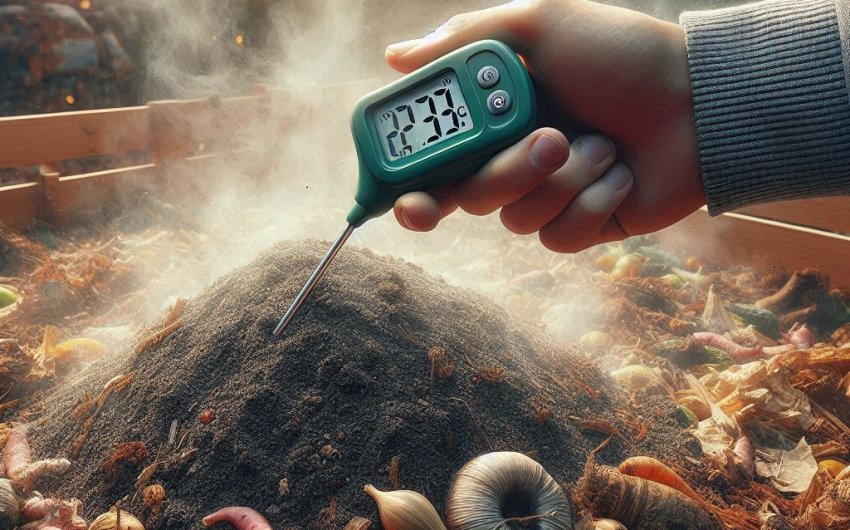
Composting is a fantastic way to recycle organic waste and create nutrient-rich soil for your garden. But to truly master the art of composting, understanding the role of a compost thermometer is key. While many people think composting is just about piling up kitchen scraps and garden waste, there’s much more to it. Monitoring the temperature of your compost pile with a compost thermometer can significantly speed up the process and ensure that you’re getting the best results.
Let’s explore how a compost thermometer works, why it’s important, and how it can help you compost like a pro.
What is a Compost Thermometer?
A compost thermometer is a specialized tool designed to measure the internal temperature of your compost pile. Unlike regular thermometers, these are long and durable, built to penetrate deep into the pile to give you an accurate reading of the temperature at its core. Knowing the temperature is essential for managing your compost because it tells you whether the pile is active and breaking down the organic materials efficiently.
By keeping track of the temperature, you can know when to turn the compost, add more materials, or adjust moisture levels, ensuring that the decomposition process continues smoothly.
Check out the best compost thermometers to start monitoring your compost pile efficiently.
The Importance of Monitoring Compost Temperature
Temperature is one of the most important factors in composting. A compost pile that’s too cold will decompose very slowly, while one that’s too hot can kill beneficial microorganisms. By using a compost thermometer, you can keep your pile in the ideal temperature range, which is between 135°F and 160°F (57°C to 71°C). This range is known as the "hot composting" zone and is where most of the decomposition happens quickly.
Here are a few key reasons why temperature monitoring is crucial:
- Efficient decomposition: Compost breaks down faster when the temperature is right. By tracking the temperature, you can adjust your pile to speed up the process.
- Pathogen control: A hot compost pile (above 135°F) kills harmful pathogens and weed seeds, ensuring your final compost is safe for the garden.
- Microbial activity: Beneficial bacteria and fungi are most active in the right temperature range, helping break down the materials in your compost.
- Turning schedule: The temperature will tell you when to turn your compost pile, which helps to aerate it and maintain even heating.
Find a reliable compost thermometer to monitor your compost pile’s temperature accurately.
How to Use a Compost Thermometer
Using a compost thermometer is simple, but there are a few things to keep in mind to get the most accurate readings. Here’s a step-by-step guide on how to use one:
1. Insert the Thermometer
To measure the temperature, insert the compost thermometer into the center of your compost pile. The core of the pile is where the most microbial activity takes place, so this is the best spot to get a true reading of how well your compost is breaking down. Push the thermometer in until only the dial or top is visible.
Find a durable compost thermometer with a long stem to easily measure your compost's core temperature.
2. Check the Temperature Regularly
It’s a good idea to check the temperature of your compost pile every few days. Compost piles can heat up or cool down depending on the balance of materials, moisture, and how often you turn it. Regular monitoring will help you catch any problems early, like a pile that’s not heating up enough or one that’s overheating.
Explore an easy-to-read compost thermometer to track your compost temperature with ease.
3. Turn the Pile When Needed
Turning your compost pile is crucial for aeration, which feeds the microorganisms and keeps the pile breaking down efficiently. The best time to turn the compost is when the temperature drops after reaching its peak. For example, if your pile heats up to 140°F and then starts cooling down, it’s time to turn it to introduce fresh oxygen.
Get a compost turner to help aerate your pile and keep it active.
4. Adjust Moisture Levels
If the temperature in your pile isn’t rising, one possible issue could be the moisture level. Compost needs to be damp, but not soggy, to break down properly. If it’s too dry, add water. If it’s too wet, add more carbon-rich materials like straw or dry leaves. Monitoring the temperature will give you clues about the moisture balance in your pile.
Choose a compost moisture meter to check the water levels in your compost easily.
The Phases of Composting and Temperature Changes
A healthy compost pile goes through several temperature phases as it breaks down, and a compost thermometer will help you monitor each stage. Here’s a breakdown of the phases and what they mean:
1. Mesophilic Phase (50°F to 113°F)
This is the initial phase when the temperature is relatively low. Mesophilic bacteria (microorganisms that thrive in moderate temperatures) begin breaking down sugars and other easily degradable compounds. During this phase, the compost pile starts to warm up.
Get a compost starter to kickstart the microbial activity in your pile.
2. Thermophilic Phase (113°F to 160°F)
Once the pile heats up, it enters the thermophilic phase, where thermophilic bacteria take over. These microbes thrive in higher temperatures and are responsible for breaking down tougher materials like cellulose, lignin, and proteins. This is the most active phase of composting and where the bulk of decomposition happens. Maintaining the pile in the thermophilic phase as long as possible will result in faster compost production.
Find a high-accuracy compost thermometer to track these temperature changes with precision.
3. Cooling and Maturation Phase
After the peak of the thermophilic phase, the temperature begins to drop. This indicates that most of the easy-to-decompose materials have been broken down. During the cooling phase, mesophilic bacteria return to further process the remaining organic matter, resulting in the formation of humus, the rich, dark organic material that’s ideal for fertilizing plants.
Browse compost tumblers to help maintain the temperature and aeration throughout the composting process.
Common Temperature Issues and How to Fix Them
Sometimes, your compost thermometer might show temperatures that are too low or too high, which can slow down the decomposition process. Here’s how to identify and fix common compost temperature issues.
1. Compost Pile is Too Cold
If the temperature in your compost pile remains below 100°F, it could indicate that there’s not enough nitrogen-rich material (also known as "greens") in the pile. Greens include kitchen scraps, grass clippings, and other nitrogen-heavy waste, which feed the microorganisms responsible for heating up the pile.
If your pile is cold:
- Add more nitrogen-rich materials like vegetable scraps, manure, or coffee grounds.
- Make sure your pile is moist enough, as dryness can halt microbial activity.
- Turn the pile to introduce more oxygen and encourage microbial growth.
Shop for nitrogen-rich composting materials to boost your pile’s heat and efficiency.
2. Compost Pile is Too Hot
While a hot compost pile is usually a good thing, if the temperature rises above 160°F, it can start to kill beneficial microorganisms and halt decomposition. Extremely high temperatures can also dry out the pile, leading to issues with moisture balance.
If your pile is too hot:
- Turn the pile to release some heat and introduce more oxygen.
- Add water if the pile is dry to bring the temperature down.
- Mix in carbon-rich materials like dry leaves, straw, or wood chips to help cool the pile.
Find carbon-rich composting materials to balance your pile and reduce heat.
3. Pile Won’t Heat Up at All
If your compost pile isn’t heating up at all, it’s usually due to an imbalance of materials or a lack of moisture. Compost piles need a balance of carbon-rich "browns" (such as dry leaves, straw, and cardboard) and nitrogen-rich "greens" (such as food scraps and fresh grass clippings) to heat up properly.
If your pile won’t heat:
- Add more nitrogen-rich materials.
- Ensure the pile is moist but not waterlogged.
- Turn the pile to improve aeration and encourage microbial activity.
Choose a compost aerator tool to help improve airflow and heat generation in your pile.
Benefits of Hot Composting
Monitoring and maintaining a hot compost pile has several benefits, particularly if you’re looking to create compost quickly and efficiently. Here are the main advantages of keeping your compost pile in the hot zone (135°F to 160°F):
- Faster decomposition: A hot compost pile breaks down organic materials in a matter of weeks, rather than months, allowing you to produce compost more frequently.
- Pathogen and weed seed destruction: Higher temperatures kill off harmful bacteria, pathogens, and weed seeds that may be present in your compost, making it safer to use in your garden.
- Better nutrient retention: Hot composting preserves more of the nutrients in your organic waste, ensuring that your final compost is rich in nitrogen, phosphorus, and other essential elements.
Explore high-efficiency compost bins to maintain an ideal environment for hot composting.
Using a Compost Thermometer for Different Composting Methods
There are several composting methods, each with unique temperature and management needs. Here’s how a compost thermometer can help you in different composting setups:
1. Traditional Compost Piles
In traditional backyard compost piles, maintaining heat can be tricky, especially in larger piles. A compost thermometer helps ensure the center of the pile reaches the desired temperatures. You can use the readings to know when to turn the pile and when to add more materials for a balanced breakdown.
Browse traditional compost piles for efficient outdoor composting solutions.
2. Compost Tumblers
For those using compost tumblers, temperature control is easier since tumblers provide better aeration and mixing. However, monitoring the temperature with a thermometer ensures that the pile is staying hot enough. Turning the tumbler regularly will help keep the temperature consistent, speeding up decomposition.
Check out high-quality compost tumblers to optimize your composting process.
3. Vermicomposting (Worm Composting)
In vermicomposting, where worms break down organic waste, temperature control is crucial. Worms thrive in moderate temperatures, ideally between 55°F and 77°F. A compost thermometer helps ensure that your worm bin doesn’t get too hot or too cold, which could harm your worms and slow down decomposition.
Shop for vermicomposting bins designed to maintain optimal conditions for worms.
4. Bokashi Composting
Bokashi composting is an anaerobic method that doesn’t rely on high heat for decomposition. However, keeping an eye on the temperature of your Bokashi bin, especially in warmer climates, can help you avoid overheating, which might disrupt the fermentation process.
Find the best Bokashi composting kits to try this unique composting method.
Maintaining Your Compost Thermometer
Like any tool, a compost thermometer requires regular maintenance to ensure accurate readings and a long lifespan. Here are a few tips on how to take care of your thermometer:
- Clean it after use: Compost can be messy, and it’s important to wipe down your thermometer after each use to prevent buildup.
- Store it properly: When not in use, keep your thermometer in a dry place to prevent rust or damage.
- Check for accuracy: If your thermometer starts giving odd readings, it might need recalibration. Some models allow for recalibration, or you may need to replace it.
Choose a high-quality compost thermometer that’s easy to maintain and use year after year.