
How to Prepare Soil for a Vegetable Garden: The Ultimate Guide
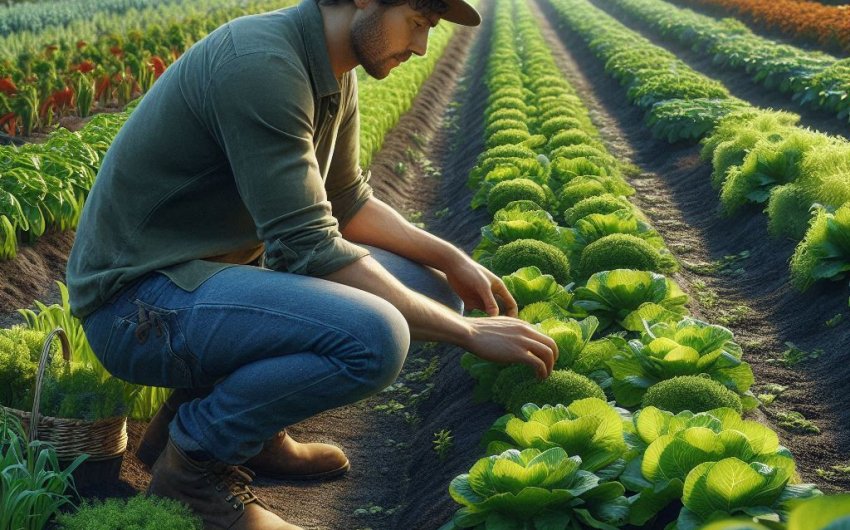
To prepare soil for a vegetable garden, you must first assess your existing soil, then amend it with ample organic matter to improve its structure, fertility, and drainage. This foundational step ensures a healthy environment for robust plant growth and bountiful harvests.
Why is Soil Preparation So Important for a Vegetable Garden?
When planning a vegetable garden, many eager gardeners jump straight to selecting seeds and plants. However, the most critical step, often overlooked, is soil preparation. Healthy soil is the very foundation of a thriving garden, directly influencing plant health, yield, and resistance to pests and diseases. Understanding why soil preparation is so important for a vegetable garden will highlight its indispensable role.
The Foundation of Plant Health
Think of soil as a plant's entire support system. It's not just dirt; it's a complex, living ecosystem that provides everything a plant needs to grow.
- Physical Support: Soil physically anchors plants, allowing them to stand upright and withstand wind. Without proper soil structure, roots cannot establish themselves firmly.
- Water Retention and Drainage: Good soil acts like a sponge, holding onto moisture for plant roots while allowing excess water to drain away. Poorly prepared soil either dries out too quickly (sandy) or becomes waterlogged (clay), both detrimental to root health.
- Nutrient Supply: Soil is the primary source of essential nutrients (nitrogen, phosphorus, potassium, and micronutrients) that plants absorb to grow. Healthy soil makes these nutrients available in forms plants can use.
- Root Respiration: Plant roots need oxygen to "breathe" and function properly. Well-aerated soil (soil with plenty of air pockets) allows roots to respire. Compacted or waterlogged soil suffocates roots, leading to root rot.
Directly Impacts Yield and Quality
The quality of your soil directly correlates with the abundance and health of your harvest.
- More Robust Growth: Plants in nutrient-rich, well-structured soil develop stronger root systems, healthier foliage, and more vigorous growth.
- Higher Yields: Healthy plants are simply more productive. They will produce more flowers, which in turn leads to more fruits and vegetables.
- Improved Flavor and Nutrition: Plants that receive optimal nutrients from the soil tend to have better flavor and higher nutritional content.
- Reduced Stress: Well-prepared soil minimizes plant stress from drought, nutrient deficiencies, or waterlogging, allowing plants to focus their energy on growth and production.
Essential for Organic Gardening
For an organic vegetable garden, healthy soil is not just important; it's fundamental to the philosophy.
- Natural Fertility: Organic gardening relies on building soil fertility naturally, rather than applying synthetic fertilizers. Good soil preparation involves incorporating organic matter that slowly releases nutrients over time, feeding the soil life that then feeds your plants.
- Pest and Disease Resistance: Healthy soil fosters healthy plants, and healthy plants are more resistant to pests and diseases. A balanced soil ecosystem also encourages beneficial microorganisms and insects that can naturally suppress common garden problems.
- Avoids Chemicals: By building vibrant soil, you reduce or eliminate the need for chemical inputs like synthetic fertilizers and pesticides, which can harm beneficial soil microbes, pollute waterways, and compromise the "organic" nature of your garden.
Sustainability and Long-Term Health
Investing time in soil preparation is an investment in the long-term health and sustainability of your garden.
- Improved Soil Structure: Good initial preparation improves soil structure for years to come, making subsequent gardening efforts easier and more productive.
- Water Conservation: Healthy soil, rich in organic matter, has improved water retention, meaning you'll need to water less frequently, conserving precious resources.
- Reduced Erosion: Well-structured soil is less prone to erosion from wind or rain.
In essence, soil preparation for a vegetable garden is not a task to rush through; it's the foundational act of creating a living, breathing environment where your vegetables can truly thrive. It sets the stage for success, ensuring a bountiful, delicious, and sustainable harvest season after season.
What is My Existing Soil Type, and Why Does It Matter?
Before you can effectively prepare soil for a vegetable garden, you need to understand your existing soil type. Different soil types have unique characteristics, influencing how they drain, retain water, and hold nutrients. Knowing your soil type helps you choose the right amendments and apply the most effective preparation methods.
The Three Main Soil Particle Sizes
All soils are made up of mineral particles, and their relative proportions determine the soil type:
Sand:
- Particle Size: Largest particles (gritty texture).
- Characteristics: Feels gritty, doesn't clump easily.
- Water Retention: Poor water retention; water drains very quickly.
- Nutrient Retention: Poor nutrient retention; nutrients leach out easily.
- Aeration: Excellent aeration.
- Temperature: Warms up quickly in spring.
- Gardening Challenges: Dries out fast, requires frequent watering and fertilization.
Silt:
- Particle Size: Medium-sized particles (flour-like texture).
- Characteristics: Feels smooth and silky, like flour when dry; can be slippery when wet.
- Water Retention: Good water retention.
- Nutrient Retention: Good nutrient retention.
- Aeration: Moderate aeration.
- Gardening Challenges: Can compact easily if worked when wet, leading to crusting.
Clay:
- Particle Size: Smallest particles (sticky texture).
- Characteristics: Feels sticky and dense when wet; can be very hard when dry. Can be rolled into a long, thin ribbon.
- Water Retention: Excellent water retention; drains very slowly.
- Nutrient Retention: Excellent nutrient retention.
- Aeration: Poor aeration when compacted.
- Temperature: Warms up slowly in spring.
- Gardening Challenges: Prone to compaction and waterlogging; difficult to work when wet or dry.
Loam: The Ideal Soil Type
The holy grail for gardeners is loam. This isn't a particle size, but rather a balanced mixture of sand, silt, and clay, along with a significant amount of organic matter.
- Characteristics:
- Texture: Crumbly, easily workable.
- Drainage: Drains well but retains adequate moisture.
- Nutrient Retention: Good nutrient retention.
- Aeration: Good aeration.
- Temperature: Warms up at a moderate pace.
- Why It Matters: Loam provides the perfect balance of drainage, water retention, aeration, and nutrient-holding capacity for most vegetable garden plants. It's the goal of all soil preparation.
How to Perform a Simple Jar Test (Ribbon Test is also common)
You can easily determine your soil type with a simple at-home test:
- Gather Soil: Take a clear glass jar with a lid. Fill it about one-quarter full with soil from your garden (remove any large rocks or organic debris).
- Add Water: Fill the rest of the jar with water, leaving an inch or two of space at the top. Add a teaspoon of dish soap (this helps separate particles).
- Shake: Screw on the lid tightly and shake the jar vigorously for 1-2 minutes until all the soil is suspended in the water.
- Settle: Place the jar on a level surface and let it settle.
- After 1-2 minutes: The sand will settle at the bottom in a distinct layer.
- After 2-4 hours: The silt will settle on top of the sand.
- After 24-48 hours (or longer): The clay will settle on top of the silt, forming the top mineral layer. Organic matter might float on top.
- Measure Layers: Once settled, measure the thickness of each layer. The proportions will tell you your soil type (e.g., mostly sand, mostly clay, or a good mix indicating loam).
Why Knowing Your Soil Type Matters for Preparation
- Targeted Amendments:
- Sandy Soil: Needs organic matter to improve water and nutrient retention.
- Clay Soil: Needs significant organic matter to improve drainage and aeration, breaking up the dense structure.
- Silty Soil: Also benefits from organic matter to prevent compaction.
- Drainage Solutions: If you have heavy clay, you might need to consider raised beds in addition to amending, as it can be difficult to fully correct drainage in deep in-ground clay.
- Watering Regimes: Your watering strategy will vary based on how quickly your soil drains.
Understanding your existing soil type is the foundational step in soil preparation for a vegetable garden. It guides all your subsequent efforts to amend and improve your soil into the ideal growing medium for your plants.
How Do I Test My Soil for Nutrients and pH?
Beyond knowing your soil type, understanding its nutrient levels and pH is equally crucial for preparing soil for a vegetable garden. These factors directly impact how well your plants can absorb essential nutrients and thrive. A soil test provides a scientific roadmap for specific amendments, moving beyond guesswork.
Why Test Soil pH?
- Nutrient Availability: Soil pH (a measure of acidity or alkalinity on a scale of 0-14) doesn't directly feed plants, but it dictates the availability of nutrients in the soil.
- Acidic Soil (pH below 7): Can make some nutrients (like phosphorus, calcium, magnesium) less available, while others (like iron, manganese) become overly available, potentially to toxic levels.
- Alkaline Soil (pH above 7): Can make nutrients like iron, manganese, boron, and phosphorus less available, leading to deficiencies.
- Optimal Range: Most vegetables prefer a slightly acidic to neutral pH, typically between 6.0 and 7.0. This range is often called the "sweet spot" because it's where most essential nutrients are most readily available to plants.
- Plant-Specific Needs: Some vegetables have specific pH preferences (e.g., blueberries prefer very acidic soil, while brassicas tolerate slightly more alkaline conditions).
Why Test Soil Nutrient Levels?
- Avoid Deficiencies/Excesses: A nutrient test tells you if your soil has too little or too much of key nutrients like nitrogen (N), phosphorus (P), and potassium (K), as well as important micronutrients.
- Targeted Fertilization: Instead of guessing or over-fertilizing (which can lead to nutrient imbalances, runoff, and harm to plants), a soil test allows for precise application of needed amendments.
- Cost Savings: You buy only what your soil needs, saving money on unnecessary fertilizers.
- Environmental Protection: Reduces the risk of nutrient runoff into waterways.
How to Get a Soil Test Done
The most accurate and comprehensive way to test your soil is through a professional lab.
1. Contact Your Local Extension Office
- Best Resource: Your local Cooperative Extension Office (part of your state's land-grant university system) is the most reliable and affordable source for professional soil testing. They specialize in local soil conditions and provide tailored recommendations.
- Sampling Kits: They will provide you with a soil sampling kit, instructions, and forms.
- Cost: The cost is usually very low (e.g., $10-$30 per sample).
2. Collect Your Soil Sample
Proper sampling is crucial for accurate results.
- Tools: Use a clean trowel, spade, or soil probe. Avoid rusty tools or galvanized buckets, which can contaminate the sample.
- Depth: For a vegetable garden, collect samples from the top 6-8 inches of soil.
- Random Sub-Samples: Don't just take one scoop. Collect 10-15 random sub-samples from different areas within your garden bed (form a zigzag or W pattern).
- Mix Thoroughly: Mix all the sub-samples together in a clean plastic bucket. Remove any large rocks, roots, or debris.
- Dry (If Needed): If the soil is very wet, spread it out on a clean sheet of paper to air dry before packaging, but don't bake it.
- Quantity: Fill the provided sample bag with the specified amount (usually about 1-2 cups) of the thoroughly mixed soil.
- Label: Label the bag clearly with your name, address, and sample ID.
- Complete Form: Fill out the submission form with details about your garden (e.g., "new vegetable garden," "existing vegetable garden," desired crops).
3. Interpret the Results and Act on Recommendations
- Report: After a few weeks, you'll receive a detailed report. It will show your soil's pH and levels of major nutrients (N, P, K) and sometimes micronutrients.
- Recommendations: Crucially, the report will include specific recommendations for amendments (e.g., "add X pounds of lime per 100 sq ft to raise pH," or "apply Y-Z-W fertilizer at this rate").
- Follow Advice: Carefully follow the recommendations. This personalized approach is far superior to guessing or applying general-purpose fertilizers.
Using Home Soil Test Kits (Less Accurate)
- Convenience: Home Soil Test Kits are readily available at garden centers. They are quick and inexpensive.
- Limitations: While they can give you a quick estimate of pH and very rough nutrient levels, they are generally much less accurate and precise than a professional lab test. They often don't distinguish between different forms of nutrients or provide tailored recommendations.
- Best Use: Use them for a general idea or for quick checks if you've already had a professional test and just want to monitor changes. For truly effective soil preparation for a vegetable garden, a lab test is highly recommended.
By testing your soil, you gain invaluable insights that enable you to make informed decisions about amendments, leading to healthier soil and more productive vegetable plants.
How Do I Improve Soil Structure with Organic Matter?
The cornerstone of preparing soil for a vegetable garden, regardless of your existing soil type, is the generous addition of organic matter. This "black gold" of gardening miraculously transforms soil structure, boosts fertility, and creates a thriving environment for plant roots and beneficial microorganisms.
What is Organic Matter?
Organic matter refers to once-living material that is in various stages of decomposition. This includes compost, well-rotted manure, shredded leaves, cover crops, and other plant residues. It's the lifeblood of healthy soil.
How Organic Matter Transforms Soil Structure
Organic matter works like magic to improve both sandy and clay soils:
- For Clay Soil (Improves Drainage & Aeration):
- Aggregation: Organic matter acts like a glue, binding tiny clay particles together into larger, more stable aggregates (clumps).
- Pore Space: This aggregation creates larger pore spaces between the clumps, allowing for better air circulation and water penetration.
- Workability: It makes heavy clay soil more friable (crumbly) and easier to work, reducing compaction.
- For Sandy Soil (Improves Water & Nutrient Retention):
- Sponge Effect: Organic matter acts like a sponge, filling the large pore spaces in sandy soil.
- Water Retention: It significantly increases the soil's capacity to hold onto water, reducing the need for frequent irrigation.
- Nutrient Retention: It gives nutrients something to "cling to," preventing them from leaching quickly out of the sandy soil.
- Overall: For any soil type, organic matter improves overall soil structure, creating a balanced environment where roots can grow easily, water and air are properly balanced, and nutrients are held effectively.
Boosting Soil Fertility and Life
Beyond structure, organic matter is the ultimate food source for your soil.
- Slow-Release Nutrients: As organic matter decomposes, it slowly releases a steady supply of essential macro and micronutrients, making them available to plants over time. This is a sustained feeding approach, unlike synthetic fertilizers that provide a quick, often short-lived, burst.
- Feeds Soil Microbes: Organic matter is the primary food source for beneficial soil microorganisms (bacteria, fungi, protozoa, nematodes). These tiny organisms are vital for:
- Nutrient Cycling: Breaking down organic material into plant-available forms.
- Disease Suppression: Competing with harmful pathogens.
- Improved Soil Structure: Their activities further enhance soil aggregation.
- Increases Cation Exchange Capacity (CEC): Organic matter significantly boosts CEC, which is the soil's ability to hold onto positively charged nutrient ions (like calcium, magnesium, potassium) and prevent them from leaching away.
Best Types of Organic Matter to Add
- Compost: The absolute best. It's a stable, decomposed material rich in diverse nutrients and teeming with beneficial microbes. You can buy bags of Organic Compost or, even better, make your own.
- Well-Rotted Manure: Aged manure (from cows, horses, chickens, etc.) is a fantastic source of nutrients and organic matter. Ensure it is well-rotted (aged for at least 6 months to a year) to prevent burning plants with excess nitrogen or introducing pathogens.
- Shredded Leaves: An abundant and free source of carbon-rich organic matter. They break down to form "leaf mold," which is excellent for improving soil structure and water retention.
- Cover Crops (Green Manure): Planting certain crops (e.g., clover, vetch, rye) during the off-season and then tilling them into the soil before planting is an excellent way to add fresh organic matter, fix nitrogen, and suppress weeds.
- Grass Clippings (Use with Caution): Fresh, untreated grass clippings can be used, but in thin layers to avoid matting and odor. Ensure they are free of herbicides.
- Coffee Grounds: Add to soil or compost; they provide a mild source of nitrogen and organic matter.
How Much and How to Incorporate
- Quantity: For a new vegetable garden, aim for a substantial amount. Spread a 2-4 inch thick layer of compost or well-rotted manure over the entire garden bed.
- Incorporation:
- Digging/Tilling: Use a garden fork or broadfork to thoroughly incorporate the organic matter into the top 6-12 inches of existing soil. Break up any large clumps.
- No-Dig/No-Till: For a no-dig approach, simply layer copious amounts of compost and other organic matter on top of the existing soil. Over time, worms and other soil organisms will incorporate it naturally. This method builds incredibly healthy soil with less disturbance.
- Ongoing Maintenance: Soil preparation isn't a one-time event. Continue to add 1-2 inches of compost annually, either by lightly turning it in or simply top-dressing the beds, to maintain fertility and structure.
By prioritizing the regular addition of organic matter, you lay the most crucial groundwork for preparing soil for a vegetable garden, creating a vibrant, living soil that will reward you with healthy, abundant harvests year after year.
Step-by-Step Guide to Preparing Soil for a New Vegetable Garden
Preparing soil for a new vegetable garden can seem daunting, but breaking it down into manageable steps makes the process clear and achievable. This guide will walk you through the ultimate process from selecting a site to making it planting-ready.
Step 1: Choose Your Garden Site
Before you even touch the soil, pick the best spot.
- Sunlight: Most vegetables (especially fruiting ones like tomatoes, peppers, squash) need full sun – at least 6-8 hours of direct sunlight per day. Observe your yard throughout the day to find the sunniest spot.
- Proximity to Water: Locate your garden near a water source (faucet, rain barrel) for easy irrigation.
- Drainage: Avoid areas where water pools after rain. Good drainage is crucial.
- Accessibility: Choose a spot that's easy to access for planting, weeding, and harvesting.
Step 2: Clear the Area
Remove any existing vegetation to create a clean slate.
- Remove Weeds and Grass:
- Manual Removal: For small areas, hand-pull weeds and dig up grass, removing as much of the root system as possible.
- Sheet Mulching/Lasagna Gardening: Lay down layers of cardboard, newspaper, and organic materials (compost, leaves, straw) over the area. This smothers weeds over several months. This is an excellent no-dig method for long-term soil preparation.
- Solarization: Cover the area with clear plastic sheeting during the hottest months. The sun's heat "cooks" weeds, seeds, and some pathogens. This takes 4-6 weeks.
- Avoid Herbicides: For an organic garden, never use chemical herbicides.
- Remove Debris: Clear away any rocks, roots, sticks, or other unwanted debris.
Step 3: Assess Your Existing Soil (The Jar Test)
Understand what you're working with. (Refer to the "What is My Existing Soil Type?" section for full details).
- Perform a Jar Test: Collect a soil sample, place it in a jar with water and dish soap, shake, and let it settle for 24-48 hours. Observe the layers of sand, silt, and clay.
- Ribbon Test (Quick Check): Take a small handful of moist soil.
- Sandy: Won't form a ball.
- Loamy: Forms a ball and a short, crumbly ribbon (less than 1 inch).
- Clay: Forms a strong, long, pliable ribbon (2 inches or more).
Step 4: Test Soil pH and Nutrient Levels (Professional Test Recommended)
This is the most crucial diagnostic step. (Refer to "How Do I Test My Soil for Nutrients and pH?" for full details).
- Submit a Sample: Send a soil sample to your local Cooperative Extension Office.
- Get Results: Receive a detailed report with your soil's pH and nutrient levels, along with tailored recommendations for amendments. This step provides the roadmap for the next steps.
Step 5: Incorporate Amendments Based on Soil Test and Type
This is where you physically improve your soil.
- Add Organic Matter (The Most Important Amendment):
- Quantity: Spread a thick layer (4-6 inches for a new garden, or 2-4 inches for maintenance) of high-quality organic matter. This can be compost, well-rotted manure, shredded leaves, or a combination.
- Why: Organic matter improves drainage in clay soil, increases water retention in sandy soil, provides slow-release nutrients, and fuels beneficial soil microbes.
- Source: Consider buying Bulk Organic Compost if you need a lot, or consistently making your own.
- Adjust pH (if needed):
- To Raise pH (more alkaline): If your soil test recommends it, add garden lime (calcium carbonate). Apply evenly and mix in. It takes time to work, so apply well in advance of planting if possible.
- To Lower pH (more acidic): If your soil test recommends it, add elemental sulfur or peat moss. Apply evenly and mix in.
- Add Specific Nutrients (if needed):
- Based on your soil test, incorporate specific organic fertilizers. For example:
- For Phosphorus: Bone meal or rock phosphate.
- For Potassium: Greensand or kelp meal.
- For Nitrogen: Blood meal or fish emulsion.
- Follow package directions carefully for application rates.
- Based on your soil test, incorporate specific organic fertilizers. For example:
Step 6: Dig or Turn the Soil
This incorporates the amendments and loosens the soil.
- Method: Use a garden fork, spade, or broadfork to thoroughly turn the soil and mix in all the amendments. Aim for a depth of 6-12 inches.
- Break Up Clumps: Break up any large clumps of soil as you go.
- Avoid Over-Tilling: Don't over-till or pulverize the soil, as this can destroy beneficial soil structure and harm soil organisms. A gentle turn is usually sufficient.
- No-Dig Option: If you're doing a no-dig garden, this step involves layering thick amounts of organic matter directly on top of the cleared area. Over time, soil organisms and natural processes will incorporate the material.
Step 7: Refine and Level the Bed
- Rake Smooth: Rake the surface of the garden bed smooth, removing any remaining small rocks or debris.
- Level: Gently level the bed. Raised beds or slightly mounded rows can improve drainage.
Step 8: Consider Mulching (Pre-Planting)
While often done after planting, you can also add a layer of mulch before planting.
- Benefits: Mulch helps suppress weeds, conserves soil moisture, and moderates soil temperature. As it breaks down, it also adds more organic matter.
- Types: Use organic mulches like straw, shredded leaves, or wood chips.
By diligently following these steps, you will effectively prepare soil for a vegetable garden, creating a fertile, well-draining, and life-filled environment that sets the stage for a highly successful and productive growing season.
How Do I Maintain Healthy Soil in an Established Vegetable Garden?
Preparing soil for a vegetable garden isn't a one-time event; it's an ongoing process. Maintaining healthy soil in an established vegetable garden ensures continued fertility, structure, and productivity year after year. This involves consistent practices that feed the soil and support its vital ecosystem.
1. Continuous Addition of Organic Matter
This is the most important ongoing practice for healthy garden soil.
- Annual Top-Dressing: At least once a year, preferably in fall or early spring, spread a 1-2 inch layer of high-quality compost over your entire garden beds. You can lightly incorporate it into the top inch or two of soil or simply leave it on top (especially beneficial for no-till gardens).
- Well-Rotted Manure: If using manure, apply it in fall to allow it time to break down before spring planting.
- Compost Tea: Supplement with compost tea throughout the growing season for a liquid nutrient boost and to enhance microbial activity.
- Benefits: Replenishes nutrients, maintains soil structure, feeds beneficial microbes, improves water retention and drainage.
2. Mulching
Mulch is a garden's best friend and crucial for soil health.
- Apply and Replenish: Maintain a 2-4 inch layer of organic mulch (straw, shredded leaves, untreated grass clippings, wood chips) around your plants. Replenish as needed throughout the season as it decomposes.
- Benefits:
- Weed Suppression: Reduces competition for nutrients and water.
- Moisture Retention: Significantly reduces water evaporation, meaning you water less often.
- Temperature Moderation: Keeps soil cooler in summer and warmer in winter, protecting roots.
- Adds Organic Matter: As it decomposes, it contributes to soil fertility.
- Reduces Erosion: Protects soil from heavy rain and wind.
3. Minimize Soil Disturbance (No-Till/Low-Till)
Traditional tilling can disrupt soil structure and harm beneficial soil organisms.
- Avoid Deep Tilling: Limit deep tilling to only when necessary (e.g., initial bed creation, incorporating a large amount of bulky amendment).
- Use a Broadfork: A broadfork aerates soil without inverting layers, preserving soil structure and fungal networks.
- Foot Traffic: Avoid walking directly on your garden beds to prevent compaction. Create defined pathways.
- Benefits: Preserves soil structure, protects earthworms and microbial communities, enhances long-term soil health.
4. Rotate Crops
Crop rotation is a vital practice for soil health and pest/disease management.
- Move Plant Families: Don't plant the same vegetable family in the same spot year after year. Rotate crops so that different plant families follow each other in a 3-4 year cycle.
- Benefits:
- Nutrient Cycling: Different plants use different nutrients, preventing depletion of specific nutrients in one area.
- Pest and Disease Reduction: Helps break the life cycles of soil-borne pests and diseases that are specific to certain plant families.
- Examples: Follow heavy feeders (corn, tomatoes) with light feeders (carrots, radishes), or nitrogen fixers (beans, peas).
5. Grow Cover Crops (Green Manure)
During the off-season, plant cover crops to protect and improve your soil.
- What They Are: Crops like clover, rye, vetch, or oats that are planted to cover bare soil, then tilled or chopped and left on the surface before the next planting season.
- Benefits:
- Erosion Control: Protects bare soil from wind and rain.
- Weed Suppression: Outcompetes weeds.
- Adds Organic Matter: When tilled in, they add biomass.
- Nitrogen Fixation: Leguminous cover crops (clover, vetch) fix nitrogen from the air into the soil.
- Improves Structure: Their roots break up compacted soil.
- Timing: Plant cover crops in fall after harvesting, and incorporate them into the soil in early spring before planting vegetables.
6. Address Nutrient Needs (Targeted & Organic)
While organic matter provides broad fertility, monitor your plants for specific needs.
- Observe Plants: Look for signs of nutrient deficiencies (e.g., yellowing leaves, stunted growth, poor flowering/fruiting).
- Targeted Organic Fertilizers: If a deficiency is observed, apply specific organic amendments. For instance, if tomatoes show blossom end rot, consider adding a calcium source like bone meal or crushed eggshells. If general vigor is low, a balanced organic granular fertilizer lightly worked into the soil can help.
- Re-Test Soil: Consider re-testing your soil every 3-5 years to monitor nutrient levels and pH and adjust your ongoing maintenance plan.
7. Proper Watering
While not a soil amendment, good watering practices prevent soil damage.
- Deep and Infrequent: Water deeply and less frequently to encourage deep root growth and prevent surface compaction or runoff.
- Avoid Overwatering: Too much water can lead to anaerobic conditions and nutrient leaching.
By consistently applying these maintenance strategies, you'll ensure that the effort you put into preparing soil for a vegetable garden continues to pay dividends, fostering a resilient, living soil that produces abundant and healthy vegetables for years to come.