
How to Create a Lawn that Minimizes Runoff and Erosion?
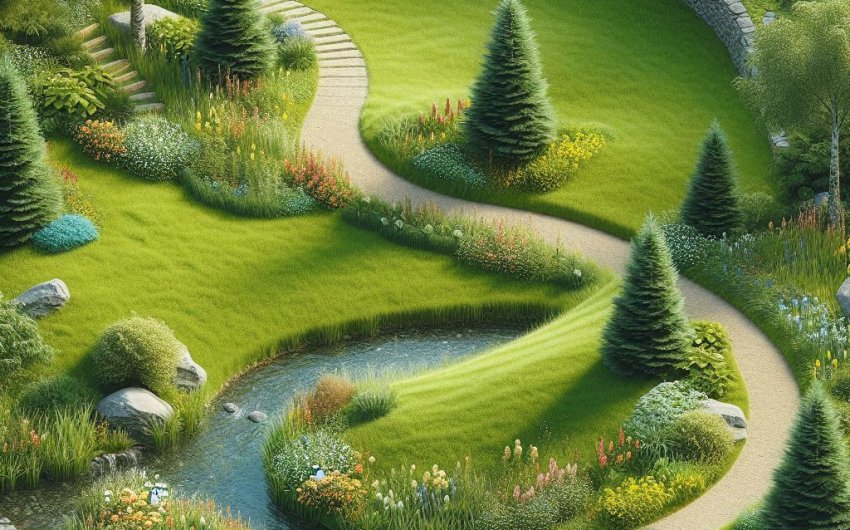
Runoff and soil erosion are two of the most common problems faced by homeowners who want to maintain a healthy, sustainable lawn. Runoff occurs when water from rain or irrigation flows over the surface of your lawn rather than being absorbed into the ground. This can lead to nutrient loss, soil erosion, and, in some cases, flooding in lower areas. Soil erosion, on the other hand, happens when wind or water strips away the topsoil, which is essential for healthy grass growth. Left unchecked, erosion can degrade the quality of your lawn and leave patches of bare earth.
The good news is that with the right strategies, you can create a lawn that minimizes both runoff and erosion while promoting a lush, vibrant landscape. Below are effective methods for controlling runoff, preserving soil, and ensuring your lawn remains healthy and sustainable for years to come.
1. Select Deep-Rooted Grass Varieties
One of the first steps to minimizing runoff and erosion is to plant grass species with deep, extensive root systems. Deep-rooted grasses help anchor the soil in place, reducing the risk of erosion caused by water or wind. Additionally, these grasses absorb more water, decreasing the likelihood of surface water runoff.
For instance, fescue grass is known for its deep roots and drought resistance, making it an ideal choice for sloped or erosion-prone areas. Buffalo grass, a warm-season grass, is another excellent option, as it thrives in poor soil conditions and requires minimal water.
Explore durable fescue grass seeds in the price range of $30-$80 for erosion control.
Combining different grass varieties can also help improve water absorption and reduce soil movement. For example, mixing bluegrass with ryegrass creates a dense lawn that effectively slows down runoff while providing a rich, green appearance.
2. Improve Soil Health and Structure
Healthy soil is the foundation of any lawn that can resist erosion and minimize runoff. In many cases, soil in residential areas is compacted due to heavy traffic or poor soil structure, which leads to poor water absorption and increased runoff. One of the most effective ways to address this is by improving soil health through aeration and the addition of organic matter.
Aeration involves perforating the soil with small holes to allow air, water, and nutrients to penetrate deep into the root zone. This process loosens compacted soil, which improves drainage and reduces surface water runoff. Aerating once or twice a year is sufficient for most lawns, particularly those in erosion-prone areas.
Discover lawn aerators in the price range of $30-$100 for improved soil health.
Adding organic matter, such as compost or mulch, can also enhance soil structure. Organic matter improves the soil’s ability to absorb and retain water, reducing the need for frequent watering and minimizing runoff. It also enriches the soil with essential nutrients, encouraging strong grass growth that can further stabilize the lawn.
Check out high-quality organic compost in the price range of $20-$60 to improve lawn soil quality.
3. Install Rain Gardens and Swales
Another effective strategy for reducing runoff is the creation of rain gardens or swales. These are specially designed landscaping features that capture and filter runoff before it leaves your property. They work by allowing water to slowly infiltrate the ground, which reduces both runoff and the erosion caused by rapid water movement.
A rain garden is a shallow depression planted with deep-rooted native plants, shrubs, and grasses. The plants in a rain garden help absorb water, while their roots hold the soil in place, preventing erosion. Swales are slightly sloped ditches that direct water to designated areas where it can safely be absorbed, such as a rain garden or a pond.
Explore rain garden kits in the price range of $50-$150 for eco-friendly lawn water management.
For larger properties or areas with significant slopes, swales are particularly effective in controlling water flow and preventing soil erosion. By redirecting water away from erosion-prone areas, you help protect your lawn and the surrounding landscape.
4. Use Ground Covers on Slopes
For lawns with significant slopes, controlling runoff and erosion can be especially challenging. In these areas, ground covers offer an excellent solution. Ground covers are low-growing plants that spread quickly, forming a dense mat that helps hold the soil in place. They also slow down water flow across the surface, allowing for better absorption and reducing the risk of erosion.
Creeping thyme, vinca minor, and clover are popular choices for ground cover due to their resilience and ability to thrive in a variety of conditions. Ground covers not only prevent erosion but also add aesthetic appeal to areas of the lawn where traditional grass might struggle to grow.
Check out resilient ground cover plants in the price range of $15-$50 for erosion control on slopes.
If you have a larger property, you may want to consider dividing your landscape into zones, utilizing different plant varieties that suit the specific needs of each zone. This can be especially effective when designing a 10-acre farm layout, where runoff and erosion need to be managed across diverse terrains.
5. Create Natural Barriers with Mulching and Retaining Walls
Mulching is an excellent technique for minimizing erosion while also promoting healthy lawn growth. By applying a layer of mulch around trees, shrubs, and along the edges of flower beds, you can help reduce water runoff, as the mulch slows down the movement of water across the soil surface. It also helps retain moisture, reduce weed growth, and prevent soil compaction.
Explore quality mulch options in the price range of $20-$60 for enhanced lawn care and water retention.
For areas with steeper slopes or where erosion is a persistent problem, installing retaining walls can be an effective way to create natural barriers that slow down water flow and prevent soil from being washed away. Retaining walls made from stone, brick, or wood can also add structure and visual interest to your landscape.
Discover durable retaining wall materials in the price range of $100-$300 for effective erosion control.
6. Adjust Watering Practices
Water management is key to minimizing both runoff and erosion. Overwatering is one of the main causes of runoff, as the soil becomes saturated and can no longer absorb additional water. To prevent this, it’s important to adopt efficient watering practices.
Use drip irrigation systems or soaker hoses to deliver water directly to the root zone, reducing surface runoff and ensuring that water is absorbed where it's needed most. If using a sprinkler system, ensure that it is properly calibrated to avoid excessive watering and direct the water to areas that require it, avoiding paved areas and walkways where water can run off.
Check out drip irrigation systems in the price range of $40-$150 for efficient water delivery.
Additionally, the timing of watering is important. Watering early in the morning, when temperatures are cooler, reduces evaporation and allows the soil to absorb water more effectively. By watering less frequently but more deeply, you encourage deeper root growth and reduce the likelihood of surface runoff.
7. Incorporate Terracing for Steep Slopes
For properties with steep slopes, terracing can be an effective way to manage runoff and prevent erosion. Terracing involves creating a series of flat or gently sloping levels on the hillside, which reduces the speed of water flowing downhill and allows it to be absorbed gradually. Each terrace serves as a mini-retaining wall, keeping soil in place and preventing it from being washed away.
Terracing can be done with stone, wood, or other natural materials, and it is often paired with plants or ground covers to help further stabilize the soil. This method is particularly useful for lawns located on hilly or mountainous terrain.
Explore terracing tools and materials such as landscape timbers in the price range of $50-$200 for effective slope management.
8. Plant Trees and Shrubs for Wind and Water Barriers
Trees and shrubs play a vital role in preventing soil erosion and reducing water runoff by serving as natural barriers. Their extensive root systems help anchor the soil in place, while their foliage reduces the impact of raindrops on the soil, preventing it from being displaced. Planting trees and shrubs strategically around your property can help manage water flow and create windbreaks that reduce erosion caused by strong winds.
Certain trees, like willows and poplars, are especially good for areas prone to erosion, as their roots grow deep and spread wide, stabilizing the surrounding soil. Shrubs like junipers and boxwoods also work well in preventing soil loss on sloped areas.
Check out hardy shrubs for erosion control in the price range of $30-$100 for effective wind and water barriers.
In addition to controlling erosion, trees and shrubs provide shade, enhance biodiversity, and add aesthetic value to your landscape.
9. Use Erosion Control Blankets for Immediate Stabilization
If you’re dealing with an area that has been severely eroded or is prone to landslides, erosion control blankets can provide immediate stabilization. These biodegradable blankets are laid directly over the soil to protect it from wind and water erosion while grass and other plants have time to establish themselves. The blankets are typically made from natural fibers such as coconut, straw, or jute, and they decompose over time, enriching the soil as they break down.
Erosion control blankets are especially useful for newly seeded lawns or areas that are recovering from construction or land disturbance. They prevent the loss of topsoil, allowing grass and other plants to grow without being washed away during heavy rains.
Explore eco-friendly erosion control blankets in the price range of $50-$150 for immediate lawn stabilization.
10. Minimize Impervious Surfaces
Impervious surfaces, such as driveways, sidewalks, and patios, prevent water from being absorbed into the ground, which increases the likelihood of runoff and erosion. To minimize these effects, consider reducing the number of impervious surfaces on your property or using permeable materials like gravel, porous pavers, or permeable concrete.
Permeable pavers allow water to filter through the surface, reducing runoff and helping to replenish groundwater. By incorporating these materials into your landscape design, you create a more sustainable environment that better manages stormwater.
Discover permeable pavers in the price range of $100-$300 for sustainable landscaping solutions.
11. Use Contour Mowing Techniques
Contour mowing is a technique used on sloped lawns to reduce runoff by mowing along the contours of the slope rather than up and down. This creates natural ridges that slow down the flow of water, allowing more time for it to be absorbed into the soil. Contour mowing also helps prevent soil compaction and encourages more even grass growth on hilly terrain.
Find high-quality lawn mowers in the price range of $200-$500 for effective contour mowing.
By adopting contour mowing techniques, you can help prevent soil erosion and reduce the amount of water that runs off your property during heavy rain or irrigation.