
What Are the Best Practices for Maintaining a Lawn in a Mediterranean Climate?
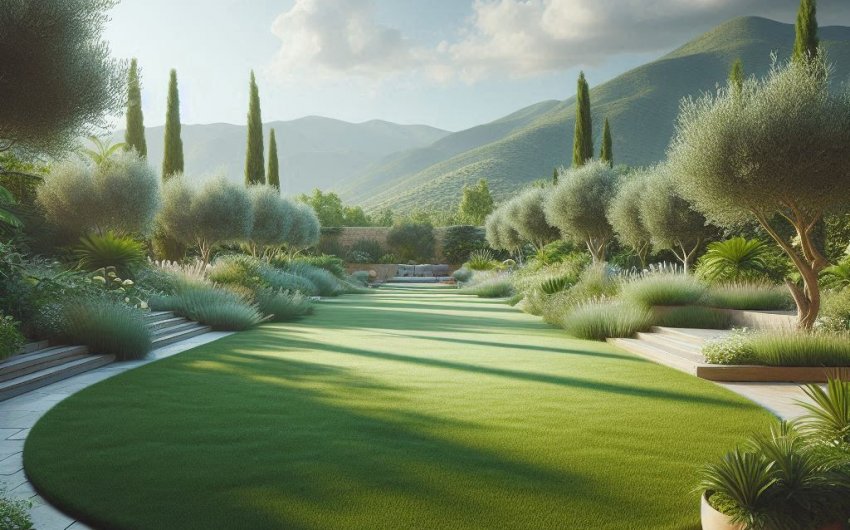
Maintaining a healthy, lush lawn in a Mediterranean climate requires specific strategies due to the unique weather conditions of the region. Known for its hot, dry summers and mild, wet winters, a Mediterranean climate presents challenges that homeowners must address if they want to keep their lawns green and healthy throughout the year. With the right approach, you can achieve a thriving lawn that withstands these challenges, whether it's water conservation, heat management, or soil care.
In this blog, we'll explore the best practices for maintaining a lawn in a Mediterranean climate, offering tips on choosing the right grass variety, watering schedules, soil management, and other essential lawn care techniques.
1. Choose Drought-Resistant Grass Varieties
One of the most critical decisions for maintaining a lawn in a Mediterranean climate is choosing the right grass variety. Given the region’s long, dry summers, you need to select a type of grass that can withstand periods of low water availability. Drought-tolerant grasses are the best choice because they are designed to survive with minimal watering.
Bermuda grass is one of the top choices for Mediterranean climates due to its ability to thrive in hot, sunny conditions while requiring less water. It's a warm-season grass that goes dormant in the winter but bounces back quickly in spring. Another great option is zoysia grass, which is both drought-tolerant and low maintenance. For cooler areas or regions with slightly more shade, fescue grass is a good option because it holds up well in low water conditions but stays green year-round.
Discover drought-tolerant Bermuda grass seeds in the price range of $25-$80 for your Mediterranean lawn.
Mixing different types of grass can also help your lawn stay healthy throughout the year. A blend of warm-season and cool-season grasses can provide year-round coverage, with the cool-season grasses thriving during the mild winters and the warm-season grasses flourishing during the hot summers.
2. Implement a Water-Efficient Irrigation System
Water conservation is crucial in a Mediterranean climate, where long periods of drought can deplete natural water resources. To ensure your lawn stays hydrated without wasting water, it’s important to invest in a water-efficient irrigation system. Traditional sprinklers can lead to water runoff and evaporation, particularly during the hottest times of the day.
Installing a drip irrigation system is one of the most efficient ways to water your lawn. These systems deliver water directly to the roots of the grass, minimizing water loss through evaporation. Soaker hoses are another effective option, as they allow water to seep slowly into the soil, ensuring even coverage and reducing runoff.
Check out drip irrigation systems in the price range of $40-$150 for efficient water management.
Additionally, it’s important to water your lawn during the early morning or late evening when temperatures are cooler. Watering in the middle of the day, when the sun is strongest, causes rapid evaporation and reduces the effectiveness of irrigation. By watering at the right time, you maximize water absorption and minimize waste.
Explore water-saving soaker hoses in the price range of $20-$50 for targeted lawn irrigation.
3. Adjust Mowing Practices for Climate Conditions
Mowing frequency and height play an essential role in the overall health of your lawn, especially in a Mediterranean climate where grass faces extended periods of heat and drought. To keep your lawn resilient, avoid cutting the grass too short. Mowing at a higher height encourages deeper root growth, which is essential for accessing moisture stored deeper in the soil.
For most drought-tolerant grasses, such as Bermuda grass or zoysia grass, aim to keep the grass height around 2-3 inches. For cool-season grasses like fescue, keeping the grass at 3-4 inches allows it to retain moisture better and withstand the heat.
Discover durable lawn mowers in the price range of $200-$500 for maintaining your lawn at the right height.
Mowing your lawn less frequently during the hottest months is also advisable. Cutting the grass too often can stress it out and cause it to lose moisture more quickly. Always ensure that your mower blades are sharp, as dull blades can tear the grass, making it more vulnerable to disease and heat damage.
Find quality lawn mower blade sharpeners in the price range of $15-$40 for precise cuts and healthier grass.
4. Fertilize Wisely to Promote Resilient Growth
Fertilizing is an important aspect of lawn care, but in a Mediterranean climate, it's crucial to apply fertilizer thoughtfully to avoid overstimulating the grass. Over-fertilizing can lead to rapid growth, which requires more water and makes the lawn more susceptible to drought stress.
The best time to apply fertilizer is in the spring when the grass begins to come out of its dormant state. This promotes healthy growth and strengthens the lawn before the hot summer months. Use a slow-release fertilizer, which provides nutrients over an extended period, allowing the grass to grow steadily without overstimulation. Organic fertilizers are also a great option because they enrich the soil while reducing the need for chemical additives.
Check out nutrient-rich slow-release fertilizers in the price range of $30-$80 for sustained lawn growth.
It's also important to avoid fertilizing during the peak of summer when the grass is most stressed by heat. Fertilizing during this time can actually burn the grass and lead to further damage.
Explore eco-friendly organic fertilizers in the price range of $25-$70 for a healthier lawn.
5. Mulching and Topdressing for Moisture Retention
Mulching is a highly effective technique for conserving soil moisture in a Mediterranean climate. When you mow, instead of bagging the grass clippings, leave them on the lawn. This practice, known as grasscycling, provides a natural layer of mulch that helps retain moisture, reduce evaporation, and add organic nutrients back into the soil.
In addition to mulching, topdressing your lawn with a thin layer of compost or organic matter is another excellent way to improve soil health and moisture retention. Topdressing enriches the soil, improves its structure, and helps it retain more water during dry spells.
Find high-quality lawn compost in the price range of $20-$60 for effective topdressing.
Mulching around the base of trees, flower beds, and along borders also helps reduce water evaporation, keeping the soil cooler and improving the overall health of your lawn.
Explore effective mulching kits in the price range of $30-$100 for moisture retention and lawn protection.
6. Aerate Your Lawn to Improve Soil Health
In Mediterranean climates, where soil can become compacted due to the lack of moisture, aerating your lawn is a crucial practice for promoting root growth and water infiltration. Aeration involves creating small holes in the soil to allow air, water, and nutrients to penetrate deep into the root zone. This process is especially important before the summer heat hits, as it helps the lawn absorb water more efficiently, reducing the need for frequent irrigation.
The best time to aerate is in the spring or fall, when temperatures are cooler, and the lawn can recover more quickly. For Mediterranean lawns, aerating once a year is typically sufficient, though high-traffic areas may require more frequent aeration.
Check out reliable lawn aerators in the price range of $30-$150 for improved soil health and water absorption.
Aerating your lawn helps reduce compaction, prevents runoff, and encourages stronger, deeper root systems that can better withstand drought conditions.
7. Combat Weeds Naturally
Weeds can be a major problem for lawns in Mediterranean climates, as they often thrive in the same conditions that stress grass. Controlling weeds without using harmful chemicals is essential for maintaining both the health of your lawn and the environment.
Hand-pulling weeds is the most effective and eco-friendly way to remove them. Use a weeding tool to remove the weeds by their roots, preventing them from regrowing. Additionally, applying a natural pre-emergent herbicide like corn gluten meal can help prevent weed seeds from germinating without harming your lawn.
Explore natural weeding tools in the price range of $10-$30 for effective weed removal.
Another great way to prevent weeds is by maintaining a healthy, dense lawn. A thick lawn leaves little room for weeds to establish themselves, as the grass will outcompete them for resources like sunlight, water, and nutrients. Regular mowing, fertilizing, and proper watering all contribute to a strong lawn that naturally suppresses weed growth.
Discover effective natural herbicides in the price range of $20-$50 for weed control without chemicals.
8. Install Rain Sensors and Smart Irrigation
With the unpredictable rainfall patterns common in Mediterranean climates, it’s essential to optimize your irrigation system to avoid overwatering and wasting water. Rain sensors and smart irrigation controllers can help you achieve this by adjusting watering schedules based on the weather.
Rain sensors automatically detect when it has rained and prevent your sprinkler system from running unnecessarily. Similarly, smart irrigation controllers allow you to program your watering schedule according to real-time weather data, ensuring that your lawn receives just the right amount of water based on current conditions.
Explore advanced smart irrigation controllers in the price range of $100-$300 for optimized water usage.
By investing in these technologies, you can reduce water waste, lower your water bills, and ensure your lawn stays hydrated even in the dry summer months.
9. Plant Trees and Shrubs for Shade and Wind Protection
Trees and shrubs are invaluable assets for lawns in Mediterranean climates. Not only do they provide shade, which helps cool the lawn and reduce evaporation, but they also act as windbreaks, protecting your grass from drying out during windy conditions.
Strategically planting trees and shrubs around your lawn can significantly reduce the amount of water your grass needs, as shaded areas retain moisture longer. Native or drought-tolerant plants are the best choice, as they require little water and can withstand the harsh conditions of a Mediterranean summer.
Check out hardy shade trees in the price range of $30-$100 for natural lawn protection.
Additionally, shrubs can help create microclimates, improving air circulation and reducing the temperature of the surrounding area. This helps your lawn stay cooler and reduces the amount of water lost to evaporation.
Explore drought-resistant shrubs in the price range of $20-$60 for shade and protection.
10. Prevent Soil Erosion with Ground Covers and Mulching
In areas prone to soil erosion, such as sloped lawns or areas with poor soil structure, using ground covers and mulching techniques is essential for keeping your lawn healthy. Ground covers like clover, creeping thyme, and vinca minor are low-growing plants that spread quickly and help stabilize the soil, preventing erosion during heavy rains or irrigation.
Explore fast-growing ground cover plants in the price range of $10-$50 for erosion control in your lawn.
Applying mulch to garden beds, around trees, and along borders is another great way to protect your soil. Mulch helps retain moisture, regulate soil temperature, and prevent erosion by reducing the impact of water runoff. It also enriches the soil as it breaks down, providing essential nutrients to nearby plants.
Check out moisture-retaining mulch in the price range of $20-$50 for a healthier lawn and reduced erosion.