
Can I Grow Pomegranate Plants in Containers?
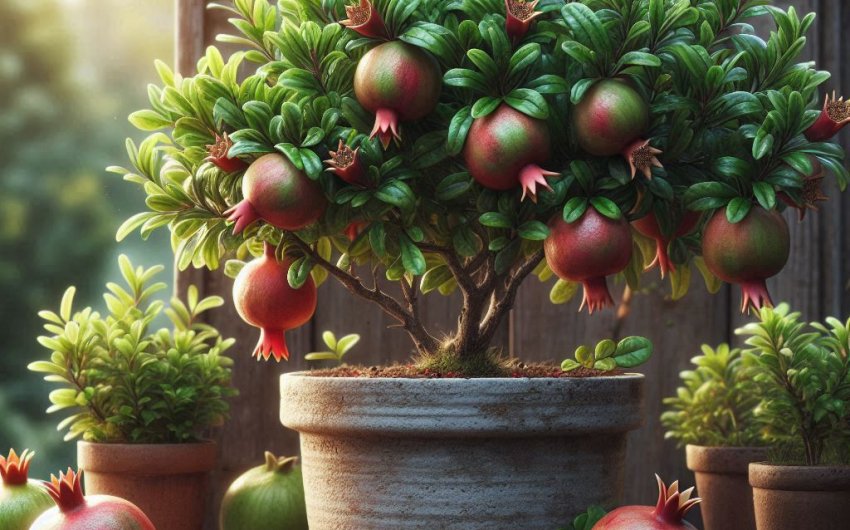
Yes, you absolutely can grow pomegranate plants in containers! Pomegranates are not only a beautiful addition to your garden but also a highly nutritious fruit, making them a great choice for home growers. While they are typically planted in the ground, they can thrive in containers with the right care. Growing pomegranates in pots allows you to control the plant’s environment, making it possible to enjoy homegrown fruit even in regions where pomegranates wouldn’t typically thrive in the soil. This guide will walk you through the best practices for growing pomegranates in containers, including choosing the right variety, potting techniques, watering schedules, and tips on maximizing fruit production.
1. Choosing the Right Pomegranate Variety
When growing pomegranates in containers, it’s essential to select the right variety. Not all pomegranates are well-suited for container growing, so choosing a dwarf or compact variety will make a big difference in the plant’s ability to thrive in a limited space. Some of the best varieties for container gardening include:
- Nana: A true dwarf variety that grows no taller than 3 feet, making it perfect for pots. While it produces smaller fruits than standard varieties, it is prized for its ornamental value and ease of maintenance.
- Provence: Another compact variety that can reach up to 4-6 feet in height when grown in a container. It produces full-sized fruits and is ideal for those who want both beauty and productivity.
- Wonderful: While this is one of the most popular pomegranate varieties for in-ground planting, it can also be grown in containers. However, it may require larger pots and more pruning to keep its size manageable.
Check out dwarf pomegranate plants in the price range of $20-$60 for your container garden.
2. Selecting the Right Container
Choosing the right container is crucial for growing healthy pomegranate plants. Pomegranates develop a robust root system, so it’s essential to use a pot that provides enough space for the roots to expand while also offering good drainage.
Container Size
Start with a container that is at least 10-15 gallons in capacity, though larger is always better. A pot with a diameter of 18-24 inches is ideal for dwarf varieties, and this size will allow the plant to grow and produce fruit without becoming root-bound. If you’re planting a non-dwarf variety, you may need a larger pot as the plant matures.
Explore durable large planting containers in the price range of $40-$120 for your pomegranate tree.
Advertisement
Material
When it comes to container materials, terracotta, ceramic, and plastic pots are all suitable options. However, terracotta pots are porous and allow better airflow to the roots, which can be beneficial in hotter climates. On the other hand, plastic pots are lighter and easier to move, making them ideal for regions where you may need to transport the plant indoors during colder months.
Discover high-quality terracotta pots in the price range of $20-$80 for optimal airflow and drainage.
Drainage
Pomegranates are prone to root rot if they sit in waterlogged soil, so your container must have ample drainage holes. Ensure that your pot has multiple holes to allow excess water to escape. If your container lacks enough drainage, you can add a layer of gravel at the bottom to improve drainage and reduce the risk of water retention.
Check out drainage materials for pots in the price range of $10-$30 to keep your plant’s roots healthy.
3. Soil Requirements for Pomegranates in Containers
Pomegranates prefer well-draining soil, so the potting mix you use is critical. Avoid heavy, clay-based soils that retain too much water. Instead, opt for a lightweight, sandy loam or a cactus potting mix, which provides good drainage and aeration.
Potting Mix
You can make your own potting mix by combining equal parts of garden soil, sand, and organic compost. The compost will enrich the soil with nutrients while the sand ensures good drainage. Another option is to buy a pre-mixed potting soil formulated for fruit trees or citrus plants, which typically offers the perfect balance of nutrients and drainage.
Explore potting soil for fruit trees in the price range of $15-$50 for a well-draining mix.
pH Balance
The ideal soil pH for pomegranates is between 5.5 and 7.0, slightly acidic to neutral. If you’re unsure of your soil’s pH, consider using a soil testing kit to check it before planting. If necessary, amend the soil with lime to raise the pH or sulfur to lower it.
Check out reliable soil testing kits in the price range of $10-$30 to ensure the right pH for your pomegranate plant.
4. Sunlight and Temperature Needs
Pomegranates are sun-loving plants and require at least 6 hours of full sun each day to produce fruit. Position your container in a spot that receives ample sunlight, such as a south-facing patio or balcony. The more sunlight your pomegranate plant gets, the better it will thrive and bear fruit.
Temperature
Pomegranates prefer warm temperatures and can tolerate heat well, making them ideal for Mediterranean or arid climates. They can withstand temperatures up to 100°F, but if you live in a region with harsh winters, you’ll need to protect your plant during the colder months. While pomegranates can survive brief periods of frost, temperatures below 40°F for extended periods can damage the plant.
During the winter, consider moving your container indoors to a bright, sunny room or a greenhouse to protect it from freezing temperatures.
Explore greenhouses in the price range of $100-$500 for protecting your pomegranate plant in winter.
5. Watering and Fertilizing Pomegranate Plants
Watering
When it comes to watering, pomegranates prefer deep, infrequent watering rather than frequent shallow watering. Allow the top few inches of soil to dry out between watering to prevent overwatering, which can lead to root rot. During the growing season (spring and summer), you’ll need to water more frequently, especially if the weather is particularly hot and dry.
Reduce watering in the fall and winter months, as the plant will go into dormancy and require less moisture. Overwatering during dormancy can harm the roots.
Find efficient watering cans in the price range of $15-$40 for precise watering.
Fertilizing
Pomegranates are light feeders, meaning they don’t require heavy fertilization. Apply a balanced slow-release fertilizer in the spring as new growth appears. Choose a fertilizer that is high in potassium to promote fruiting. A fertilizer with an NPK ratio of 8-8-8 or 10-10-10 is ideal for pomegranate trees.
You can also use organic fertilizers such as compost, fish emulsion, or bone meal to give your pomegranate plant the nutrients it needs. Avoid over-fertilizing, as too much nitrogen can lead to excess foliage growth at the expense of fruit production.
Explore slow-release fertilizers in the price range of $20-$50 to boost pomegranate growth.
6. Pruning and Training Pomegranate Plants
Pruning is essential to keep your pomegranate plant healthy and productive, especially when grown in a container where space is limited. Regular pruning helps control the plant’s size, shape, and air circulation, preventing the growth of disease and encouraging fruit production.
Pruning Tips
- In the first year, focus on shaping the plant by removing weak, crossed, or damaged branches.
- Each spring, prune back about one-third of the previous year’s growth to encourage new shoots and maximize fruit production.
- Remove any suckers that grow from the base of the plant, as they can sap energy from the main trunk.
- Thin out the center of the plant to allow sunlight to penetrate and air to circulate, reducing the risk of fungal diseases.
Find quality pruning shears in the price range of $20-$50 for precise pruning.
Training
If you’re limited on space or want to control the height of your pomegranate plant, consider training it as a bush rather than a tree. You can do this by allowing multiple stems to grow from the base and pruning the plant regularly to maintain a bushy shape. This method is particularly effective for container-grown pomegranates, as it keeps the plant compact while still producing a significant amount of fruit.
Explore plant training kits in the price range of $10-$40 for shaping your pomegranate tree.
7. Pollination and Fruit Production
Pomegranates are self-pollinating, which means they don’t require a second plant to produce fruit. However, having multiple plants can increase yield due to cross-pollination. Bees and other pollinators play a crucial role in this process, so having pollinator-friendly plants nearby can help ensure a bountiful harvest.
Flowering and Fruiting
Pomegranates typically begin to flower in the late spring or early summer, with vibrant red-orange blooms that eventually give way to fruit. After flowering, fruit may take up to 6-7 months to mature, with most pomegranates being ready to harvest in the fall.
To maximize fruit production, ensure your plant gets enough sunlight, water, and nutrients. Also, thinning out excess flowers can direct the plant’s energy toward producing larger, healthier fruits.
Discover effective pollinator-attracting plants in the price range of $15-$50 for a fruitful garden.
8. Common Pests and Diseases
Like all plants, pomegranates are susceptible to certain pests and diseases. Insects like aphids, scale, and whiteflies may occasionally infest pomegranate plants, while fungal diseases such as leaf spot or root rot can pose a threat if the plant is overwatered or lacks proper air circulation.
Pest Control
To prevent pests, regularly inspect your plant for signs of infestation, such as yellowing leaves or sticky residue. Using insecticidal soap or neem oil is an effective and organic way to control pests without harming your plant.
Explore natural insecticidal soaps in the price range of $10-$30 for pest control.
Disease Prevention
To prevent fungal diseases, avoid overwatering and ensure proper air circulation by pruning your plant regularly. Using a fungicide as a preventive measure during the wet season can also help protect your plant.
Check out reliable fungicides in the price range of $15-$40 for disease prevention.
9. Harvesting and Storing Pomegranates
Pomegranates are typically ready to harvest in the late fall. To determine if the fruit is ripe, look for a deep red color and check that the skin feels firm but slightly elastic. The fruit should also make a metallic sound when tapped. Use pruning shears to cut the fruit from the tree, rather than pulling it off, to avoid damaging the plant.
Once harvested, pomegranates can be stored in a cool, dry place for several weeks. For longer storage, you can refrigerate them for up to two months.
Find sharp harvesting shears in the price range of $15-$40 for easy fruit collection.
Enjoying Your Pomegranates
Whether you’re enjoying fresh pomegranate seeds, making juice, or incorporating the fruit into salads and desserts, growing pomegranates in containers is a rewarding experience. Not only do these plants offer delicious, nutrient-packed fruits, but they also add beauty and character to any garden. For more information on the health benefits of pomegranates, check out the pomegranate power of this nutrient-packed superfruit.
Learn more about the amazing benefits of pomegranates plant.