
How Can I Propagate a Peace Lily?
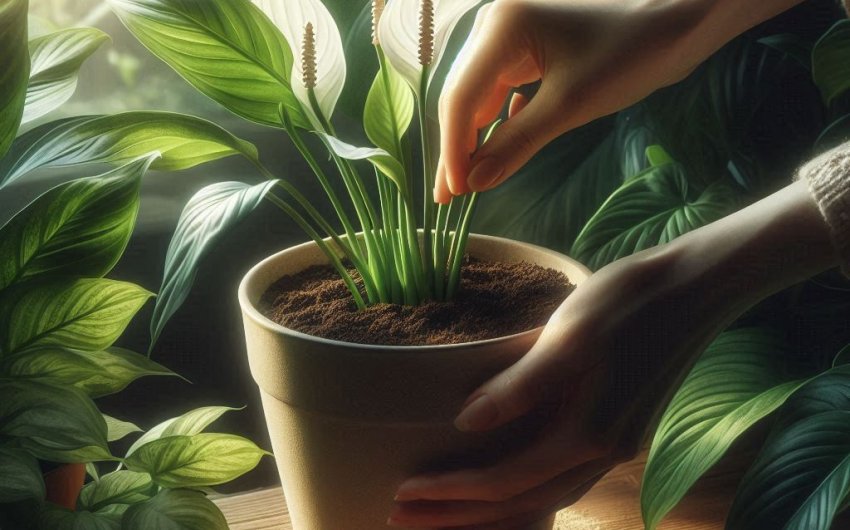
Peace lilies (Spathiphyllum) are popular houseplants known for their elegant white flowers and lush, dark green leaves. These tropical plants are relatively easy to care for and can thrive in various indoor environments, making them a favorite among houseplant enthusiasts. One way to expand your collection or share the joy of owning a peace lily with friends is by learning how to propagate a peace lily. This process is straightforward and involves a few simple steps to successfully grow new plants from an existing one.
In this article, we will cover the steps to propagate a peace lily, including choosing the right method, preparing the plant, and caring for the new growth. We’ll also discuss important tips and troubleshooting advice to ensure your propagation efforts are successful.
What Is Propagation?
Propagation is the process of creating new plants from an existing one. In the case of peace lilies, the most effective method of propagation is division, which involves separating the plant into smaller sections, each with its own roots and leaves. This method works well for peace lilies because they grow from a central clump, and new shoots can develop their own root systems over time. When these shoots grow large enough, they can be separated from the parent plant to form new, independent peace lilies.
Why Propagate a Peace Lily?
There are several reasons you might want to propagate your peace lily:
- Expand your indoor garden: Growing new plants from an existing peace lily allows you to expand your collection without purchasing new plants.
- Gift plants to friends and family: Propagated peace lilies make thoughtful and eco-friendly gifts for loved ones.
- Maintain a healthy plant: Dividing a large peace lily can help improve the health of the parent plant by reducing overcrowding in the pot.
Now that we understand what propagation is and why it’s beneficial, let’s delve into the steps for propagating a peace lily.
Step 1: Preparing for Propagation
Before you begin the propagation process, it's essential to prepare the materials you’ll need and select the right time for dividing your peace lily.
Materials You’ll Need
To propagate a peace lily, gather the following items:
- Pruning shears or a sharp knife: Make sure your cutting tool is clean and sharp. Use pruning shears that are sterilized to avoid spreading disease.
- Gloves: Although peace lilies are not particularly dangerous, wearing gardening gloves can protect your hands while working with the plant.
- New pots: Prepare pots with drainage holes for the new plants. Choose pots with drainage holes to ensure proper water flow.
- Potting mix: Use a well-draining potting mix suitable for houseplants. Get a potting mix that contains peat moss or coconut coir for good moisture retention.
- Watering can: A watering can will help you water the newly potted peace lilies without overwatering them.
When to Propagate a Peace Lily
The best time to propagate a peace lily is during the spring or early summer when the plant is actively growing. During this period, the peace lily is more likely to recover quickly from the division and establish strong roots in its new pot. Avoid propagating during the winter months when the plant may be dormant and less responsive to changes.
Step 2: Removing the Peace Lily from Its Pot
To begin the propagation process, you need to remove the parent peace lily from its pot. Follow these steps:
- Water the peace lily a day before propagation: This helps loosen the soil and reduces stress on the roots when removing the plant from the pot.
- Gently tip the pot sideways: Hold the base of the plant and carefully slide it out of the pot. You may need to gently squeeze the sides of the pot to loosen the root ball.
- Inspect the roots: Look at the roots to make sure they are healthy. Healthy roots should be white or light tan. If you notice any brown or mushy roots, trim them with sterilized pruning shears to prevent rot.
Step 3: Dividing the Plant
Once you have removed the peace lily from its pot, it’s time to divide the plant into smaller sections. Here’s how:
- Locate the natural divisions: A mature peace lily will have several clusters of leaves growing from separate root clumps. These are the sections you will separate.
- Gently pull apart the clumps: Use your hands to separate the clusters. If the roots are tightly intertwined, you can use a sharp knife to cut through the roots, making sure each new section has both roots and leaves.
- Trim damaged roots and leaves: If you see any damaged or dead leaves, trim them off with pruning scissors. This helps the new plant focus on growing healthy roots.
Each section should have a few healthy leaves and a good root system. Aim to keep each new plant at least 3-4 inches in size, with several leaves attached.
Step 4: Potting the New Plants
After dividing the peace lily, you need to pot the new sections in separate containers. Here’s how to do it:
- Prepare the new pots: Make sure each pot has drainage holes. Add a layer of gravel at the bottom to help with drainage.
- Fill the pots with potting mix: Use a well-draining potting mix that contains materials like peat moss or perlite. Choose a potting mix for houseplants to give the peace lily the right balance of nutrients and moisture retention.
- Plant the divided sections: Place each divided section into its pot, positioning it in the center. Cover the roots with soil and press gently to secure the plant.
- Water the new plants: Lightly water the peace lilies to settle the soil around the roots. Use a watering can to avoid overwatering. Make sure excess water can drain out of the pot.
Step 5: Caring for Newly Propagated Peace Lilies
Now that you’ve successfully potted your newly propagated peace lilies, it’s time to care for them properly to ensure they thrive.
Provide the Right Amount of Light
Peace lilies prefer indirect light, as direct sunlight can scorch their leaves. Place the newly propagated plants in a location where they can receive bright, filtered light. If your indoor environment lacks sufficient natural light, use grow lights to supplement the lighting.
Water Regularly but Avoid Overwatering
Newly propagated peace lilies need consistent moisture to help establish their roots. Water the plants when the top inch of soil feels dry. Overwatering can lead to root rot, so it’s essential to allow excess water to drain out. Use a moisture meter to check the soil moisture levels and prevent overwatering.
Maintain the Right Temperature and Humidity
Peace lilies thrive in temperatures between 65°F and 80°F (18°C to 27°C). They also prefer higher humidity levels, so consider using a humidifier to increase the humidity around the plants. Alternatively, you can place the pots on a humidity tray filled with water and pebbles.
Fertilize Occasionally
To support healthy growth, feed your newly propagated peace lilies with a balanced, water-soluble houseplant fertilizer once every 6-8 weeks during the growing season (spring and summer). Avoid fertilizing during the winter when the plant’s growth slows down.
Troubleshooting Common Problems in Propagated Peace Lilies
While propagating peace lilies is generally straightforward, some common problems can arise. Here’s how to troubleshoot them:
1. Drooping or Wilting Leaves
If the newly propagated peace lily shows signs of wilting or drooping, it may be due to transplant shock, improper watering, or inadequate light.
- Check soil moisture: Make sure the soil is not too dry or soggy. If the soil is dry, water the plant lightly. If it’s too wet, allow it to dry out slightly before the next watering.
- Move to a brighter location: Ensure the plant is getting enough indirect light. If the room is too dark, use a grow light to improve the lighting.
- Trim damaged leaves: Prune any wilted or damaged leaves to help the plant focus on root growth.
2. Yellowing Leaves
Yellowing leaves may be a sign of overwatering, nutrient deficiency, or stress from the propagation process.
- Check for root rot: Overwatering can lead to root rot, causing yellow leaves. If you suspect root rot, repot the plant in fresh soil.
- Feed the plant: Use a balanced fertilizer to provide essential nutrients, especially during the growing season.
- Adjust watering frequency: Ensure you are not overwatering the plant. Let the soil dry out slightly between waterings.
3. Brown Leaf Tips
Brown leaf tips can indicate low humidity, exposure to direct sunlight, or water quality issues.
- Increase humidity: Use a humidifier or place the plant on a humidity tray to improve moisture levels.
- Avoid direct sunlight: Move the plant away from direct sunlight to prevent leaf scorch.
- Use distilled or filtered water: If your tap water contains high levels of chlorine or fluoride, consider using distilled water for watering.
4. Slow Growth
If your propagated peace lily is growing slowly, it may need more light, nutrients, or space for its roots.
- Provide more light: Place the plant in a brighter location or use grow lights to improve growth.
- Feed the plant: Fertilize with a houseplant fertilizer to give the plant a nutrient boost.
- Repot in a larger container: If the roots are crowded, consider repotting the plant in a slightly larger pot.
For more detailed care instructions, check out our comprehensive peace lily care guide for tips on keeping your plant healthy and happy.
By following the steps above, you can propagate your peace lily successfully and enjoy the process of growing new plants from an existing one. Remember, patience and attention to detail are key to ensuring your propagated peace lilies thrive.