
Creative Ideas for Repurposing Old Furniture in Your Garden
Many gardeners and DIY enthusiasts frequently seek ways to add character and functionality to their outdoor spaces. A common thought is to transform items no longer serving their original indoor purpose. The idea of giving old furniture a new life in the garden sparks creativity.
This approach often brings a unique charm and sustainable element to garden design. However, the success of such projects involves more than just moving pieces outdoors. It requires thoughtful consideration of materials, function, and artistic vision.
What Drives the Desire to Upcycle Furniture for Outdoor Use?
The widespread interest in repurposing old furniture for garden use stems from several compelling motivations. Many individuals feel a strong urge to personalize their outdoor living areas, making them as inviting and unique as their interiors. This desire for custom decor often clashes with the budget limitations of new garden furniture.
Moreover, a growing awareness of sustainability fuels this trend. People increasingly look for ways to reduce waste and give items a second chance. Repurposing old furniture is a tangible way to practice eco-conscious living. It combines creativity with a commitment to environmental responsibility, turning discarded pieces into garden treasures.
The Journey of Furniture: From Indoors to the Great Outdoors
Consider a beloved old dresser, a sturdy wooden chair, or a charming bedside table. These pieces once held pride of place inside a home, witnessing countless daily routines. Over time, their style might fade, or their structural integrity might no longer suit indoor demands. This is where their journey to a new purpose often begins.
The idea of moving these items outdoors transforms them from forgotten relics into potential garden features. They bring a touch of unexpected charm and a story from the past to the vibrant, living landscape. This transition from indoor utility to outdoor artistry is a fascinating evolution for any piece of furniture.
Beyond Basic Planters: Exploring Novel Garden Functions
Repurposing furniture in the garden can extend far beyond simply holding plants. Creative minds envision pieces serving entirely new roles, adding unique functionality and aesthetic appeal. This transformation often sparks imaginative garden design.
Thinking beyond the obvious opens up a world of possibilities for discarded items. A chest of drawers might become a tiered display, or an old headboard could offer vertical interest. Each piece has hidden potential waiting to be unearthed.
Can an Old Bookshelf Become a Vertical Herb Garden?
The concept of a vertical herb garden is highly appealing for many urban gardeners or those with limited space. An old bookshelf might seem like a natural fit for this purpose. However, converting it involves more than just placing pots on shelves.
Success hinges on careful material selection and proper drainage. A wooden bookshelf would need extensive weatherproofing to prevent rot and deterioration. Each shelf would also require adequate drainage for healthy herb growth, presenting design challenges.
How Can an Old Chair Be Transformed into a Unique Planter?
An old chair, with its distinct form, offers a charming starting point for a unique garden planter. The idea is to integrate plant life directly into the chair's structure, creating a whimsical focal point. This transformation requires some structural modification and plant selection.
Often, the seat of the chair is removed to make way for a container or a planting area. This allows plants to cascade or grow from within the chair's frame. Choosing plants that complement the chair's style and a durable finish ensures lasting beauty.
What Considerations Are Key for Outdoor Furniture Durability?
Moving indoor furniture outside exposes it to entirely different environmental stresses. What was once protected from rain and harsh sun now faces the full force of the elements. This dramatic shift demands careful consideration for the furniture's longevity.
Material selection is paramount, as is the application of appropriate protective finishes. A piece might look charming initially, but without proper treatment, it will quickly deteriorate. Understanding outdoor durability is essential for any repurposed item.
Infusing Character: Creative Reuses for Old Furniture Outdoors
Repurposing old furniture into your garden offers a wonderful opportunity to infuse personality and charm into your outdoor space, creating unique focal points and functional art. It allows for a blend of rustic charm with practical gardening solutions, turning forgotten items into beloved garden features.
An old wooden ladder, for instance, can be transformed into a striking vertical display for small potted plants or climbing vines. Positioned against a wall or fence, its rungs provide ideal platforms for showcasing an array of succulents, herbs, or colorful annuals, drawing the eye upwards. For added character, a fresh coat of outdoor paint or a protective stain not only enhances its aesthetic but also safeguards it against the elements. A rustic ladder planter introduces visual interest while maximizing vertical planting opportunities in compact areas.
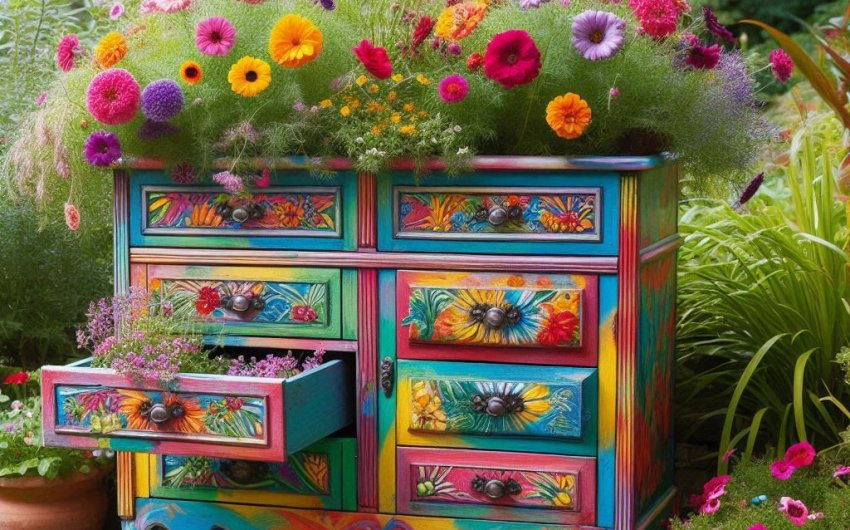
Consider the unassuming dresser, which can be reimagined as a tiered planter. By removing the drawers and securing them at various heights, you create individual planting pockets, each offering space for different plant groupings. The dresser frame, once housing clothes, now provides a robust structure for a mini-garden, allowing for a diverse array of flora in a single unit. Weather-sealing the entire piece with a durable exterior paint or clear sealant is crucial to prevent water damage and rot, ensuring this garden centerpiece endures through seasons of rain and sun. This transformation brings an unexpected touch of indoor elegance to the garden while offering ample planting real estate.
An antique headboard or footboard can find new life as a charming garden trellis or a decorative backdrop for a flower bed. Its intricate carvings or solid wooden panels add architectural detail and a touch of vintage flair, providing visual height and interest where flat beds once stood. Vines such as climbing roses, sweet peas, or clematis can be trained to ascend the structure, weaving through its design to create a living tapestry. Treated with a weather-resistant finish, the headboard becomes a durable support for climbers, enhancing both the functionality and beauty of a vertical garden. This repurposing brings an element of indoor craftsmanship to the wild beauty of nature.
Old chairs, with their inviting shapes, offer a delightful canvas for plant artistry. Instead of sitting, the chair can now cradle a vibrant floral display. This is achieved by removing the seat and inserting a sturdy planter directly into the opening, allowing flowers or trailing plants to spill over the sides. Imagine a collection of brightly painted chairs, each holding a burst of color, dotted throughout a garden bed or along a pathway. Applying several coats of outdoor-grade paint or sealant is essential to protect the wood or metal from rust and decay, ensuring the chair planter remains a charming, whimsical accent for years to come. Such pieces transform seating into sculpture.
Even discarded tires can be ingeniously repurposed as sturdy, stackable planters for robust vegetables or herbs. Painted in cheerful colors, these resilient rubber rings stack neatly, creating raised beds that minimize bending and add a vibrant, modern aesthetic to a utilitarian garden space. Ensuring proper drainage by drilling holes in the bottom, and filling them with high-quality soil, allows for healthy plant growth. The tire's durability makes it an ideal, long-lasting solution for creating a contained planting area, contributing to a truly sustainable and creatively designed garden. These tough planters are surprising in their versatility.
Why This Upcycling Approach Is Often Underestimated
The true value and potential of repurposing old furniture in the garden are frequently underestimated. Many gardeners initially see this as a simple, short-term fix, failing to recognize the deeper design impact. They might view it as a temporary placeholder rather than a thoughtful addition. This oversight can lead to less satisfying results.
Furthermore, some overlook the crucial preparation steps required for outdoor durability. They might neglect proper weatherproofing or material selection, leading to rapid deterioration. This often reinforces a mistaken belief that repurposed items are inherently fragile outdoors, rather than recognizing the importance of proper protective measures.
The Broader Canvas: Repurposing as a Garden Philosophy
Repurposing old furniture extends beyond mere functionality; it represents a deeper philosophy in garden design. This approach encourages a mindset of resourcefulness, creativity, and sustainability, transforming the way we view discarded items. It turns waste into beauty, enriching both the garden and our environmental consciousness.
Each piece, lovingly restored and re-contextualized, adds a unique narrative and artistic flair that mass-produced garden decor often lacks. This sustainable practice reduces landfill waste while cultivating a garden that is not only visually captivating but also deeply personal and eco-friendly. It allows the garden to tell a story of renewal, where every item finds a second, purposeful life.
FAQs: Transforming Treasures for the Garden
How do I prepare wooden furniture for outdoor garden use?
Preparing wooden furniture for its garden debut involves a thorough process to protect it from the harsh elements. Without proper treatment, wood can quickly rot, warp, or attract pests, greatly shortening its lifespan outdoors. This preparation ensures longevity.
Start by cleaning the wooden piece thoroughly, sanding off any peeling paint or rough patches. Then, apply multiple coats of a high-quality, exterior-grade paint or wood sealant. Pay close attention to all surfaces, especially edges and undersides, to create a comprehensive barrier against moisture and UV damage.
What are some common challenges when repurposing furniture in a garden?
Repurposing furniture for a garden setting comes with a unique set of challenges that require thoughtful planning and problem-solving. These difficulties can range from material degradation to structural instability. Anticipating these issues is key for a successful project.
A primary concern is the weather's impact, as rain, sun, and humidity can quickly damage unprepared materials. Structural integrity also poses a challenge; indoor furniture might not be robust enough for outdoor weights or stresses. Additionally, ensuring proper drainage for plants, deterring pests, and maintaining a cohesive garden aesthetic can present hurdles.
What type of plants work best with repurposed furniture planters?
Selecting the right plants for repurposed furniture planters involves considering both the plant's needs and the planter's new function. The choice of greenery should complement the furniture's aesthetic while thriving in its specific conditions. This thoughtful pairing ensures visual harmony.
Trailing plants like ivy, petunias, or nasturtiums often work beautifully, spilling over edges and softening hard lines. For dressers or shelves, smaller potted herbs or succulents in individual containers are ideal. Choosing plants with similar light and water requirements simplifies care and promotes vibrant displays within the repurposed piece.
Are there safety concerns with using old furniture in a garden, especially painted items?
Using old furniture, particularly painted items, in a garden can indeed raise valid safety concerns that gardeners should address before repurposing. Understanding potential hazards is crucial to ensure a safe and healthy outdoor environment for everyone. Certain materials might pose risks.
Old paint, especially pre-1978, might contain lead, which can be harmful if it leaches into the soil or is ingested. Similarly, some older treated woods contain chemicals that are not suitable for direct contact with edible plants. Always identify the furniture's materials and finish. Consider sanding and repainting with lead-free, outdoor-safe paints, or lining planters to prevent soil contact if unsure of the original finish.