
How to Make a DIY Garden Canopy for Summer?
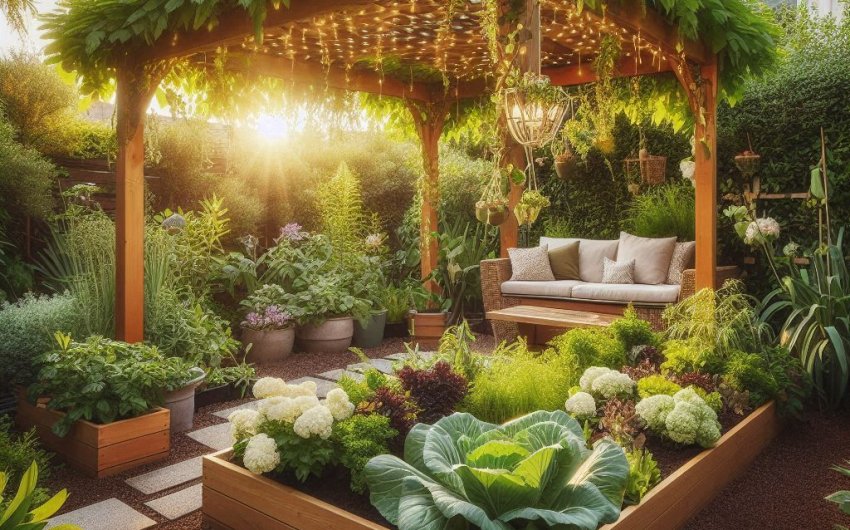
Summer is a fantastic time for gardening, but intense heat and relentless sun can be a double-edged sword. While many vegetables crave sunshine, too much direct, scorching sun can stress plants, lead to sunscald on fruits, and even cause premature bolting in leafy greens. This is where a garden canopy becomes your plants' best friend. Providing shade during the hottest parts of the day can make all the difference, especially for sensitive crops. Instead of buying an expensive pre-made structure, you can easily make a DIY garden canopy for summer using common materials. This guide will show you several simple, effective, and customizable ways to provide essential shade, ensuring your organic garden thrives even when the sun is blazing.
Why Do Your Plants Need a Garden Canopy in Summer?
While "full sun" is often recommended for many vegetables, "full sun all day" in extreme summer heat is often too much.
Benefits of a Garden Canopy:
- Prevents Sunscald: Many fruits (like tomatoes, peppers, and squash) can develop white or yellow, leathery patches from intense sun exposure. A canopy protects them.
- Reduces Plant Stress: Plants under constant scorching sun can become stressed, leading to wilting, reduced growth, and increased susceptibility to pests and diseases.
- Extends Growing Season: Allows you to grow cool-season crops (like lettuce, spinach, cilantro) further into summer without them bolting (going to seed) prematurely due to heat.
- Conserves Water: By shading the soil, a canopy reduces water evaporation, meaning you'll need to water less frequently. This is a huge win for organic gardening and water conservation.
- Improves Yields: Healthier, less stressed plants generally produce more and higher-quality fruits.
- Protects Delicate Crops: Young seedlings or sensitive herbs can be easily damaged by intense sun.
Choosing Your Shade Material: The Key to Your Canopy
The type of material you use for your DIY garden canopy will determine how much light gets through and how much heat is blocked.
Best Shade Materials:
- Shade Cloth: This is the professional choice and generally the most effective. It's specifically designed to block a certain percentage of sunlight (e.g., 30%, 40%, 50%, or even 70%).
- Percentage: For most vegetables, 30-50% shade cloth is ideal. 30% is great for leafy greens or mild summer days. 50% is better for intense heat in hotter climates or very sensitive plants.
- Benefits: Durable, breathable, allows air circulation, easy to install.
- Source: You can find garden shade cloth online or at garden supply stores.
- Old Bed Sheets or Lightweight Fabric: An easy, cheap, temporary option for mild shade.
- Benefits: Readily available, very lightweight.
- Caution: May not last long, can tear in wind, doesn't offer precise shade percentage. Use light colors to reflect heat.
- Burlap: Provides moderate, diffused shade.
- Benefits: Natural, breathable.
- Caution: Can be heavy when wet, may degrade faster.
- Lattice or Slatted Wood: Creates dappled, attractive shade.
- Benefits: Decorative, durable if properly treated/sealed.
- Caution: May be heavier and block less intense sun effectively unless slats are close together.
- Netting (with caution): While netting is typically for pest control, a very fine, tight-weave white netting might provide some minimal shade. However, it's not ideal as a primary shade material.
DIY Garden Canopy Designs: Simple & Effective
Here are a few popular DIY garden canopy designs, ranging from super simple to a bit more robust.
Design 1: The Simple Stake & Drape (Temporary / Light Shade)
This is the quickest and easiest way to provide temporary shade for a small area or a few individual plants.
Materials:
- 4-6 sturdy garden stakes (bamboo, rebar, or sturdy wooden garden stakes)
- Shade cloth or old bed sheet cut to size
- Zip ties, string, or garden clips
Instructions:
- Placement: Push stakes into the ground around your garden bed or specific plants. Aim for stakes to be taller than your mature plants, allowing for good airflow underneath.
- Form a Frame: Connect the tops of the stakes with string or lighter stakes to create a simple perimeter.
- Drape Material: Drape your shade cloth or fabric over the frame.
- Secure: Use zip ties or garden clips to secure the shade material to the stakes or frame. Make sure it's taut enough not to flap excessively in the wind, but loose enough to allow some airflow.
- Remove as Needed: This design is easy to put up in the morning and take down in the evening, or just during the hottest hours of the day.
Design 2: The PVC Hoop House (Versatile & Expandable)
This is a popular and very versatile design, often used for row covers, but excellent for a DIY garden canopy as well. It works particularly well over raised beds.
Materials:
- PVC pipes (1/2 or 3/4 inch diameter, long enough to create hoops over your bed – length depends on width of bed and desired height)
- Rebar or metal conduit (1/2 inch diameter, 18-24 inches long)
- Hacksaw or PVC cutter (to cut PVC)
- Shade cloth (cut to size of your hoop house)
- Spring clips or zip ties (to attach shade cloth to PVC)
Instructions:
- Anchor Rebar: Drive lengths of rebar 12-18 inches into the ground along the inside edges of your garden bed (or outside for in-ground beds). Space them 2-4 feet apart down the length of the bed, creating pairs directly across from each other.
- Create Hoops: Bend PVC pipes into arches and insert each end onto a piece of rebar. This forms your hoop frame.
- Add Ridge Pole (Optional but Recommended): For extra stability, especially for longer beds, run a straight piece of PVC along the top "ridge" of the hoops and attach it with zip ties or strong tape.
- Drape Shade Cloth: Drape your shade cloth over the hoops.
- Secure: Use spring clips to firmly attach the shade cloth to the PVC pipes. You may also want to use extra clamps or rocks/bricks along the bottom edges of the shade cloth to prevent wind from lifting it, but allow for easy lifting for access.
- Easy Access: The beauty of this design is you can easily lift one side of the shade cloth or completely remove it on cooler days.
Design 3: The Simple Wooden Frame (Sturdy & Aesthetic)
This design is more permanent and can be quite attractive, offering robust support for your garden canopy.
Materials:
- 4x4 or 2x4 lumber for upright posts (length depends on desired height)
- 2x4 lumber for crossbeams
- Wood screws or carriage bolts
- Post-hole digger or shovel
- Concrete mix (optional, for permanent posts)
- Shade cloth or lattice panels
- Staple gun, zip ties, or eye hooks with bungee cords (for attaching shade cloth/panels)
- Hardware to secure cloth (shade cloth clips are ideal).
Instructions:
- Dig Post Holes: Dig holes for your four corner posts. Holes should be at least 18-24 inches deep. Ensure they are square and level.
- Set Posts: Place your upright 4x4 or 2x4 posts in the holes. Ensure they are plumb (straight up and down) using a level. You can use gravel at the bottom of the hole for drainage, and tamp soil firmly around them, or pour concrete for a very permanent structure.
- Attach Crossbeams: Once posts are secure, attach 2x4 crossbeams to the tops of the posts to create a rectangular frame. Use sturdy wood screws or carriage bolts. Ensure the frame is level.
- Add Support (Optional): For larger frames, add additional crossbeams in the middle for more support.
- Attach Shade Material:
- Shade Cloth: Drape the shade cloth over the wooden frame. Secure it with a staple gun (on the edges of the wood), zip ties, or use eye hooks on the frame with bungee cords that clip to grommets on the shade cloth (allows for easy removal).
- Lattice/Slats: Simply screw wooden lattice panels or individual slats directly to the top frame.
- Finishing (Optional): You can paint or stain the wood to protect it and match your garden aesthetic.
Essential Tips for Using Your DIY Garden Canopy Organically
- Monitor Your Plants: Always observe your plants. If they look leggy or pale, they might be getting too much shade. If they look scorched or stressed, they might need more. Adjust the amount of shade (e.g., use a higher percentage shade cloth, or remove the canopy on cloudy days).
- Temporary Shade is Often Best: Most summer vegetables need sun in the morning and late afternoon. Often, providing shade only during the hottest part of the day (e.g., 11 AM to 4 PM) is sufficient. This is why easily removable designs are valuable.
- Ensure Airflow: Crucial! Don't create an airless "hot box." Designs should allow for good air circulation to prevent heat buildup and fungal diseases. Leave sides open or easily lifted.
- Support Vining Plants: If your canopy provides vertical support (like a trellis), gently guide your climbing plants (cucumbers, beans, indeterminate tomatoes) onto it as they grow.
- Watering Still Important: While mulch and shade reduce water loss, consistent watering is still vital for plants.
- Don't Forget Pollinators: Remove canopy when plants are flowering (if it's blocking access) or ensure enough other open, unshaded flowers are available for bees. If you use a permanent structure, consider which plants you put directly under the heaviest shade.
A DIY garden canopy for summer is an invaluable addition to any organic garden, especially in regions with intense summer heat. It's a simple, sustainable, and customizable solution that directly contributes to the health and productivity of your plants. By protecting your precious vegetables from scorching sun and excessive heat, you'll ensure a more abundant, stress-free, and truly organic harvest all season long. Happy shading!