
How to Use Banana Peels as Organic Fertilizer?
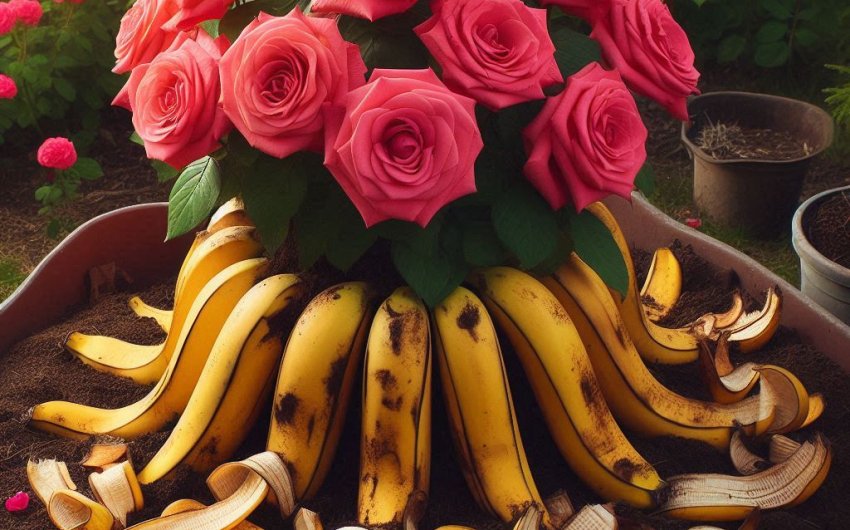
To use banana peels as organic fertilizer, you can chop them and bury them directly in the soil, steep them in water to create a liquid feed, or incorporate them into your compost pile. These methods leverage the peels' rich potassium content to promote healthy plant growth, flowering, and fruiting in an eco-friendly way.
Why Are Banana Peels Good for Plants?
Banana peels are a surprising yet powerful resource for gardeners looking to embrace organic fertilizer methods. Far from being simple kitchen waste, these humble peels are packed with essential nutrients that can significantly benefit your plants, making them a fantastic, free, and sustainable addition to your gardening toolkit. Understanding why they are good for plants helps explain the various methods for using banana peels as organic fertilizer.
Rich in Potassium (K)
The standout nutrient in banana peels is potassium (K). Potassium is one of the three macronutrients (alongside nitrogen and phosphorus) that plants need in large quantities for healthy growth.
- Flower and Fruit Development: Potassium is absolutely vital for flower and fruit development. It plays a key role in the formation of strong flower buds and helps plants produce abundant, healthy fruits. For flowering plants, this translates to more vibrant and prolific blooms. For fruiting plants (like tomatoes, peppers, and squash), it means higher yields and better-quality produce.
- Water Regulation: Potassium helps plants regulate water uptake and movement, making them more resilient to drought and stress.
- Disease Resistance: It also contributes to stronger cell walls, enhancing the plant's natural defenses against diseases and pests.
- Overall Plant Health: Adequate potassium promotes robust overall plant health, from root development to stem strength.
While the NPK (Nitrogen-Phosphorus-Potassium) ratio of banana peels isn't high like synthetic fertilizers, their high potassium content is incredibly beneficial for targeted plant needs, particularly during flowering and fruiting stages. A typical NPK analysis for dried banana peels might be around 0-0.4-0.4, showcasing their potassium focus.
Source of Other Micronutrients
Beyond potassium, banana peels contain a range of other valuable micronutrients and trace elements, all of which contribute to plant vitality:
- Phosphorus (P): Essential for root development, flowering, and energy transfer within the plant.
- Calcium (Ca): Crucial for cell wall formation, preventing issues like blossom end rot in tomatoes.
- Magnesium (Mg): A central component of chlorophyll, essential for photosynthesis and vibrant green foliage.
- Manganese (Mn): Involved in photosynthesis, nitrogen metabolism, and enzyme activation.
- Sulfur (S): Important for protein formation and chlorophyll production.
- Sodium (Na): Present in small amounts, though high levels can be detrimental.
- Other Trace Elements: Zinc, boron, iron, and copper are present in smaller, but still beneficial, quantities.
These diverse nutrients contribute to the overall nutritional balance that a plant needs, supporting healthy growth from various angles.
Boosts Soil Microbial Activity
As banana peels break down in the soil, they provide a feast for beneficial soil microorganisms.
- Decomposition: These microbes (bacteria, fungi) are responsible for decomposing organic matter, breaking it down into forms that plants can readily absorb.
- Nutrient Cycling: Increased microbial activity enhances nutrient cycling in the soil, making other nutrients more available to plants over time.
- Healthy Soil Structure: The presence of organic matter and microbial life also contributes to healthier soil structure, improving aeration and water retention.
Environmentally Friendly
Using banana peels as organic fertilizer is a fantastic example of sustainable gardening.
- Waste Reduction: It diverts kitchen waste from landfills, reducing your household's carbon footprint.
- Chemical-Free: It's a completely natural and chemical-free way to fertilize your plants, contributing to a healthier environment for your garden, family, and local wildlife.
- Free Resource: You're turning something you would otherwise discard into a valuable, free plant nutrient source.
In essence, banana peels are a natural powerhouse, offering a potassium boost vital for flowering and fruiting, a spectrum of other essential nutrients, and a boost to soil life, all while being an environmentally responsible way to nourish your plants.
What Are the Best Methods for Using Banana Peels as Organic Fertilizer?
There are several effective ways to use banana peels as organic fertilizer, each with its own benefits and ideal applications. The key is to break them down so that their nutrients can be released and absorbed by your plants.
1. Burying Chopped Banana Peels Directly in Soil
This is one of the simplest and most direct methods for providing a slow-release nutrient boost, especially to established plants or when preparing new planting holes.
- How to Do It:
- Chop: Cut fresh or dried banana peels into small pieces (1/2 to 1 inch cubes). Smaller pieces break down faster.
- Dig a Trench/Hole: For individual plants, dig a small trench or hole around the base of the plant, about 4-6 inches deep, or near the drip line (the outer edge of the plant's canopy). For new plantings, place them at the bottom of the planting hole before placing the plant.
- Bury: Place the chopped peels in the trench/hole and cover completely with soil. Ensure they are fully buried to prevent attracting pests or rotting on the surface.
- Best For:
- Flowering and Fruiting Plants: Tomatoes, peppers, roses, fruit trees, berry bushes.
- New Plantings: Provides a nutrient boost as roots develop.
- Established Plants: A good way to side-dress.
- Benefits: Slow-release of nutrients as they decompose. Minimal effort.
- Considerations: Takes time for nutrients to become available (several weeks to months). Ensure full burial to avoid pests (rodents, fruit flies) or mold.
2. Making Banana Peel Tea (Liquid Fertilizer)
This method provides a quicker release of nutrients and is excellent for feeding container plants or giving a rapid boost.
- How to Do It:
- Gather Peels: Collect 3-5 banana peels. You can use fresh or dried peels.
- Soak: Place the peels in a large jar or bucket and fill with 1 gallon of non-chlorinated water (rainwater or tap water left out overnight).
- Steep: Let the peels steep for 24-48 hours. The longer it steeps, the stronger the tea will be. You might notice the water turning slightly cloudy or brownish.
- Strain: Strain out the banana peels (you can compost them afterwards) and use the liquid.
- Dilute (Optional but Recommended): Some gardeners dilute the "tea" with an equal part of plain water, especially for sensitive plants.
- Apply: Use the banana peel tea to water your plants directly at the base.
- Best For:
- Container Plants: Provides a readily available liquid feed.
- Flowering Plants: Roses, orchids, any plant needing a potassium boost for blooms.
- Young Seedlings: Diluted, it can give a gentle start.
- Benefits: Nutrients are more immediately available. Can be used for foliar feeding (spraying leaves) if diluted further.
- Considerations: Doesn't provide long-term benefits to soil structure. Use within a day or two to prevent fermentation and odor.
3. Incorporating into Compost
Adding banana peels to your compost pile is an excellent way to enrich your finished compost with valuable nutrients.
- How to Do It:
- Chop: Chop peels into smaller pieces (1-2 inches) to speed up decomposition.
- Add to Pile: Toss them into your compost bin or pile with other "green" (nitrogen-rich) materials and "brown" (carbon-rich) materials.
- Mix: Ensure they are well mixed into the pile, not just sitting on top, to encourage decomposition and prevent pests.
- Best For:
- General Soil Improvement: Enriches the overall nutrient content of your compost.
- Long-Term Fertility: The finished compost can be used throughout your garden for all types of plants.
- Benefits: Contributes to a balanced, nutrient-rich compost. Reduces waste.
- Considerations: Takes time for peels to fully break down into usable compost (weeks to months).
4. Drying and Grinding into Powder
This method creates a concentrated, slow-release powder that's easy to store and apply.
- How to Do It:
- Clean and Dry: Rinse peels and remove any stickers. Spread them on a baking sheet.
- Dry: Bake in an oven at the lowest temperature (e.g., 150-200°F or 65-95°C) until completely brittle and crispy (can take several hours). Alternatively, use a food dehydrator or air dry in a well-ventilated area until fully dry.
- Grind: Once completely dry, grind the crispy peels into a fine powder using a coffee grinder or blender.
- Store: Store the powder in an airtight container in a cool, dark place.
- Apply: Sprinkle the powder around the base of plants, lightly scratch it into the soil, and water thoroughly. Or, mix into potting soil before planting.
- Best For:
- Container Plants: Easy to top-dress or mix into potting mix.
- Long-Term Storage: Create a stash for later use.
- Controlled Application: Precise way to add nutrients.
- Benefits: Concentrated nutrients. Easy to store and apply. Slower release than liquid, faster than whole peels.
- Considerations: Requires a drying process.
Each method offers a unique way to harness the power of banana peels as organic fertilizer, allowing you to choose the best approach based on your needs, time, and garden setup.
How Do I Prepare Banana Peels for Use as Organic Fertilizer?
Proper preparation of banana peels is crucial to maximize their effectiveness and minimize potential issues when using banana peels as organic fertilizer. The goal is to make their nutrients available to plants while preventing pests or mold.
1. Collect Your Banana Peels
Start by simply collecting banana peels from your daily fruit consumption.
- Storage (Short-Term): You can store them in a sealed container in the refrigerator for a few days if you don't have enough for immediate use. You can also freeze them in a freezer bag for longer storage until you have a larger batch. Freezing them also helps break down cell walls, potentially speeding up decomposition when used.
- Organic Only: Ideally, use peels from organic bananas to ensure no pesticide residues are introduced into your garden. If using conventional banana peels, a thorough wash before use is recommended.
2. Clean the Peels (Optional but Recommended)
- Rinse: Briefly rinse the peels under cool running water. This helps remove any sticky residue, sugar, or potential dirt.
- Pat Dry: For methods involving drying (like making powder or air drying), pat them completely dry before proceeding.
3. Chop or Cut the Peels
This is a critical step for almost all methods.
- Increase Surface Area: Chopping the peels into smaller pieces (1/2 inch to 1 inch squares or strips) significantly increases their surface area.
- Faster Decomposition: More surface area means beneficial microbes in the soil can break them down much faster. This releases nutrients more quickly, making them available to your plants sooner.
- Easier Handling: Small pieces are easier to mix into soil, add to compost, or use for liquid tea.
- Prevent Pests and Odor: Smaller pieces decompose faster, reducing the likelihood of attracting fruit flies or other pests, and minimizing any potential odor from rotting large pieces.
- Tools: Use sharp kitchen scissors, a knife, or even a food processor to chop the peels.
4. Choose Your Method of Breakdown (Based on Application)
Once chopped, you can prepare the peels further based on how you plan to use them.
For Direct Burial / Soil Amendment:
- Fresh or Dried: You can use fresh chopped peels directly. If you have frozen them, you can thaw and chop them.
- Small Pieces: Ensure pieces are small enough to break down efficiently in the soil.
For Banana Peel Tea (Liquid Fertilizer):
- Fresh or Dried: Either fresh or dried chopped peels work. Fresh peels will start releasing nutrients immediately.
- Steeping: Follow the instructions for making "banana peel tea" (soaking in water for 24-48 hours). Chopped pieces will steep more effectively than whole peels.
For Composting:
- Chop and Mix: Chop into 1-2 inch pieces and integrate them well into your compost pile, ensuring a good balance of "greens" (nitrogen-rich materials) and "browns" (carbon-rich materials). This prevents them from clumping and becoming anaerobic.
For Dried Powder (Banana Peel Meal):
- Drying is Key: This method requires thoroughly drying the peels until they are completely brittle.
- Oven Drying: Preheat oven to its lowest setting (e.g., 150-200°F or 65-95°C). Spread chopped or whole peels on a baking sheet. Bake for several hours, checking frequently, until they are crispy. Leave the oven door ajar to allow moisture to escape.
- Dehydrator: Arrange peels in a single layer on dehydrator trays. Set to 95-105°F (35-40°C) and dry until brittle.
- Air Drying: For small quantities, you can string them up or lay them on screens in a warm, dry, well-ventilated area, but this takes longer and risks mold if humidity is high.
- Grinding: Once thoroughly dry, grind the brittle peels into a fine powder using a dedicated coffee grinder or blender. The finer the powder, the faster the nutrients will be released once applied to the soil.
By taking these preparation steps, you ensure that your banana peels are ready to deliver their valuable nutrients efficiently and safely to your plants, making them a fantastic and easy-to-use organic fertilizer in your garden.
What Plants Benefit Most from Banana Peel Fertilizer?
While most plants can benefit from the nutrients found in banana peels, certain plants truly thrive on their potassium-rich composition. Knowing which plants respond best to banana peel fertilizer helps you strategically use this organic fertilizer where it will have the biggest impact in your garden.
1. Flowering Plants
Potassium is paramount for robust bloom development. Plants that produce showy flowers or are heavy bloomers will particularly appreciate the potassium boost.
- Roses: Renowned for their love of potassium, roses respond with more abundant and vibrant blooms when given banana peel fertilizer.
- Orchids: Many orchid varieties are epiphytes and thrive on dilute, gentle feeding. Banana peel tea is an excellent choice for these delicate beauties, promoting strong root growth and impressive flower spikes.
- Hibiscus: These tropical beauties are heavy feeders and benefit from consistent potassium to fuel their large, continuous blooms.
- Geraniums (Pelargoniums): Known for their long flowering season, geraniums will produce more colorful blooms with adequate potassium.
- Flowering Shrubs: Hydrangeas (especially for bloom quality, though pH influences color), azaleas, and rhododendrons can all benefit.
2. Fruiting Vegetables & Plants
Potassium is essential for fruit formation, size, and flavor. These plants are big consumers of potassium.
- Tomatoes: A classic example. Potassium helps prevent blossom end rot (often associated with calcium deficiency, but good potassium helps overall plant health and nutrient uptake) and is critical for ripening flavorful, large fruit.
- Peppers: Both sweet and hot peppers will produce more fruit and have better flavor with sufficient potassium.
- Squash (Zucchini, Pumpkins, Cucumbers): These vining plants produce a large number of fruits and are heavy feeders, especially during their fruiting period.
- Strawberries & Berries: Promote better fruit set, size, and sweetness in all berry varieties.
- Fruit Trees (Young & Established): Especially during fruit development stages, banana peels can supplement potassium for apple, peach, citrus, and other fruit trees.
3. Root Vegetables
While potassium is famous for flowers and fruits, it also plays a role in overall plant vigor and nutrient distribution that can benefit root crops.
- Potatoes: Good for tuber development.
- Carrots, Beets, Radishes: Contributes to healthy root formation.
4. Houseplants (Especially Flowering Types)
Container plants often deplete soil nutrients faster.
- General Houseplants: A diluted banana peel tea can provide a gentle, natural feed.
- Flowering Houseplants: African Violets, Christmas Cactus, Peace Lilies, and other indoor bloomers will appreciate the potassium for more prolific flowering.
5. Plants Requiring Calcium and Magnesium
Beyond potassium, the calcium and magnesium in banana peels are beneficial for plants susceptible to related deficiencies.
- Tomatoes: As mentioned, good potassium and calcium levels help prevent blossom end rot.
- Peppers: Also benefit from calcium.
- Brassicas (Broccoli, Cabbage, Kale): These leafy greens need magnesium for healthy, dark green foliage.
Plants Where Banana Peels Might Be Less Impactful (or Require Caution):
- Acid-Loving Plants: While banana peels are generally pH neutral as they decompose, some heavily acid-loving plants (e.g., blueberries, azaleas, rhododendrons that specifically require highly acidic soil) might not be the primary beneficiaries if you're looking for strong acidification.
- Young Seedlings (Direct Burial): While banana peel tea can be used diluted, direct burial of whole or large pieces of peels might be too slow to break down for immediate nutrient needs of very young, hungry seedlings, or could cause localized high concentrations as they break down.
- Lawn Grass: While it has potassium, banana peels are not a practical or efficient primary fertilizer for large lawn areas.
By strategically applying banana peels as organic fertilizer to these specific types of plants, you can provide a targeted nutrient boost that helps them reach their full potential, resulting in more vibrant blooms and abundant harvests.
Are There Any Downsides or Precautions When Using Banana Peels as Organic Fertilizer?
While using banana peels as organic fertilizer is largely beneficial and environmentally friendly, there are a few potential downsides and important precautions to be aware of. Addressing these will help you maximize the benefits and avoid common pitfalls when incorporating banana peels into your gardening routine.
1. Attracting Pests
This is the most common concern, especially with fresh, unburied peels.
- Fruit Flies: Fresh banana peels left exposed on the soil surface will quickly attract fruit flies, which can be a nuisance indoors or near outdoor living areas.
- Rodents and Raccoons: In outdoor gardens, larger pests like mice, rats, squirrels, and raccoons can be attracted to the sweet smell of decomposing bananas, digging them up and potentially disturbing your plants.
- The Fix:
- Always Bury: If using fresh or lightly dried peels directly in the soil, bury them completely and deeply (at least 4-6 inches) to prevent animal access.
- Chop Small: Chopping peels into small pieces helps them decompose faster, reducing the time they remain attractive to pests.
- Compost Correctly: If adding to compost, ensure peels are well-mixed into the pile and the pile is actively heating up, which speeds decomposition.
- Dried Powder: Using dried and ground banana peel powder significantly reduces pest attraction.
2. Slow Nutrient Release (for Direct Application)
While beneficial for long-term feeding, the nutrients in directly buried banana peels aren't immediately available to plants.
- Decomposition Time: It takes weeks to months for the peels to fully break down through microbial action and release their nutrients into a plant-available form.
- The Fix:
- Complementary Feeding: Don't rely solely on buried banana peels for immediate nutrient needs, especially for hungry plants or those actively flowering/fruiting. Supplement with a faster-acting organic fertilizer like compost tea or a balanced liquid feed if needed.
- Banana Peel Tea: If you need a quick potassium boost, banana peel tea provides more readily available nutrients.
- Chop Fine: Again, smaller pieces decompose faster.
3. Imbalanced Nutrient Profile
Banana peels are very high in potassium, but they are relatively low in nitrogen and phosphorus.
- Not a Complete Fertilizer: While great for boosting potassium, banana peels are not a complete, balanced fertilizer that provides all the macronutrients a plant needs for overall growth (leaves, roots, flowers, fruit).
- The Fix:
- Combine with Other Amendments: Use banana peels as part of a broader organic fertilizer strategy. Supplement with other organic materials rich in nitrogen (e.g., coffee grounds, blood meal, worm castings) and phosphorus (e.g., bone meal, rock phosphate) as needed, or use a balanced compost.
- Soil Testing: For optimal plant health, consider a soil test every few years to understand your garden's specific nutrient deficiencies and adjust your feeding strategy accordingly.
4. Potential for Mold
If peels are left exposed or are too moist during drying, they can develop mold.
- The Fix:
- Proper Drying: When making banana peel powder, ensure the peels are completely dry and brittle before grinding and storing. Any moisture will lead to mold.
- Airflow in Compost: In compost, ensure good aeration and a proper carbon-to-nitrogen ratio to encourage healthy decomposition over mold growth.
- Bury Fully: If burying, ensure they are fully covered by soil to prevent surface mold.
5. Source of Contaminants (Conventional Peels)
- Pesticide Residues: Conventionally grown bananas can have pesticide residues on their peels. While generally safe for consumption, you might want to avoid introducing these into your organic garden.
- The Fix:
- Choose Organic: Whenever possible, use peels from organic bananas.
- Wash Thoroughly: If using conventional peels, wash them meticulously before preparation.
By being mindful of these considerations and taking appropriate precautions, you can effectively and safely use banana peels as organic fertilizer, transforming kitchen waste into a valuable resource that promotes healthy, vibrant growth in your garden.