
How to Grow Organic Lettuce Indoors with LED Lights?
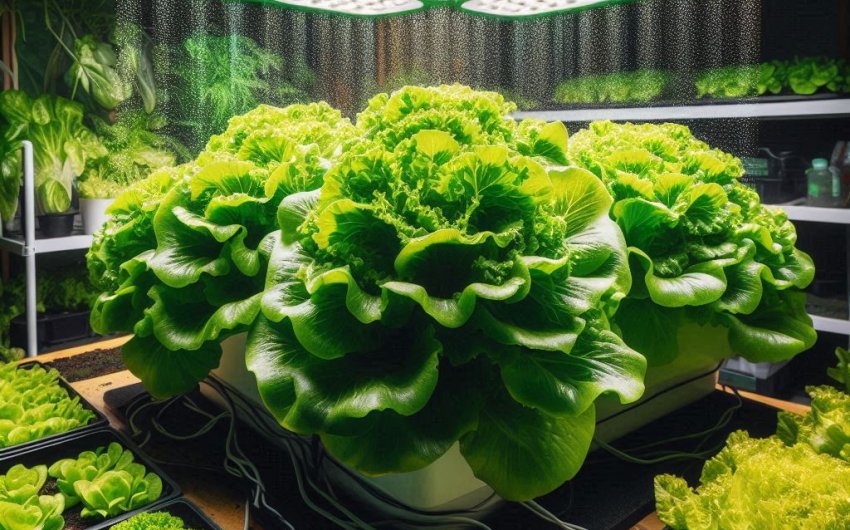
To grow organic lettuce indoors with LED lights successfully, provide ample full-spectrum light for 12-16 hours daily, use a well-draining organic potting mix, and ensure consistent watering. This setup allows for fresh, pesticide-free greens regardless of outdoor conditions.
Why Grow Organic Lettuce Indoors with LED Lights?
Growing organic lettuce indoors with LED lights offers unparalleled convenience and control, making fresh, healthy greens accessible year-round, even in urban environments or during winter months.
- Year-Round Harvests: Say goodbye to seasonal limitations. Enjoy fresh lettuce salads any day, any time, regardless of outdoor weather.
- Pesticide-Free & Organic: You control the entire growing environment, ensuring your lettuce is truly organic, free from synthetic pesticides, herbicides, or unknown chemicals.
- Space Efficiency: Ideal for apartments, small homes, or anyone with limited outdoor space. A simple shelf setup can yield a surprising amount of lettuce.
- Cost Savings: Over time, growing your own lettuce is significantly more economical than continuously buying expensive organic greens from the grocery store.
- No Pests (Mostly!): Indoor environments greatly reduce the risk of common garden pests like slugs, snails, and aphids.
- Convenience: Fresh lettuce is just steps away from your kitchen, ready to be snipped for meals.
- Controlled Environment: You control light, temperature, and water, leading to more predictable and often higher-quality harvests.
- Educational for All Ages: A fantastic project for families, teaching children about food production and plant care.
What Are the Best Lettuce Varieties for Indoor Growing?
Not all lettuce types thrive equally indoors. Opt for varieties that are compact, quick-growing, and well-suited for repetitive harvesting.
Loose-Leaf Varieties (Recommended for "Cut-and-Come-Again")
These are ideal because you can harvest individual leaves, allowing the plant to continue producing more.
- 'Black Seeded Simpson': Classic light green, crinkly leaves. Fast-growing and reliable.
- 'Green Salad Bowl': Lobed, light green leaves with a slightly frilly texture. Known for heat tolerance (good for indoor warmth) and good re-growth.
- 'Red Salad Bowl': Similar to Green Salad Bowl but with attractive reddish-bronze leaves.
- 'Grand Rapids': Very popular for indoor growing, producing large, ruffled, light green leaves quickly.
- 'Oakleaf' Varieties (Green and Red): Beautifully lobed leaves that resemble oak leaves. Tender and slow to bolt indoors.
- 'Buttercrunch' (Bibb/Butterhead type): Forms loose heads of tender, buttery leaves. While it forms a head, outer leaves can be harvested, or the whole head can be taken.
Compact Romaine Varieties
While most Romaines form larger, upright heads, some compact varieties can work well.
- 'Little Gem': A miniature Romaine that forms small, crunchy heads. You can harvest outer leaves or the whole small head.
- 'Paris Island Cos' (compact plants): Look for seeds specifically mentioning "compact" growth.
Varieties to Be Cautious With
- Large Head Lettuces (e.g., Iceberg, full-size Romaine): These generally require more space and longer growing times, making them less efficient for typical indoor setups.
- Heirloom Varieties with Specific Needs: Some heirlooms might be more sensitive to indoor conditions. Stick to reliable indoor growers first.
What Kind of LED Lights Do You Need for Organic Lettuce Indoors?
LED grow lights are the cornerstone of successful indoor organic lettuce cultivation, providing the precise light spectrum and intensity required.
1. Full-Spectrum LED Grow Lights
- Why Full Spectrum? Plants need a range of light wavelengths (red, blue, green) for photosynthesis and healthy growth. Full-spectrum LEDs mimic natural sunlight, providing all the necessary wavelengths.
- Benefits of LEDs:
- Energy Efficient: Consume significantly less electricity than traditional fluorescent or HID lights, saving on your energy bill.
- Low Heat Output: Produce very little heat, reducing the risk of scorching plants and keeping your indoor space cooler. This is crucial for heat-sensitive lettuce.
- Long Lifespan: LEDs last for tens of thousands of hours, meaning less frequent replacement.
- Targeted Spectrum: Many are optimized for vegetative growth, which is perfect for leafy greens.
- Types:
- Light Strips: Great for shelf setups, often come in slim, easy-to-mount designs. A popular choice is LED Grow Light Strips.
- Panel Lights: Provide broader, more intense coverage, suitable for larger trays or multiple plants.
- Bulbs (E26/E27 base): Can be screwed into standard light fixtures, good for small-scale setups. Look for LED Grow Light Bulbs.
2. Light Duration and Timer
- Duration: Lettuce needs 12-16 hours of light per day. Consistent light is key.
- Timer: An Indoor Grow Light Timer is essential for automating your lighting schedule, ensuring plants get consistent light without manual intervention.
3. Light Distance and Intensity
- Adjustable Height: Your lights should be adjustable in height, allowing you to move them closer or further from the plants.
- Distance: Start with lights 6-12 inches above the top of your seedlings. Observe your plants:
- Stretching/Leggy: Lights are too far away. Move them closer.
- Scorching/Browning: Lights are too close or too intense. Move them further away.
- Testing Light Intensity (Optional but Helpful): You can use a light meter app on your phone (though not perfectly accurate) or a dedicated PAR Meter for Grow Lights to ensure adequate Photosynthetically Active Radiation (PAR) for optimal growth.
What's the Best Organic Soil Mix and Containers for Indoor Lettuce?
The right foundation is crucial for successful organic lettuce indoors.
Organic Potting Mix
- Well-Draining: Lettuce needs consistently moist soil, but also good drainage to prevent root rot.
- Lightweight and Fluffy: Allows for good aeration, important for root health.
- Nutrient-Rich: Provides the initial food for your lettuce.
- Components:
- Organic Potting Soil: Look for bags specifically labeled "organic" that are free from synthetic fertilizers or pesticides. Many brands offer dedicated Organic Potting Soil for Vegetables.
- Compost: Incorporate a generous amount (10-20% by volume) of well-rotted Organic Compost for a slow release of nutrients and improved soil structure.
- Perlite or Vermiculite: Add 10% to improve drainage and aeration, especially if your base potting mix feels heavy. Organic Perlite is a good choice.
- Worm Castings: Mix in a few scoops of Organic Worm Castings for gentle, balanced feeding and beneficial microbes.
Containers
- Drainage Holes: Non-negotiable! Every container MUST have drainage holes to prevent soggy soil and root rot.
- Shallow Depth: Lettuce roots are relatively shallow. Containers 4-6 inches deep are often sufficient.
- Size/Type:
- Seed Starting Trays: For starting seeds before transplanting.
- Individual Pots: 4-6 inch pots for single plants.
- Rectangular Planters/Window Boxes: Excellent for continuous rows of lettuce.
- Recycled Containers: Cleaned food containers (yogurt cups, milk jugs) can work if drainage holes are added.
- Self-Watering Planters: Can be great for consistent moisture, but ensure they are easy to clean and don't lead to stagnant water. A Self-Watering Planter can be very convenient.
How Do You Plant Organic Lettuce Indoors?
Whether starting from seed or transplanting, proper planting sets your organic indoor lettuce up for success.
1. Starting from Seed
- Seed Quality: Use fresh Organic Lettuce Seeds from a reputable supplier.
- Prepare Containers: Fill your chosen containers with your organic potting mix, leaving about 1 inch of space from the rim.
- Sow Seeds: Lettuce seeds are tiny.
- Direct Sow: Sprinkle seeds thinly over the surface of the soil. You can plant a small "patch" of loose-leaf lettuce or sprinkle them in rows.
- Cover Lightly: Gently cover the seeds with a very thin layer (about 1/8 inch) of potting mix or vermiculite. Some lettuce varieties need light to germinate, so don't bury them too deep.
- Water Gently: Mist the surface thoroughly with a Fine Mist Spray Bottle to avoid dislodging seeds.
- Germination: Keep soil consistently moist. Germination usually occurs in 7-14 days. Lettuce prefers cooler temperatures (60-70°F or 15-21°C) for germination; high heat can inhibit it.
2. Thinning Seedlings
- Why Thin? Overcrowding leads to weak, spindly plants competing for light and nutrients.
- When to Thin: Once seedlings have their first set of true leaves (the second set of leaves to appear).
- Spacing: Thin to a final spacing of 4-6 inches apart for loose-leaf varieties, or 6-8 inches for larger butterhead/romaine types. You can eat the thinnings!
How Do You Water Organic Lettuce Indoors?
Consistent moisture is crucial for tender, crisp lettuce. Organic lettuce indoors dries out faster than outdoor garden beds.
Watering Guidelines
- Moist, Not Soggy: The goal is consistently moist soil, never waterlogged or completely dried out. Lettuce is mostly water, and inconsistent watering leads to bitterness or bolting.
- Check Daily: Feel the top inch of soil. If it feels dry, it's time to water.
- Water Thoroughly: Water until you see water draining from the bottom of the pot.
- Empty Saucers: Always discard any excess water in the saucer after 15-30 minutes to prevent roots from sitting in stagnant water.
- Bottom Watering (Optional): For consistent moisture without disturbing plants, place pots in a tray of water for 15-30 minutes until the top of the soil feels damp. Remove and drain.
- Water Temperature: Use room temperature water. Cold water can shock plants.
- Chlorine: If your tap water has high chlorine, let it sit out for 24 hours before using, or use filtered water.
How Do You Fertilize Organic Lettuce Indoors?
Even with nutrient-rich potting mix, your organic indoor lettuce will eventually use up available nutrients. Regular, gentle feeding is necessary.
Organic Fertilization Strategy
- Start Gentle: The initial potting mix with compost and worm castings should be enough for the first 2-3 weeks.
- Consistent Feeding: Since you are continuously harvesting leaves, consistent but mild feeding is better than infrequent heavy doses.
Recommended Organic Fertilizers
- Compost Tea: Brew your own from Organic Compost or purchase a concentrate. It provides gentle, balanced nutrients and beneficial microbes. Apply every 2-3 weeks.
- Liquid Seaweed/Kelp Extract: Excellent for leafy greens, providing potassium and a wide range of micronutrients that promote strong cell structure and overall plant health. Dilute Organic Seaweed Liquid Fertilizer according to package directions and apply every 2-3 weeks.
- Fish Emulsion: A good source of nitrogen, which leafy greens crave. Can have a slight odor initially. Dilute Organic Fish Emulsion Fertilizer and use every 3-4 weeks.
- Worm Castings (Top-Dressing): Every 4-6 weeks, sprinkle a thin layer of Organic Worm Castings on top of the soil and gently scratch it in.
Application Tips
- Always Dilute: Never use concentrated liquid fertilizers directly. Follow package instructions.
- Water Before Fertilizing: Apply liquid fertilizers to already moist soil to prevent root burn.
- Observe Your Plants: If leaves are pale or growth slows, it might be time for a feeding. If leaf tips brown, it could be over-fertilization (flush with plain water).
How Do You Maintain Temperature, Humidity, and Airflow for Indoor Lettuce?
These environmental factors contribute significantly to the health and crispness of your organic indoor lettuce.
Temperature
- Ideal Range: Lettuce thrives in cooler temperatures, between 60-70°F (15-21°C).
- Avoid Heat: Temperatures consistently above 75°F (24°C) can cause lettuce to become bitter and "bolt" (send up a flower stalk and go to seed prematurely). If your indoor space is too warm, consider moving plants to a cooler room, or ensure good air circulation.
Humidity
- Moderate Humidity: Lettuce prefers moderate humidity. Most indoor environments are fine, but very dry heated homes can cause issues.
- Solutions for Low Humidity:
- Pebble Tray: Place pots on a tray filled with pebbles and a shallow layer of water (ensure pots don't sit in water). As water evaporates, it raises local humidity.
- Humidifier: For larger setups or very dry homes, a small Indoor Plant Humidifier can be beneficial.
- Grouping Plants: Grouping plants together can slightly increase local humidity.
Airflow / Air Circulation
- Why Important: Good air movement helps strengthen plant stems, reduces the risk of fungal diseases (like damping-off in seedlings or powdery mildew), and deters some pests.
- Solutions:
- Slight Breeze: A small Clip-on Grow Tent Fan on a low setting pointed away from plants (to create gentle ambient movement, not a direct blast) for a few hours a day.
- Spacing: Ensure plants aren't too crowded to allow air to circulate around foliage.
How Do You Harvest Organic Lettuce Indoors for Continuous Growth?
The "cut-and-come-again" method is perfect for organic indoor lettuce, ensuring a steady supply of fresh leaves.
"Cut and Come Again" Harvesting
- When to Start: Begin harvesting when outer leaves are 4-6 inches long.
- Outer Leaves First: Use clean Kitchen Shears or your fingers to snip or pinch off the largest, outermost leaves.
- Leave the Heart: Always leave the central growing point of the plant intact, along with at least 1/3 to 1/2 of the mature leaves. This allows the plant to continue photosynthesizing and producing new leaves.
- Frequency: You can usually harvest every 1-2 weeks from the same plant.
- Remove Yellowing Leaves: Regularly remove any yellow, damaged, or discolored leaves. This encourages the plant to put energy into new growth.
Whole Head Harvesting (Optional)
- For butterhead or romaine varieties that form a loose head, you can harvest the entire head by cutting it at the base of the plant. If you do this, you'll need to replant for a continuous supply.
Bolting (Going to Seed)
- What it is: When lettuce plants send up a tall flower stalk, the leaves become bitter and tough. This happens due to high temperatures, inconsistent watering, or the plant reaching the end of its life cycle.
- Solution: Harvest all remaining usable leaves before bolting progresses too far. Then, remove the bolted plant and replant. Regular harvesting and cool temperatures help delay bolting.
How Do You Manage Pests and Diseases Organically on Indoor Lettuce?
While indoor growing reduces pest issues, they can still occur. Organic management is crucial for organic indoor lettuce.
Common Pests (and How They Get In)
- Fungus Gnats: Small, dark flying insects that hover around soil. Their larvae feed on organic matter in damp soil. Often introduced with new potting mix or plants.
- Organic Solution: Allow the top inch of soil to dry out between waterings. Use Yellow Sticky Traps for Fungus Gnats to catch adults. Beneficial nematodes (microscopic worms) can control larvae.
- Aphids: Small, soft-bodied insects, often green, found on undersides of leaves or new growth. Can be introduced on new plants.
- Organic Solution: Blast with a strong stream of water (take plants to a sink). Dab with a cotton swab dipped in rubbing alcohol. Use Organic Insecticidal Soap Spray (ensure it's safe for edibles and rinse leaves before eating).
- Spider Mites: Tiny, almost invisible pests that cause stippling (tiny dots) on leaves and fine webbing. Thrive in dry, warm conditions.
- Organic Solution: Increase humidity. Spray thoroughly with water (especially undersides). Apply Organic Neem Oil for Plants solution.
Common Diseases
- Damping-Off: A fungal disease that causes seedlings to collapse at the soil line.
- Prevention: Use sterile seed-starting mix. Ensure good air circulation. Don't overwater.
- Powdery Mildew: White, powdery patches on leaves.
- Prevention: Ensure good air circulation. Avoid high humidity coupled with poor airflow.
- Organic Treatment: Spray with a baking soda solution (1 teaspoon baking soda in 1 quart water with a few drops of mild soap).
General Organic Pest & Disease Prevention
- Inspect New Plants: Always inspect new plants for pests before bringing them indoors.
- Quarantine: Isolate new plants for a week or two to ensure no hidden pests emerge.
- Cleanliness: Remove dead or yellowing leaves promptly. Keep growing area clean.
- Healthy Plants: Well-fed and properly watered plants are more resistant.
The Rewarding Experience of Indoor Organic Lettuce
Successfully growing organic lettuce indoors with LED lights transforms your ability to enjoy fresh, healthy greens. It’s a testament to the power of controlled environment agriculture, offering consistent harvests of crisp, pesticide-free lettuce no matter what the weather outside. By providing optimal light, soil, water, and care, you can maintain a thriving indoor lettuce patch, bringing the joy and convenience of homegrown produce to your daily life.