
Customizable Garden Sofas: Tailoring Your Outdoor Seating to Your Style
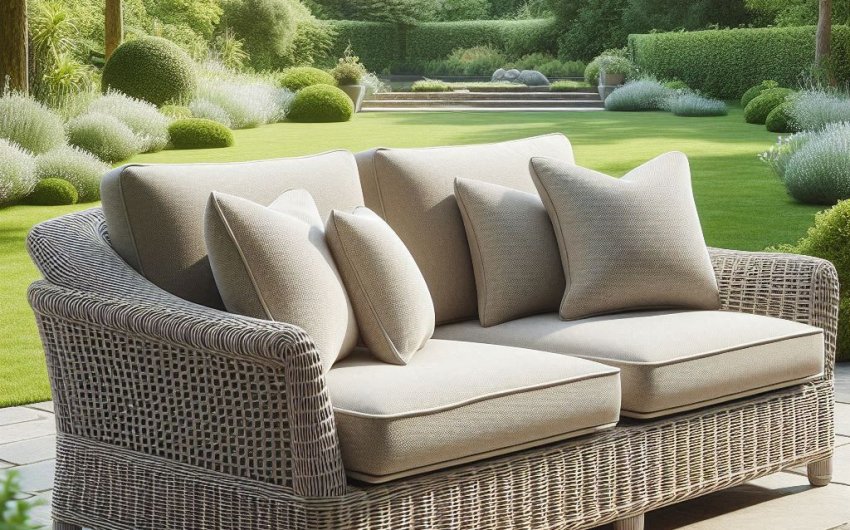
Creating an inviting and comfortable outdoor living space often revolves around the seating, and customizable garden sofas offer unparalleled flexibility to match your unique taste and spatial needs. Gone are the days of one-size-fits-all patio furniture; now, you can design outdoor seating that perfectly complements your home's aesthetic while maximizing comfort and functionality. This approach ensures your exterior space is as thoughtfully curated as your interior.
Why Choose Customizable Garden Sofas?
Opting for customizable garden sofas brings a wealth of advantages over traditional, pre-set outdoor furniture. The ability to tailor your seating means your outdoor area isn't just functional, but truly an extension of your personal style and living habits.
Perfect Fit for Any Space
The biggest benefit of customization is the ability to create seating that perfectly fits your outdoor area, no matter its size or shape. Whether you have a sprawling patio, a cozy balcony, or an L-shaped deck, modular sections can be arranged to fill the space efficiently. You're not limited by standard sofa dimensions.
Tailored to Your Lifestyle
Do you entertain large groups, or prefer intimate gatherings? Do you love lounging with a book, or dining al fresco? Customizable sofas allow you to select the number of seats, the depth of cushions, and even add features like built-in tables or chaise lounges to perfectly suit how you live and use your outdoor space.
Express Your Personal Style
Beyond just fitting the space, customizable options let you infuse your personal style into your outdoor décor. You can choose from a wide array of frame materials, cushion fabrics, and colors, ensuring your garden sofa integrates seamlessly with your existing aesthetic, whether it's modern, bohemian, classic, or minimalist.
Enhanced Comfort
Customization often means higher quality. You can select premium cushion fills, supportive backrests, and ergonomic designs that prioritize comfort for extended periods of relaxation outdoors. This attention to detail creates a truly luxurious lounging experience.
Adaptability and Future-Proofing
As your needs or outdoor space changes, a modular, customizable sofa can adapt. You can easily add more sections, reconfigure the layout, or simply update cushion covers for a fresh look. This adaptability makes it a long-term investment rather than a fleeting purchase.
Durability and Quality
Because you're often investing more in a customizable piece, manufacturers tend to use higher-quality, weather-resistant materials for both the frames and cushions. This ensures your garden sofa will withstand the elements and maintain its beauty for many years, offering excellent value.
Choosing customizable garden sofas transforms your outdoor area from a simple backyard into a personalized, comfortable, and stylish extension of your home.
What Are the Key Components of a Customizable Garden Sofa?
Understanding the different parts that make up customizable garden sofas is crucial for tailoring your outdoor seating to your precise needs and style. Each component plays a role in the sofa's look, feel, and durability.
1. Modular Sections
This is the core of customization. Instead of a fixed sofa, you get individual pieces that can be connected in various configurations.
- Corner Pieces: Allow you to create L-shaped or U-shaped sectionals.
- Armless Chairs/Middle Sections: Provide straight seating, allowing you to extend the length of your sofa.
- Ottomans: Can serve as footrests, extra seating, or even small tables.
- Chaises: Offer extended lounging space.
- Single Chairs/Armchairs: Standalone seating that can also integrate into a larger modular setup.
2. Frame Material
The frame forms the structural base of your sofa and largely determines its durability and aesthetic.
- Aluminum: Lightweight, rust-proof, and very durable. Popular for modern and minimalist designs. Often powder-coated for color and extra protection.
- Example: A powder-coated aluminum outdoor sectional.
- Woven Resin Wicker (Rattan): A synthetic material designed to mimic natural wicker. It's highly weather-resistant, UV-protected, and comes in various weaves and colors. Offers a classic, resort-like feel.
- Example: A resin wicker modular sofa set.
- Teak Wood: A premium hardwood known for its exceptional durability, weather resistance, and beautiful natural aging (patina). Requires minimal maintenance but can be expensive.
- Example: A teak outdoor sectional sofa.
- Stainless Steel: Very strong, corrosion-resistant, and offers a sleek, modern look. Can get hot in direct sun.
- Powder-Coated Steel: Heavier and sturdier than aluminum, but can be prone to rust if the coating is chipped. More affordable than aluminum or teak.
3. Cushions and Fabric
Cushions provide comfort and are a major element of your sofa's style. The fabric choice is crucial for outdoor use.
- Fill Material: Determines comfort and longevity. Options include foam, quick-dry foam, or a combination. Quick-dry foam is excellent for outdoor use, preventing mold and mildew.
- Fabric: Must be weather-resistant, UV-stabilized to prevent fading, and mold/mildew resistant.
- Solution-Dyed Acrylic (e.g., Sunbrella): Considered the gold standard for outdoor fabric. It's incredibly fade-resistant, water-repellent, and durable.
- Polyester: More affordable but generally less fade-resistant and durable than acrylic. Often treated for water resistance.
- Olefin: Good resistance to fading and moisture, often a good mid-range option.
- Removable Covers: Essential for easy cleaning. Look for zippers.
4. Connectors and Fasteners
Modular sections need reliable connectors to hold them together and prevent them from sliding apart.
- Clamps/Clips: Simple clips that slide onto the frames to hold sections together.
- Bolts/Screws: Some systems use more permanent bolt-together connections for a very secure fit.
5. Legs and Feet
Often overlooked, but important for stability and protecting the frame from ground moisture.
- Adjustable Feet: Can help level the sofa on uneven surfaces.
- Protective Caps: Prevent scratching decks or patios and deter moisture absorption into the frame.
By understanding these components, you're empowered to mix and match to design customizable garden sofas that meet your exact specifications for comfort, durability, and aesthetic appeal.
How Do You Choose the Right Frame Material?
Selecting the right frame material is a pivotal decision when investing in customizable garden sofas, as it directly impacts durability, appearance, and maintenance requirements. Each material offers distinct advantages suited to different styles and climates.
1. Aluminum
- Pros:
- Lightweight: Easy to move and reconfigure modular sections.
- Rust-Proof: Naturally resistant to rust, making it ideal for all climates, especially humid or coastal areas.
- Low Maintenance: Requires minimal upkeep beyond occasional cleaning.
- Modern Aesthetic: Often used for sleek, contemporary designs due to its ability to be cast or extruded into various shapes.
- Cons:
- Can sometimes be pricier than steel or basic plastic.
- May feel less substantial or heavy than other materials.
- Best For: Modern, minimalist, or contemporary outdoor spaces; areas with high humidity or rainfall; frequent reconfiguring of modules. Look for a powder-coated aluminum sectional for enhanced durability.
2. Woven Resin Wicker (Synthetic Rattan)
- Pros:
- Weather-Resistant: Made from synthetic fibers (often polyethylene), it's highly resistant to UV rays, moisture, fading, and cracking.
- Classic Aesthetic: Mimics the look of natural wicker but with superior durability for outdoor use.
- Lightweight to Mid-Weight: Generally easy to move.
- Variety: Comes in a wide range of colors and weave patterns.
- Cons:
- Quality varies widely; cheaper options may degrade quickly. Look for "solution-dyed" or "virgin resin" for best quality.
- Can accumulate dust and debris in the weave.
- Best For: Traditional, bohemian, coastal, or resort-style outdoor spaces; areas needing good weather resistance; comfortable, inviting designs. A high-quality resin wicker set will last.
3. Teak Wood
- Pros:
- Exceptional Durability: Teak is a dense, oily hardwood that is naturally resistant to rot, insects, and harsh weather conditions, including extreme sun and rain.
- Beautiful Patina: Left untreated, it ages to a beautiful, silvery-grey patina over time.
- Luxurious Feel: Offers a sophisticated, natural look.
- Long-Lasting: With proper care, teak furniture can last for decades.
- Cons:
- High Cost: Teak is one of the most expensive outdoor furniture materials.
- Maintenance (if desired): If you want to maintain its golden-brown color, it requires periodic oiling with teak oil. Otherwise, it's low maintenance.
- Heavy: Can be difficult to move.
- Best For: Luxury outdoor spaces; traditional, classic, or natural aesthetics; areas where durability and longevity are top priorities. Consider a teak outdoor sectional.
4. Stainless Steel
- Pros:
- Sleek and Modern: Offers a very contemporary, industrial look.
- Strong and Durable: Highly resistant to corrosion and very sturdy.
- Low Maintenance: Easy to clean.
- Cons:
- Can be expensive.
- Can get very hot to the touch in direct sunlight.
- Heavier than aluminum.
- Best For: Ultra-modern or minimalist outdoor spaces; areas where a sleek, metallic finish is desired.
Key Considerations When Choosing
- Climate: Aluminum and high-quality resin wicker are excellent for all climates. Teak is superb everywhere. Steel is good, but consider heat absorption.
- Maintenance Level: How much effort are you willing to put into cleaning and care?
- Budget: Materials like teak and stainless steel are at the higher end, while aluminum and resin wicker offer more range.
- Weight: Will you need to move the pieces often?
- Style: Does the material's aesthetic match your vision for the space?
By carefully weighing these factors against your preferences and climate, you can confidently choose the ideal frame material for your customizable garden sofas, ensuring both beauty and longevity.
How Do You Select the Right Cushions and Fabric?
The cushions and fabric are not just about comfort; they are paramount to the look, feel, and longevity of your customizable garden sofas. Choosing wisely ensures your outdoor seating remains inviting and vibrant through changing seasons.
1. Fabric Type: The Most Crucial Decision
The fabric must withstand outdoor elements – sun, rain, and potential mold.
- Solution-Dyed Acrylic (e.g., Sunbrella, Revolution, Outdura):
- Pros: This is the gold standard for outdoor performance fabrics. The color is added to the fibers before they are woven, making them incredibly fade-resistant. Highly water-resistant (though not completely waterproof), quick-drying, and resistant to mold and mildew. Very durable and easy to clean.
- Cons: Typically the most expensive option.
- Best For: Any climate, especially sunny, humid, or rainy regions; heavy use; those prioritizing longevity and minimal fading. Look for a sofa with Sunbrella cushions.
- Spun Polyester:
- Pros: More affordable than acrylic. Offers a softer, more cotton-like feel.
- Cons: While treated for outdoor use, it's generally less fade-resistant and less durable than solution-dyed acrylic over time. It can absorb more water.
- Best For: Budget-conscious buyers; areas with less intense sun exposure; those willing to replace cushions more frequently.
- Olefin (Polypropylene):
- Pros: A good mid-range option. Offers good resistance to fading, moisture, and mildew. Dries quickly. Often a good balance of cost and performance.
- Cons: Not as fade-resistant as solution-dyed acrylic, but better than spun polyester. Can feel a bit slick.
- Best For: Moderate sun exposure; areas where a good balance of durability and cost is desired.
- Vinyl (Marine Grade):
- Pros: Completely waterproof, extremely durable, easy to wipe clean.
- Cons: Can get hot in direct sun. Less breathable than fabric, potentially less comfortable for prolonged sitting.
- Best For: Very wet climates; pool areas; highly utilitarian settings where absolute waterproofness and easy cleaning are paramount.
2. Cushion Fill Material
The fill determines how comfortable and supportive your cushions are, and how well they dry.
- Standard Outdoor Foam: Dries slowly, can hold moisture, and may be prone to mildew if not properly ventilated.
- Quick-Dry Foam (Reticulated Foam): This is ideal for outdoor use. It has an open-cell structure that allows water to drain right through and air to circulate, significantly speeding up drying time and preventing mold and mildew.
- Best For: Any outdoor setting, especially humid or rainy climates. Prioritize quick-dry outdoor cushions.
- Polyester Batting: Often used for back cushions or as a top layer for softness. Can flatten over time.
- Combination: Many high-quality cushions use a combination, such as a quick-dry foam core wrapped in polyester batting for a softer feel.
3. Design and Color
This is where your personal style comes in.
- Color Palette: Choose colors that complement your home's exterior, landscaping, and other outdoor decor. Neutrals like grey, beige, or white offer versatility, while bold colors add a pop of personality. Consider how much sun the cushions will receive; darker colors can absorb more heat.
- Pattern vs. Solid: Solids provide a clean, modern look. Patterns can add visual interest and help hide minor stains.
- Piping/Welting: Adds a tailored, finished look and helps maintain cushion shape.
- Removable Covers: Essential for easy cleaning. Look for strong, rust-proof zippers.
- Ties/Fasteners: Ensure cushions can be secured to the frame to prevent them from blowing away or sliding.
Key Considerations
- Climate: High humidity/rain = quick-dry foam and solution-dyed acrylic. Intense sun = solution-dyed acrylic.
- Usage: Frequent use = durable fabric and supportive, quick-dry fill.
- Cleaning: Removable covers are a must.
- Comfort: Test them out if possible! Firmness and depth vary.
By carefully considering fabric type, fill material, and design, you can ensure your customizable garden sofas are not only stunning but also durable, comfortable, and easy to maintain for years of outdoor enjoyment.
How Do You Design the Layout of Your Customizable Sofa?
Designing the layout of your customizable garden sofas is where creativity meets functionality. It's about optimizing your outdoor space for comfort, traffic flow, and specific activities. Think of it like arranging furniture indoors, but with the added elements of nature and the open sky.
1. Measure Your Space Accurately
Before buying any sections, grab a measuring tape.
- Overall Dimensions: Measure the length and width of the area where the sofa will go (patio, deck, balcony).
- Clearance: Account for walking paths, doors, gates, and other furniture (dining tables, fire pits). You need at least 3 feet (about 1 meter) of clear walkway around seating areas.
- Existing Features: Note down the location of columns, railings, outdoor kitchens, or built-in planters that might affect placement.
2. Define the Purpose of the Area
How do you envision using this outdoor space? This will guide your layout.
- Lounge/Relaxation: Prioritize deep, comfortable seating, perhaps with chaises or ottomans for stretching out. A conversational layout (e.g., U-shape, facing each other) is ideal.
- Entertaining Large Groups: Maximize seating capacity. A large sectional, perhaps with additional standalone chairs or poufs, can accommodate many guests.
- Intimate Gatherings: Focus on comfort and conversation. Two armchairs facing a smaller sofa, or a compact L-shape, can work.
- Dining/Al Fresco Meals: If integrating dining, ensure there's enough space for a table and chairs, and that the sofa doesn't impede access. Some modular sofas have built-in tables or can have ottomans converted into tables.
- Multi-Purpose: If you need both lounging and dining, consider defining zones or choosing adaptable pieces.
3. Consider Traffic Flow
People need to move freely through the space without tripping over furniture.
- Pathways: Create clear pathways to and from doors, grills, or other areas. Don't block essential routes.
- Central Feature: If you have a fire pit or coffee table, arrange seating around it to create a focal point while maintaining easy access.
4. Experiment with Layouts (Virtually or Physically)
- Use Graph Paper: Draw your outdoor space to scale on graph paper. Cut out paper templates for each modular section and move them around to test different configurations.
- Use Painter's Tape: Mark out the dimensions of each sofa section on your patio or deck using painter's tape. This gives you a real-world visual of how much space the sofa will occupy.
- Online Configurators: Many brands that offer customizable garden sofas have online design tools that let you drag and drop sections to visualize layouts.
5. Common Layout Ideas for Customizable Garden Sofas
- L-Shape: Perfect for defining a corner, separating zones, or providing ample seating with one long side and one shorter return.
- U-Shape: Ideal for large gatherings and creating a central conversational pit around a coffee table or fire pit.
- Straight Sofa: A simple, linear arrangement for narrower spaces or against a wall. Can be extended with armless sections.
- Facing Sofas/Armchairs: Creates an intimate conversation area.
- Open-Ended: Combining armless sections with an ottoman or chaise at the end to create a flexible lounge area.
- Disconnected Pods: Using individual armchairs and ottomans to create separate seating zones that can be rearranged easily.
6. Don't Forget Accessories
Once the main layout is planned, think about how accessories will enhance it.
- Coffee Tables/Side Tables: Essential for drinks and snacks. Choose materials that complement your sofa frame.
- Outdoor Rugs: Define the seating area and add warmth, texture, and color.
- Pillows and Throws: Add comfort and a pop of personal style.
- Lighting: String lights, lanterns, or outdoor floor lamps create ambiance.
By meticulously measuring, defining purpose, considering traffic, and creatively arranging modular sections, you can design customizable garden sofas that perfectly transform your outdoor space into an inviting and functional haven.