
Water-Resistant Outdoor Rugs: Adding Style and Comfort to Your Patio
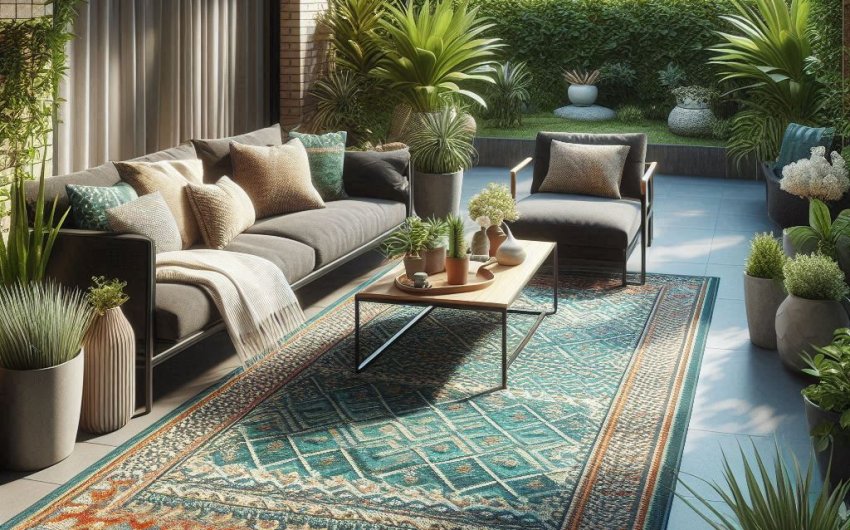
Transforming an outdoor space into a comfortable and stylish extension of your home is easier than ever with the right decor elements. Water-resistant outdoor rugs: adding style and comfort to your patio serves as the perfect foundation, instantly defining zones, adding warmth, and introducing personality to any deck, balcony, or porch. Beyond their aesthetic appeal, these durable floor coverings are specifically engineered to withstand the rigors of the elements, making them a practical and beautiful investment for your al fresco living area.
Why Should I Use a Water-Resistant Outdoor Rug?
Outdoor rugs have become an essential element in modern patio design, and their water-resistant qualities are at the core of their utility. Understanding these benefits highlights why water-resistant outdoor rugs are a smart choice for your al fresco space.
- Elevates Style and Defines Space: Just like indoors, an outdoor rug instantly anchors a furniture grouping, making an open patio feel like a distinct "room." It adds a layer of sophistication, color, and pattern that transforms a stark concrete slab or plain deck into an inviting living area.
- Adds Comfort Underfoot: Hard surfaces like concrete, stone, or wood decking can be uncomfortable and hot under bare feet. An outdoor rug provides a softer, cooler surface, making your patio more pleasant for lounging, playing, or dining.
- Withstands the Elements: This is the primary advantage. Unlike indoor rugs, water-resistant outdoor rugs are specifically engineered to resist damage from rain, humidity, and spills. They are designed to dry quickly, preventing mold and mildew growth.
- Fade-Resistant: Quality outdoor rugs are made with UV-stabilized fibers that resist fading from prolonged sun exposure, ensuring their vibrant colors remain true season after season.
- Easy to Clean and Maintain: Most outdoor rugs can be easily cleaned by simply hosing them down, scrubbing with mild soap, and letting them air dry. Their material properties also help them resist stains from spills and outdoor debris.
- Protects Surfaces: An outdoor rug can protect your deck or patio surface from scratches, stains, or wear and tear caused by furniture legs or heavy foot traffic.
- Conceals Imperfections: If your patio or deck surface has minor cracks, stains, or uneven spots, an outdoor rug can effectively camouflage these imperfections, giving your space an instant facelift.
- Reduces Glare and Heat: On sunny days, a large rug can absorb some of the intense heat and reduce glare reflecting off hard surfaces, making the area more comfortable.
For anyone looking to enhance their outdoor living area with both beauty and practicality, water-resistant outdoor rugs: adding style and comfort to your patio are an indispensable addition.
What Materials Make an Outdoor Rug Water-Resistant?
The magic behind water-resistant outdoor rugs lies in the synthetic materials they are primarily made from. These specially engineered fibers are designed to repel moisture, resist mold, and stand up to the rigors of outdoor life.
Polypropylene (Olefin)
Polypropylene, also known as olefin, is by far the most common and popular material for outdoor rugs.
- Properties: A synthetic thermoplastic polymer. It's inherently water-resistant, mold and mildew resistant, and generally fade-resistant (especially if solution-dyed). It's also durable and easy to clean.
- Feel: Can range from feeling somewhat plastic-y to surprisingly soft, depending on the weave and pile.
- Advantages:
- Excellent Water Resistance: Fibers do not absorb water, so liquids bead up and can be wiped away, or dry quickly if soaked.
- Mold & Mildew Resistant: Highly resistant to fungal growth.
- UV Resistance: Solution-dyed polypropylene has color infused into the fiber during manufacturing, making it highly fade-resistant.
- Affordable: Generally the most cost-effective outdoor rug material.
- Durable: Withstands foot traffic and outdoor elements well.
- Easy to Clean: Can be hosed down and scrubbed.
- Considerations: Can sometimes generate static electricity. Prolonged exposure to intense, direct sunlight can eventually cause some fading over many years for lower-quality dyes.
- Look For: Most outdoor rugs made of polypropylene will proudly display this material.
PET (Recycled Plastic Bottles)
PET (polyethylene terephthalate) is the same material used for plastic bottles, repurposed into durable rug fibers.
- Properties: A synthetic fiber derived from recycled plastics. It shares many properties with polypropylene, including water resistance and durability.
- Advantages:
- Eco-Friendly: Made from recycled materials, contributing to sustainability efforts.
- Excellent Water Resistance: Repels water and dries quickly.
- Soft Feel: Often has a softer texture than traditional polypropylene, making it more comfortable underfoot.
- Stain-Resistant: Less likely to absorb spills.
- Durable and Fade-Resistant: Stands up well to outdoor conditions.
- Considerations: Can sometimes be slightly more expensive than basic polypropylene.
- Look For: Rugs labeled as "recycled PET," "recycled plastic," or "eco-friendly outdoor rug." Many recycled plastic outdoor rugs are available.
Olefin (another name for Polypropylene)
While sometimes listed separately, olefin is simply another common name for polypropylene.
- Properties: Same as polypropylene.
- Advantages: Same as polypropylene.
- Look For: Rugs explicitly labeled olefin outdoor rugs.
Woven Vinyl
Less common but also highly water-resistant, often found in modern or minimalist designs.
- Properties: Made from PVC-coated polyester or fiberglass yarns woven together.
- Advantages: Extremely durable, completely waterproof, highly resistant to mold/mildew, easy to clean, and often has a unique texture.
- Considerations: Can sometimes have a more industrial feel.
- Look For: Often used in commercial outdoor settings or high-traffic residential areas.
These synthetic fibers are the workhorses that give water-resistant outdoor rugs their unique ability to withstand the challenging conditions of an outdoor environment, making them both stylish and highly practical.
How Do I Choose the Right Size Outdoor Rug?
Selecting the correct size for your water-resistant outdoor rugs is crucial for anchoring your furniture, defining zones, and creating a cohesive, well-proportioned outdoor living space. The wrong size can make a patio feel unbalanced or cluttered.
General Guidelines for Sizing
The goal is to ensure the rug works with your furniture arrangement, not against it.
- Anchor All Furniture (Ideal): Ideally, all furniture pieces within a seating or dining area should have at least their front two legs (or all legs for smaller pieces) on the rug. This makes the space feel grounded and unified.
- Define Zones: The rug should be large enough to clearly define the area's purpose, whether it's for dining, lounging, or conversation.
- Leave a Border: Allow some of the patio or deck surface to show around the edges of the rug. A 12-18 inch border (30-45 cm) is often a good starting point, but adjust based on space size.
Common Outdoor Layouts and Rug Sizes
Consider the typical arrangements of outdoor furniture.
For Outdoor Dining Areas:
- Goal: The rug should be large enough so that all dining chairs remain on the rug even when pulled out from the table.
- Measurement: Measure your dining table, then add at least 24-30 inches (60-75 cm) to each side (or diameter if round) to accommodate chairs.
- Common Sizes:
- 5x7 or 6x9 feet: Suitable for smaller 2-4 seat bistro sets or compact dining tables.
- 8x10 or 9x12 feet: Ideal for 6-8 seat dining sets, providing ample space for chairs to move.
For Outdoor Seating Areas (Sofa/Sectional + Chairs):
- Goal: At a minimum, the front two legs of all major seating pieces (sofas, sectionals, lounge chairs) should rest on the rug. Ideally, all legs should be on the rug for a truly luxurious feel.
- Measurement: Arrange your furniture how you envision it, then measure the total length and width of that grouping. The rug should be slightly larger than this footprint.
- Common Sizes:
- 5x7 or 6x9 feet: Good for a small conversation area with two chairs and a side table, or a very small sofa.
- 8x10 or 9x12 feet: Excellent for most standard outdoor sofa and chair sets, or medium-sized sectionals. This is a versatile size.
- 10x14 feet or larger: For very large patios, grand sectionals, or to unify multiple seating zones.
For Small Balconies or Single Chairs:
- Goal: To add a touch of comfort and style without overwhelming the small space.
- Sizes: Smaller rugs like 3x5, 4x6, or even a small round rug can work well under a single lounge chair, bistro set, or to warm up a compact balcony.
- Consider Traffic: Ensure the rug doesn't block pathways or door swings in very small spaces.
Measuring Your Space
Always measure your actual patio or deck space before buying.
- Sketch it Out: Draw a simple sketch of your outdoor area, noting dimensions.
- Arrange Furniture (Mentally or Physically): Decide where your furniture will go.
- Tape it Out: Use painter's tape or string to outline the rug size on your patio. This visual aid is invaluable for gauging the right proportions and ensuring furniture fit.
By carefully considering your furniture layout and accurately measuring your space, you can confidently select the right-sized water-resistant outdoor rugs, transforming your patio into a perfectly proportioned and inviting outdoor room.
How Do I Clean and Maintain My Water-Resistant Outdoor Rug?
One of the greatest advantages of water-resistant outdoor rugs is their ease of cleaning and maintenance. Designed to withstand the elements, they are surprisingly simple to keep looking fresh and vibrant with a few routine steps.
Regular Cleaning Routine
Consistent light cleaning prevents dirt and debris from accumulating and becoming deeply embedded.
- Shake it Out or Vacuum: For loose dirt, dust, leaves, and pet hair, regularly shake out smaller rugs. For larger rugs, use a shop vac or a standard vacuum cleaner (on a high setting) to quickly remove surface debris. Do this weekly or bi-weekly depending on traffic and outdoor conditions.
- Sweep: Use a stiff outdoor broom to sweep off any loose dirt, especially if shaking or vacuuming isn't practical.
Deep Cleaning for Stains or Grime
For spills, embedded dirt, or mildew, a deeper clean is often needed.
- Spot Clean Spills Immediately: The "water-resistant" nature of these rugs means liquids often bead up, allowing you to blot spills with a clean cloth before they set. For sticky spills, gently scrape off solids first.
- Hose Down: For a more thorough clean, take the rug to a clean, flat surface (like a driveway or large patio area) and hose it down thoroughly with a garden hose. This removes surface dirt and grime.
- Mild Soap and Scrub:
- Mix a solution of mild liquid dish soap or a specialized outdoor rug cleaner with warm water.
- Apply the solution to the rug and gently scrub the entire surface (or just the stained areas) with a soft-bristled brush. Avoid stiff wire brushes that can damage fibers.
- Rinse Thoroughly: This is a crucial step. Rinse the rug completely with the garden hose until all soap residue is gone. Leftover soap can attract more dirt.
- Address Mildew: If you notice black spots or a musty smell (signs of mildew), a solution of 1 part white vinegar to 2 parts water, or a very diluted bleach solution (1/4 cup bleach per gallon of water, test first on an inconspicuous spot!) can be used. Apply, let sit for 10-15 minutes, scrub, and rinse extensively.
- Pressure Washer (with Caution): For very stubborn dirt, a pressure washer can be used on a low setting and from a safe distance (at least 1-2 feet away) to avoid damaging the fibers. Always start with the widest nozzle and lowest pressure, and test a small area first.
Drying Properly
Proper drying prevents mold, mildew, and lingering odors.
- Elevate and Drain: After cleaning, lay the rug flat or hang it over a railing or clothesline to allow air to circulate freely around both sides.
- Ensure Complete Dryness: Allow the rug to air dry completely before returning it to your patio or storing it. This may take several hours or even a full day, depending on humidity and sun exposure. Rolling up or storing a damp rug is a recipe for mold and odor.
Seasonal/Winter Storage
Protecting your rug during extreme weather or the off-season prolongs its life.
- Clean and Dry First: Always deep clean and thoroughly dry your rug before storing it for extended periods.
- Roll, Don't Fold: Roll the rug tightly, rather than folding it, to prevent creases and damage to the fibers.
- Store in a Dry Place: Store the rolled rug in a cool, dry, well-ventilated area like a a shed, garage, or even a large closet. Use a breathable rug storage bag if possible.
By following these simple cleaning and maintenance tips, your water-resistant outdoor rugs: adding style and comfort to your patio will continue to look great and enhance your outdoor living space for many seasons to come.
How Can I Style My Patio with Water-Resistant Outdoor Rugs?
Beyond their practical benefits, water-resistant outdoor rugs are powerful design tools that can completely transform the look and feel of your patio. Strategic styling can enhance your outdoor space, making it a cohesive and inviting extension of your home.
Define Outdoor "Rooms"
Use rugs to delineate different functional zones on a large patio or deck, mimicking indoor room layouts.
- Living Area: Place a large rug under your outdoor sofa, chairs, and coffee table to create a cozy, defined living room feel. Ensure at least the front legs of all main seating pieces are on the rug.
- Dining Area: Use a rug to visually separate the dining space from the lounging area. The rug should be large enough to accommodate the dining table and allow chairs to remain on the rug even when pulled out.
- Transition Areas: A runner rug can define a pathway or bridge two separate zones, adding continuity to a long patio.
Add Color and Pattern
Rugs are an easy way to introduce vibrant hues and eye-catching designs to your outdoor decor.
- Pop of Color: Choose a rug in a bold color (e.g., turquoise, coral, sunny yellow) to brighten up a neutral patio.
- Pattern Play: Introduce geometric patterns, stripes, florals, or abstract designs to add visual interest and texture.
- Harmonize with Existing Decor: Select rug colors and patterns that complement your existing outdoor furniture, cushions, and planters. You can either match existing tones or choose a contrasting color for a dramatic effect.
Enhance Comfort and Texture
Beyond color, rugs add a tactile element that makes an outdoor space more inviting.
- Soft Underfoot: A soft-pile outdoor rug provides a comfortable surface for bare feet, transforming a hard patio into a luxurious lounging spot.
- Layering: For a truly bohemian or eclectic look, consider layering two rugs – a larger, neutral base rug with a smaller, patterned rug on top, perhaps under a coffee table.
- Visual Warmth: Even in warm climates, a rug can add visual warmth and coziness, making the space feel more complete and inviting.
Create a Focal Point
A well-placed rug can draw the eye and become the central element of your outdoor design.
- Under a Key Feature: Position a rug under a significant outdoor feature like a fire pit, an outdoor daybed, or a particularly striking dining table to highlight it.
- Eye-Catching Design: A rug with a unique pattern or bold design can serve as a standalone statement piece.
Extend Your Indoor Style Outdoors
Use your outdoor rug to create a seamless transition from your indoor living spaces to your outdoor retreat.
- Cohesive Design: Choose a rug style that mirrors or complements your indoor decor. If your interior is modern, opt for a modern minimalist outdoor rug. If it's farmhouse, choose a natural fiber look.
- Flow: Using similar color palettes or design elements indoors and out creates a sense of continuity and makes your outdoor space feel like a true extension of your home.
By applying these styling tips, water-resistant outdoor rugs: adding style and comfort to your patio will become a key element in crafting an inviting and aesthetically pleasing outdoor living area.