
Defeating Spider Mites: Tips for a Healthy Garden
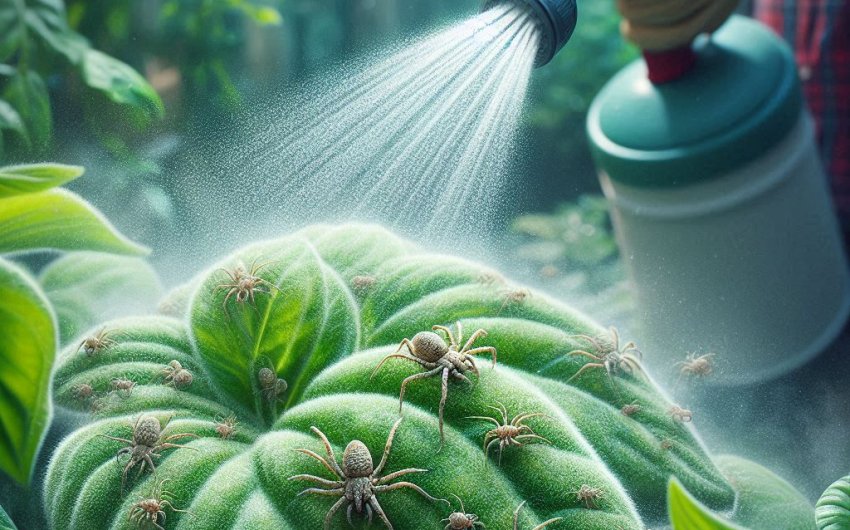
A well-maintained garden can be a sanctuary of growth and beauty, but it’s not immune to intruders. Among the most troublesome and stealthy pests are spider mites. These tiny arachnids can wreak havoc on your plants, weakening them and sometimes leading to their demise. Recognizing the early signs of a spider mite infestation and understanding how to control and eliminate them are key to maintaining a healthy garden.
What Are Spider Mites?
Spider mites belong to the Tetranychidae family, and despite their small size—often less than 1 millimeter—they can cause significant damage to plants. These pests are most active in warm, dry environments, making them a common problem during the summer months or in areas with low humidity. Spider mites feed on the chlorophyll in plant cells by puncturing the leaves and sucking out the plant’s juices. Over time, this feeding causes yellow or bronze speckles on leaves, which can lead to leaf drop and stunted plant growth.
They’re called spider mites because they spin delicate webs on the plants they infest, making detection easier. While spider mites come in different colors—such as red, green, yellow, or brown—the most common species found in gardens is the two-spotted spider mite.
Prevent infestations with effective spider mite control products to protect your garden.
How to Identify Spider Mite Damage
Identifying spider mites and their damage early can prevent a minor infestation from becoming a full-blown garden catastrophe. Here’s how to recognize the signs of spider mite activity:
- Yellow speckles on leaves: One of the most telltale signs of spider mites is the appearance of small, yellow, or white speckles on the leaves of your plants. As the mites feed on the plant’s sap, these tiny spots form, indicating where the mites have punctured the cells.
- Silky webs: Another clear sign of a spider mite infestation is the presence of fine, silky webs on the plant. These webs protect the mites and their eggs, helping them thrive in a protected environment. The webs are often found on the undersides of leaves or between branches.
- Leaf discoloration and curling: As spider mite damage progresses, you’ll notice that the leaves may turn yellow or brown and begin to curl or dry out. Severe infestations can lead to leaf drop, which weakens the plant’s ability to photosynthesize and survive.
To confirm the presence of spider mites, you can hold a piece of white paper under the leaves and gently shake the plant. The mites will fall onto the paper, where you’ll see small specks moving around.
Monitor your plants with precise garden magnifying glasses to detect spider mites early.
How Spider Mites Spread
One of the reasons spider mites are so difficult to control is their ability to spread quickly. They can reproduce rapidly, with each female laying hundreds of eggs over her short lifetime. Under favorable conditions, a new generation can emerge every 5-10 days, leading to explosive population growth.
Spider mites are often spread through contact with other infected plants, garden tools, or even wind. They can travel on the clothes of gardeners or on the bodies of other insects, which makes controlling an infestation challenging if it’s not detected early.
Use specialized plant disinfectants to clean tools and reduce the risk of spreading spider mites.
Organic Methods to Control Spider Mites
If you prefer to avoid harsh chemicals in your garden, several organic methods can effectively control and reduce spider mite populations. These approaches are not only safer for the environment but also beneficial for your plants’ overall health.
1. Water Spray
Since spider mites thrive in dry conditions, introducing moisture to your garden can help keep their numbers down. A strong spray of water from a hose can knock spider mites off your plants and disrupt their webs. Focus on the undersides of the leaves, where mites tend to hide.
Be sure to repeat this process regularly, as spider mites can quickly recolonize your plants. It’s also essential to ensure that your plants dry thoroughly afterward to prevent the growth of mold or mildew.
Get a reliable garden hose for easy spider mite removal through water sprays.
2. Neem Oil
One of the most popular organic solutions for controlling pests like spider mites is neem oil. This natural insecticide, derived from the seeds of the neem tree, works by disrupting the mites' reproductive cycle and feeding habits. Neem oil not only kills adult mites but also prevents eggs and larvae from maturing.
To apply, mix neem oil with water according to the product’s instructions and spray it onto the affected plants. Be sure to coat the undersides of the leaves as well. While neem oil is safe for beneficial insects and plants, it’s a good idea to avoid using it during the hottest part of the day to prevent burning the foliage.
Control spider mites naturally with neem oil for a healthy garden.
3. Insecticidal Soap
Another effective organic solution is insecticidal soap. This soap works by breaking down the protective outer layer of the mites, causing them to dehydrate and die. Insecticidal soaps are generally safe for plants and beneficial insects, making them an ideal choice for eco-conscious gardeners.
For best results, apply insecticidal soap in the early morning or late afternoon when temperatures are cooler. Be sure to reapply the soap every few days until the spider mites are completely eradicated.
Use insecticidal soap to safely eliminate spider mites from your garden.
4. Horticultural Oils
Horticultural oils are lightweight oils that can suffocate spider mites by covering their bodies and blocking their ability to breathe. These oils are highly effective at killing both adult mites and their eggs and can be used on most plants without causing harm.
When using horticultural oil, be sure to thoroughly coat the entire plant, paying special attention to the undersides of the leaves. Like neem oil, it’s essential to apply horticultural oils when the weather is cooler to avoid damaging your plants.
Find effective horticultural oils for safe and natural pest control.
5. Beneficial Predators
Nature provides its own solution to spider mites in the form of beneficial predators. Several species of predatory insects feed on spider mites, keeping their populations in check. Introducing ladybugs, lacewings, or predatory mites into your garden can naturally reduce the number of spider mites without the need for chemical intervention.
These beneficial predators can be purchased and released into your garden. They will hunt down the spider mites and help restore balance to your garden’s ecosystem.
Attract beneficial insects to naturally control spider mite populations.
Chemical Control of Spider Mites
In cases of severe infestations, chemical treatments may be necessary to get spider mites under control. While organic methods are preferable for maintaining the health of your garden’s ecosystem, chemical treatments can offer a quicker and more aggressive solution.
1. Miticides
Miticides are chemicals specifically formulated to target spider mites. These products kill mites on contact and can offer long-lasting protection against further infestations. When choosing a miticide, it’s essential to select one that is labeled for use on the types of plants in your garden and effective against the species of spider mites present.
It’s also crucial to rotate different types of miticides to prevent the mites from developing resistance over time. Always follow the product’s instructions carefully to ensure proper application and minimize any risk to beneficial insects.
Shop for miticides to eliminate stubborn spider mite infestations.
2. Pyrethroids
Pyrethroids are a class of synthetic chemicals derived from pyrethrum, a natural insecticide found in chrysanthemums. These chemicals are effective at killing spider mites and many other pests. However, while pyrethroids work quickly, they may also harm beneficial insects, so use them with caution and only when necessary.
When using pyrethroids, apply them in the early morning or late evening to minimize the impact on pollinators like bees. Additionally, always follow the recommended application rates and guidelines to ensure the safety of your plants and garden.
Find fast-acting pyrethroid insecticides for efficient spider mite control.
Preventing Future Spider Mite Infestations
While dealing with a spider mite infestation can be frustrating, taking steps to prevent future outbreaks is crucial for maintaining a healthy garden. Here are some tips to help you keep spider mites at bay.
1. Increase Humidity
Spider mites thrive in dry, dusty conditions, so increasing the humidity in your garden can make the environment less hospitable for them. Regularly mist your plants with water to keep the air moist and the foliage hydrated. This is especially important for indoor plants, greenhouses, or areas with low humidity.
Keep your garden healthy with a reliable plant mister to increase humidity and deter spider mites.
2. Regular Inspections
Routine inspections of your plants are essential for catching a spider mite infestation before it becomes widespread. Check your plants regularly, especially the undersides of leaves, for any signs of mites, webs, or leaf discoloration. Early detection can make a significant difference in how easy it is to control the infestation.
Use a practical garden inspection tool for regular plant health checks.
3. Keep Your Garden Clean
A clean garden is less likely to harbor pests. Regularly prune dead or damaged leaves, and remove plant debris from the ground. Spider mites can hide in fallen leaves and branches, so keeping your garden tidy can reduce their breeding sites.
Find effective garden pruners to keep your plants healthy and free from debris.
4. Space Your Plants
Crowded plants can create an ideal environment for spider mites, as airflow is restricted, and the humidity can become too low. Properly spacing your plants allows for better air circulation, reducing the conditions that encourage spider mites to thrive.
Improve plant spacing with quality garden tools for better air circulation in your garden.
5. Introduce Resistant Varieties
Some plant species are more resistant to spider mites than others. If your garden is prone to infestations, consider planting spider mite-resistant varieties that are less attractive to these pests. This can be particularly useful for ornamental plants and vegetables that are frequently targeted by mites.
Discover resistant plant varieties to protect your garden from spider mites.