
Exploring the Different Types of Calathea Plants
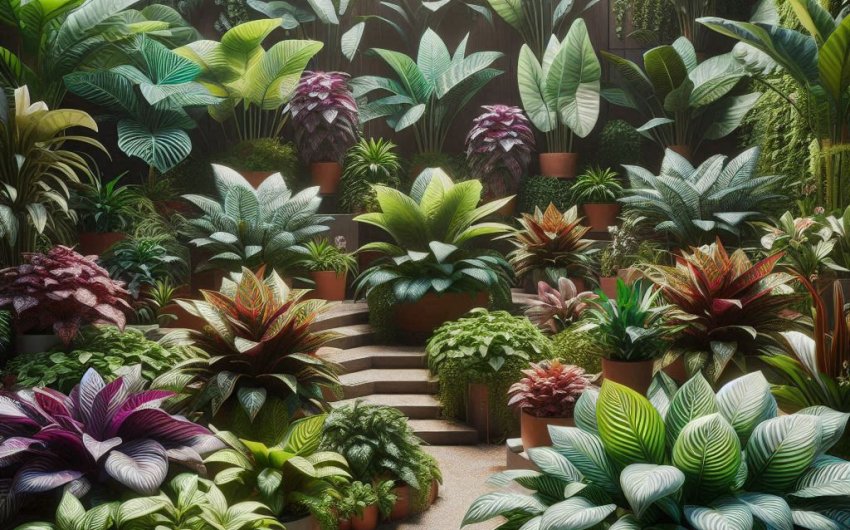
Exploring the different types of Calathea plants reveals a breathtaking array of foliage, each boasting unique patterns, vibrant colors, and striking undersides. These popular houseplants, renowned for their "prayer plant" movement, offer diverse aesthetic appeals for any indoor gardener seeking a touch of tropical beauty.
What Makes Calathea Plants So Unique?
Before diving into exploring the different types of Calathea plants, it's helpful to understand the captivating characteristics that make this genus a favorite among houseplant enthusiasts. Their unique qualities set them apart in the indoor plant world.
1. Striking Foliage (The Primary Appeal)
- Diverse Patterns: Calatheas are renowned for their incredibly diverse and intricate leaf patterns. These can include:
- Bold stripes (e.g., 'Beauty Star', 'Pinstripe')
- Feather-like patterns (e.g., 'Orbifolia', 'Makoyana')
- Splashes of color (e.g., 'Fusion White')
- Brushstroke designs (e.g., 'Ornata')
- Mosaic or checkered patterns (e.g., 'Musaica')
- Vibrant Colors: Their leaves display a rich palette of greens (from deep forest to lime), purples, pinks, reds, and whites.
- Contrasting Undersides: A signature feature of many Calatheas is their vibrant, often deep purple or burgundy undersides, which provide a stunning contrast when the leaves "pray" at night or when viewed from below. This colorful underside is often called the "prayer plant" characteristic.
2. The "Prayer Plant" Movement (Nyctinasty)
- Definition: Calatheas belong to the Marantaceae family, often referred to as "prayer plants," due to their fascinating daily leaf movement, a phenomenon called nyctinasty.
- How it Works: During the day, their leaves lie flat or are slightly spread out to capture maximum light. As evening approaches, the leaves fold upwards, resembling hands clasped in prayer. They then unfurl again with the morning light.
- Pulvinus Joint: This movement is controlled by a small, joint-like structure at the base of each leaf stalk (petiole) called the pulvinus. It contains specialized cells that swell and contract in response to light changes.
- Purpose: This movement is believed to be an adaptation to optimize light absorption and minimize water loss during cooler night temperatures in their natural rainforest habitat.
- Visual Interest: This dynamic movement adds an engaging, living quality to your indoor plant collection.
3. Air Purification Qualities
- NASA Clean Air Study: While the exact impact of houseplants on indoor air quality is still debated for large spaces, Calatheas, like many other plants, contribute to improving indoor air by absorbing common airborne toxins (like formaldehyde and benzene) and releasing oxygen.
- A Breath of Fresh Air: They contribute to a healthier indoor environment simply by increasing oxygen levels and adding natural humidity.
4. Relatively Compact Growth
- Space-Friendly: Most Calathea varieties remain relatively compact, making them suitable for shelves, desks, or small spaces within your home. They typically grow as bushy, clumping plants.
5. Tropical Origin
- Rainforest Dwellers: Calatheas originate from the tropical rainforests of South and Central America, particularly Brazil. This explains their need for warmth, high humidity, and bright, indirect light.
While their beauty is undeniable, their specific care requirements can make them a bit more challenging for beginners. However, their unique patterns, vibrant colors, and captivating movement make exploring the different types of Calathea plants a rewarding journey for any houseplant enthusiast.
What are the Common Care Requirements for Calathea Plants?
While exploring the different types of Calathea plants is exciting, understanding their common care requirements is essential for keeping them healthy and vibrant. These tropical beauties thrive under specific conditions that mimic their native rainforest environment.
1. Light: Bright, Indirect is Best
- Avoid Direct Sun: Calatheas thrive in bright, indirect light. Direct sunlight will scorch their delicate leaves, causing unsightly brown spots, fading of their vibrant patterns, and crisp edges.
- Low Light Tolerance: While they tolerate lower light conditions than many other houseplants, very dim light can lead to dull foliage colors and leggy growth.
- Ideal Placement: A few feet away from a north or east-facing window is often ideal. If near a south or west-facing window, set them back further or use sheer curtains to diffuse the light.
2. Water: Consistent Moisture, Never Soggy or Dry
- Sensitive to Overwatering: This is often the trickiest part of Calathea care. They hate sitting in soggy soil, which leads to root rot.
- Sensitive to Underwatering: They also don't like to dry out completely. Prolonged drought causes leaves to curl and crisp.
- Watering Technique:
- Check Soil: Always check the top 1-2 inches of soil. Water thoroughly when it feels mostly dry.
- Drainage: Water until water drains from the bottom of the pot. Empty any standing water from the saucer promptly.
- Water Type: Calatheas are sensitive to minerals and chemicals (like chlorine and fluoride) often found in tap water, which can cause brown leaf tips or edges.
- Best Options: Use distilled water, rainwater, or filtered water.
- Alternative: Let tap water sit out for 24 hours to allow chlorine to dissipate (though this won't remove fluoride).
3. Humidity: High Humidity is a Must
- Mimic Rainforest: Calatheas are rainforest understory plants, accustomed to very high humidity (60-80%). Low humidity is a leading cause of crispy brown leaf edges and tips.
- Solutions:
- Pebble Tray: Place the pot on a tray filled with pebbles and water, ensuring the bottom of the pot doesn't sit in the water. This creates localized humidity. Plant Humidity Tray
- Humidifier: For consistently dry indoor environments, a small room humidifier placed nearby is the most effective solution. Small Room Humidifier
- Grouping Plants: Grouping several humidity-loving plants together can create a small humid microclimate.
- Avoid Misting (as sole solution): Misting provides very temporary humidity and can sometimes lead to fungal issues if water sits on leaves for too long without good air circulation.
4. Temperature: Warm and Stable
- Ideal Range: Maintain temperatures between 65-80°F (18-27°C).
- Avoid Extremes: Protect Calatheas from cold drafts (from windows, doors, AC vents) and sudden temperature fluctuations, which can shock the plant and cause leaf damage. Keep them away from heating vents or radiators that can dry them out.
5. Potting Mix and Drainage:
- Well-Draining: Use a light, well-draining potting mix that retains some moisture but doesn't become waterlogged. A good quality indoor potting mix blended with extra perlite or orchid bark works well. Espoma Organic Potting Mix
- Drainage Holes: Always use pots with drainage holes.
- Repotting: Repot every 1-2 years in spring, or when the plant is root-bound.
6. Fertilization: Lightly and Sparingly
- Active Growing Season: Fertilize every 2-4 weeks during the active growing season (spring and summer).
- Diluted Strength: Use a balanced liquid houseplant fertilizer diluted to half or quarter strength. Too much fertilizer can burn their sensitive roots. Miracle-Gro Indoor Plant Food Liquid
- No Fertilizer in Winter: Do not fertilize in fall or winter when growth slows.
By paying close attention to these common care requirements, especially humidity and proper watering, you can successfully nurture any of the beautiful varieties you discover while exploring the different types of Calathea plants.
What are the Most Popular Calathea Varieties?
When exploring the different types of Calathea plants, you'll quickly discover a vibrant and diverse family, each with its own unique charm. These popular varieties are widely available and showcase the genus's incredible range of patterns and colors, making them excellent choices for any plant collector.
1. Calathea orbifolia (Round-Leaf Calathea)
- Key Features: Large, strikingly round leaves with prominent, silvery-green stripes that radiate outwards from the central vein. The undersides are typically a paler green. It's known for its elegant, bold appearance.
- Size: Can grow quite large, with leaves reaching up to a foot in diameter.
- Appeal: A showstopper that commands attention with its symmetrical and impressive foliage. Considered one of the easier larger Calatheas to care for, relatively.
- Affiliate Link: Calathea Orbifolia Plant
2. Calathea makoyana (Peacock Plant)
- Key Features: Oval-shaped leaves with distinctive dark green, feather-like patterns resembling peacock feathers, set against a lighter green background. The undersides are a beautiful deep purple or burgundy. One of the classic "prayer plants."
- Size: Medium-sized, bushy growth.
- Appeal: Highly popular due to its intricate patterns and the dramatic contrast of its undersides, especially noticeable during its daily leaf movement.
- Affiliate Link: Calathea Makoyana Plant
3. Calathea ornata (Pinstripe Calathea)
- Key Features: Elongated, dark green leaves with delicate, symmetrical, painted-on-looking pink or white pinstripes running from the central vein to the edges. The undersides are a rich burgundy.
- Size: Medium-sized, upright growth.
- Appeal: Its elegant, refined appearance with the delicate stripes gives it a sophisticated charm. The pink stripes are particularly striking on younger leaves.
- Affiliate Link: Calathea Ornata Plant
4. Calathea zebrina (Zebra Plant)
- Key Features: Large, velvety, oval leaves with prominent dark green stripes (like a zebra's stripes) perpendicular to the central vein, set against a lighter green background. The undersides are a striking deep purple.
- Size: Can grow quite tall and bushy, making a dramatic statement.
- Appeal: Its unique texture and bold, fuzzy stripes make it a tactile and visual standout. Requires good humidity.
- Affiliate Link: Calathea Zebrina Plant
5. Calathea lancifolia (Rattlesnake Plant)
- Key Features: Long, narrow, wavy-edged leaves with a distinctive pattern of dark green splotches (resembling a rattlesnake's markings) alternating with lighter green. The undersides are a deep reddish-purple.
- Size: Upright, clumping growth, reaching medium height.
- Appeal: Its unique leaf shape and reptilian pattern make it intriguing. Generally considered one of the more forgiving Calathea varieties.
- Affiliate Link: Calathea Lancifolia Plant
6. Calathea 'Medallion' (Calathea veitchiana 'Medallion')
- Key Features: Broad, round leaves with a complex, medallion-like pattern of dark green, lighter green, and sometimes hints of pink or cream, radiating from the center. The undersides are a deep purple.
- Size: Medium to large, bushy growth.
- Appeal: Its bold, almost painted-on design makes it a true living work of art.
7. Calathea network (Calathea musaica or 'Musaica Network')
- Key Features: Small, light green leaves covered in a fascinating intricate network of dark green lines, resembling a digital mosaic or circuit board. Undersides are green.
- Size: Compact, bushy growth.
- Appeal: Its unique, almost pixelated pattern is highly sought after and visually distinct from other Calatheas.
These popular varieties offer a fantastic starting point for anyone exploring the different types of Calathea plants, each bringing its own captivating artistry to your indoor jungle.
What are Some Rarer or More Unique Calathea Varieties?
Beyond the popular types, exploring the different types of Calathea plants can lead you to some truly unique and sought-after varieties that showcase the incredible diversity of the genus. These rarer specimens often feature even more intricate patterns or striking color combinations.
1. Calathea 'White Fusion'
- Key Features: Perhaps one of the most visually stunning, yet notoriously challenging, Calathea varieties. Its leaves feature a breathtaking mosaic of white, light green, and dark green variegation, often appearing as if painted. The undersides are a vibrant purple.
- Appeal: Its dazzling white patterns are almost ethereal, making it a highly desirable collector's plant.
- Care Level: High. It demands consistently high humidity and absolutely pristine watering conditions (distilled or rainwater only) to prevent browning. Not for beginners.
- Affiliate Link: Calathea White Fusion Plant
2. Calathea 'Misto' (or 'Misty')
- Key Features: Broader, somewhat rounder leaves than 'Orbifolia', with a softer, almost muted pattern of lighter green blotches on a darker green background. It has a more subtle, ethereal beauty compared to the bold stripes of others. Undersides are often pale green or slightly purplish.
- Appeal: Appeals to those who prefer a less overtly flashy, but still intricately patterned, Calathea. Its patterns are more organic and flowing.
3. Calathea 'Maui Queen'
- Key Features: Long, narrow, wavy-edged leaves, similar in shape to the Rattlesnake Plant, but with a more defined, somewhat feathered or brushstroke pattern of dark green on a lighter green, reminiscent of an artist's palette. Undersides are typically purple.
- Appeal: Offers a delicate yet vibrant look, combining elegant leaf shape with intricate patterning.
4. Calathea 'Pink Princess' (Not a true Calathea, often confused with Philodendron Pink Princess)
- Important Note: This name is often mistakenly applied to Calatheas. The true 'Pink Princess' is a Philodendron, a very different genus. If you see a Calathea marketed as 'Pink Princess', it's likely a misidentification or a common name for a different pink-patterned Calathea like a 'Dottie' or a 'Fusion White'.
5. Calathea 'Dottie'
- Key Features: Dark, almost black-purple leaves with vivid, hot pink or red circular patterns that radiate from the central vein, creating a dramatic contrast. The undersides are a striking purple-red.
- Appeal: Its gothic elegance combined with pops of bright pink/red makes it a dramatic statement piece. It’s a cultivar of Calathea roseopicta.
- Affiliate Link: Calathea Dottie Plant
6. Calathea rufibarba (Furry Feather Calathea)
- Key Features: Unique among Calatheas for its lack of prominent patterns on the leaf surface. Instead, its charm comes from its long, wavy, deep green leaves that have a distinctive, soft, fuzzy texture on the undersides (rufous, or reddish-brown hairs). The undersides are also often reddish-purple.
- Appeal: Its tactile quality and subtle beauty are a welcome contrast to the bold patterns of other Calatheas. It tends to be a relatively more robust and forgiving variety.
7. Calathea albertii
- Key Features: Long, slender, light green leaves with dark green blotches along the central vein, creating a somewhat mottled appearance. The undersides are typically purple. It resembles a more elongated, slender version of a Calathea lancifolia (Rattlesnake Plant).
- Appeal: Its delicate pattern and slender form offer a graceful aesthetic.
These unique varieties, though sometimes harder to find or more demanding in their care, offer an even deeper appreciation for the artistry found when exploring the different types of Calathea plants, rewarding dedicated collectors with their unparalleled beauty.
How Do You Troubleshoot Common Calathea Problems?
Even experienced plant parents can encounter issues with their Calatheas. Due to their specific needs, understanding how to troubleshoot common problems is crucial when exploring the different types of Calathea plants and caring for them successfully. Most problems stem from environmental imbalances.
1. Crispy, Brown Leaf Tips and Edges:
- Likely Cause: Low humidity is the #1 culprit. Also, inconsistent watering (allowing soil to dry out too much) or chemicals/minerals in tap water.
- Troubleshooting:
- Increase Humidity: Place on a pebble tray, use a humidifier, or group plants. This is the most effective solution.
- Check Water: Ensure you are using distilled, rainwater, or filtered water. If using tap water, let it sit out for 24 hours before use.
- Consistent Watering: Ensure the soil doesn't dry out completely between waterings.
- Fix: The existing brown tips won't turn green, but new growth should be healthy. You can trim off the brown edges with clean scissors for aesthetics.
2. Yellowing Leaves (Especially Older, Lower Leaves):
- Likely Cause:
- Overwatering/Root Rot (Most Common): Soil stays wet for too long, suffocating roots.
- Nutrient Deficiency: Especially if the plant hasn't been fertilized or repotted in a long time.
- Aging: Natural shedding of older leaves.
- Troubleshooting:
- Check Soil Moisture: Feel the soil. If it's soggy, suspect overwatering.
- Inspect Roots: If overwatering is suspected, gently remove from pot. Healthy roots are white/tan and firm. Rotten roots are dark, mushy, and smelly.
- Fertilizer: If roots are healthy and no recent fertilizer, consider a diluted feed during growing season.
- Fix: For overwatering, follow the root rot treatment steps (pruning rotten roots, repotting in fresh, well-draining soil, adjusting watering). For nutrient issues, fertilize sparingly or repot. Remove yellowed leaves.
3. Drooping Leaves (Limp Appearance):
- Likely Cause:
- Underwatering (Most Common): Soil is too dry, plant is dehydrated.
- Severe Overwatering/Root Rot: Roots are too damaged to absorb water, leading to dehydration (confusingly similar to underwatering).
- Troubleshooting:
- Check Soil Moisture: If dry, it's underwatering. If soggy, it's overwatering/root rot.
- Fix: For underwatering, water thoroughly until it drains. For overwatering, follow root rot protocol.
4. Fading Leaf Patterns / Dull Colors:
- Likely Cause: Too much direct light. The vibrant colors and patterns fade when exposed to excessive sunlight.
- Troubleshooting: Observe light throughout the day. Are there direct sunbeams hitting the plant?
- Fix: Move the plant to a location with bright, indirect light. A north or east-facing window is often ideal, or further back from a south/west window.
5. Leaf Curl or Rolling:
- Likely Cause: Often a sign of dehydration – either from underwatering (soil too dry) or low humidity (plant losing water too fast from leaves). Can also be a response to cold.
- Troubleshooting: Check soil moisture. Assess ambient humidity. Check for drafts.
- Fix: Adjust watering (ensure soil doesn't dry out too much). Increase humidity. Move away from cold drafts.
6. Pest Infestations (Spider Mites, Mealybugs):
- Likely Cause: Stress from poor cultural conditions (especially low humidity for spider mites) or introduction of infected plants.
- Symptoms: Tiny webbing (spider mites), white cottony masses (mealybugs), sticky residue (honeydew).
- Troubleshooting: Inspect leaves (especially undersides) regularly.
- Fix: Isolate the plant. Use a strong spray of water to dislodge pests. Apply insecticidal soap or Neem oil thoroughly, ensuring good coverage on undersides of leaves. Repeat treatments. Safer Brand Insect Killing Soap or Captain Jacks Neem Oil
By systematically checking these common issues, you can effectively diagnose and remedy problems, ensuring your journey of exploring the different types of Calathea plants is filled with lush, healthy foliage.
What are the Benefits of Owning Calathea Plants?
Beyond their undeniable beauty and the joy of exploring the different types of Calathea plants, bringing these vibrant foliage plants into your home offers several tangible benefits, enhancing both your living space and your well-being.
1. Unmatched Visual Appeal and Diversity:
- Living Art: Calatheas are truly living works of art. Their diverse and intricate leaf patterns, ranging from bold stripes to delicate feathering, and their vibrant colors (greens, pinks, purples, reds, whites) are unmatched by most other houseplants.
- Aesthetic Enhancement: They instantly elevate any indoor space, adding a pop of exotic color and sophisticated texture to shelves, desks, or as floor statements. They can transform a mundane corner into a tropical oasis.
- Dynamic Beauty: Their famous "prayer plant" movement adds a unique, dynamic quality to your home. Watching the leaves unfurl in the morning and fold up at night is a subtle but captivating spectacle.
- Collection Opportunity: The sheer number of distinct varieties makes exploring the different types of Calathea plants a rewarding hobby for collectors, as each new plant brings a new pattern and personality.
2. Natural Air Purifiers:
- Improved Air Quality: Like many houseplants, Calatheas contribute to healthier indoor air by absorbing common airborne toxins (such as formaldehyde, benzene, and trichloroethylene) released from furniture, cleaning products, and other household items.
- Oxygen Production: Through photosynthesis, they release oxygen, contributing to a fresher, more breathable indoor environment.
- Increased Humidity: Calatheas naturally transpire, releasing moisture into the air. In dry indoor environments, especially during winter, this natural humidification can be beneficial for both humans (reducing dry skin, scratchy throats) and other humidity-loving plants.
3. Low-Light Tolerance (Relatively):
- Versatile Placement: While they thrive in bright, indirect light, many Calathea varieties tolerate lower light conditions better than many other popular houseplants. This makes them suitable for rooms with fewer windows or for adding greenery to shadier corners where other plants might struggle.
- Ideal for Apartments/Homes with Less Sun: They are a great choice for apartments or homes that don't receive abundant direct sunlight.
4. Non-Toxic to Pets:
- Pet-Friendly: A major advantage for pet owners! Calathea plants are generally considered non-toxic to cats and dogs. This provides peace of mind, allowing you to enjoy their beauty without worrying about your furry friends nibbling on the leaves. Always double-check specific varieties, but the genus as a whole is typically safe.
5. Encourages Mindful Plant Care:
- Learning Opportunity: Calatheas, with their specific needs for humidity and careful watering, encourage gardeners to be more attentive and mindful in their plant care routines. Successfully keeping a Calathea happy builds confidence and a deeper understanding of plant needs.
- Rewarding Challenge: For those looking to level up their houseplant game, a Calathea can be a rewarding challenge that, once mastered, brings immense satisfaction.
In essence, owning Calathea plants is about more than just decoration; it's about inviting a piece of the vibrant tropics into your home, enjoying their dynamic beauty, benefiting from their air-purifying qualities, and engaging in a rewarding journey of mindful plant care. These benefits make exploring the different types of Calathea plants a truly enriching experience.