
How to Create a DIY Garden Furniture Set Using Pallets?
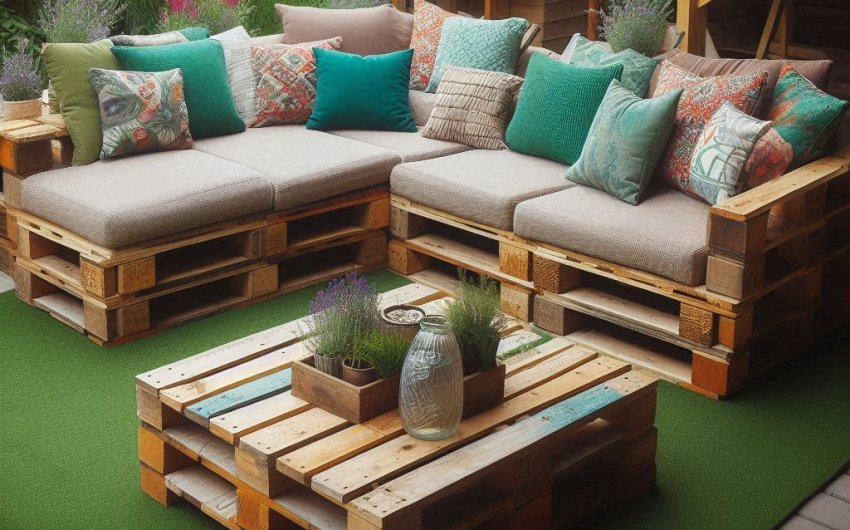
Creating a DIY garden furniture set using pallets is a fantastic way to add charm and functionality to your outdoor space without breaking the bank. This guide will walk you through the entire process, from selecting the right pallets to enjoying your newly crafted outdoor oasis. Pallet furniture is not only cost-effective but also offers a unique, rustic aesthetic that can be customized to fit any style. Imagine relaxing on your handmade sofa or enjoying an al fresco meal at a table you built yourself – it's incredibly satisfying!
Why Choose Pallets for Your Garden Furniture?
Pallets are an incredibly versatile and sustainable material for outdoor furniture. They are often discarded by businesses, making them readily available and frequently free. This eco-friendly approach to furniture making reduces waste and gives these wooden structures a new purpose. Beyond the environmental benefits, pallets offer a sturdy foundation for furniture, capable of withstanding various weather conditions once properly treated. Their standardized dimensions make it easy to design modular pieces that can be rearranged to suit different needs.
What are the Benefits of Using Pallets?
Using pallets for your DIY garden furniture project comes with a host of advantages:
- Cost-effectiveness: Pallets can often be sourced for free or at a very low cost, significantly reducing the overall expenditure compared to buying new furniture.
- Sustainability: Repurposing pallets is an excellent way to reduce waste and promote a circular economy. You're giving wood a second life!
- Durability: When properly treated and sealed, pallet wood is robust enough for outdoor use, standing up to the elements reasonably well.
- Customization: The simple structure of pallets allows for endless customization. You can paint them, stain them, add cushions, and even incorporate storage solutions.
- Unique aesthetic: Pallet furniture has a distinct, rustic, and often industrial look that adds character to any garden or patio.
- Easy to work with: With basic tools, even a beginner can transform pallets into functional and attractive furniture.
What Tools and Materials Do You Need for Pallet Furniture?
Before you start building your pallet garden furniture, gather all the necessary tools and materials. Having everything ready will make the process smoother and more efficient. Think of it as preparing your workshop for a rewarding creation.
Essential Tools for Pallet Projects
Here's a list of tools you'll likely need:
- Gloves: Essential for protecting your hands from splinters and dirt.
- Safety glasses: Crucial for eye protection, especially when cutting or sanding.
- Measuring tape: For accurate measurements, ensuring your pieces fit together perfectly.
- Pencil: For marking cut lines and drilling points.
- Electric sander (orbital or belt sander): Speeds up the sanding process and ensures a smooth finish. You can find a good orbital sander online.
- Coarse, medium, and fine-grit sandpaper: For progressively smoothing the wood.
- Jigsaw or circular saw: For cutting pallets to size. A jigsaw is great for curves, while a circular saw excels at straight cuts.
- Drill: For pre-drilling holes and driving screws. A cordless drill is very convenient.
- Screwdriver bits: To match your screws.
- Hammer or pry bar: For dismantling pallets carefully. A pry bar can make this much easier.
- Paintbrushes or rollers: For applying stain, paint, or sealant.
- Clamps: To hold pieces in place while assembling.
Required Materials for Building
And here are the materials you'll need to acquire:
- Pallets: The star of your project! Aim for HT (heat-treated) pallets. More on this below.
- Wood screws (exterior grade): For sturdy construction, choose rust-resistant screws.
- Wood glue (exterior grade): For extra strength in joints.
- Wood filler: To fill any cracks or nail holes for a smoother finish.
- Wood stain, paint, or exterior wood sealant: To protect the wood from the elements and enhance its look. Choose a product designed for outdoor use.
- Outdoor cushions: To make your seating comfortable and stylish. You can find various outdoor cushions that will fit your furniture.
- Optional: Casters for movable furniture, fabric for custom cushions, lighting.
How Do You Choose and Prepare Pallets Safely?
Choosing the right pallets is crucial for a safe and successful DIY garden furniture project. Not all pallets are created equal, and some can pose health risks if not handled correctly. Preparation is also key to ensuring your furniture lasts.
How to Select Safe Pallets?
Look for pallets marked with an "HT" stamp. This signifies that the wood has been heat-treated to kill pests and fungi, making it safe for indoor and outdoor use. Avoid "MB" marked pallets, as these have been treated with methyl bromide, a highly toxic pesticide. Also, steer clear of pallets that show signs of chemical spills, excessive staining, or strong odors. They might have been used to transport hazardous materials. Ideally, source pallets from reputable businesses like lumber yards, garden centers, or smaller, local businesses that only use HT pallets.
What is the Best Way to Clean and Prepare Pallets?
Once you've selected your pallets, they need to be thoroughly cleaned and prepared.
- Inspect for damage: Check for loose boards, protruding nails, or significant cracks. Remove any remaining nails or staples using a hammer or pry bar.
- Clean the pallets: Use a stiff brush and soapy water to scrub away dirt, grime, and any residues. For tougher stains, a pressure washer can be very effective, but allow ample time for the wood to dry completely afterwards.
- Dismantle (if necessary): Depending on your furniture design, you might need to dismantle some pallets into individual planks. Carefully pry the planks apart using a pry bar, being mindful not to split the wood.
- Sand the wood: This is a critical step for safety and aesthetics. Begin with coarse-grit sandpaper (e.g., 60-80 grit) to remove rough spots, old paint, or deep imperfections. Progress to medium-grit (e.g., 100-120 grit) and finish with fine-grit sandpaper (e.g., 150-220 grit) for a smooth, splinter-free surface. Pay extra attention to edges and areas where people will be touching the furniture.
- Fill holes and cracks (optional): If you want a more refined look, fill any nail holes or large cracks with wood filler. Let it dry, then sand smooth.
What Are Some Popular DIY Pallet Garden Furniture Designs?
There are countless ways to transform pallets into beautiful and functional garden furniture. Here are a few popular designs, ranging from simple to more complex, that you can adapt for your own space.
How to Build a Simple Pallet Coffee Table?
A coffee table is an excellent starting point for beginners. It's relatively straightforward and provides a functional centerpiece for your outdoor seating area.
Steps:
- Choose two identical pallets. Ensure they are clean and sanded.
- Stack one pallet directly on top of the other. Align the edges perfectly.
- Secure the two pallets together. Drill pilot holes and then drive 2.5-inch to 3-inch exterior wood screws through the top pallet into the bottom one at several points, especially near the corners and in the middle. Use at least 8-12 screws for stability.
- Optional: Add casters. For mobility, attach four heavy-duty casters to the bottom of the lower pallet. Ensure the casters have brakes if you want the table to stay put.
- Seal or paint: Apply an exterior wood sealant, stain, or paint to protect your table from the elements and match your garden's aesthetic. Allow adequate drying time.
- Add a tabletop (optional but recommended): For a flat, stable surface, cut a piece of plywood, tempered glass, or even reclaimed wood to fit the top of your pallet table. Secure it with screws or adhesive.
How to Create a Basic Pallet Sofa or Lounger?
A pallet sofa is a staple for outdoor lounging. You can make it as large or as small as you need by combining multiple pallets.
Steps:
- Determine your desired size. A typical two-seater sofa might require 3-4 pallets for the base and 1-2 for the backrest.
- Prepare your pallets: Clean and sand all pallets thoroughly.
- Construct the base:
- For a low-profile sofa, you can use two pallets stacked on top of each other for the base. Secure them together as described for the coffee table.
- For a higher sofa, you might stack three or even four pallets. Always ensure they are securely fastened.
- Create the backrest:
- Stand one or two pallets upright (depending on the length of your sofa) at the back of your base.
- Securely attach them to the base using long exterior wood screws driven at an angle or by adding wooden support braces. You can also use metal L-brackets for extra strength.
- Ensure the backrest is firmly attached and does not wobble.
- Add armrests (optional): Cut smaller sections of pallet wood or use single planks to create armrests. Attach them securely to the sides of the sofa.
- Finish the wood: Apply a suitable exterior finish – paint, stain, or clear sealant – to protect the wood from moisture and UV rays. Let it cure completely.
- Add comfort: This is where outdoor cushions come in! Measure your pallet sofa and find cushions that fit well. You might need custom-sized cushions for the best fit and comfort. Look for water-resistant outdoor cushions.
What About Pallet Dining Tables and Benches?
Creating a dining set allows for enjoyable outdoor meals. The principles are similar to the sofa and coffee table but with some adaptations for a dining height.
For the Dining Table:
- Base: You'll likely need 2-3 stacked pallets for the table base to achieve standard dining height (around 28-30 inches). Secure them firmly.
- Legs (optional but recommended): For extra stability, especially for a larger table, consider adding wooden posts as legs underneath the pallet base or creating a sturdy frame with additional pallet wood.
- Tabletop: A solid, flat tabletop is essential for dining. A large piece of sanded plywood, a salvaged door, or even multiple wide pallet planks joined together can work. Ensure it's securely attached to the pallet base.
- Finish: Apply a durable, food-safe (if applicable) exterior sealant or paint.
For Benches:
- Base: Similar to the sofa, create a base by stacking 1-2 pallets for the desired bench height.
- Backrest (optional): If you want a bench with a back, attach a pallet section upright.
- Comfort: Add long, rectangular outdoor bench cushions for a comfortable seating experience.
How Do You Finish and Protect Your Pallet Furniture?
Finishing your pallet garden furniture is not just about aesthetics; it's vital for its longevity, especially in an outdoor environment. Proper protection will guard against moisture, UV rays, and general wear and tear.
What are the Best Treatments for Outdoor Pallet Furniture?
Choosing the right finish depends on your desired look and the level of protection you need.
- Wood Stain: Stains penetrate the wood, coloring it while allowing the natural grain to show through. They offer good UV protection. Look for exterior wood stains that are specifically designed for outdoor use and offer water resistance. Apply 1-2 coats for even coverage.
- Exterior Paint: Paint provides a solid color finish and offers excellent protection against moisture and UV rays. Choose a high-quality exterior paint that is durable and mold-resistant. You'll likely need a primer first, especially if the wood is very porous or if you're going from a dark to a light color.
- Clear Exterior Sealant/Varnish: If you love the natural look of the wood, a clear sealant or varnish will protect it without changing its color significantly. Ensure it's an exterior-grade product with UV inhibitors to prevent the wood from greying over time. These create a protective barrier on the wood's surface.
- Decking Oil: Decking oils penetrate deeply into the wood, nourishing it and providing water repellency. They offer good protection against cracking and splitting, enhancing the wood's natural beauty. Reapplication is usually needed annually.
Application Tips:
- Always read the manufacturer's instructions for drying times and reapplication.
- Apply finishes in a well-ventilated area, preferably outdoors on a non-windy day.
- Use good quality paintbrushes or rollers for even application.
- Allow each coat to dry completely before applying the next. Lightly sand between coats if recommended by the product instructions.
What Are Some Creative Additions and Customizations?
The beauty of DIY pallet furniture lies in its potential for personalization. Once the basic structure is complete, you can unleash your creativity to make your set truly unique and functional.
How Can You Add Comfort and Style?
- Outdoor Cushions: This is arguably the most important addition for comfort. Invest in good quality, weather-resistant outdoor cushions. They come in various sizes, colors, and patterns, allowing you to easily change the look of your furniture. Consider custom-made cushions for a perfect fit.
- Throw Pillows and Blankets: Add decorative outdoor throw pillows and cozy blankets for extra comfort and a pop of color or texture. Store them in a waterproof bin when not in use.
- Paint or Stain Combinations: Don't limit yourself to one color. Use different shades of stain or contrasting paint colors to highlight specific sections or create a multi-toned effect.
- Stenciling or Hand-Painting: Add unique designs, patterns, or even quotes directly onto the wood for a truly custom piece.
- Lighting: Integrate LED strip lights underneath the pallets for a soft, ambient glow in the evenings. Solar-powered fairy lights draped around the backrest can also create a magical atmosphere.
How Can You Enhance Functionality?
- Storage Solutions: The gaps within pallets can be utilized for storage. Add small crates, baskets, or even custom-built drawers underneath the seating for keeping outdoor essentials like garden tools, magazines, or extra cushions.
- Built-in Planters: Some pallet designs allow for integrated planters. For example, the top slats of a pallet could be replaced with a planter box, turning a simple table into a functional herb garden or flower display.
- Cup Holders/Trays: Attach small wooden planks or sections with cut-outs to serve as built-in cup holders on armrests or table edges.
- Shelving: For a garden bar or utility table, add shelves between pallet layers or on the sides to hold drinks, glasses, or outdoor décor.
- Wheels/Casters: As mentioned earlier, adding heavy-duty casters with brakes makes your furniture movable, allowing you to reconfigure your space easily or move furniture into storage during bad weather.
How Do You Maintain Your Pallet Garden Furniture?
Even with proper initial treatment, pallet garden furniture needs ongoing maintenance to ensure its longevity and keep it looking great. Regular care will protect your investment and allow you to enjoy your outdoor space for years to come.
What is the Best Way to Clean and Protect It?
- Regular Cleaning:
- Wipe down your furniture regularly with a damp cloth to remove dust, pollen, and light dirt.
- For tougher grime, use a mild soap solution and a soft brush. Rinse thoroughly with water and allow to air dry completely.
- Avoid harsh chemical cleaners that could damage the wood finish.
- Seasonal Inspection:
- At least once a year, preferably before and after the main outdoor season, inspect your furniture for any signs of wear and tear.
- Check for loose screws, wobbly joints, or areas where the finish might be flaking or wearing thin. Tighten screws as needed.
- Reapplication of Finish:
- Depending on the type of finish you used and the climate, you'll need to reapply a protective coat periodically.
- Stains and sealants typically need reapplication every 1-3 years. If the wood starts to look dull, faded, or absorb water rather than repel it, it's time for a new coat.
- Paints tend to last longer but may need touch-ups if chipping occurs.
- Lightly sand the surface before reapplication to ensure good adhesion.
- Protect from Extreme Weather:
- While outdoor finishes provide protection, extreme weather conditions can still take a toll.
- Consider using waterproof furniture covers during heavy rain, snow, or prolonged periods of intense sun. You can find outdoor furniture covers in various sizes.
- If possible, store cushions indoors or in a waterproof storage box when not in use.
- During winter months or extended periods of non-use, it's ideal to store your pallet furniture in a sheltered area like a garage, shed, or under a covered patio.
- Address Mold and Mildew:
- If you notice any mold or mildew growth (common in damp environments), clean it immediately with a solution of diluted bleach (1 part bleach to 3 parts water) or a commercial mold remover. Rinse thoroughly and allow to dry.
Are There Any Safety Considerations When Working with Pallets?
Safety should always be your top priority when embarking on any DIY project, especially when working with power tools and reclaimed materials like pallets.
What Safety Precautions Should You Take?
- Wear Personal Protective Equipment (PPE):
- Always wear safety glasses to protect your eyes from flying debris, sawdust, and splinters.
- Use work gloves to prevent splinters and provide a better grip.
- Consider wearing a dust mask or respirator, especially when sanding, to avoid inhaling wood dust.
- Wear closed-toe shoes to protect your feet.
- Inspect Pallets Thoroughly:
- As mentioned, check for the "HT" stamp.
- Carefully inspect for hidden nails, staples, or broken wood that could cause injury. Remove all fasteners before cutting.
- Use Power Tools Safely:
- Read the instruction manual for all your power tools before use.
- Ensure blades are sharp and guards are in place.
- Keep your work area clean and clear of clutter.
- Never force a tool; let the tool do the work.
- Unplug tools when changing blades or performing maintenance.
- Secure Your Workpiece:
- Always use clamps to secure pallets or individual planks when cutting, drilling, or sanding. This prevents the wood from shifting, which can lead to inaccurate cuts or accidents.
- Mind Your Surroundings:
- Work in a well-lit, well-ventilated area.
- Keep children and pets away from the work zone.
- Lift Safely:
- Pallets can be heavy. Lift with your legs, not your back, or get help if needed to avoid injury.
What Are Some Common Challenges and Solutions?
While creating DIY garden furniture using pallets is rewarding, you might encounter a few hurdles. Knowing what to expect and how to overcome common issues will help your project run smoothly.
How to Handle Irregularities in Pallet Wood?
- Warped or Twisted Boards: Pallet wood can sometimes be warped or twisted. Try to select the straightest boards possible. For minor warps, you can sometimes use strong clamps to straighten them during assembly, but severely warped boards should be avoided or used for smaller, less critical pieces.
- Cracks and Splits: Small cracks can be filled with wood filler before sanding and finishing. Larger splits might require wood glue and clamps, or the board might need to be discarded if it compromises structural integrity.
- Varying Thickness: Pallet planks can vary slightly in thickness. When stacking or joining pieces, measure carefully and use shims (thin pieces of wood) if necessary to level surfaces. For visible surfaces, try to select planks of similar thickness.
What if You Have Trouble Dismantling Pallets?
Dismantling pallets can be the most challenging part of the process due to stubborn nails and tight construction.
- Use the Right Tools: A pry bar (specifically a pallet buster, if you can find one) and a claw hammer are essential.
- Target the Stringers: Focus your prying efforts where the planks meet the thick central supports (stringers).
- Work Slowly and Methodically: Don't rush. Gently pry up one side of a plank, then the other, gradually working it free. Avoid brute force, which can split the wood.
- Consider a Reciprocating Saw: If nails are extremely stubborn, a reciprocating saw with a metal-cutting blade can be used to cut through the nails between the planks and stringers. This is much faster but results in shorter planks.
How to Ensure Stability and Durability?
- Plenty of Screws: Don't skimp on screws. Use adequate numbers of exterior-grade wood screws at all connection points. Pre-drill pilot holes to prevent splitting, especially near the ends of boards.
- Wood Glue: For extra strength, apply exterior wood glue to all mating surfaces before screwing them together. This creates a much stronger bond.
- Reinforce Joints: For heavy-use items like sofas or dining tables, consider reinforcing joints with metal L-brackets or custom-cut wooden braces screwed in from the inside.
- Leveling: Ensure your finished furniture sits level. If placed on uneven ground, use shims or adjustable feet to prevent wobbling.
- Proper Drainage: Design your furniture so water doesn't pool on flat surfaces, which can lead to rot. If using solid tops, consider drilling small drainage holes.
What are Some Unique Pallet Furniture Ideas?
Beyond the basics, pallets offer endless possibilities for creative outdoor projects. Let your imagination run wild!
What Else Can You Build with Pallets?
- Vertical Herb Garden: Stand a pallet upright and attach fabric pockets or small planters to the slats for a space-saving herb or flower garden.
- Outdoor Bar: Stack pallets to create a high counter for an outdoor bar. Add a sturdy top, shelves for bottles and glasses, and maybe even a small fridge.
- Garden Planters: Dismantle pallets and use the individual planks to build custom-sized raised garden beds or window boxes.
- Swing or Daybed: With strong ropes and a sturdy frame, a pallet can be transformed into a relaxing garden swing or a suspended daybed. Ensure all connections are extremely secure for safety.
- Compost Bin: Use four pallets to form a simple, effective compost bin, allowing for good airflow.
- Tool Shed/Storage Unit: With a bit more effort, you can create small outdoor storage units or sheds from dismantled pallet wood.
- Dog Bed: Build a raised dog bed that keeps your furry friend off the cold ground, complete with a cozy cushion.
- Bike Rack: A few strategically placed pallet planks can create a simple yet effective outdoor bike rack.
Remember, the key to successful DIY garden furniture using pallets is careful planning, patient execution, and a willingness to learn. By following these steps and tips, you can transform discarded wood into beautiful, functional pieces that will enhance your outdoor living space. Enjoy the process of creating your own unique pallet furniture and impressing your friends and family with your resourcefulness!