
What Are the Top Garden Benches for Creating a Relaxing Nook?
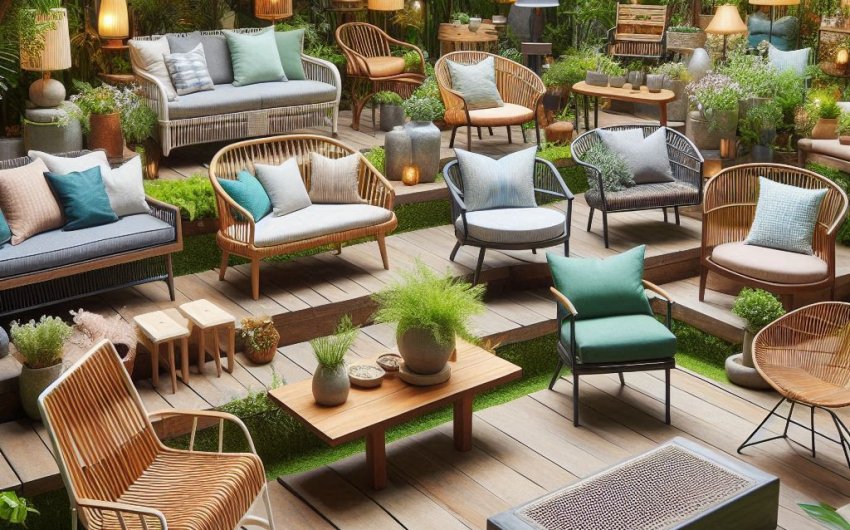
Every garden, no matter its size, deserves a quiet spot for reflection, a comfortable perch to enjoy the beauty of nature, or simply a place to pause and recharge. Creating such a haven often revolves around selecting the perfect seating, and a garden bench is an ideal choice for its versatility and charm. If you're pondering what are the top garden benches for creating a relaxing nook, you're embarking on a delightful journey to transform your outdoor space. This guide will explore various bench styles, materials, and features, helping you choose the ideal seat that not only enhances your garden's aesthetics but also beckons you to unwind and soak in the tranquility.
Why choose a garden bench for a relaxing nook?
A garden bench offers unique advantages over other forms of outdoor seating, making it a stellar choice for cultivating a dedicated relaxation zone in your yard.
What makes benches ideal for creating a quiet retreat?
- Versatility: Benches come in a vast array of styles, materials, and sizes, allowing them to fit seamlessly into any garden aesthetic, from formal and traditional to rustic and modern.
- Space Efficiency: Unlike bulky patio furniture sets, a single bench can provide ample seating without dominating a small area, making it perfect for cozy corners.
- Design Element: Beyond functionality, a well-chosen bench serves as an architectural and artistic focal point, enhancing the visual appeal of your garden. It can define a space or draw the eye towards a particular view.
- Comfort: With the addition of cushions or throws, a bench can be incredibly comfortable, inviting long periods of relaxation.
- Durability: Many benches are designed to withstand outdoor elements, providing long-lasting enjoyment with minimal maintenance.
Where is the best place to put a garden bench for relaxation?
The location of your garden bench is just as important as the bench itself in creating that perfect relaxing nook.
- Under a Shady Tree: Offers natural coolness and a feeling of seclusion.
- Overlooking a Water Feature: The sound of trickling water is incredibly soothing. Consider a bench near a small garden fountain.
- Amidst Fragrant Flowers: Position it where the scent of lavender or roses can drift by.
- At the End of a Path: Creates a destination point, encouraging a stroll before you sit.
- Facing a Sunset View: Perfect for evening contemplation.
- In a Secluded Corner: Tucked away from high-traffic areas, offering privacy and peace. You can enhance privacy with tall ornamental grasses or strategically placed climbing vines.
What are the best materials for garden benches?
The material of your garden bench dictates its durability, maintenance requirements, and overall aesthetic appeal. Each option offers unique characteristics.
Wooden Garden Benches
Wooden garden benches are classic choices, offering natural beauty and versatility.
- Teak:
- Pros: Highly durable, naturally weather-resistant (contains natural oils), ages beautifully to a silver-gray patina, requires minimal maintenance. Considered a premium choice. Look for teak garden benches.
- Cons: Most expensive option.
- Eucalyptus:
- Pros: Good durability and natural resistance to rot and insects, more affordable than teak.
- Cons: May require more frequent oiling than teak to maintain its rich color.
- Acacia:
- Pros: Hardwood, good durability, often from sustainable sources, generally affordable.
- Cons: Can be prone to cracking if not properly maintained or in very dry climates.
- Cedar:
- Pros: Naturally resistant to rot and insects, aromatic, lightweight, and relatively affordable. A popular choice for cedar garden benches.
- Cons: Softer wood, can be prone to dents and scratches.
- Pine/Fir (Treated or Untreated):
- Pros: Most affordable. Untreated pine can be stained or painted.
- Cons: Untreated pine will quickly rot without protection. Pressure-treated pine is more durable but ensure it's safe for your use (modern treatments generally are).
Metal Garden Benches
Metal garden benches offer strength, ornate designs, and a timeless appeal.
- Cast Iron:
- Pros: Extremely heavy and sturdy (won't blow away), highly durable, allows for intricate, classic designs. Often found as ornate cast iron garden benches.
- Cons: Very heavy, can rust if not properly maintained (e.g., chipped paint), can get hot in direct sun.
- Wrought Iron:
- Pros: Strong, durable, allows for elegant, custom designs.
- Cons: Similar to cast iron, can rust if not properly coated/maintained.
- Aluminum:
- Pros: Lightweight (easy to move), rust-proof, low maintenance, often powder-coated for various colors.
- Cons: Can be less sturdy than iron, may feel less substantial. Look for powder-coated aluminum garden benches.
- Steel (Powder-Coated):
- Pros: Strong and durable, more affordable than wrought or cast iron, available in many styles and colors.
- Cons: Can be susceptible to rust if the powder coating chips.
Other Materials
- Concrete/Stone:
- Pros: Extremely durable, virtually maintenance-free, permanent, robust aesthetic.
- Cons: Very heavy, can be difficult to move, can get hot/cold depending on weather.
- Recycled Plastic/Composite:
- Pros: Environmentally friendly (often made from recycled materials), extremely durable, completely weather-proof, no fading, no rot, no splinters, low maintenance. Excellent choice for recycled plastic garden benches.
- Cons: Can be more expensive upfront, may not have the natural feel of wood.
What styles of garden benches best suit different garden themes?
The style of your garden bench should complement your garden's overall aesthetic to create a harmonious and inviting relaxing nook.
Classic and Traditional Styles
- Lutyens Bench: Inspired by the famous English architect Sir Edwin Lutyens, these benches feature distinctive scrolled arms and intricate back designs. Perfect for formal English gardens or classic landscapes. Often made of teak or hardwood.
- Park Bench Style: Simple, sturdy design often with slatted seats and backs. Versatile for many settings, from rustic to suburban. Can be found in wood, metal, or recycled plastic. A classic park bench for gardens is timeless.
- Victorian Style: Often made of cast iron or aluminum, featuring highly ornate, decorative scrollwork and often a curved back. Adds a romantic or historical touch.
Rustic and Natural Styles
- Log or Branch Benches: Made from natural, often unfinished, logs or branches. Ideal for woodland gardens, cabins, or very informal, naturalized settings. These are sometimes handcrafted.
- Adirondack-style Benches: While often individual chairs, some benches mimic the broad slats and relaxed recline of the classic Adirondack chair. Great for a comfortable, laid-back feel.
- Stone Benches: Carved or assembled from natural stone, blending seamlessly into rock gardens or natural landscapes.
Modern and Contemporary Styles
- Sleek Metal Benches: Often made of aluminum or powder-coated steel with clean lines, minimalist designs, and sometimes bold colors. Perfect for modern urban gardens or minimalist patios.
- Concrete Benches: Can be poured in simple, geometric shapes for a minimalist, architectural look.
- Slatted Wood with Metal Frames: Combine the warmth of wood (often cedar or composite) with the clean lines of metal frames for a contemporary feel. Look for modern garden benches with clean lines.
Specialized Bench Styles
- Tree Benches (Tree Surrounds): Benches designed to wrap around the trunk of a tree, creating a shaded seating area and a unique focal point. Often circular or hexagonal.
- Storage Benches: Benches with hinged seats that open to reveal storage space underneath, great for tucking away gardening tools or cushions. A storage bench for outdoor use is highly practical.
- Arbor Benches: A bench integrated into a garden arbor, often supporting climbing plants, creating a very secluded and romantic nook.
- Backless Benches: Versatile for pathways or dining tables, allowing seating from both sides, but less comfortable for long periods of relaxation.
What features enhance comfort and practicality in a garden bench?
Beyond material and style, specific features can significantly improve the comfort, usability, and longevity of your garden bench.
What comfort features should I look for?
- Ergonomics: Pay attention to the seat depth, height, and angle of the backrest. A slight recline and adequate lumbar support will make a big difference for long periods of sitting.
- Armrests: Provide a place to rest your arms and aid in getting up and down.
- Cushions: Add a layer of comfort. Look for outdoor bench cushions made from weather-resistant fabric (like Sunbrella) that are easy to clean and resist fading. Store them when not in use.
- Backrest Height: A higher backrest generally offers more support and comfort.
What practical features are important?
- Durability and Weather Resistance: Choose a material and finish that can withstand your local climate conditions (sun, rain, snow, humidity). Look for rust-proof coatings on metal, and rot-resistant wood.
- Weight: Consider if you need to move the bench. Lightweight aluminum or some composite benches are easier to reposition than heavy cast iron or stone.
- Assembly: Some benches require assembly. Check reviews for ease of assembly. A cordless drill for outdoor furniture assembly can be very helpful.
- Maintenance: How much time are you willing to dedicate to cleaning, sealing, oiling, or painting?
- Security: For very lightweight benches, consider if they need to be secured in windy areas.
What dimensions are ideal for a relaxing nook?
- Length: A typical two-seater bench is 4-5 feet long. For a more expansive feeling or to accommodate more people, longer benches (6+ feet) are available.
- Depth: A seat depth of around 16-18 inches is comfortable for most adults.
- Height: A seat height of approximately 16-18 inches from the ground is standard and comfortable.
How do you maintain and care for a garden bench?
Proper maintenance ensures your chosen garden bench remains beautiful and functional for many years, truly becoming a timeless piece in your relaxing nook.
Wooden Bench Maintenance
- Cleaning: Regularly wipe down with mild soap and water to remove dirt and grime.
- Oiling/Sealing: For most hardwoods (eucalyptus, acacia), reapply outdoor furniture oil or a sealant annually or biannually to protect the wood, prevent drying and cracking, and maintain its color. Teak can be left to weather to a silvery gray, or you can oil it to retain its golden hue.
- Winter Storage (Optional): In harsh winter climates, storing wooden benches indoors or covering them with a heavy-duty outdoor furniture cover can extend their lifespan.
Metal Bench Maintenance
- Cleaning: Wash with mild soap and water.
- Rust Prevention: For cast iron and steel, inspect regularly for chips or scratches in the paint/powder coating. Touch up with rust-inhibiting paint for outdoor metal to prevent rust. Aluminum is rust-proof but can still benefit from cleaning.
- Winter Storage (Optional): Can generally be left out, but covering or storing in harsh conditions can prolong finish.
Recycled Plastic/Composite Bench Maintenance
- Cleaning: Simply wash with soap and water as needed.
- No Fading/Rot: These materials are designed for minimal maintenance and do not rot, splinter, or typically fade significantly.
- Year-Round: Can generally be left outdoors year-round without issue.
Choosing what are the top garden benches for creating a relaxing nook is about blending functionality with personal style and the demands of your environment. By considering material durability, design aesthetics, ergonomic comfort, and practical features, you can select a garden bench that not only serves as a beautiful focal point but also consistently invites you to pause, unwind, and fully appreciate the tranquility of your outdoor haven.