
How to Style Metal Garden Furniture for a Contemporary Look?
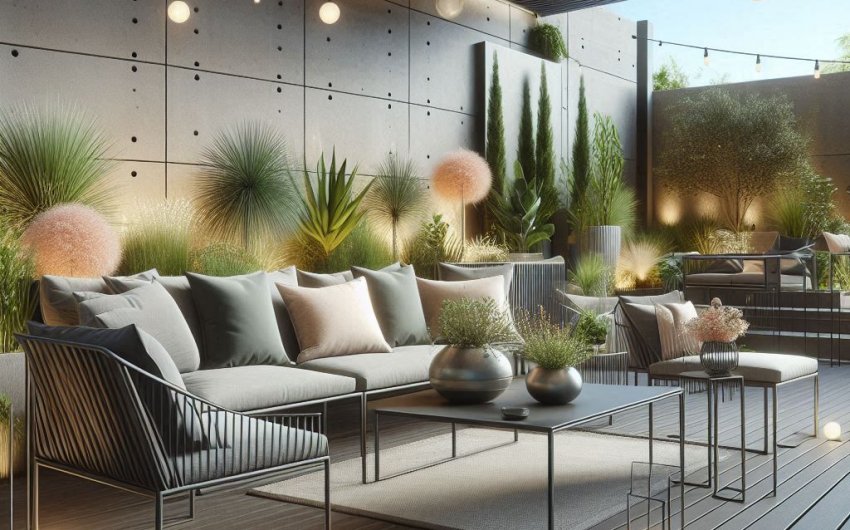
Metal garden furniture is a fantastic choice for any outdoor space. It's known for being strong, long-lasting, and can look really sleek. But sometimes, people think of it as only fitting a traditional, ornate look. Think again! With the right styling choices, metal garden furniture can become the cornerstone of a stunning contemporary outdoor space. If you're aiming for a fresh, modern, and chic feel in your garden, patio, or balcony, read on to discover how to truly make your metal garden furniture shine.
What Defines Contemporary Garden Style?
Before diving into furniture styling, it's helpful to understand what a contemporary garden style actually means. It’s more than just what’s new; it’s about a specific feel and set of principles.
What are the Key Elements of Contemporary Design?
Contemporary design in gardens (and interiors) is all about the "now" – it's current, evolving, and often a mix of styles, but with some consistent threads. When applied to outdoor spaces, it brings a fresh, updated feel.
- Clean Lines and Minimalism: This is perhaps the most defining feature. Contemporary gardens favor straight lines, geometric shapes, and uncluttered spaces. There’s a focus on simplicity and avoiding excessive ornamentation. The furniture itself often has sleek, unadorned frames.
- Neutral Color Palettes with Pops of Color: The base colors are typically calm and natural – shades of gray, white, black, brown, and natural wood tones. Vibrant colors are used sparingly, as accents, to create energy and focal points without overwhelming the serene atmosphere.
- Emphasis on Form and Function: Every element in a contemporary garden serves a purpose and often looks good doing it. Furniture is comfortable and practical, lighting is efficient and atmospheric, and plants are chosen for their structure as much as their flowers.
- Natural Materials Blended with Modern Elements: There’s a beautiful balance between raw, natural materials (wood, stone, concrete, metal) and refined, often manufactured, elements. Think polished concrete planters next to weathered steel benches.
- Texture Over Pattern: Instead of busy floral patterns, contemporary design relies on varied textures for visual interest – the smooth coolness of metal, the roughness of natural stone, the softness of ornamental grasses.
- Indoor-Outdoor Flow: A key goal is to blur the lines between inside and out. The outdoor space feels like an extension of the home, often featuring similar levels of comfort and design sophistication as an indoor living room.
Understanding these elements helps guide all your choices, from furniture to plants to accessories.
How Does Contemporary Differ from Traditional or Modern?
It's easy to mix up these terms, but understanding the differences helps you hone your desired look.
- Contemporary vs. Traditional:
- Traditional gardens often draw inspiration from historical styles (e.g., cottage gardens, formal English gardens). They feature intricate details, curved lines, abundant flowering plants, and materials like wrought iron with scrolls, terra cotta pots, and classic stone statues. The feel is often charming, romantic, and sometimes a bit cluttered.
- Contemporary, in contrast, is sleek, streamlined, and minimalist. It's about simplicity, new materials (or new ways of using old materials), and a focus on structure and calm.
- Contemporary vs. Modern:
- Modern design (often referring to a specific period, roughly 1920s-1970s) is about breaking from the past. It emphasized bold, often abstract forms, industrial materials, and a stark, revolutionary feel. Think sharp angles, unadorned surfaces, and perhaps primary colors.
- Contemporary design is more fluid. It’s what is current and evolving now. It can borrow elements from modern design but is generally softer, more comfortable, and often incorporates natural elements in a warmer way. It's less rigid than strict modernism and more focused on liveability and a sense of calm.
So, while contemporary might use some modern ideas (like clean lines), it's less rigid and more about a current, adaptable, and comfortable aesthetic. For your metal garden furniture, this means choosing pieces that are simple, elegant, and versatile.
What Types of Metal Furniture Work Best for a Contemporary Look?
Not all metal garden furniture is created equal when aiming for a contemporary style. The material, finish, and design of the pieces themselves are crucial starting points.
What are the Benefits of Aluminum, Steel, and Wrought Iron?
Different metals offer distinct looks and properties. Knowing their characteristics helps you choose the best fit for your contemporary outdoor space.
- Aluminum:
- Look: Lightweight, often has a smooth, sleek finish. Can be powder-coated in various colors (black, white, charcoal gray are popular for contemporary).
- Benefits: Very lightweight (easy to move), naturally rust-resistant (especially if powder-coated), low maintenance.
- Style: Ideal for contemporary design due to its clean lines and ability to be shaped into minimalist forms. Think slender frames and open designs. A modern aluminum outdoor dining set exemplifies this.
- Stainless Steel:
- Look: Shiny, reflective, very high-end, and extremely sleek.
- Benefits: Exceptionally durable, highly rust-resistant, very strong.
- Style: Perfect for a sophisticated, truly modern and contemporary look. Often paired with teak or concrete for a striking contrast. It adds a touch of industrial chic.
- Wrought Iron:
- Look: Traditionally associated with ornate, scrollwork designs, but increasingly available in simpler, clean-lined, minimalist forms. Often painted black or dark gray.
- Benefits: Extremely heavy and durable (won't blow away in wind), very strong, long-lasting.
- Style: If you choose wrought iron, opt for pieces with minimal or no decorative scrolls. Look for simple, geometric patterns or solid, clean frames. A streamlined wrought iron bistro set can fit a contemporary aesthetic.
- Powder-Coated Finishes: Many metal furniture pieces, especially aluminum and steel, come with a powder-coated finish. This is a dry paint applied as a powder and then baked on, creating a durable, chip-resistant, and weather-resistant surface. It's excellent for maintaining a consistent, sleek color in a contemporary palette.
Consider your budget, local climate (e.g., salt air if near the coast), and desired level of maintenance when choosing the metal.
What Shapes and Silhouettes Best Suit Contemporary Style?
The shape and overall outline (silhouette) of your metal garden furniture are crucial for achieving a contemporary look.
- Geometric Shapes: Look for rectangles, squares, circles, and straight lines. Think tables with clean, rectangular tops and straight legs, or chairs with sharp angles.
- Low Profile: Many contemporary outdoor furniture pieces have a lower profile than traditional furniture. This creates a relaxed, lounge-like feel and helps integrate the furniture with the surrounding landscape rather than dominating it.
- Sleek and Streamlined: Avoid ornate details, fussy carvings, or excessive curves. The beauty lies in the simplicity of the form itself.
- Open Designs: Furniture with open, airy designs (e.g., slatted backs and seats, minimalist frames) contributes to an uncluttered, spacious feel. This is especially true for aluminum.
- Modular Pieces: Contemporary design often embraces flexibility. Modular sofas or seating sections that can be rearranged to suit different needs are very contemporary. A versatile modular outdoor seating set can offer customizability.
- Clean Edges: Sharp, defined edges rather than rounded or softened ones contribute to the modern aesthetic.
The silhouette of your metal garden furniture should feel deliberate, architectural, and effortlessly chic.
How Can You Elevate Metal Furniture with Color and Texture?
Once you have your core metal furniture pieces, the real magic of styling begins. Adding the right colors and textures through cushions, accessories, and surrounding elements can transform your space.
What are the Best Color Palettes for Contemporary Gardens?
Color plays a powerful role in setting the mood of your contemporary outdoor space.
- Neutral Base: Stick to a neutral palette for the main furniture frames and larger elements. Think charcoal gray, matte black, crisp white, or earthy browns. These colors provide a calm, sophisticated backdrop.
- Cushions and Pillows: This is where you can introduce accent colors. Choose solid colors or subtle geometric patterns. Popular contemporary accent colors include:
- Deep Blues and Teals: Evoke water and calm.
- Mustard Yellow or Ochre: Adds warmth and a pop of sunshine.
- Emerald Green: A rich, earthy tone that connects with foliage.
- Terra Cotta/Rust: Adds warmth and a touch of earthiness.
- Charcoal or Black: For a super sleek, monochromatic look.
- Limited Pops of Color: Use accent colors sparingly and deliberately. Don't go overboard. Maybe one or two throw pillows, a vibrant planter, or a colorful outdoor rug. The idea is to create impact without visual clutter.
- Monochromatic Schemes: For a very sophisticated contemporary look, consider a monochromatic scheme using different shades and textures of a single color, like various grays or blacks.
Remember, the goal is calm and inviting, not overwhelming. A selection of weather-resistant outdoor throw pillows can quickly refresh your space.
How Do Textures and Materials Create Interest?
Contemporary design relies heavily on texture to add depth and visual interest, especially with a neutral color palette.
- Mix Materials: Don't be afraid to combine your metal furniture with other materials.
- Wood: Teak, acacia, or cedar elements (tabletops, armrests, slatted benches) add warmth and organic texture.
- Concrete: Planters, side tables, or fire pit surrounds made of concrete provide an industrial, earthy, and very contemporary feel.
- Woven Materials: Woven rattan or rope accents (on chair backs, side tables, or lanterns) add a softer, natural texture that contrasts beautifully with sleek metal.
- Cushion Fabrics: Choose fabrics with interesting textures like slub linen, basketweave, or outdoor performance fabrics with subtle patterns (e.g., a quiet herringbone). Avoid overly busy floral prints.
- Outdoor Rugs: An outdoor rug can define your seating area and add texture and subtle pattern underfoot. Look for flat-weave rugs with geometric designs or natural fiber looks. A durable outdoor patio rug sets the foundation.
- Plant Textures: Use plants with varied foliage textures (spiky succulents, feathery grasses, broad hosta leaves) to add living texture to the overall scene.
- Hardscaping: The materials you use for patios (smooth concrete pavers, large format tiles, sleek composite decking) also contribute significantly to the overall texture of the space.
By layering different textures, you create a rich, inviting, and visually engaging contemporary outdoor space.
What Accessories and Lighting Enhance a Contemporary Vibe?
Accessories and lighting are the finishing touches that bring your contemporary outdoor space to life, adding personality and functionality.
What Kind of Planters and Plants Work Best?
The right choices for planters and plants will reinforce your contemporary aesthetic and complement your metal furniture.
- Planter Style:
- Clean Lines: Choose planters with simple, geometric shapes – cubes, cylinders, low rectangular troughs. Avoid ornate or fussy designs.
- Materials: Look for planters made of concrete, fiberglass, powder-coated metal, or sleek ceramic. Terracotta can work if it's a very simple, unadorned shape.
- Colors: Stick to neutral colors: charcoal, black, white, gray, or natural stone tones.
- Grouping: Group planters of varying sizes and heights in odd numbers for visual interest. A set of modern concrete planters creates a cohesive look.
- Plant Choices:
- Architectural Plants: Choose plants with strong, sculptural forms and interesting textures.
- Grasses: Ornamental grasses like Little Bluestem, Fountain Grass, or Maiden Grass add movement and texture.
- Succulents: Agave, Yucca, or various types of Sedum offer striking shapes and drought tolerance.
- Structural Shrubs: Dwarf conifers with unique shapes, or plants like Boxwood (trimmed into geometric forms).
- Limited Flowering: While some flowers are fine, don't overwhelm the space with too many vibrant blooms. Focus more on foliage, texture, and form. If you do use flowers, choose those with clean shapes or a single color theme.
- Clean Look: Keep plants well-maintained and tidy.
- Architectural Plants: Choose plants with strong, sculptural forms and interesting textures.
The choice of planters and plants acts as an extension of your contemporary design, softening the metal and adding living artistry.
How Does Outdoor Lighting Transform the Space?
Lighting is essential for setting the mood and extending the usability of your outdoor space into the evening. For a contemporary look, think about subtle, purposeful illumination.
- Layered Lighting: Combine different types of lighting for depth and ambiance.
- Pathway Lighting: Low-profile, sleek pathway lights to define walkways and ensure safety. Solar-powered options are easy to install. A modern solar pathway light set can be effective.
- Accent Lighting: Use spotlights to highlight specific features like a beautiful tree, a sculpture, or a textured wall.
- Ambiance Lighting:
- LED Strip Lights: Can be hidden under benches, along railings, or in planters to create a soft, continuous glow.
- String Lights: Drape warm white bistro-style string lights across a patio or pergola for a festive, inviting atmosphere.
- Minimalist Lanterns: Place sleek, geometric lanterns (solar or battery-operated) on tables or hang them strategically.
- Fire Pit: A modern fire pit or fire table adds a warm, captivating glow and is a perfect focal point for a contemporary outdoor living space. A sleek linear propane fire pit table is very contemporary.
- Warm White vs. Cool White: For a cozy, inviting ambiance, opt for warm white (2700K-3000K) LED lights. Cool white can sometimes feel too stark or commercial.
- Integrated Lighting: Look for metal furniture that has built-in LED lighting for an ultra-modern touch.
- Smart Lighting: Incorporate smart lighting systems that allow you to control brightness, color, and timers from your phone, adding convenience and a futuristic feel.
Lighting isn't just about seeing in the dark; it's about painting with light to create a stunning nighttime environment for your contemporary outdoor oasis.
What Other Accessories Complete the Look?
The right accessories tie everything together, adding comfort and style without creating clutter.
- Outdoor Rugs: Define your outdoor living area with a durable, weather-resistant outdoor rug. Choose one with a subtle geometric pattern, a woven texture, or a solid neutral color.
- Throws: A few cozy outdoor throw blankets, draped over seating, add warmth and an inviting touch, especially for cooler evenings. Look for textured fabrics in your accent colors or neutrals.
- Side Tables: Simple, minimalist side tables (perhaps in concrete, metal, or wood) provide functional surfaces for drinks and books.
- Mirrors: Strategically placed outdoor mirrors can create the illusion of more space and reflect interesting garden views. Choose mirrors with simple, sleek metal frames.
- Water Features: A small, minimalist water feature, like a bubbling concrete sphere or a sleek stainless steel cascade, adds soothing sounds and a serene focal point.
- Art: A single, impactful piece of garden art – perhaps a metal sculpture with clean lines or a textured wall panel – can draw the eye and reinforce your contemporary aesthetic. A striking modern metal garden sculpture can elevate the space.
Remember the mantra of contemporary design: less is often more. Choose high-quality, impactful pieces rather than many small, fussy ones. Each accessory should feel intentional and contribute to the overall calm, sophisticated atmosphere of your outdoor oasis.