
What Are the Best Cushions and Accessories for Garden Furniture Comfort?
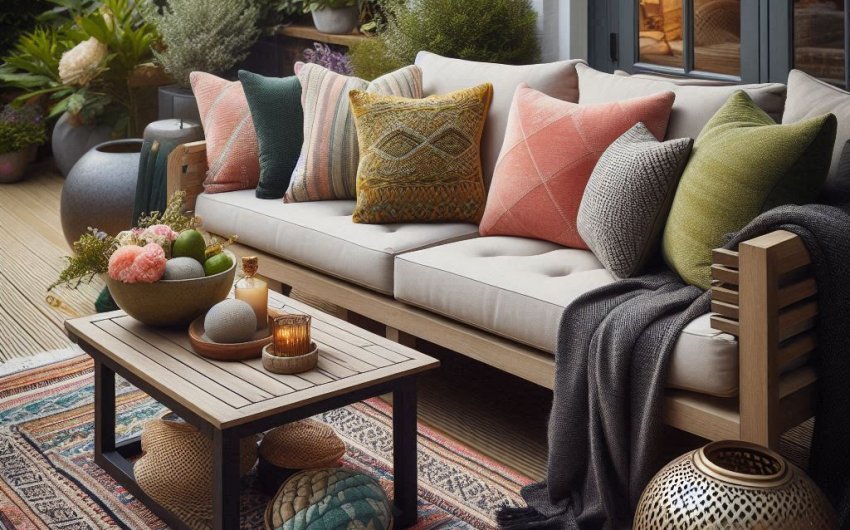
Your garden furniture might look stylish, but is it truly inviting? Does it beckon you to linger with a good book, enjoy a leisurely meal, or simply unwind and soak in the fresh air? Often, the difference between a functional patio set and a truly comfortable outdoor oasis lies in the details: the cushions and accessories.
While hard materials like metal, wood, or rattan create the structure, it's the right padding and thoughtful additions that transform a rigid seat into a plush haven. These elements not only enhance the comfort of your outdoor furniture but also infuse your space with personal style, color, and texture, making it just as inviting as your indoor living room.
This guide is your ultimate resource for discovering what are the best cushions and accessories for garden furniture comfort. We'll demystify cushion types and materials, explore essential comfort-enhancing additions like throw pillows and blankets, and provide expert tips on choosing and caring for them. Get ready to elevate your outdoor lounging experience and create a patio that's truly designed for relaxation and enjoyment!
Why Cushions Are Essential for Garden Furniture Comfort
Think about sitting directly on a bare metal chair or a hard wooden bench for an extended period. Not exactly relaxing, right? Cushions are not just decorative; they are absolutely essential for transforming hard garden furniture into a truly comfortable and inviting outdoor living space.
1. Enhancing Comfort: The Primary Role
- Padding and Support: This is the most obvious benefit. Cushions provide a soft, supportive layer between you and the hard surface of the furniture. This padding is crucial for sustained comfort, whether you're dining, lounging, or reading.
- Pressure Relief: They distribute body weight more evenly, reducing pressure points that can cause discomfort or numbness, especially during long periods of sitting.
- Temperature Regulation: Cushions can help regulate temperature. In direct sun, they prevent scorching on hot metal or dark wood. In cooler weather, they provide a layer of insulation against cold surfaces.
2. Aesthetic Appeal: Style and Color Boost
Cushions are arguably the easiest way to inject style and personality into your outdoor space.
- Color and Pattern: They offer a vast palette of colors and patterns, allowing you to complement your home's exterior, tie into your garden's color scheme, or introduce a vibrant pop of contrast.
- Texture: Cushion fabrics add a new layer of texture to the typically hard surfaces of outdoor furniture, softening the overall look.
- Cohesive Design: By choosing cushions that coordinate with each other and with your overall garden furniture décor, you can create a unified and inviting outdoor room.
- Seasonal Updates: Changing cushions seasonally or for special occasions is an easy and cost-effective way to update your patio's look without buying new furniture.
3. Protection for Furniture (and You!)
- Surface Protection: Cushions provide a barrier between users and the furniture, preventing scratches or wear on the furniture's finish over time.
- Comfort from Imperfections: They can cover minor imperfections or rough spots on older furniture.
4. Versatility
- Adaptable Seating: Cushions make benches more comfortable, can turn a low wall into seating, or even provide impromptu floor seating for kids.
The Problem Without Cushions:
Without appropriate cushions, your garden furniture might look good, but it won't be truly comfortable. This means:
- Less Use: You're less likely to spend time relaxing outdoors.
- Shorter Stays: Guests won't linger as long if they're uncomfortable.
- Uninviting Space: The area feels less cozy and less like an outdoor living room.
In essence, cushions are indispensable for garden furniture comfort. They are the key ingredient that transforms a simple outdoor seating area into a plush, inviting, and stylish outdoor oasis, encouraging you to spend more time enjoying your backyard bliss.
Types of Cushions for Garden Furniture Comfort
When you're choosing cushions for garden furniture, you'll quickly realize there's a wide variety, each designed for specific types of seating and levels of comfort. Understanding the different types helps you select the best cushions for your specific furniture pieces and desired lounging experience.
1. Seat Cushions (Standard & Boxed)
These are the most common type, designed to fit the seat of chairs, benches, and sofas.
- Standard Seat Cushions:
- Description: Often thinner, sometimes with tufting or simple stitching. They cover just the seat.
- Best For: Dining chairs, benches, or any chair where you want basic padding and quick drying.
- Pros: Generally less expensive, lighter, quick-drying.
- Cons: Less padding for extended lounging.
- Boxed Seat Cushions (Welted Cushions):
- Description: Thicker, often with a more structured "box" shape and welting (piping) around the edges. They look more substantial and replicate indoor sofa cushions.
- Best For: Lounge chairs, deep sofas, or any furniture where maximum comfort and a plush look are desired.
- Pros: Superior comfort and padding, more luxurious appearance.
- Cons: Can be more expensive, takes longer to dry if it gets wet, may require more storage space.
- Key Features to Look For:
- Ties/Straps: Many come with fabric ties or hook-and-loop fasteners to secure them to the furniture and prevent slipping.
- Drainage Holes (in some designs): For boxed cushions, internal drainage holes can help water escape after rain, speeding up drying.
2. Back Cushions
These are designed to provide lumbar and back support.
- Description: Can be a single piece for a chair back or multiple cushions for a sofa. Often come as part of a set with seat cushions.
- Best For: Any chair, sofa, or bench where you want full back support for prolonged sitting.
- Pros: Significantly enhances lounging comfort.
- Cons: Takes up additional storage space.
3. Bench Cushions
Designed specifically for outdoor benches.
- Description: Long, rectangular cushions that fit the length of a bench. Can be tufted, boxed, or a simple flat pad.
- Best For: Outdoor benches (wood, metal, stone) to convert them into comfortable seating.
- Pros: Transforms a hard bench into a plush seat for multiple people.
- Cons: Can be bulky to store.
4. Chaise Lounge Cushions
Custom-made for outdoor chaise lounges.
- Description: Long, often segmented cushions that cover the entire length of a chaise lounge, typically with sections for the head, back, and leg rest.
- Best For: Chaise lounges for ultimate poolside or patio relaxation.
- Pros: Maximizes comfort for lounging and sunbathing.
- Cons: Very large and bulky, requiring significant storage space. Often more expensive.
5. Throw Pillows (Decorative & Supportive)
These are smaller, decorative pillows that add extra comfort and style.
- Description: Smaller square, rectangular, or round pillows. Not designed for primary seating, but for lumbar support, neck comfort, or just decoration.
- Best For: Sofas, lounge chairs, or even benches to add pops of color, pattern, and extra plushness.
- Pros: Highly versatile for décor, easy to swap out seasonally. Adds a layer of luxurious comfort.
- Cons: Can blow away in wind if not weighted.
- Look For: Outdoor-specific fabrics and fillers. A set of outdoor throw pillows can instantly update your space.
When selecting cushions, consider the specific furniture piece, the desired level of comfort, and how well the cushion type aligns with your lifestyle and maintenance commitment. Choosing the best cushions is a blend of practical needs and aesthetic desires.
Cushion Materials: Fabric, Fill, and Durability
The materials used in your garden furniture cushions are paramount. They dictate not only the cushion's feel and look but also its durability, weather resistance, and how easy it is to maintain, especially when aiming for lasting comfort in an outdoor environment.
1. Outer Fabric: Weather Resistance is Key!
The fabric is the first line of defense against the elements and determines the cushion's aesthetic. Never use indoor fabrics outdoors!
- Solution-Dyed Acrylic (e.g., Sunbrella, Outdura):
- Pros: The gold standard for outdoor fabrics. Extremely fade-resistant (color goes all the way through the fiber, not just dyed on top), highly UV-resistant, excellent water repellency, resistant to mold and mildew. Very durable and easy to clean. Often soft to the touch.
- Cons: Most expensive option.
- Best for: All climates, especially hot and sunny areas; long-term durability; high traffic areas. A Sunbrella outdoor cushion set is a top investment.
- Spun Polyester:
- Pros: More affordable than acrylic. Can be soft and has a good range of colors/patterns. Often treated for water resistance.
- Cons: Not as fade-resistant as solution-dyed acrylic (color is printed or dyed on the surface). Can eventually fade and break down from UV exposure.
- Best for: Budget-conscious buyers, covered patios, areas with less intense sun. A common fabric for many affordable outdoor cushions.
- Olefin (Polypropylene):
- Pros: More fade-resistant than spun polyester, good water and stain resistance, generally affordable.
- Cons: Not as soft as acrylics. Can be stiffer.
- Best for: Good mid-range option for durability and weather resistance.
- PVC/Vinyl Coated Fabrics (e.g., Textilene):
- Pros: Very durable, mold-resistant, easy to wipe clean, quick-drying (often used for sling chairs without separate cushions).
- Cons: Can be less soft or breathable.
- Best for: Sling-style chairs, utility cushions, very wet environments.
2. Inner Fill Material: Support and Loft
The cushion's fill determines its comfort level, how quickly it dries, and how long it maintains its shape.
- Foam (Polyurethane Foam):
- Pros: Provides excellent firm support and density. Comes in various densities (denser foam = firmer support, more durable).
- Cons: Can absorb water and take a long time to dry if not properly wrapped or designed with drainage. Can develop mildew if consistently wet.
- Best for: Structured, boxed seat cushions where firm support is desired. Look for outdoor-specific foam that allows water to pass through.
- Polyester Fiberfill (Polyester Batting):
- Pros: Soft, plush, comfortable, quick-drying (less absorbent than foam).
- Cons: Can flatten over time, losing its loft and support. Can clump if it gets very wet.
- Best for: Back cushions, throw pillows, tufted cushions where softness is prioritized over firm support.
- "Flow-Through" or "Drainage" Foam:
- Pros: Specialized foam designed with larger pores to allow water to drain through quickly. Reduces drying time and mildew risk.
- Cons: More expensive.
- Best for: Premium outdoor cushions, especially in rainy climates.
3. Construction Features for Durability
Beyond the basic materials, look for these details.
- UV-Resistant Thread: Even if the fabric is UV-resistant, if the stitching thread isn't, it will break down in the sun, causing cushions to fall apart.
- Heavy-Duty Zippers: If cushion covers are removable (a huge plus for cleaning!), ensure zippers are sturdy and rust-resistant (plastic or marine-grade metal).
- Double Stitching/Reinforced Seams: Indicates better quality and durability.
Investing in garden furniture cushions with high-quality, weather-resistant fabrics and appropriate fill materials is essential for long-term comfort and lasting beauty in your outdoor space.
Accessories for Garden Furniture Comfort: Beyond Cushions
While cushions are paramount, a range of accessories can further elevate your garden furniture comfort, making your outdoor space truly feel like an extension of your indoor living room. These additions enhance relaxation, functionality, and aesthetic appeal.
1. Outdoor Throw Pillows: Style & Lumbar Support
- Why they're great: They add an extra layer of plushness and decorative flair to sofas, chairs, and benches. They're perfect for lumbar support, neck support, or simply propping up a book. They're also an easy way to introduce new colors, patterns, and textures.
- Key Features to Look For:
- Outdoor Fabric: Just like main cushions, choose outdoor throw pillows made from UV and water-resistant fabrics (Sunbrella, olefin, spun polyester).
- Outdoor Fill: Quick-drying polyester fiberfill is common.
- Removable Covers: For easy cleaning.
- Pro Tip: Mix different sizes, shapes, and patterns (but stick to a cohesive color palette) for an inviting, designer look.
2. Outdoor Throw Blankets: Cozy Evenings
- Why they're great: For cooler evenings or crisp autumn days, a soft throw blanket invites you to linger longer outdoors. They add a touch of warmth and coziness.
- Key Features to Look For:
- Weather-Resistant Materials: Choose blankets made from outdoor-specific materials like acrylic, polyester fleece, or treated synthetics that resist mildew and dry quickly. Avoid natural fibers like cotton or wool that will get damp and moldy.
- Softness: Still needs to be comfortable against the skin.
- Washable: Easy to clean after outdoor use.
- Pro Tip: Store them in a nearby outdoor storage box with your cushions.
3. Outdoor Side Tables: Handy Surfaces
- Why they're great: Essential for holding drinks, snacks, books, phones, or a small plant. They prevent clutter on larger dining tables and provide a convenient surface next to lounge chairs.
- Key Features to Look For:
- Durability: Must withstand outdoor elements.
- Stability: Shouldn't wobble.
- Size and Height: Choose a size that is proportionate to your seating and height.
- Design: Complement your existing furniture. A small outdoor side table can make a big difference.
- Pro Tip: Consider side tables that also offer storage, or lightweight, foldable options for versatility.
4. Patio Umbrellas and Shade Sails: Cool Comfort
- Why they're great: Essential for comfort in sunny climates. They provide crucial shade, protecting you and your furniture from harsh UV rays and heat.
- Key Features to Look For:
- UV Protection: Look for fabrics that offer high UPF (Ultraviolet Protection Factor).
- Sturdy Base: For umbrellas, a heavy, stable base is critical to prevent tipping.
- Tilt Mechanism: For adjustable shade.
- Wind Resistance: For areas prone to wind.
- Pro Tip: A large cantilever patio umbrella offers flexible shade over a seating area without a central pole.
5. Outdoor Rugs: Define and Soften
- Why they're great: They define your outdoor living space, making it feel more like a "room." They add color, pattern, and a soft underfoot feel.
- Key Features to Look For:
- Outdoor-Specific Material: Made from polypropylene or recycled plastics that are weather-resistant, mold-resistant, and easy to clean.
- Durable: Able to withstand foot traffic.
- UV Resistance: To prevent fading.
- Pro Tip: Choose a size that fits your seating area proportionally. A large outdoor area rug grounds the space.
6. Outdoor Lighting: Ambiance and Safety
- Why they're great: Transforms the mood of your outdoor space after dusk. Adds ambiance for entertaining and improves safety on pathways.
- Key Features to Look For:
- Weatherproof: Designed for outdoor use.
- Solar Powered: Often easiest for a wire-free setup.
- Warm Glow: Choose lights that emit a soft, warm light rather than harsh bright white.
- Pro Tip: String solar string lights over your dining or lounging area for a magical effect. Add lanterns or table lamps for accent lighting.
By strategically incorporating these accessories for garden furniture comfort, you'll create a layered, inviting, and truly luxurious outdoor retreat that maximizes relaxation and enjoyment for all your backyard activities.
Maintaining Your Cushions and Accessories for Lasting Comfort
You've invested in the best cushions and accessories for garden furniture comfort. To ensure they maintain their beauty, hygiene, and functionality for many seasons, proper maintenance and storage are absolutely essential. Neglecting care, especially in damp or sunny climates, can quickly lead to fading, mold, mildew, and deterioration.
1. Daily/After Use Care (Quick & Easy)
These simple habits can prevent bigger problems.
- Brush Off Debris: After each use, quickly brush off any loose dirt, dust, pollen, leaves, or pet hair from cushions and throws. A soft brush or even a lint roller works well.
- Wipe Up Spills Immediately: Clean any spills promptly with a clean cloth and mild soap (if needed). The quicker you address a spill, the less likely it is to stain.
- Stand Cushions Up (If Damp): If cushions get damp from dew, a light drizzle, or sweat, stand them on their sides or edges to allow air to circulate and help them dry faster. This prevents moisture from lingering underneath.
2. Regular Cleaning (Routine Maintenance)
- Frequency: Plan for routine cleaning at least monthly, or more frequently if your furniture is heavily used or exposed to a lot of pollen/dust/rain.
- For Cushion Covers (if removable and machine washable):
- Read the Label: Always follow the manufacturer's washing instructions precisely.
- Pre-treat Stains: Pre-treat any stubborn stains before washing.
- Machine Wash: Use cold water on a gentle cycle with a mild detergent. Avoid bleach (unless specifically recommended for mold by the manufacturer for solution-dyed fabrics).
- Air Dry: Always air dry cushion covers. Hang them to dry completely, out of direct sunlight. Never put them in a dryer, as high heat can cause shrinkage, damage to the fabric, or degrade water-resistant coatings.
- For Cushions (non-removable covers or the fill itself):
- Hose Down: Rinse thoroughly with a garden hose.
- Mild Soap Solution: Use a soft brush or sponge with a mild soap solution (e.g., dish soap diluted in water) to gently scrub the entire cushion.
- Rinse Thoroughly: Rinse all soap residue completely.
- Stand to Dry: Stand cushions on their sides to allow water to drain and air to circulate. Ensure they are 100% dry before storing.
- For Outdoor Throws/Rugs: Follow label instructions, which often involve machine washing cold or hosing down and air drying.
3. Addressing Mold and Mildew
This is a common issue for outdoor textiles, especially in humid climates.
- Prevention is Best: Good cleaning, thorough drying, and proper storage are the best ways to prevent mold.
- Treatment:
- Mild Solution: For light mold, a solution of 1 part white vinegar to 3 parts water, or a very diluted bleach solution (1 part bleach to 10 parts water) can be effective. Always test on an inconspicuous area first.
- Scrub and Rinse: Apply, let it sit for a few minutes, gently scrub with a soft brush, and rinse thoroughly.
- Specialized Cleaners: For stubborn mold, consider a specialized outdoor fabric cleaner for mold that is safe for your fabric type.
4. Proper Storage for Longevity
This is the most critical step for extending the life of your cushions and accessories.
- During Inclement Weather: Always bring cushions, throw pillows, and blankets indoors during rain, heavy dew, or when not in use for extended periods. This protects them from moisture, sun, and dirt.
- Off-Season Storage: For the long term (e.g., winter), store all textiles in a clean, dry, well-ventilated space (garage, shed, basement, or climate-controlled indoor closet).
- Dry and Clean: Ensure all items are completely dry and clean before storing. Trapped moisture is the biggest cause of mold and mildew in storage.
- Storage Containers: Use breathable outdoor cushion storage bags or a dedicated outdoor storage box. Avoid airtight plastic bags, which can trap moisture and promote mildew.
- Elevate: If storing in a garage or shed, elevate items off the concrete floor to prevent moisture wicking.
By consistently practicing these maintenance and storage tips, your cushions and accessories for garden furniture comfort will remain plush, vibrant, and inviting for many years, truly elevating your outdoor living experience and ensuring lasting backyard bliss.