
How to Maintain Wooden Garden Furniture and Keep It Looking New?
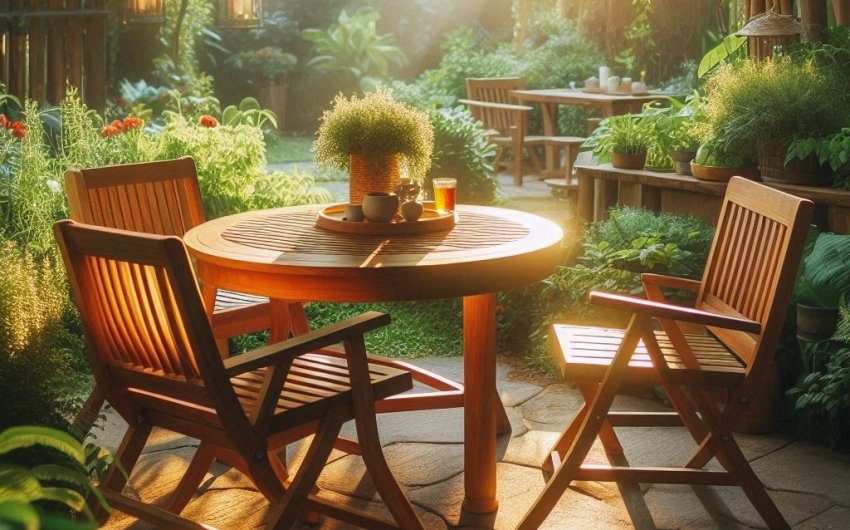
Wooden garden furniture adds a natural beauty to any outdoor space. It can make your patio or deck feel warm and inviting. But being outside all the time means your wooden furniture faces tough challenges. Sun, rain, snow, and even just dirt can make it look old and worn out quickly. With a little bit of care, you can keep your wooden garden furniture looking new for many years. This guide will walk you through everything you need to know about wood furniture maintenance.
Why Does Wooden Garden Furniture Need Special Care?
Wood is a natural material, and that's part of its charm. But being natural also means it's affected by its surroundings. When your garden furniture sits outside, it's constantly exposed to things that can damage it.
What Does the Sun Do to Wood?
The sun's UV rays are very strong. They can break down the natural compounds in wood. This causes the wood to lose its color and turn a grayish, dull shade. It can also dry out the wood, making it brittle. This dryness can lead to cracks and splits in the wood over time. Think of how your skin gets dry and chapped in the sun; wood reacts in a similar way.
How Does Rain and Moisture Affect Wood?
Water is a big enemy of wood furniture. When wood gets wet and stays wet, it can start to rot. Water also helps mold and mildew grow on the surface, which looks unsightly and can further damage the wood. If water gets into tiny cracks and then freezes, it expands. This can make the cracks bigger, leading to serious damage. Humidity (moisture in the air) can also cause wood to swell and then shrink, leading to warping.
What About Pests and Dirt?
Insects like termites or carpenter ants can tunnel into wood, weakening its structure. While not as common for all outdoor furniture, it's a risk. Dirt, pollen, and leaves can also collect on your furniture. This trapped debris holds moisture against the wood, making it more likely to develop mold or mildew. It can also scratch the surface if not removed carefully.
Why Does Wood Need Protection?
Without proper protection, wooden garden furniture will quickly lose its appeal. It will turn gray, crack, rot, and become weak. Taking the time to maintain it protects your investment. It also ensures your outdoor space always looks its best. Regular maintenance is key to a long-lasting and beautiful piece of wooden outdoor furniture.
How Do You Clean Wooden Garden Furniture?
Cleaning is the first step in maintaining wooden furniture. It's important to remove dirt, grime, and any signs of mold or mildew before applying any protective coatings.
When Should You Clean Your Furniture?
It's a good idea to give your wooden garden furniture a thorough cleaning at least once a year, usually in the spring before you start using it a lot. You should also clean up spills and spot-clean any dirty areas as they happen. If you notice any mold or mildew forming, clean it right away.
What Supplies Do You Need for Cleaning?
You'll need a few basic items:
- A bucket of warm water
- Mild dish soap or a special wood cleaner
- A soft brush or sponge
- Clean rags or towels
- A garden hose for rinsing
How to Clean Mild Dirt and Grime?
For general dirt and light grime, a simple wash will do the trick:
- Mix a small amount of mild dish soap with warm water in your bucket.
- Use a soft brush or sponge to gently scrub the furniture. Work in small sections. Always scrub along the grain of the wood, not against it.
- Rinse the furniture thoroughly with a garden hose. Make sure all soap residue is gone. Soap left on the wood can attract more dirt later.
- Let the furniture air dry completely before moving on to the next step or putting cushions back on. This might take a full day depending on the weather.
How to Remove Mold and Mildew?
Mold and mildew look like black, green, or white fuzzy patches. They thrive in damp, shaded areas. They can also get deep into the wood if left untreated.
- For stubborn mold and mildew, you can make a cleaning solution. Mix one part bleach with two parts water.
- Alternatively, you can use a wood cleaner designed for mold and mildew. Always follow the product's instructions.
- Apply the solution with a sponge or soft brush. Let it sit for a few minutes.
- Scrub gently until the mold disappears. Be careful not to scrub too hard, especially with bleach, as it can lighten the wood.
- Rinse very thoroughly with clean water. Again, make sure no cleaning solution is left.
- Allow the furniture to dry completely.
Can You Pressure Wash Wooden Furniture?
Using a pressure washer on wooden furniture can be tempting, but it's risky. The high pressure can damage the wood fibers, cause splintering, and even force water deep into the wood, leading to more problems. If you absolutely must use one, use the lowest pressure setting and keep the nozzle far away from the wood. It's usually better to stick to manual scrubbing for wooden garden furniture.
What is the Best Way to Protect Wooden Furniture?
Once your wooden furniture is clean and dry, it's time to protect it. This step is crucial for preventing damage from sun and water. There are a few main types of wood protection: wood oil, wood sealant, and paint.
What is Wood Oil and When to Use It?
Wood oil soaks into the wood fibers, nourishing them from within. It helps keep the wood from drying out and cracking. It also brings out the natural color of the wood. Teak oil is very popular for teak furniture, but many other hardwood oils are available.
- When to use it: Wood oil is great for dense hardwoods like teak, eucalyptus, or acacia. It needs to be re-applied more often than sealants, usually once or twice a year, depending on your climate and how much sun the furniture gets. It doesn't form a film on the surface, so it won't peel or chip.
- How to apply:
- Make sure the furniture is clean and completely dry.
- Apply the wood oil generously with a clean rag or foam brush. Work in small sections.
- Let the oil soak in for the time recommended on the product label (usually 15-30 minutes).
- Wipe off any excess oil with a clean, dry rag. This is very important! If you leave too much oil on the surface, it can become sticky or attract dirt.
- Allow the furniture to dry fully before using it. You might need to apply a second coat after a few hours, following the product's instructions. Remember: Rags soaked in oil can sometimes spontaneously combust. Lay them flat to dry outside or soak them in water before throwing them away.
What is Wood Sealant (Varnish or Sealer) and When to Use It?
A wood sealant (often called outdoor wood sealer or spar varnish) creates a protective layer on top of the wood. This layer acts like a shield against moisture and UV rays. Unlike oil, it doesn't soak in as much, but forms a durable film.
- When to use it: Sealants are good for almost all types of outdoor wood, including softer woods like cedar or pine. They offer very strong protection against water damage and fading. They usually last longer than oils, often needing re-application every 1-3 years. However, if the film gets scratched or chipped, water can get underneath, leading to peeling.
- How to apply:
- Ensure the furniture is clean, dry, and sanded if needed to ensure good adhesion.
- Apply the wood sealant with a paint brush or roller, following the grain of the wood.
- Apply thin, even coats. Avoid drips and puddles.
- Allow each coat to dry completely before applying the next, usually 4-6 hours. Lightly sand between coats if the product recommends it.
- Most sealants require 2-3 coats for best protection.
- Let the furniture cure (harden fully) for the recommended time before using.
When Should You Paint Wooden Furniture?
Painting wooden garden furniture offers the most complete protection from the elements. The paint forms a solid barrier. It also allows you to change the color and style of your furniture.
- When to use it: Paint is great for older pieces that might have seen better days, or if you want to match your furniture to your home's exterior. It hides imperfections and provides strong, long-lasting protection. However, paint can chip and peel over time, requiring re-painting.
- How to apply:
- Clean the furniture thoroughly and let it dry.
- Sand the furniture lightly to create a rough surface for the paint to stick to.
- Apply a wood primer designed for outdoor use. This helps the paint stick better and provides an extra layer of protection. Let it dry completely.
- Apply outdoor-grade exterior paint with a brush or roller. Apply in thin, even coats.
- Apply two or more coats as needed, allowing each to dry fully between applications.
Which Protection is Best for Your Furniture?
The best protection depends on the type of wood and your desired look:
- Teak, Eucalyptus, Acacia: These naturally oily woods often do best with wood oil to maintain their rich color.
- Cedar, Pine, Fir: Softer woods often benefit from a wood sealant or paint for maximum protection.
- To keep the natural look: Choose wood oil or a clear wood sealant.
- To change the color: Choose paint.
Always check the furniture's original finish. If it was oiled, stick to oil. If it was sealed or painted, you'll need to remove the old finish (by sanding) before changing to a different type of protection.
How to Handle Cracks, Splits, and Damage?
Even with the best maintenance, wood can sometimes show signs of wear and tear. Cracks and splits are common, especially in areas with big changes in temperature and humidity.
Why Do Cracks and Splits Happen?
Wood naturally expands and contracts with changes in moisture and temperature. When it dries out too quickly or gets soaked and then dries, these movements can cause the wood fibers to pull apart, creating cracks and splits. This is a normal part of wood aging, but large cracks can weaken the furniture.
How to Fix Minor Cracks?
For small, hairline cracks, you might not need to do anything. They often close up slightly when the humidity is higher. However, you can help protect them.
- Clean the area around the crack.
- If you're using wood oil, the oil will soak into the crack and help nourish the wood.
- If using a sealant, the sealant will fill and protect the crack.
How to Repair Larger Splits and Damage?
For larger splits or holes caused by damage, you'll need to fill them.
- Clean out any loose debris from the crack.
- Use a wood filler designed for outdoor use. Apply it according to the product's instructions, pressing it firmly into the crack.
- Smooth the filler with a putty knife.
- Allow the filler to dry completely.
- Once dry, sand the filled area smooth so it blends with the surrounding wood.
- Apply your chosen wood oil, sealant, or paint over the repaired area to protect it.
What About Loose Joints and Wobbly Furniture?
Over time, the joints in your wooden furniture can become loose. This can happen from repeated use, expansion and contraction of the wood, or if screws loosen.
- Inspect all screws and bolts on your furniture.
- Tighten any loose screws.
- If the screws are stripped (they just spin and don't tighten), you might need to use larger screws or fill the hole with wood filler and re-drill.
- For glued joints that have come loose, you might need to take the joint apart, clean off old glue, and re-glue it with outdoor wood glue and clamp it until dry. This can be a bigger job for serious damage.
How Do You Store Wooden Garden Furniture for Winter?
Proper winter storage is one of the most important steps in wooden furniture maintenance. Cold temperatures, snow, and ice can be very damaging.
Why Winter Storage is Important?
Leaving wooden furniture exposed to winter weather can cause:
- Freezing and thawing damage: Water gets into cracks, freezes, expands, and makes cracks bigger.
- Snow and ice buildup: Prolonged contact with moisture leads to rot and mold.
- Temperature extremes: Rapid changes in temperature can stress the wood, leading to more cracks and warping.
Where is the Best Place to Store Furniture?
The ideal place to store your wooden garden furniture for winter is indoors, in a cool, dry place.
- Garage: A garage is usually a good option, especially if it's not heated or too humid.
- Shed: A garden shed works well, as long as it's dry and well-ventilated. Avoid sheds that get very damp.
- Basement: A dry basement is also an option.
What If You Don't Have Indoor Storage?
If you can't bring your wooden furniture indoors, you still need to protect it.
- Cover it: Use a breathable, waterproof outdoor furniture cover. Make sure the cover fits well and has vents to prevent moisture buildup and allow air circulation. A cover that traps moisture underneath can do more harm than good.
- Elevate it: Don't let the furniture sit directly on damp ground or concrete. Use wood blocks or pavers to lift the legs slightly, allowing air to circulate underneath and prevent moisture from wicking up into the wood.
- Protect from pooling water: Tilt tables or chairs slightly so water doesn't pool on flat surfaces.
- Avoid plastic tarps: While cheap, a regular plastic tarp doesn't breathe. It can trap moisture and humidity, creating a perfect environment for mold and mildew under the cover. A specific breathable furniture cover is a much better investment.
Steps for Winterizing Your Furniture
Before storing for winter, always follow these steps:
- Clean thoroughly: Give your furniture a full, deep clean to remove all dirt, mold, and mildew.
- Dry completely: Make sure the furniture is bone dry before storing or covering. Any trapped moisture will lead to problems.
- Apply protection: If it's time for an application of wood oil or sealant, do it now. This gives the wood maximum protection during storage.
- Disassemble if possible: If your furniture can be easily taken apart, doing so can save space and make it easier to store. Label parts so you know how to put it back together in spring.
- Remove cushions: Always bring cushions indoors. Store them in a dry, rodent-free place.
How to Protect Wooden Furniture Daily and Seasonally?
Beyond deep cleaning and winter storage, there are everyday habits that can help keep your wooden garden furniture looking new.
What About Cushions and Fabrics?
While not part of the wood itself, cushions and fabrics play a big role in your furniture's appearance.
- Bring cushions indoors: When not in use, especially overnight or when rain is expected, bring your outdoor cushions inside. This keeps them from getting wet, stained, or growing mildew.
- Clean cushion covers: Wash cushion covers regularly according to their care instructions.
- Use waterproof covers: If leaving cushions out, make sure they are made from waterproof outdoor fabric.
How to Handle Spills and Stains?
Accidents happen!
- Clean spills immediately: Wipe up food or drink spills as soon as possible. The longer they sit, the more likely they are to stain the wood.
- Use mild soap: For most spills, a little mild dish soap and water will do the trick. Follow with a clean water rinse.
- Address stubborn stains: For tougher stains, you might need a specialized wood stain remover or a light sanding. Test in an hidden area first.
Should You Use Furniture Coasters?
Yes! If you place drinks or potted plants directly on your wooden tabletops, use coasters or plant stands. This prevents rings, stains, and water damage from moisture getting trapped under items.
What About Moving Furniture Carefully?
When moving wooden furniture, lift it, don't drag it. Dragging can scratch the legs and put strain on the joints, leading to looseness or damage. If it's a heavy piece, get help.
How Often to Inspect Your Furniture?
Make it a habit to quickly inspect your wooden garden furniture every few weeks during the warmer months.
- Look for signs of damage: Check for new cracks, splits, loose joints, or signs of mold or pests.
- Spot clean: Address any dirty spots or spills.
- Check finish: See if the wood oil or sealant is still providing good protection. If water no longer beads on the surface, it might be time for re-application.
Why is Ventilation Important?
Even when furniture is outside, good airflow helps. Don't push your furniture too close against a wall or fence if it's going to trap moisture. Allow air to circulate around and under the pieces to help them dry out faster after rain.
Advanced Maintenance Tips for Long-Term Beauty
For those who want to go the extra mile, these tips can help your wooden garden furniture last even longer.
What is Sanding and When is It Necessary?
Sanding helps prepare the wood surface for a new finish and can smooth out rough spots.
- When needed: Sanding is usually needed when applying a wood sealant or paint to an old surface, or if the wood has become very rough or splintered. It's also necessary if you're changing from one type of finish (like oil) to another (like paint).
- How to sand:
- Start with a medium-grit sandpaper (like 100-120 grit) to remove old finish or rough spots.
- Finish with a fine-grit sandpaper (like 180-220 grit) to smooth the surface.
- Always sand along the grain of the wood.
- After sanding, wipe down the furniture with a tack cloth or a damp cloth to remove all dust before applying any finish. A random orbital sander can make this job much faster.
How to Deal with Fading and Graying Wood?
If your wooden furniture has already turned gray from sun exposure, you can often restore its original color.
- Wood Brightener: Use a wood brightener product. These usually contain oxalic acid, which helps remove the gray surface layer and bring back the natural wood color. Follow product instructions carefully.
- Sanding: Light sanding can also remove the gray surface.
- After using a brightener or sanding, always follow up with a protective wood oil or sealant.
What About Protecting Legs and Feet?
The bottom of furniture legs are often the first part to suffer from moisture damage because they sit directly on the ground or patio.
- Use furniture glides: Attach plastic or rubber furniture glides to the bottom of the legs. These lift the wood slightly off the ground and prevent moisture from wicking up.
- Re-apply finish: Pay extra attention to the leg bottoms when applying wood oil or sealant, ensuring they are well-protected.
By consistently applying these maintenance steps, your wooden garden furniture won't just last longer; it will remain a beautiful and welcoming part of your outdoor living space for many years, looking as good as new.