
How Do I Treat Rust Fungus on My Garden Plants?
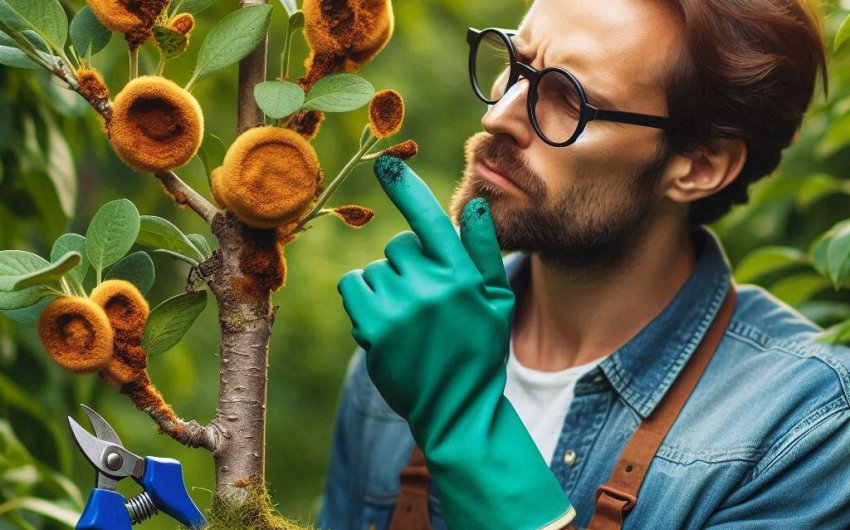
You step into your garden, eager to admire your thriving plants, when you spot it: unsightly orange, yellow, or reddish-brown spots on the leaves, almost like specks of rust on metal. You flip a leaf over, and there they are – powdery, blister-like pustules that easily rub off, leaving a dusty residue on your fingers. You've just encountered rust fungus, a common and often frustrating disease that can plague a wide variety of garden plants.
Rust fungus might make your plants look unattractive, but its impact goes beyond aesthetics. Severe infections can weaken plants, reduce yields, and, in some cases, even lead to premature dieback. While it rarely kills a mature plant outright, it definitely hinders vigor and overall health. The good news is that understanding this prevalent fungal problem and implementing effective treatment strategies can help you manage it and keep your garden plants vibrant.
This guide will demystify how to treat rust fungus on your garden plants. We'll delve into what causes this specific fungal issue, provide clear identification tips, and outline a comprehensive arsenal of control strategies that are both preventative and responsive. Get ready to banish the rust-colored blight and enjoy a healthier, more beautiful garden!
What is Rust Fungus and Why Does it Affect My Plants?
Before we dive into how to treat rust fungus on my garden plants, let's get a clear understanding of what this particular fungal disease is and why it often shows up in your garden. Knowing your enemy is always the first step in effective control.
1. What is Rust Fungus?
- Appearance: Rust fungus (caused by various species within the Pucciniales order) gets its name from its characteristic symptoms: small, powdery pustules that resemble rust on metal. These pustules typically range in color from orange, yellow, red, or reddish-brown.
- Location: You'll most commonly find these pustules on the undersides of leaves. On the upper surface of the leaves, you'll see corresponding discolored spots (yellow, brown, or red). In severe cases, pustules can also appear on stems or even fruits.
- Spore Production: These pustules are essentially spore factories. When rubbed, they release a dusty cloud of spores, which are easily spread by wind, splashing water, tools, or even your hands.
- Obligate Parasites: Rust fungi are obligate parasites, meaning they can only grow and reproduce on living plant tissue. They cannot survive on dead organic matter like many other fungi.
2. How Rust Fungus Spreads and Thrives
Understanding the conditions that favor rust fungus is key to prevention and management.
- Spore Spread: As mentioned, spores are primarily spread by:
- Wind: Carries spores long distances.
- Splashing Water: Rain or overhead irrigation can splash spores from infected leaves to healthy ones.
- Contaminated Tools: Spores can cling to gardening tools, gloves, or clothing.
- Favorable Conditions: Rust fungi thrive in specific environmental conditions:
- Moisture on Leaves (Key Factor): Unlike powdery mildew, rust fungi generally require a period of prolonged leaf wetness (typically 4-8 hours or more of continuous moisture) for their spores to germinate and infect the plant. This is why you often see outbreaks after periods of rain or heavy dew.
- Moderate Temperatures: They typically prefer moderate temperatures, generally between 60-75°F (15-24°C).
- Poor Air Circulation: Overcrowded plants or dense foliage traps humidity and prevents leaves from drying quickly, creating ideal conditions for infection.
- Host Plants: Each species of rust fungus is specific to certain types of plants (its "host plants"). For example, rose rust won't affect beans. Some rusts have complex life cycles involving two different host plants (a "primary" and an "alternate" host) to complete their cycle.
3. The Damage Rust Fungus Causes
While rarely fatal to a mature plant (especially annuals with a limited lifespan), a severe rust fungus infection can significantly impact plant health and productivity.
- Reduced Photosynthesis: The numerous pustules and discolored spots on the leaves damage plant tissue and reduce the surface area available for photosynthesis (the process by which plants make food). This weakens the plant.
- Premature Leaf Drop: Heavily infected leaves will often turn yellow, then brown, and drop prematurely.
- Stunted Growth: A weakened plant with fewer functional leaves will exhibit stunted growth and reduced vigor.
- Reduced Yields: For fruiting plants (like beans, tomatoes), reduced photosynthesis and early leaf drop can lead to fewer or smaller fruits.
- Unsightly Appearance: Makes your plants look unhealthy and unattractive.
By recognizing the distinct appearance of rust fungus and understanding the specific conditions it needs to flourish, you'll be well-equipped to implement effective control strategies and protect your valuable garden plants.
Preventing Rust Fungus: Proactive Strategies for a Healthy Garden
The best way to treat rust fungus on my garden plants is to prevent it from getting a foothold in the first place. Proactive measures and good gardening practices can significantly reduce your risk of an outbreak and make your plants more resilient.
1. Choose Resistant Varieties (Your Best Defense!)
- Genetic Advantage: This is your strongest preventative measure. Many modern plant varieties have been specifically bred for resistance or tolerance to common rust diseases.
- How to Identify: Look for terms like "Rust Resistant" or "R" on seed packets or plant tags.
- Examples: Many newer bean, snapdragon, or rose varieties offer resistance.
- Why It Matters: Resistant varieties significantly reduce the likelihood and severity of infection, even if conditions are favorable for the fungus.
2. Optimize Watering Practices (Crucial for Prevention!)
This is one of the most impactful long-term changes you can make, as rust thrives on leaf wetness.
- Water at the Base: Always water your garden plants at the base, directly onto the soil, rather than using overhead sprinklers that wet the foliage.
- Benefits: This keeps the leaves dry, preventing the prolonged leaf wetness that rust spores need to germinate and infect.
- Tools: Use a soaker hose or drip irrigation system for efficient and targeted watering.
- Water in the Morning: If overhead watering is unavoidable (e.g., from rain), ensure it happens in the morning. This allows the leaves ample time to dry completely before nightfall. Avoid evening watering, as leaves will stay wet overnight, creating ideal conditions for fungal growth.
- Good Drainage: Ensure your soil drains well. Constantly soggy soil can weaken plants and make them more susceptible to root issues, which can indirectly impact their disease resistance.
3. Ensure Proper Air Circulation
This is critical for helping foliage dry quickly and preventing humidity buildup around plants.
- Adequate Spacing: Plant your garden plants according to the recommended spacing on the seed packet or plant tag. Overcrowding is a major contributor to poor airflow.
- Strategic Pruning: For dense plants or shrubs, strategically prune some inner or lower branches/leaves to open up the plant's canopy, allowing air to circulate freely. Use clean, sharp pruning shears.
- Site Selection: Avoid planting susceptible plants in overly sheltered, humid spots where airflow is naturally poor.
4. Maintain Garden Hygiene (Sanitation)
This is a year-round effort that significantly reduces fungal spores.
- Remove Infected Leaves (Early): As soon as you spot any rust, promptly remove and dispose of the affected leaves. This reduces the fungal load in your garden. Do not compost diseased plant material, as the fungal spores can survive. Bag them and dispose of them in the trash.
- End-of-Season Cleanup: At the end of the growing season, thoroughly remove and dispose of all infected plant debris, especially perennial plants that can harbor overwintering spores. For deciduous plants, rake up all fallen leaves around them.
- Clean Tools: Always clean and sterilize your gardening tools after working on infected plants (e.g., with rubbing alcohol or a 10% bleach solution) to prevent spreading spores.
5. Practice Crop Rotation (for Vegetable Gardens)
- Why it Matters: Some rust species can overwinter in soil or plant debris. Rotating crops helps break the disease cycle.
- How: Avoid planting susceptible vegetables (e.g., beans) in the exact same spot year after year. Rotate them to a different part of your garden for at least 2-3 years.
By diligently implementing these proactive strategies, you'll significantly reduce the chances of rust fungus on your garden plants, fostering healthier plants that are more resilient to disease outbreaks.
Treating Rust Fungus: Effective Control Strategies When It Strikes
Even with the best preventative measures, rust fungus can sometimes appear on your garden plants. When it does, quick and targeted control strategies can help manage the outbreak and save your plants from extensive damage.
1. Pruning and Sanitation (Immediate Action!)
- Remove Affected Leaves: As soon as you spot any rust, use clean, sharp pruning shears to carefully remove any leaves that are showing signs of the rust pustules. Focus on the lowest leaves where it often starts and any heavily infected foliage.
- Dispose Properly: Immediately bag and dispose of these infected leaves in the trash. Do not compost them, as the fungal spores can survive and re-infect your garden when you use the compost.
- Improve Airflow: While pruning, also thin out any inner branches or dense foliage that is blocking air circulation around the plant. This helps subsequent treatments dry faster.
- Clean Tools: Sterilize your pruning shears with rubbing alcohol or a 10% bleach solution after pruning infected material to prevent spreading spores.
2. Homemade and Organic Remedies (For Light to Moderate Cases)
These solutions can be effective for early, minor infections and are generally safer for your garden ecosystem.
a. Baking Soda Spray
- How it Works: Baking soda (sodium bicarbonate) can alter the pH on the leaf surface, creating an environment that is less favorable for fungal growth.
- Recipe: Mix 1 teaspoon of baking soda with 1 quart (about 1 liter) of water. Add 1/2 teaspoon of mild liquid soap (like castile soap, not detergent) as a "spreader-sticker" to help it adhere to leaves.
- Application: Spray thoroughly onto all affected plant surfaces, ensuring you coat the undersides of leaves where rust pustules are found.
- Frequency: Apply every 5-7 days.
- Caution: Always test on a small, inconspicuous area of the plant first to check for any adverse reactions (like leaf burn). Avoid spraying in direct sunlight.
b. Neem Oil
- How it Works: Neem oil spray is a natural botanical fungicide (and insecticide). It can disrupt fungal growth and also acts as an anti-feedant for pests.
- Application: Mix with water according to package directions. Spray thoroughly onto all affected plant surfaces, ensuring complete coverage, especially the undersides of leaves.
- Frequency: Apply every 7-14 days.
- Caution: Always test on a small part of the plant first. Avoid spraying in direct sunlight or when temperatures are above 90°F (32°C).
c. Horticultural Oil
- How it Works: Lightweight, highly refined horticultural oil spray works by suffocating fungal spores and mycelium (the fungal body) on contact.
- Application: Mix and spray as directed, ensuring thorough coverage of all leaf surfaces.
- Frequency: Apply every 7-14 days.
- Caution: Similar to neem oil, avoid spraying in direct sun or extreme heat. Always test first.
d. Sulfur Dust or Spray
- How it Works: Sulfur is a traditional fungicide that prevents fungal spore germination.
- Application: Can be applied as a fine dust (using a garden duster) or mixed into a spray. Follow package directions strictly.
- Frequency: Reapply as needed or after rain.
- Caution: Can burn leaves if applied when temperatures are too high (above 90°F/32°C) or if used within a few weeks of oil applications. Can be irritating to skin/eyes.
3. Commercial Organic Fungicides
Look for products specifically labeled as "organic fungicide" for garden plants that target rust. Active ingredients often include copper or potassium bicarbonate.
- Copper-Based Fungicides: (e.g., copper fungicide spray) These are effective, but can accumulate in soil over time. Use as directed.
- Potassium Bicarbonate: Similar to baking soda but often more effective, formulated for plant use.
Pro Tips for All Sprays:
- Consistency is Key: Fungi have life cycles. You often need multiple applications (every 5-14 days, depending on product and conditions) to completely break the cycle.
- Thorough Coverage: Ensure you spray both the top and undersides of leaves, as this is where rust pustules thrive.
- Safety First: Always wear appropriate gardening gloves and eye protection when spraying.
By combining sanitation with these effective homemade and organic control strategies, you can successfully treat rust fungus on your garden plants and minimize its impact, allowing your plants to continue to thrive.
Long-Term Management and a Rust-Resilient Garden
Successfully managing rust fungus isn't just about immediate treatment when it appears; it's about adopting long-term strategies that build a truly resilient garden ecosystem. These practices will reduce the likelihood of future outbreaks and contribute to overall plant health.
1. Continue with Preventative Measures (Year-Round Vigilance)
The preventative steps mentioned earlier should be ongoing practices that form the backbone of your garden care:
- Choose Resistant Varieties: Prioritize planting rust-resistant plant varieties whenever possible. This is your most effective long-term defense against recurring problems.
- Optimize Watering Practices: Consistently water at the base of plants in the morning, avoiding overhead irrigation that leaves foliage wet for prolonged periods.
- Ensure Proper Air Circulation: Maintain adequate spacing between plants and strategically prune to thin out dense foliage, promoting good airflow around all leaves. This helps leaves dry faster after rain.
- Maintain Garden Hygiene (Sanitation): This is paramount. Diligently remove and dispose of all infected plant debris (leaves, stems) and any general plant litter from your garden beds, especially in the fall. These materials can harbor overwintering fungal spores. Do not compost diseased material.
- Crop Rotation (for Vegetables): Rotate susceptible vegetables (like beans, corn) to different areas of your garden each year to break the disease cycle and prevent spores from accumulating in the soil.
2. Improve Overall Soil Health
A healthy, well-fed plant in vibrant soil is naturally more resilient to disease.
- Add Organic Matter: Incorporate generous amounts of organic compost into your garden beds annually. Compost improves soil structure, drainage, water retention, and provides a slow release of nutrients.
- Balanced Nutrients: Ensure your plants receive a balanced diet of nutrients based on their needs. Avoid excessive nitrogen fertilization, which can promote lush, soft growth that may be more susceptible to disease.
- Soil pH: Maintain the optimal soil pH for your specific plants, as this impacts nutrient availability. A healthy plant can better resist pathogens.
3. Consider Location and Microclimates
- Assess Airflow: If you have areas in your garden that consistently suffer from poor air circulation (e.g., surrounded by dense hedges, against a solid fence, in a low-lying spot), reconsider planting highly susceptible plants in those areas.
- Morning Sun: For plants prone to rust, try to place them where they receive morning sun. The morning sun helps dry dew off the leaves quickly, reducing the period of leaf wetness.
4. Monitor and Act Early
- Regular Inspections: Continue your routine garden inspections. The earlier you spot signs of rust, the easier it is to manage with less aggressive methods.
- Prune Promptly: If you see even a few rust spots, prune and dispose of them immediately to prevent widespread infection.
5. Companion Planting (Limited Impact, But Beneficial Overall)
While not a direct rust deterrent, fostering overall garden health through companion planting can indirectly help.
- Attract Beneficial Insects: Some companion plants attract beneficial insects that might keep other pests at bay, reducing overall plant stress.
By consistently integrating these long-term management strategies into your gardening routine, you'll create a resilient and thriving environment for your garden plants, effectively minimizing the impact of rust fungus and ensuring a continuous, healthy, and beautiful display season after season. It's an investment in the overall health and vigor of your garden.