
What Causes Leaf Spot on My Hydrangeas and How Can I Fix It?
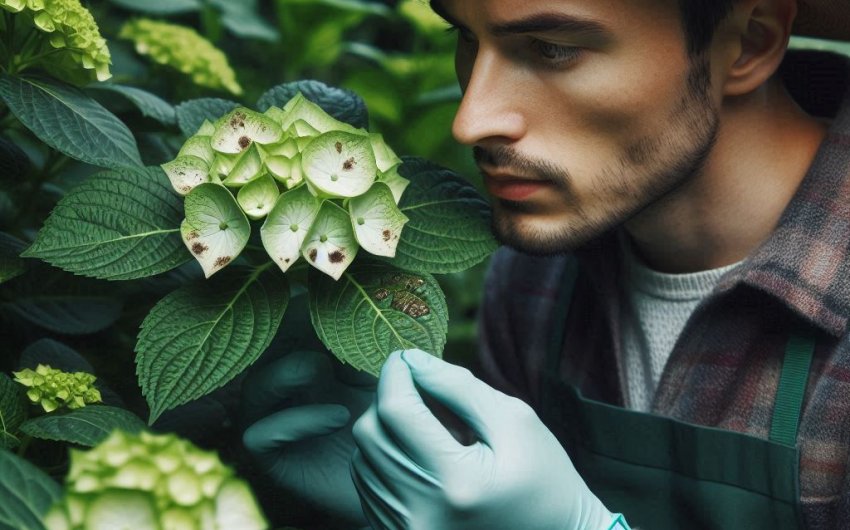
Leaf spot on hydrangeas is primarily caused by various fungal pathogens, thriving in moist conditions, leading to unsightly dark spots on foliage. To fix it, improve air circulation, prune affected leaves, ensure proper watering techniques, and consider fungicide applications for severe cases, prioritizing cultural controls.
What is Leaf Spot on Hydrangeas?
Leaf spot is a common issue affecting hydrangeas, characterized by circular or irregularly shaped spots on the leaves. These spots can vary in color, size, and texture, and are usually a symptom of a fungal infection, though sometimes bacterial or environmental factors play a role. While unsightly, leaf spot on hydrangeas rarely kills the plant, but it can weaken it and reduce its aesthetic appeal.
What Does Leaf Spot Look Like?
The appearance of hydrangea leaf spot can vary depending on the specific pathogen causing it. However, common symptoms include:
- Small, circular spots: Often starting as tiny dots that grow larger.
- Color changes: Spots can be brown, black, purple, or reddish, sometimes with a yellow halo around them.
- Lesion texture: Spots might be slightly sunken, raised, or have a velvety appearance.
- Leaf discoloration: Affected leaves may turn yellow or brown and drop prematurely.
- Spot coalescence: Multiple spots can merge, creating larger blotches.
- Target-like patterns: Some fungal leaf spots exhibit concentric rings, resembling a target.
What Causes Leaf Spot on Hydrangeas?
The primary culprits behind leaf spot on hydrangeas are fungal diseases. These fungi thrive under specific environmental conditions, typically those that are warm and humid, creating an ideal breeding ground for spores. Understanding these causes is the first step in prevention and treatment.
Common Fungal Pathogens
Several types of fungi can cause leaf spot on hydrangeas:
- Cercospora Leaf Spot (Cercospora hydrangeae): This is perhaps the most common type of hydrangea leaf spot.
- Appearance: Starts as small, reddish-purple spots on lower leaves that enlarge and turn tan or gray in the center, often retaining a purple or brown border. Spots can become angular.
- Conditions: Favors warm, humid, and rainy weather. Spores spread easily by splashing water.
- Anthracnose (Colletotrichum gloeosporioides):
- Appearance: Irregularly shaped, tan to brown spots that can quickly spread and rot flowers, buds, and young shoots. Spots often have distinct dark borders.
- Conditions: Thrives in wet, humid conditions and can be particularly destructive to flowers.
- Powdery Mildew: While primarily affecting the upper surface of leaves with a white, powdery growth, severe cases can lead to yellowing and brown spots on leaves as well, though it's less of a "spot" disease and more of a "coating" disease.
- Conditions: Unlike many fungi, powdery mildew prefers dry conditions with high humidity, often seen during cool nights and warm days.
- Other Fungi: Other less common fungi can also cause similar leaf spot symptoms, but Cercospora and Anthracnose are the most frequently encountered.
Environmental Factors Contributing to Leaf Spot
While fungi are the direct cause, certain environmental conditions create the perfect breeding ground for these pathogens.
- High Humidity and Prolonged Leaf Wetness: This is the most significant factor. Fungal spores need a film of water on the leaf surface to germinate and infect.
- Causes: Frequent rainfall, overhead watering, poor air circulation (dense plantings, sheltered locations), and morning dew that lingers.
- Poor Air Circulation:
- Causes: Overcrowded planting, dense shrubbery around hydrangeas, or lack of pruning can restrict airflow. This keeps leaves wet for longer, encouraging fungal growth.
- Warm Temperatures: Most fungal pathogens thrive in warm conditions, typically ranging from 70°F to 85°F (21°C to 29°C), especially when combined with high humidity.
- Stress: A stressed plant is more susceptible to disease.
- Causes: Drought stress, nutrient deficiencies, or improper planting can weaken hydrangeas and make them more vulnerable.
- Overhead Irrigation: Watering hydrangeas from above, especially in the evening, leaves foliage wet for extended periods, providing an ideal environment for fungal spores to germinate.
How Can I Prevent Leaf Spot on Hydrangeas?
Prevention is always better than cure when it comes to leaf spot on hydrangeas. By implementing good gardening practices, you can significantly reduce the risk of fungal infections.
Cultural Practices for Prevention
- Proper Planting Location:
- Sunlight: Plant hydrangeas in a location that receives appropriate sunlight for their type (e.g., morning sun and afternoon shade for bigleaf hydrangeas, more sun for panicle hydrangeas). Good light exposure helps leaves dry faster.
- Air Circulation: Ensure there is enough space between hydrangeas and other plants to allow for good airflow. Avoid planting them too close to walls, fences, or other dense shrubs.
- Appropriate Watering Techniques:
- Water at the Base: Always water hydrangeas at the base of the plant using a soaker hose or drip irrigation. Avoid overhead watering, which wets the leaves. A soaker hose is an excellent investment.
- Water in the Morning: If you must overhead water (though not recommended), do so in the morning. This allows the foliage to dry completely before evening, reducing the time fungal spores have to germinate.
- Adequate Moisture: Ensure plants receive sufficient water, especially during dry spells. Stressed plants are more susceptible to disease.
- Pruning for Airflow:
- Thinning: Prune out crowded or crossing branches in late winter or early spring (or after flowering for reblooming types) to improve air circulation within the plant canopy.
- Remove Dead/Diseased Material: Promptly remove any dead, damaged, or already diseased leaves and branches throughout the growing season.
- Sanitation:
- Clean Up Debris: Rake up and dispose of (do not compost) fallen leaves and plant debris around your hydrangeas, especially in the fall. Fungal spores can overwinter on this material and reinfect plants in spring.
- Clean Tools: Sanitize your pruning tools with a 10% bleach solution or rubbing alcohol between cuts, especially if working with infected plants, to prevent spreading disease.
- Mulching: Apply a 2-4 inch layer of organic mulch (e.g., shredded bark, compost) around the base of your hydrangeas.
- Benefits: Mulch helps conserve soil moisture, regulate soil temperature, and, importantly, prevents splashing water from carrying fungal spores from the soil onto lower leaves.
How Can I Treat Existing Leaf Spot on Hydrangeas?
If your hydrangeas already show signs of leaf spot, there are several steps you can take to manage the infection and help your plants recover. The approach depends on the severity of the outbreak.
Non-Chemical Treatments (First Line of Defense)
- Remove Affected Leaves:
- Carefully pinch or prune off leaves that show visible leaf spots, especially early in the infection.
- Dispose of these leaves in the trash, not your compost pile, to prevent the fungal spores from spreading.
- Sanitize your pruning shears with a 10% bleach solution or rubbing alcohol after each cut to avoid spreading the disease to healthy parts of the plant.
- Improve Air Circulation:
- If dense planting or surrounding shrubs are contributing factors, consider judicious pruning of nearby plants to open up the area around your hydrangeas.
- For heavily overgrown hydrangeas, thin out some inner branches (as described in the prevention section) to allow for better air movement.
- Adjust Watering:
- Reiterate the importance of bottom-watering (soaker hoses, drip irrigation) and watering in the morning. Stop overhead watering completely if you are doing so.
- Clean Up Debris: Continue to diligently remove any fallen leaves or plant debris around the base of the hydrangeas.
- Homemade Fungicides (Limited Effectiveness):
- Some gardeners try homemade remedies like baking soda sprays (1 tablespoon baking soda, 1 teaspoon horticultural oil or dish soap per gallon of water) or diluted milk sprays. These can sometimes help with very mild cases or as a preventative, but they are not reliable for established infections. Test on a small area first.
Chemical Treatments (For Severe or Persistent Cases)
For widespread or recurring leaf spot on hydrangeas that cultural controls aren't managing, you might consider fungicides. Always read and follow product labels carefully, including safety precautions and application rates.
- Fungicide Types:
- Copper-based fungicides: These are often considered a more "organic" option. They can be effective against various fungal diseases, including Cercospora and Anthracnose. Look for products like copper fungicide spray.
- Chlorothalonil: A broader-spectrum synthetic fungicide effective against many fungal leaf spots.
- Myclobutanil: Another systemic fungicide that can be effective.
- Application:
- Timing: Fungicides are most effective when applied preventatively or at the very first sign of disease. They protect new growth from infection. They generally cannot cure existing spots but prevent new ones.
- Coverage: Ensure thorough coverage of all leaf surfaces, top and bottom.
- Repeat Applications: Most fungicides require multiple applications based on a schedule, often every 7-14 days, especially during periods favorable for fungal growth.
- Consider a Professional: If you're unsure about diagnosis or treatment, consult with a local extension office or a certified arborist/plant pathologist.
What is the Difference Between Fungal Leaf Spot and Other Hydrangea Leaf Issues?
It's important to correctly identify leaf spot on hydrangeas to ensure you're applying the right solution. Other issues can cause similar-looking symptoms but require different treatments.
Distinguishing Leaf Spot from Other Problems
| Symptom Appearance | Likely Cause | Key Distinguishing Features | Recommended Action |
|---|---|---|---|
| Dark spots (brown, black, purple), often circular with distinct borders. | Fungal Leaf Spot | Spreads rapidly, often more prevalent in wet/humid conditions. Spots can merge. | Cultural controls (air flow, watering) + possibly fungicides. |
| White, powdery coating on leaves. | Powdery Mildew | Looks like a dusting of flour. Leaves may curl or yellow. | Improve air circulation, specific fungicides for powdery mildew. |
| Yellowing between veins, green veins. | Chlorosis (Iron Deficiency) | Entire leaves may eventually turn yellow or almost white. Not spots. | Adjust soil pH, apply iron supplement like chelated iron. |
| Yellow or brown areas spreading from edges, crispy leaves. | Sun Scorch/Burn | Appears on leaves exposed to intense sun, especially in hot climates. | Provide afternoon shade, ensure adequate watering. |
| Brown spots or browning from leaf edges, entire leaves wilt. | Drought Stress/Underwatering | Occurs during dry periods. Leaves feel brittle. | Increase watering frequency and volume. |
| Brown/black spots often with yellow halo, sometimes slimy. | Bacterial Leaf Spot | Can have a water-soaked appearance, may emit foul odor. More rare on hydrangeas. | Remove affected parts, avoid overhead watering, difficult to treat. |
| Small, irregular yellow/brown speckles on underside of leaves, webbing. | Spider Mites | Fine webbing present, tiny moving dots. Leaves may look dusty. | Hose off plants, use insecticidal soap, increase humidity. |
How Can I Choose Disease-Resistant Hydrangea Varieties?
One of the most effective long-term strategies for preventing leaf spot on hydrangeas is to choose varieties that are naturally more resistant to fungal diseases. While no plant is 100% immune, some are less susceptible.
Varieties with Enhanced Disease Resistance
While no hydrangea is completely immune to leaf spot, some varieties and species are known to be less prone to fungal issues, or at least show good resilience.
- Oakleaf Hydrangeas (Hydrangea quercifolia):
- Generally considered one of the most disease-resistant hydrangea species.
- Their leathery leaves are less hospitable to many fungal pathogens.
- They also tolerate drier conditions once established, which helps prevent leaf wetness.
- Recommended Varieties: 'Snowflake', 'Ruby Slippers', 'Alice'.
- Panicle Hydrangeas (Hydrangea paniculata):
- Another tough and adaptable species.
- Their preference for more sun and their often upright, open growth habit promotes good air circulation, naturally reducing fungal problems.
- Recommended Varieties: 'Limelight', 'Vanilla Strawberry', 'Little Lime', 'Pinky Winky'. These are excellent choices if you live in a hotter, more humid climate.
- Smooth Hydrangeas (Hydrangea arborescens):
- Like panicle hydrangeas, they are generally quite robust and less prone to severe leaf spot than bigleaf hydrangeas.
- Recommended Varieties: 'Annabelle', 'Incrediball', 'Invincibelle Spirit II'.
- Bigleaf Hydrangeas (Hydrangea macrophylla):
- These are often the most susceptible to Cercospora leaf spot, especially in humid climates.
- However, some breeders are developing new varieties with improved resistance. Look for modern cultivars if you specifically want a bigleaf hydrangea.
- Look for: Research newer varieties that are touted for better disease resistance, though exact resistance levels can vary by region.
Tips for Disease-Resistant Planting
- Read Plant Tags and Descriptions: When purchasing hydrangeas, look for information about disease resistance. Many reputable nurseries and online plant sellers will highlight this.
- Consult Local Experts: Ask at your local garden center or cooperative extension office for advice on the best, most disease-resistant hydrangea varieties for your specific climate and conditions. They will have knowledge of what thrives locally.
- Consider Site Conditions: Even the most resistant variety can succumb to disease if planted in consistently poor conditions (e.g., too much shade, consistently wet foliage). Match the plant to the site.
By understanding what causes leaf spot on hydrangeas – primarily fungal infections exacerbated by moisture and poor air circulation – you can effectively address the problem. Implementing proper cultural practices like smart watering, strategic pruning, and diligent garden sanitation is key to both preventing and fixing leaf spot, ensuring your hydrangeas remain beautiful and healthy.