
How Can I Manage Nematode Infestations in My Soil?
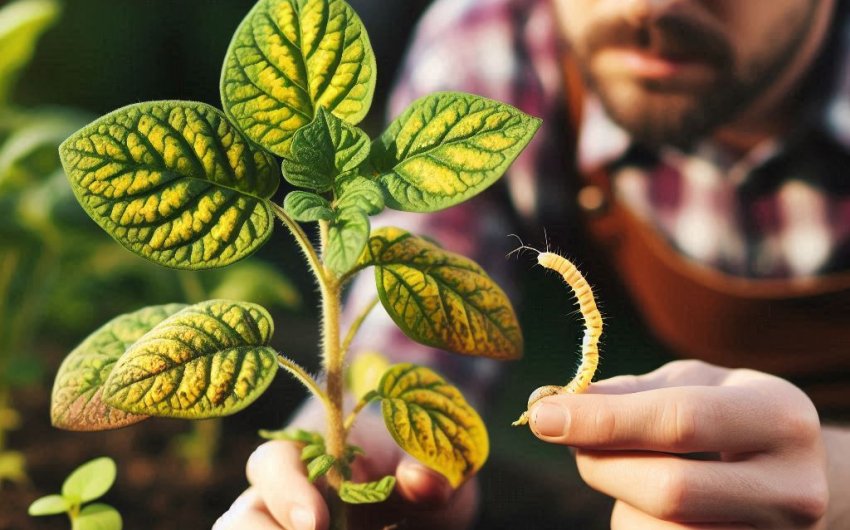
You've noticed your plants aren't thriving. Despite regular watering and feeding, they look stunted, yellow, or just generally unwell. You've checked for common pests and diseases, but can't find the culprit. It's possible you're dealing with a hidden enemy: plant-parasitic nematodes. These microscopic, worm-like organisms live in the soil and can cause significant damage to plant roots, leading to reduced yields and unhealthy plants.
Don't let the word "worm" scare you! While nematodes can be a challenge, especially in sandy soils, they are manageable. This guide will help you understand what plant-parasitic nematodes are, how to identify their presence, and most importantly, effective strategies to manage nematode infestations in your soil using eco-friendly and integrated methods. Get ready to protect your plant roots and bring vitality back to your garden!
What Are Nematodes and How Do They Harm Plants?
Understanding your invisible enemy is the first step to conquering it.
What Exactly Are Nematodes?
Not all nematodes are bad!
- Microscopic Roundworms: Nematodes are a diverse group of unsegmented roundworms. Most are microscopic, meaning you can't see them with the naked eye.
- Good vs. Bad: It's important to know that the vast majority of nematodes in soil are beneficial. They play crucial roles in nutrient cycling, breaking down organic matter, and even preying on harmful insects (these are called beneficial nematodes).
- Plant-Parasitic Nematodes (The Bad Guys): A small percentage of nematode species are plant parasites. These are the ones we're concerned about. They use a needle-like mouthpart called a stylet to pierce plant cells, typically in the roots, and feed on the plant's sap.
How Do Plant-Parasitic Nematodes Damage Plants?
The damage often goes unseen until it's severe.
- Root Damage: Plant-parasitic nematodes cause damage directly to the roots. Different types cause different symptoms:
- Root-knot nematodes: These are the most common and easily recognizable. They inject chemicals that cause plant cells to swell, forming characteristic "galls" or "knots" on the roots. These galls disrupt the roots' ability to absorb water and nutrients.
- Lesion nematodes: Cause small, dark, sunken lesions (dead spots) on roots, leading to root decay.
- Sting nematodes: Have long stylets that can feed on root tips, causing stunted, coarse root systems.
- Cyst nematodes: Form small, lemon-shaped cysts (female bodies) on roots that are visible to the naked eye.
- Symptoms Above Ground: Because the roots are damaged, the above-ground symptoms often mimic other problems:
- Stunted growth: Plants grow slowly or remain small.
- Yellowing leaves (chlorosis): Often appears as nutrient deficiency symptoms, as the damaged roots can't absorb nutrients properly.
- Wilting: Plants may wilt easily, especially in hot weather, even if the soil is moist, because damaged roots can't take up enough water.
- Reduced yields: Flowers, fruits, and vegetables are smaller or less abundant.
- Increased susceptibility to other diseases: Root wounds caused by nematodes can be entry points for fungal or bacterial diseases.
- Favored Conditions: Plant-parasitic nematodes generally thrive in sandy soils and warm temperatures.
How Do I Confirm a Nematode Infestation?
Since nematode symptoms can look like other problems, confirming their presence is important.
Visual Inspection of Roots
This is the easiest initial check.
- Dig Up a Struggling Plant: Carefully dig up a struggling plant from the affected area, taking care not to disturb the roots too much.
- Look for Galls or Lesions: Gently wash the soil from the roots and inspect them closely.
- Root-knot nematodes: Look for irregular, swollen lumps or "galls" on the roots. These are swellings of the root tissue itself, not just soil clinging to the roots. The size of the galls can vary.
- Other nematodes: For other types, you might see dark spots (lesions), a lack of fine feeder roots, or overall stunted, coarse root systems.
Soil Testing for Nematodes
The most accurate way to identify and quantify.
- Professional Lab Test: The most reliable way to confirm a nematode infestation and identify the specific types present is to send a soil sample to a professional plant diagnostic lab (often through your local university extension office). They can extract and count nematodes in the sample.
- Why it's important: Different nematode species can be harmful, and knowing which ones you have can help guide your management strategy. The test results will often indicate the severity of the infestation. You may need a soil sampling kit.
What Are the Best Strategies for Managing Nematode Infestations?
Once confirmed, managing nematodes involves a multi-pronged approach focused on cultural practices and enhancing soil health, rather than eradication. Complete eradication is often difficult and environmentally unsound.
1. Improve Soil Health and Organic Matter
A healthy soil ecosystem can suppress nematodes.
- Add Organic Matter: This is arguably the single most important strategy. Incorporate generous amounts of organic matter like compost, well-rotted manure, or leaf mold into your soil.
- Benefits: Organic matter improves soil structure (making it less hospitable for some nematodes), increases water retention (reducing drought stress on plants), and most importantly, boosts populations of beneficial microbes and nematode-trapping fungi that naturally prey on or suppress plant-parasitic nematodes.
- Compost Tea: Regular applications of compost tea can introduce more beneficial microorganisms to the soil. You can use a compost tea brewer.
- Mycorrhizal Fungi: These beneficial fungi form a symbiotic relationship with plant roots, improving nutrient and water uptake, and can help plants better tolerate nematode damage. You can find mycorrhizal inoculants to add to soil.
2. Practice Crop Rotation
Starve them out!
- Rotate Non-Host Crops: Plant-parasitic nematodes are often specific to certain plant families or species. By rotating crops, you can plant non-host crops (plants that the nematodes don't feed on) in affected areas. This starves the nematodes and reduces their population over time.
- Planning: Keep records of what you plant where each year. Plan a 3-5 year rotation cycle. For example, if you had problems with root-knot nematodes on tomatoes, avoid planting other solanaceous crops (peppers, eggplant, potatoes) in that spot for a few years. Instead, plant grains, corn, or certain resistant legumes.
- Fallow Periods: For severe infestations, leaving the bed fallow (empty) for a season or two, along with regular tilling to expose nematodes to drying and predators, can significantly reduce populations.
3. Choose Resistant Varieties and Rootstocks
An easy win against nematodes.
- Nematode-Resistant Varieties: Many vegetable and fruit varieties (especially tomatoes) have been bred for resistance to specific nematode species (often indicated by an 'N' on seed packets, for root-knot nematode resistance).
- Grafted Plants: For plants like tomatoes, consider using grafted plants where the scion (top part) of a desirable variety is grafted onto a nematode-resistant rootstock. This protects the susceptible top part from nematode damage. You can find grafted tomato plants.
4. Solarization
Harness the sun's power to sterilize soil.
- Process: Solarization involves covering moist, tilled soil with clear plastic sheeting during the hottest months of the year (usually 4-6 weeks in summer). The sun heats the soil under the plastic to temperatures lethal to many nematodes, weed seeds, and disease pathogens.
- Effectiveness: Most effective in hot, sunny climates. Requires consistent high temperatures for an extended period.
- Steps:
- Clear the area of all debris and plants.
- Till the soil deeply (at least 6-12 inches).
- Thoroughly water the soil to activate the nematodes and help conduct heat.
- Cover the area with thick, clear (not black) plastic sheeting, burying the edges to create an airtight seal.
- Leave for 4-6 weeks during the hottest part of summer.
- Remove plastic and plant.
5. Incorporate Nematode-Suppressing Plants (Trap/Cover Crops)
Some plants naturally deter or reduce nematode populations.
- Marigolds (Tagetes patula species): Specific varieties of French marigolds (like 'Nemagold' or 'Petite') release compounds from their roots that are toxic to certain plant-parasitic nematodes when grown as a cover crop. They need to be grown for a full season to be effective. Plant them densely and turn them into the soil at the end of the season.
- Mustard Crops: Some mustard varieties (e.g., 'Caliente' mustard) release biofumigant compounds when chopped and incorporated into the soil. These compounds can suppress various soil pests, including some nematodes.
- Sudan Grass or Sorghum-Sudan Hybrids: When grown as a green manure or cover crop and then tilled into the soil, these can help reduce some nematode populations.
- Timing: Research the specific nematode-suppressing plants and their recommended planting and incorporation times for your region and nematode type. You can find nematode control marigold seeds.
6. Consider Beneficial Nematodes (Different Kinds!)
Don't confuse these with the bad ones!
- Insect-Parasitic Nematodes: These are specific beneficial nematodes (like Steinernema feltiae or Heterorhabditis bacteriophora) that attack and kill various insect pests (like grubs, cutworms, fungus gnats, etc.) in the soil. They are not effective against plant-parasitic nematodes.
- Nematode-Trapping Fungi: Some beneficial fungi (e.g., Paecilomyces lilacinus) can naturally prey on or parasitize plant-parasitic nematodes. These can be introduced to the soil through certain biological control products.
What Are Some Practices to Avoid or Use with Caution?
Not all common advice is good advice when it comes to nematodes.
Avoid Untested Home Remedies
Stick to methods supported by research.
- Molasses, Sugar, etc.: While these might feed beneficial microbes, there's little scientific evidence that they effectively control plant-parasitic nematodes in the long term. They can also attract other pests if misused.
- Bleach, Ammonia, etc.: Never put harsh household chemicals in your garden soil. They will kill beneficial soil life, harm your plants, and pollute the environment.
Chemical Nematicides (Use with Extreme Caution, if at all)
These are generally not recommended for home gardeners.
- Restricted Use: Most effective chemical nematicides are highly toxic, have severe environmental impacts, and are restricted to licensed professionals. They are rarely available for home gardeners.
- Harm to Beneficials: They often kill both harmful and beneficial nematodes, disrupting the entire soil ecosystem.
- Focus on Organic Methods: For home gardeners, focusing on organic and cultural management strategies is far safer and more sustainable in the long run.
Soil Sterilization (Extreme Measures)
Generally for severe, specific issues.
- Steam Sterilization: In commercial settings or greenhouses, soil can be sterilized using steam. This is impractical for most home gardeners.
- Broad-Spectrum Fumigants: Highly toxic chemicals that kill most life in the soil, including beneficials. Not recommended for home gardens.
Managing nematode infestations in your soil requires patience and a commitment to nurturing soil health. There's no single magic bullet, but by combining strategies like ample organic matter, strategic crop rotation, choosing resistant varieties, and perhaps employing solarization or nematode-suppressing plants, you can significantly reduce nematode populations and help your garden plants thrive. Remember, a vibrant soil ecosystem is your best defense against these microscopic menaces!