
What Are the Signs of Fungal Root Diseases in Orchids and How Do I Treat Them?
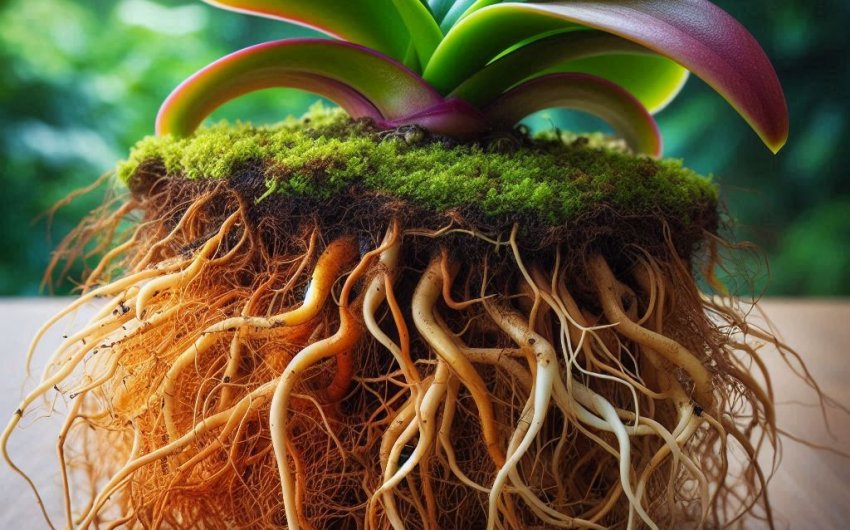
Orchids, with their breathtakingly intricate and diverse blooms, are often considered the jewels of the plant world. Their elegant forms and exotic colors can transform any indoor space into a tropical oasis, making them incredibly popular houseplants. However, despite their reputation for being delicate, many common orchid varieties like the Phalaenopsis (Moth Orchid) are quite resilient once their specific care needs are met. Yet, even the most attentive orchid enthusiast can face a common and often devastating adversary: fungal root diseases. These silent killers lurk beneath the potting mix, slowly compromising the very foundation of the orchid's health.
The challenge with orchid root diseases lies in their hidden nature; by the time visible symptoms appear on the leaves or flowers, the damage to the root system can be extensive. Overwatering, poor drainage, and stale air are often the culprits, creating a breeding ground for harmful fungi. Understanding the subtle signs of root rot in orchids and knowing how to intervene quickly and effectively is crucial for saving your prized plant. Dive into the world of orchid root health, learn to recognize the early warnings, and equip yourself with the knowledge to treat and prevent these stealthy fungal invaders, ensuring your orchids continue to flourish with their signature splendor.
Why Are Orchid Roots So Susceptible to Fungal Diseases?
Orchid roots have unique characteristics that make them particularly vulnerable to fungal diseases, especially when exposed to improper growing conditions.
What Makes Orchid Roots Unique?
- Velamen Layer: Many epiphytic (tree-dwelling) orchids, like Phalaenopsis, have a specialized outer layer on their roots called the velamen. This spongy, white or silvery layer acts like a sponge, rapidly absorbing moisture and nutrients from the air and rain, but it's also designed to dry out quickly.
- Air-Loving Roots: Unlike terrestrial plants whose roots are buried in dense soil, orchid roots are adapted to grow in open air or loosely around tree bark. They need abundant air circulation around them to breathe.
- Nutrient-Poor Environment: In their natural habitat, orchids don't grow in nutrient-rich soil. Their roots are not accustomed to constantly wet conditions or high concentrations of dissolved minerals.
- Sensitive to Soggy Conditions: Because they are air-loving, orchid roots quickly suffocate and rot when deprived of oxygen by being constantly waterlogged. This makes them highly susceptible to fungal attacks. A common mistake is using a standard potting soil, which is too dense for orchids.
How Does Overwatering Lead to Root Rot?
Overwatering is the single biggest cause of root rot in orchids.
- Oxygen Deprivation: When you water too often, or the potting mix doesn't drain well, the tiny air pockets in the bark or moss get filled with water. This deprives the roots of essential oxygen.
- Anaerobic Environment: The lack of oxygen creates an anaerobic environment (without air) where harmful anaerobic bacteria and fungi thrive. These are the pathogens that cause root rot.
- Root Suffocation: Healthy orchid roots need to breathe. When they can't, they weaken, become soft, and start to die, making them easy targets for fungal invaders.
Why is Potting Mix and Drainage So Important?
The right potting mix and excellent drainage are paramount for preventing fungal root diseases.
- Orchid-Specific Mix: Orchids should never be planted in regular potting soil. They need a coarse, open, fast-draining potting mix that allows for plenty of air circulation around the roots and dries quickly between waterings.
- Common Ingredients: Orchid bark (fir bark is common), sphagnum moss (in moderation), perlite, charcoal, or lava rock.
- Drainage Holes: The pot absolutely must have drainage holes at the bottom, and ideally, aeration holes on the sides, too. Water must drain freely and rapidly. A clear orchid pot with drainage holes allows you to see the roots.
- Stale Air in Pots: Dense, waterlogged potting mix also leads to stagnant air within the pot, further encouraging fungal growth.
What Are the Early Signs of Fungal Root Diseases in Orchids?
By the time you see major problems on the leaves, the roots might be severely damaged. Early detection requires knowing what to look for on the leaves, pseudobulbs, and roots themselves.
What are the Visible Signs on Leaves?
- Wilting/Limp Leaves: This is often the first visible symptom, and it's very misleading. The leaves will look limp, floppy, or wilted, even though the soil might feel wet. This happens because the rotting roots can no longer absorb water, so the plant is essentially dying of thirst. People often mistake this for underwatering and water more, making the problem worse.
- Yellowing Leaves: Leaves may start to turn yellow, especially the lower ones. This often progresses to brown or black.
- Wrinkled or Shriveled Leaves (Phalaenopsis): For Moth Orchids (Phalaenopsis), leaves might also appear wrinkled or shriveled, another sign of dehydration due to root dysfunction.
- Black/Brown Patches on Leaves: In advanced stages, rot can spread from the roots up into the crown and leaves, causing soft, dark, mushy patches. This is often an irreversible sign.
What Do the Pseudobulbs Look Like?
For orchids that have pseudobulbs (like Cattleya, Oncidium, Dendrobium), these can also show signs.
- Shriveling/Softening: If roots are rotting, the pseudobulbs may start to shrivel, become soft, or turn yellow/brown. This is because they are losing their water and nutrient supply from the compromised roots.
What Are the Key Signs on the Roots Themselves?
This is the most direct and reliable way to diagnose root rot. You'll need to carefully unpot the orchid to inspect the roots.
- Healthy Roots: Healthy orchid roots (especially Phalaenopsis) are typically firm, plump, and have a silvery-green or white velamen layer when dry. When watered, they should turn bright green.
- Signs of Rotting Roots:
- Soft and Mushy: Rotting roots will feel soft, mushy, or slimy when squeezed between your fingers.
- Brown or Black: Healthy roots are white/green. Rotting roots will turn brown or black.
- Velamen Slides Off: When gently tugged, the velamen layer of a rotten root will easily slide off, leaving a thin, stringy inner core. This is a definitive sign of dead root tissue.
- No Firmness: Unlike healthy roots that are firm, rotten roots lack turgor.
- Foul Odor: In severe cases, the roots may emit a musty or putrid smell. A clear orchid pot helps you monitor root health without unpotting often.
How Do I Treat Fungal Root Diseases in Orchids?
Immediate and aggressive action is crucial for saving an orchid affected by root rot.
Step 1: Unpot and Inspect the Roots
- Gently Remove: Carefully slide the orchid out of its pot. If the roots are clinging to the pot, you might need to cut the pot away.
- Shake Off Media: Gently shake off as much of the old potting mix as possible from the roots.
- Rinse Roots: You can lightly rinse the roots under lukewarm running water to get a clearer view.
- Inspect: Carefully examine each root. Look for the signs of rot: soft, mushy, brown, or black sections. A magnifying glass for gardening can help you see subtle issues.
Step 2: Prune Away All Infected Roots
- Sterilize Tools: This is crucial. Use sharp, sterile pruning shears for orchids or a sharp knife. Sterilize the blades between each cut by wiping with rubbing alcohol, a bleach solution, or by flaming (if using a metal blade) to prevent spreading the disease.
- Cut Aggressively: Cut away all diseased root tissue. Cut back into healthy, firm root tissue. There's no point in leaving compromised roots. It's better to have fewer healthy roots than many rotting ones.
- Remove Dead Leaves/Stems: Also remove any yellow, mushy, or rotting leaves or pseudobulbs, especially those attached to the rotten root sections. If the crown (center point from which leaves emerge) is mushy, the plant may not survive.
Step 3: Treat with Fungicide (Optional, But Recommended)
After pruning, treating the roots can help kill any remaining fungal spores.
- Organic Fungicides:
- Cinnamon Powder: Natural anti-fungal. Dust the cut ends of the roots with plain cinnamon powder.
- Hydrogen Peroxide: Diluted (e.g., 3% food-grade) hydrogen peroxide can be sprayed on the roots or used as a dip. It can help kill anaerobic bacteria. A hydrogen peroxide spray bottle is convenient.
- Neem Oil: Some fungicidal properties, but less effective for active root rot.
- Chemical Fungicides (Cautious Use): For severe cases or if organic methods are not sufficient, you can use an orchid-specific systemic or broad-spectrum fungicide labeled for root rot. Follow all package directions very carefully. Systemic fungicides are absorbed by the plant and move through its system.
Step 4: Repot in Fresh, Dry Potting Mix
- Fresh Mix: Use entirely fresh, new, well-draining orchid potting mix. Do NOT reuse the old mix, as it will be contaminated with fungal spores.
- Appropriate Pot Size: Repot into a pot that is just large enough to comfortably hold the remaining healthy root system. It's better to "under-pot" (use a slightly smaller pot) than to over-pot, as too much excess mix will hold too much moisture.
- Pot Material: A clear plastic orchid pot is excellent for monitoring root health and ensuring drying. Terracotta pots can also work well due to their breathability.
- No Water Immediately: After repotting, do not water for several days (3-7 days). This allows any cut roots to "callus" (dry and heal), preventing new infections. It also ensures the fresh mix is not overly saturated.
Step 5: Provide Optimal Aftercare for Recovery
- Increased Humidity: During recovery, your orchid will appreciate higher ambient humidity (e.g., using a pebble tray or humidifier) to compensate for its reduced root system. A plant humidifier can help.
- Bright, Indirect Light: Place the recovering orchid in bright, indirect light, avoiding harsh direct sun.
- Careful Watering: Water carefully when the mix is mostly dry (use the weight test or finger test). Be extra vigilant not to overwater during recovery.
- Patience: Recovery can take weeks or months. Don't expect immediate results.
How Can I Prevent Fungal Root Diseases in Orchids?
Prevention is always easier than cure. Following proper orchid care practices will significantly reduce the risk of root rot.
What is the Proper Watering Technique?
- "Soak and Dry" Method: This is the best method for most orchids. Water thoroughly until water drains freely from the bottom of the pot. Then, allow the potting mix to dry out almost completely before watering again. The key is allowing the roots to "breathe" and dry out between waterings.
- Frequency: This depends entirely on your environment, pot size, and potting mix. It could be every few days, once a week, or even less frequently in winter. Use a soil moisture meter for orchids for consistent monitoring.
- Timing: Water in the morning to allow any excess moisture to evaporate throughout the day.
- No Standing Water: Never let the orchid sit in standing water in its saucer or cachepot.
How Does Potting Mix and Repotting Prevent Root Rot?
- Right Mix: Always use a specialized, fast-draining orchid potting mix (primarily bark, perlite, charcoal, or lava rock).
- Repot Regularly: Over time, orchid bark breaks down, becoming denser and holding more moisture, which leads to poor aeration and increased risk of rot. Repot your orchid every 1-2 years into fresh potting mix. This removes old, broken-down media.
- Pot Size: Choose a pot that is just large enough for the root ball. Too large a pot means too much potting mix that holds excess moisture.
- Drainage Holes: Ensure your pot has ample drainage holes. A pot with good drainage for orchids is fundamental.
What is the Importance of Air Circulation and Humidity?
- Air Circulation: Crucial! Good air movement around orchid roots and foliage helps potting mix dry out properly and prevents fungal spores from settling and proliferating. Use small fans to create gentle air movement if indoors.
- Humidity: While high humidity is generally good for orchids, it must be combined with excellent air circulation. Stagnant, humid conditions are a breeding ground for fungal diseases.
- Spacing: Don't overcrowd orchids on shelves; give them breathing room.
What Role Does Light and Temperature Play?
- Light: Provide adequate, bright, indirect light. Healthy orchids grown in proper light are more vigorous and resistant to disease. Weak, stressed plants in low light are more susceptible.
- Temperature: Maintain appropriate temperatures for your orchid species. Extreme cold or sudden temperature drops can stress plants, making them vulnerable.
What Are Some Common Orchid Root Diseases?
While "root rot" is a general term, it can be caused by specific fungal or bacterial pathogens.
What is Phytophthora (Black Rot)?
- Cause: Phytophthora species are water mold fungi.
- Symptoms: Can cause rapid, dark brown to black rot that spreads quickly from roots up into the pseudobulbs, leaves, and crown. Affected tissue is soft and watery.
- Conditions Favored: Very wet, poorly drained, cool conditions.
- Treatment: Aggressive pruning of all infected tissue. Use copper-based fungicides if available and safe for orchids (check label). Prevention is key.
What is Rhizoctonia?
- Cause: Rhizoctonia fungi.
- Symptoms: Causes root rot that often appears as a reddish-brown discoloration of the roots, sometimes spreading into the pseudobulbs. Can cause a slow decline.
- Conditions Favored: Similar to Phytophthora, favored by overly wet conditions.
- Treatment: Pruning infected parts, repotting. Fungicides (especially those with thiophanate-methyl) may be effective.
What is Fusarium (Fusarium Wilt)?
- Cause: Fusarium fungi.
- Symptoms: Causes a vascular wilt disease, where the fungus plugs the plant's water-conducting tissues. Symptoms include yellowing and shriveling of leaves, starting from the base, and eventual dieback. When cut, infected roots or stems may show a reddish-purple discoloration in the vascular tissue.
- Conditions Favored: Often enters through wounds.
- Treatment: Difficult to treat. Pruning infected areas if possible. Sterilization of tools is critical, as it can spread. Severely infected plants often need to be discarded.
What is Pythium?
- Cause: Pythium species, another water mold.
- Symptoms: Causes a soft, slimy root rot, often with a fishy odor. Can cause damping-off in seedlings.
- Conditions Favored: Very wet, cool, poorly drained soil.
- Treatment: Improve drainage, repotting. Some specific fungicides may be effective.
What About Crown Rot?
While often caused by fungal or bacterial pathogens, crown rot specifically affects the central growing point (the crown) of monopodial orchids like Phalaenopsis.
- Cause: Often caused by water sitting in the crown of the plant for too long, leading to infection by Phytophthora, Erwinia (bacterial), or other pathogens.
- Symptoms: The center of the plant (crown) becomes soft, mushy, and dark brown or black. Leaves may yellow and fall off from the center.
- Prevention: Avoid letting water sit in the crown, especially overnight. If water gets in, blot it dry with a paper towel.
- Treatment: Cut away infected tissue if caught very early. Fungicides may help. Often fatal if severe. A soft paper towel for plants can absorb crown water.
What Are Some Common Orchid Care Myths and Truths?
Clearing up common misunderstandings helps keep your orchids healthy.
Myth: Orchids are Difficult to Grow.
- Truth: While their needs are specific, they are not inherently difficult. Once you provide the right light, water quality, and potting mix, many common orchids (like Phalaenopsis) are actually quite resilient and long-lived. The challenge is that their specific needs are often different from generic houseplants.
Myth: You Should Water Orchids with Ice Cubes.
- Truth: This is a popular but highly debated method. While it can prevent overwatering for some, it's not ideal for the orchid. Orchids are tropical plants; cold water can shock their roots and doesn't provide the thorough, flushing watering they prefer. It also doesn't adequately hydrate the entire root ball. Stick to room-temperature water.
Myth: Orchids Need Potting Soil.
- Truth: No! This is a fatal mistake. As epiphytes, their roots need air. Potting soil will quickly suffocate and rot their roots. Always use a specialized, coarse orchid mix.
Myth: Orchids Don't Need Fertilizer.
- Truth: They do need fertilizer, but a very diluted type applied regularly. In their natural habitat, they absorb nutrients from decaying organic matter and rain. In a pot with inert bark, they need supplementation. Always use orchid-specific fertilizer at a weak strength.
Myth: Yellow Leaves Always Mean Underwatering.
- Truth: As discussed, yellowing leaves in orchids are often a sign of overwatering and root rot, not underwatering. Always check the roots if you see yellowing.
By mastering the art of proper watering, selecting the right potting mix, ensuring excellent air circulation, and understanding the signs of root issues, you can cultivate vibrant, healthy orchids that bring exotic beauty to your home for many years to come.