
How Do I Handle Aphid Problems on My Rose Bushes?
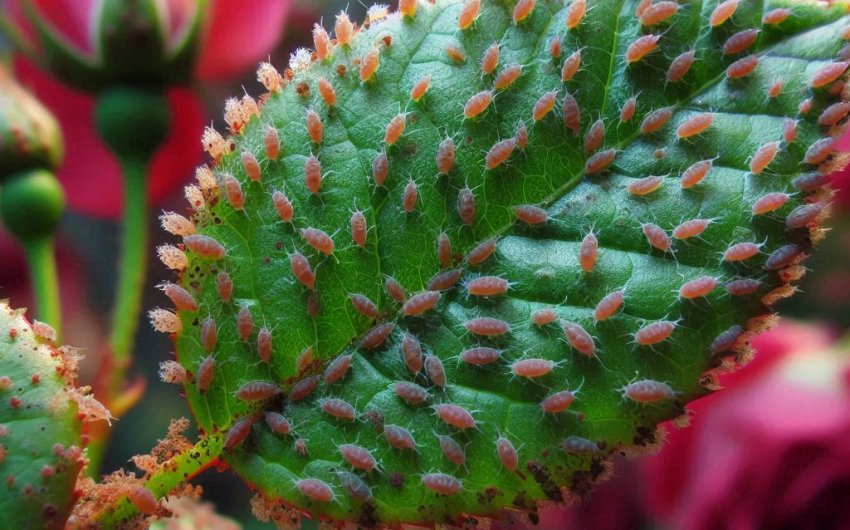
The sight of new growth on a rose bush in spring is one of the most exciting moments for any gardener. Tender red shoots emerge, soon followed by the promise of lush green leaves and exquisite flower buds. But often, this beautiful anticipation is met with a common, albeit frustrating, reality: tiny, pear-shaped insects clustering on those very same tender shoots and buds. These are aphids, and for rose lovers, they are a familiar, unwelcome guest. Though small, these prolific pests can quickly multiply, sucking the life out of your precious roses and marring their beauty.
Aphids are one of the most widespread and persistent garden pests, and rose bushes seem to be a particular favorite. They feed by piercing plant tissue and sucking out the sugary sap, which weakens the plant, distorts new growth, and can even prevent buds from opening. Left unchecked, a minor aphid problem can quickly escalate into a full-blown infestation. However, there's no need to panic or reach for harsh chemicals at the first sight of these unwelcome visitors. Effective aphid control on rose bushes is entirely achievable using a variety of safe, garden-friendly methods.
This guide will equip you with the knowledge and strategies to successfully handle aphid problems on your rose bushes. We'll cover how to identify these tiny pests, why they love roses so much, and a range of practical, organic, and environmentally conscious solutions. From simple sprays to encouraging natural predators, you'll learn how to protect your roses and ensure they can flourish and produce their magnificent blooms, free from the damaging effects of aphids. Let's reclaim your rose garden from these persistent pests.
What Are Aphids and Why Do They Love Roses?
Understanding your opponent is the first step in winning the battle against aphids on your rose bushes. Knowing their characteristics and habits helps you target your control efforts effectively.
What Do Aphids Look Like?
Aphids are small, soft-bodied insects, typically about the size of a pinhead (1/16 to 1/8 inch long).
- Colors: They come in a variety of colors, including green, pink, red, black, yellow, or even powdery white. On rose bushes, green and pink aphids are most common.
- Shape: They have a distinctive pear-shaped body.
- Cornicles: A key identifying feature is two small, tube-like projections called "cornicles" that stick out from their rear end.
- Wings (sometimes): Most aphids you'll see are wingless. However, when colonies become too crowded or food sources scarce, they can develop wings and fly to new plants, which is how infestations spread quickly. They often cluster on new, tender growth, undersides of leaves, and especially on flower buds.
How Do Aphids Damage Rose Bushes?
Aphids damage rose bushes by feeding on their sap. They have piercing-sucking mouthparts that they use to puncture plant cells and draw out the sugary liquid flowing through the plant's vascular system.
- Weakened plants: Constant sap-sucking weakens the rose bush, making it less vigorous.
- Distorted growth: New leaves and stems may appear curled, crinkled, or deformed.
- Bud deformation: Flower buds can become sticky, distorted, and may fail to open properly or produce misshapen blooms.
- Honeydew production: As they feed, aphids excrete a sticky, sugary substance called honeydew. This coats leaves and stems.
- Sooty mold: Honeydew itself is not harmful to the plant, but it provides a perfect breeding ground for a black fungus called sooty mold. Sooty mold blocks sunlight from reaching the leaves, which can reduce photosynthesis and make the plant look unsightly.
- Virus transmission: In some cases, aphids can transmit plant viruses from one plant to another, though this is less common with roses.
Why Are Roses So Attractive to Aphids?
Roses are highly attractive to aphids for a few key reasons:
- Tender new growth: Aphids prefer to feed on soft, succulent new growth because it's easier for their mouthparts to penetrate, and the sap is rich in sugars. Rose bushes constantly produce new flushes of growth, especially in spring and during bloom cycles, making them a continuous buffet for aphids.
- Sugar-rich sap: Rose sap is particularly appealing to aphids.
- Lack of natural predators (initially): In a manicured garden setting, the natural enemies of aphids (like ladybugs) might not be present in sufficient numbers early in the season, allowing aphid populations to boom quickly.
- Pruning stimulates growth: Rose pruning, while essential for plant health, also encourages new flushes of growth, which is exactly what aphids love.
How Do Aphid Populations Grow So Quickly?
Aphid populations can explode in a very short time due to their unique reproductive cycle.
- Asexual reproduction: Most aphids are female and can reproduce asexually (without a male) through a process called parthenogenesis. This means they clone themselves.
- Live birth: They give birth to live young (nymphs), not eggs, which can start feeding immediately.
- Rapid maturity: Aphids mature very quickly, often within 7-10 days, and then can start reproducing themselves. This rapid reproduction means that a few aphids can turn into hundreds or thousands in just a couple of weeks, leading to a visible infestation very quickly.
How Do You Identify an Aphid Problem on Roses?
Early detection is key to effective aphid control. Knowing the signs will help you spot an infestation before it gets out of hand.
What are the Visual Signs of Aphids?
The most obvious sign is simply seeing the aphids themselves.
- Clusters on new growth: Look for small, pear-shaped insects clustered on the tips of new shoots, on unopened flower buds, and on the undersides of new leaves. They often appear to be motionless.
- Honeydew: A shiny, sticky residue on leaves, stems, or even the ground beneath the rose bush. It feels like sap or syrup.
- Sooty mold: Black, powdery growth on the honeydew-coated leaves. This is a secondary problem but a clear indicator of aphids (or other sap-sucking insects like scale or whiteflies).
- Ants: Ants "farm" aphids for their honeydew, protecting them from predators. If you see ants crawling up and down your rose bushes, it's a strong clue that you have aphids or other honeydew-producing pests.
What Do Damaged Leaves Look Like?
Aphid feeding causes visible damage to rose leaves:
- Curling or distorted leaves: New leaves may be curled, crinkled, or otherwise misshapen.
- Yellowing: Severe infestations can cause leaves to yellow due to sap depletion.
- Stunted growth: Overall plant growth may be slowed or stunted.
How Do Buds and Flowers Show Damage?
Flower buds are particularly vulnerable to aphid damage:
- Sticky buds: Unopened buds may be covered in sticky honeydew.
- Deformed flowers: Blooms may be stunted, twisted, or misshapen, sometimes failing to open at all.
- Premature bud drop: Heavily infested buds may drop off the plant before opening.
When are Aphids Most Active?
Aphids are most active during periods of mild temperatures, especially in spring and early summer when new, succulent growth is abundant. They can persist throughout the growing season if conditions are favorable (mild temperatures and new growth). Hot summer weather can sometimes reduce populations, but they often rebound in late summer or early fall if new growth flushes occur. Regularly checking your roses, especially new shoots and buds, from early spring onward is the best way to catch infestations early.
How Do You Control Aphids Organically?
The good news is that aphids are relatively easy to control using organic methods, often without resorting to harsh chemicals. These approaches are safer for your plants, pollinators, and the environment.
What is the Simplest Method: Water Spray?
The simplest and often most effective method for light to moderate aphid infestations is a strong spray of water.
- Use a hose: Get a garden hose with a strong nozzle.
- Spray plants vigorously: Direct a strong jet of water at the affected areas of the rose bush, especially the undersides of leaves and on the buds. The goal is to physically dislodge the aphids from the plant.
- Repeat as needed: Repeat this process every few days until the aphid population is under control. Timing is key: Do this in the morning so the foliage has time to dry completely before evening. This helps prevent fungal diseases like black spot or powdery mildew on your roses. A good garden hose nozzle with adjustable settings is very helpful.
How Do You Use Insecticidal Soap?
Insecticidal soap is an organic pesticide that works by suffocating soft-bodied insects like aphids. It has very low toxicity to beneficial insects once dry.
- Choose a product: Use a commercially prepared insecticidal soap for plants, or make your own by mixing 1-2 teaspoons of mild dish soap (avoid harsh detergents or those with degreasers) per gallon of water.
- Test first: Always test a small, inconspicuous area of the plant first to ensure there's no adverse reaction, especially with homemade solutions.
- Spray thoroughly: Spray the affected rose bushes thoroughly, covering all surfaces where aphids are present, including the undersides of leaves and inside crevices. The soap must directly contact the aphids to be effective.
- Repeat: Reapply every 5-7 days as needed, as insecticidal soap has no residual effect once dry. Do not apply in direct sun or very hot temperatures to avoid leaf burn.
What About Neem Oil?
Neem oil is another excellent organic option for aphid control. It works as an anti-feedant, growth disruptor, and suffocant, and is generally safe for beneficial insects once dry.
- Choose a product: Use a pure, cold-pressed neem oil concentrate mixed with water and a small amount of mild soap (as an emulsifier). Follow label instructions carefully for mixing ratios.
- Apply thoroughly: Spray the affected rose bushes, ensuring complete coverage, especially the undersides of leaves.
- Repeat: Apply every 7-10 days for best results, or as directed by the product label. Neem oil works best as a preventative or for early infestations. Do not apply in direct sun or when temperatures are above 90°F (32°C).
Can You Hand-Pick Aphids?
For very small infestations or if you just have a few rose bushes, hand-picking aphids can be effective.
- Squish or wipe: Simply squish them with your fingers (a satisfying method for some!) or wipe them off the plant with a damp cloth or paper towel.
- Repeat daily: This method requires diligence, as new aphids hatch quickly. Check your plants daily.
What About Companion Planting?
Companion planting involves planting certain other plants near your roses to deter aphids or attract their natural enemies.
- Deterrents: Some plants, like garlic, chives, or onions, are believed to deter aphids with their strong scent. Plant them around the base of your rose bushes.
- Trap crops: Nasturtiums can act as a "trap crop," attracting aphids away from your roses. Plant them nearby, and then simply remove the nasturtiums once they are heavily infested.
- Attract beneficials: See the next section!
How Do You Encourage Beneficial Insects to Control Aphids?
Perhaps the most sustainable and effective long-term strategy for aphid control is to encourage beneficial insects that naturally prey on them. Turn your garden into a haven for nature's pest control squad!
Which Insects Eat Aphids?
Many insects are natural enemies of aphids:
- Ladybugs (Lady Beetles): Both adult ladybugs and their larvae are voracious aphid eaters. Ladybug larvae actually eat more aphids than adults! You can purchase live ladybugs for release, but it's often more effective to create conditions that attract them naturally.
- Lacewings: The larvae of green lacewings (often called "aphid lions") are highly effective predators of aphids.
- Hoverflies (Syrphid Flies): Adult hoverflies resemble small bees, but their larvae are slug-like and consume large numbers of aphids.
- Parasitic Wasps: Tiny wasps that lay their eggs inside aphids, effectively mummifying them. You'll see swollen, tan-colored "aphid mummies" on your plants, which means these beneficial wasps are at work.
How Do You Attract Beneficial Insects?
Creating a diverse garden environment is the best way to attract beneficial insects:
- Plant a variety of flowering plants: Especially those with small, open flowers that produce nectar and pollen, which adult beneficial insects feed on. Examples include:
- Dill
- Fennel
- Coriander (Cilantro)
- Sweet Alyssum
- Cosmos
- Marigolds
- Yarrow
- Daisies
- Provide water sources: A shallow bird bath or a dish with pebbles (so insects don't drown) can be a watering hole for beneficials.
- Avoid broad-spectrum pesticides: These kill beneficial insects along with pests, disrupting the natural balance. If you must use a pesticide, choose targeted, organic options that break down quickly.
- Tolerate a few aphids: A small population of aphids can actually act as a "food source" to attract and sustain beneficial insects in your garden. The goal isn't necessarily zero aphids, but a balanced ecosystem where predators keep them in check.
What About Buying and Releasing Ladybugs?
You can buy and release ladybugs, but it requires careful timing and conditions for success.
- Release at dusk: Release them in the evening when temperatures are cooler and they are less likely to immediately fly away.
- Hydrate them: Mist your plants with water before release so they have something to drink.
- Provide food: Ensure there's an existing aphid population for them to feed on, or they'll just leave.
- Consider larvae: Some sources suggest purchasing ladybug larvae is more effective, as they are less mobile and consume more aphids than adults. You can find ladybug larvae for sale if you'd like to try this method.
How Do You Prevent Aphids on Rose Bushes?
The best defense is a good offense! Proactive prevention strategies can significantly reduce the likelihood and severity of aphid problems on your rose bushes.
How Does Proper Plant Care Help?
A healthy, vigorous rose bush is more resistant to pest infestations.
- Adequate sunlight: Ensure your roses get at least 6 hours of direct sun daily. Stressed plants are more vulnerable.
- Well-drained soil: Roses need good drainage.
- Proper watering: Water deeply and consistently, especially during dry spells. Avoid overwatering.
- Balanced fertilization: Don't over-fertilize with nitrogen, as this encourages the tender, sappy new growth that aphids love. Use a balanced fertilizer sparingly. An organic rose fertilizer can provide nutrients slowly and steadily.
- Good air circulation: Space roses appropriately and prune for good airflow to reduce humidity around the foliage, which can stress plants and increase disease risk.
What Role Does Pruning Play?
Proper pruning not only shapes your rose bushes but also plays a role in aphid prevention:
- Remove suckers and weak growth: Aphids often target tender, unproductive shoots.
- Open up the plant: Pruning to improve air circulation can make the plant less attractive to aphids by reducing crowded, humid microclimates.
- Inspect during pruning: Use pruning as an opportunity to inspect your roses closely for early signs of aphids or other pests. Always use sharp rose pruning shears for clean cuts.
Why is Regular Inspection Important?
Regular inspection is your best tool for early detection of aphids.
- Check daily/weekly: Make it a habit to quickly check your rose bushes every few days or at least once a week, especially in spring and early summer.
- Focus on new growth: Pay close attention to shoot tips, unopened buds, and the undersides of new leaves, as this is where aphids typically congregate.
- Look for secondary signs: Keep an eye out for honeydew or ants, which indicate a sap-sucking pest problem even if you don't immediately see the aphids. Catching an infestation when it's small makes it much easier to control with simple methods like a water spray.
How Does Hygiene in the Garden Help?
Good garden hygiene can reduce overall pest pressure.
- Remove plant debris: Clear away dead leaves or plant material from around the base of your roses, as these can provide hiding spots for pests or disease spores.
- Clean tools: Disinfect your pruning shears and other tools, especially after working on any plant that showed signs of pests or disease, to prevent spreading issues.
Can Mulch Help Prevent Aphids?
While mulch itself doesn't directly deter aphids, a layer of organic mulch around your rose bushes can contribute to overall plant health, making them more resilient.
- Conserves moisture: Mulch helps retain soil moisture, reducing plant stress during dry spells.
- Moderates soil temperature: Keeps soil cooler in summer and warmer in winter.
- Suppresses weeds: Reduces competition for nutrients and water. A healthy plant is less likely to succumb to severe pest infestations. Use an organic shredded bark mulch for best results.