
What Causes Damping-Off Disease in Seedlings and How Can I Prevent It?
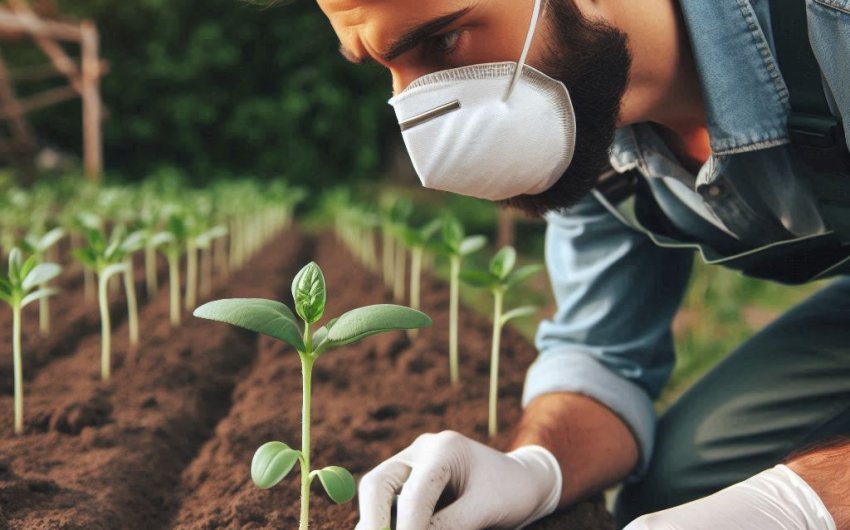
Starting seeds indoors is one of the most exciting parts of gardening. You carefully plant tiny seeds, watch for the first signs of green, and feel a real thrill as little seedlings sprout up. It's a hopeful time, full of promise for the garden to come. But sometimes, a sudden disaster strikes. One day your seedlings are standing tall, and the next, they've collapsed at the soil line, looking like they've been pinched off. This heartbreaking sight is often caused by something called damping-off disease.
Damping-off can wipe out an entire tray of young plants seemingly overnight. It’s a common and frustrating problem for anyone trying to grow from seed. The good news is that understanding what causes it is the first step to stopping it. This isn't just bad luck; it's usually a sign that conditions aren't quite right. We'll explore exactly what damping-off is, what makes it happen, and most importantly, how you can prevent it. You can protect your precious seedlings and ensure a strong start for your garden.
What is Damping-Off Disease?
Damping-off disease is a common problem that affects young seedlings. It's a fungal disease, or more accurately, a group of diseases caused by several different fungi or fungus-like organisms. These tiny organisms live in the soil and attack young plants, especially when conditions are just right for them.
How Does Damping-Off Affect Seedlings?
Damping-off typically affects seedlings in two main ways:
- Pre-Emergent Damping-Off: In this case, the seeds or young sprouts are attacked by the fungi before they even emerge from the soil. You might sow seeds, and they simply never come up, or only a few sprout. It looks like a low germination rate, but the seedlings actually died underground.
- Post-Emergent Damping-Off: This is the more visible and heartbreaking type. Your seedlings sprout, look healthy for a few days, and then suddenly collapse.
- The "Pinching" Effect: You'll see the stem of the seedling get very thin and water-soaked right at the soil line. It looks like it's been pinched off.
- Collapse: Because the stem is damaged at its base, the seedling can no longer support itself and falls over.
- Rot: The roots and lower stem become soft and mushy due to rot.
- Fuzzy Growth: Sometimes, you might even see a white, cottony, or fuzzy mold growing on the affected seedlings or the surface of the soil.
Once a seedling shows signs of damping-off, it's usually too late to save it. The best approach is always prevention.
What Causes Damping-Off?
Damping-off is caused by several types of fungi and oomycetes (water molds), with the most common culprits being:
- Pythium spp.
- Rhizoctonia solani
- Fusarium spp.
- Phytophthora spp.
These microscopic bad guys are everywhere. They are naturally present in most soils and even on some seeds. They don't usually bother mature plants. But young seedlings are incredibly fragile and have very delicate stems and roots, making them easy targets.
The key to damping-off is that these fungi thrive under specific conditions. It's not just about the fungi being present; it's about the environment in which your seedlings are growing. If the conditions are right for the fungi, they will attack. If the conditions favor the healthy growth of your seedlings, they can often resist. Understanding these favorable conditions for the fungi is crucial for prevention.
What Environmental Conditions Encourage Damping-Off?
Damping-off disease isn't random; it's a direct result of environmental conditions that favor the disease-causing fungi. These conditions create a perfect breeding ground for them to attack your delicate seedlings.
Is Overwatering a Cause?
Yes, overwatering is perhaps the biggest culprit when it comes to damping-off.
- Soggy Soil: When the soil stays constantly wet, it creates an anaerobic (lacking oxygen) environment. This suffocates the tender roots of your seedlings and makes them weak.
- Fungal Playground: More importantly, soggy soil is exactly what many of the damping-off fungi (especially Pythium and Phytophthora, which are water molds) love. They thrive and multiply rapidly in overly wet conditions.
- Weakened Seedlings: When seedlings are constantly waterlogged, their root systems are compromised, making them highly susceptible to fungal attack.
Aim for soil that is consistently moist, but never soggy. It should feel like a wrung-out sponge, not a dripping wet one.
How Does Lack of Air Circulation Affect Seedlings?
Poor air circulation is another major factor contributing to damping-off.
- Humid Environment: When air doesn't move around your seedlings, it creates a stagnant, humid microclimate right at the soil surface and around the young plants.
- Fungal Growth: Fungi love high humidity. The moist air directly around the seedlings provides the perfect breeding conditions for fungal spores to germinate and infect the plants.
- Weakens Stems: Constant humidity can also make the tiny stems of seedlings soft and weak, making them easier targets for the fungi to penetrate.
Why is Too Much Shade Bad?
Insufficient light or too much shade can also play a role.
- Weak Growth: Seedlings that don't get enough light become "leggy" – they stretch out, developing tall, thin, and weak stems as they reach for light.
- Vulnerability: These weak, stretched-out stems are much more vulnerable to attack by damping-off fungi. A healthy, stocky seedling with a strong stem is more likely to resist infection.
- Moisture Retention: Areas with poor light also tend to stay moist longer, adding to the problem of soggy soil and high humidity.
What About Overcrowding?
When you sow seeds too thickly or place seedlings too close together, it creates problems.
- Limited Airflow: Overcrowding reduces air circulation between individual seedlings, creating humid, stagnant pockets of air.
- Competition: Densely packed seedlings also compete fiercely for light, water, and nutrients. This stress weakens them, making them more susceptible to disease.
- Rapid Spread: If one seedling gets damping-off, the disease can very quickly jump to nearby plants in an overcrowded tray.
How Do Cold Temperatures Play a Role?
While some sources might mention warmth as a factor, it's more about inconsistent or overly cold temperatures combined with excessive moisture.
- Slow Growth: Cold soil temperatures can slow down the germination of seeds and the initial growth of seedlings.
- Increased Vulnerability: When seedlings are growing slowly or are stressed by cold, they become more vulnerable to fungal attack. The soil might also stay wet longer in cold conditions.
Understanding these environmental triggers is key. By controlling these factors, you can make your growing area much less hospitable for the damping-off fungi and much more welcoming for your healthy seedlings.
How Can I Prevent Damping-Off Disease?
Prevention is the only way to effectively combat damping-off disease. Once it strikes, it's almost impossible to save affected seedlings. The good news is that prevention methods are simple and often involve good gardening practices.
Use Sterilized Seed Starting Mix and Clean Containers
This is the absolute first line of defense.
- Sterilized Mix: Disease-causing fungi can be present in unsterilized soil. Always use a fresh, sterile seed starting mix for your seedlings. Do not use garden soil, old potting mix, or unsterilized homemade compost, as these can contain fungal spores. You can buy Sterile Seed Starting Mix from garden stores.
- Clean Containers: If you're reusing seed trays or pots, they must be thoroughly cleaned and sterilized.
- Cleaning: Wash them well with hot, soapy water to remove all soil and plant debris.
- Sterilizing: Soak them for at least 30 minutes in a solution of 1 part household bleach to 9 parts water. Rinse thoroughly with clean water afterwards and let them air dry completely. This kills any lingering fungal spores.
Provide Good Drainage and Avoid Overwatering
This tackles the biggest environmental trigger.
- Drainage Holes: Ensure all your seed starting trays and pots have sufficient drainage holes. Never use containers without them.
- Bottom Watering (Initially): For the first few days after sowing, or until sprouts emerge, you can bottom water. Place your seed tray in a larger tray or basin filled with a shallow amount of water. The soil will soak up water from the bottom. This keeps the surface drier, which is less appealing to fungi. Once seedlings emerge, transition to top watering carefully.
- Water Sparingly: Only water your seedlings when the top of the soil feels dry to the touch. It's much better to slightly underwater than to overwater.
- Even Moisture: Aim for evenly moist soil, not soaking wet. Water slowly to allow the water to penetrate, and ensure excess water drains away completely. A gentle Misting Bottle can be useful for light top watering when sprouts are tiny.
Ensure Adequate Air Circulation
Good airflow helps dry the soil surface and keeps humidity down around the seedlings.
- Use a Fan: Place a small, oscillating fan near your seedlings for a few hours a day. Set it on a low setting so it creates a gentle breeze, not a strong wind that will dry out the plants too quickly.
- Proper Spacing: Don't overcrowd your seed trays or growing area. Give individual seedlings space to breathe once they sprout. If you sowed seeds too thickly, thin them out as soon as they have their first true leaves (the second set of leaves after the initial cotyledons).
- Remove Domes/Covers: Once seeds have germinated and seedlings have emerged, remove any humidity domes or plastic covers. These are helpful for germination but create too much humidity for young sprouts.
Provide Enough Light
Strong light promotes healthy, stocky growth, which makes seedlings more resilient.
- Adequate Light: Place your seedlings under bright lights immediately after they sprout.
- Grow Lights: This is often the best option for indoor seed starting. Use LED Grow Lights or fluorescent shop lights. Position them just a few inches above the seedlings, raising them as the plants grow.
- Window Sills: If using a window sill, ensure it's the brightest one available (south-facing is often best). Turn trays regularly to ensure even light exposure.
- Avoid Legginess: If seedlings are stretching and thin (leggy), they are not getting enough light and are more prone to damping-off. Increase light intensity or duration.
Maintain Proper Temperature
- Warmth for Germination: Most seeds prefer warm soil for germination. A Seedling Heat Mat can help with this.
- Cooler Once Sprouted: Once seedlings have emerged, you can often lower the air temperature slightly (e.g., 65-70°F or 18-21°C). This can help promote stockier growth and reduce fungal spread. However, avoid sudden, drastic temperature changes.
By implementing these preventative measures, you significantly reduce the risk of damping-off disease and give your seedlings the best chance for a healthy start.
What Should I Do If Damping-Off Appears?
Even with the best preventative measures, sometimes damping-off can still sneak in. If you spot it, it's crucial to act quickly to minimize its spread to other healthy seedlings.
What are the Immediate Steps?
- Remove Affected Seedlings Immediately: As soon as you see a seedling collapse or show signs of the "pinched" stem, remove it (and the surrounding soil) from the tray. Do not hesitate. Use a clean pair of tweezers or small scissors. Do not put affected seedlings in your compost bin, as this could spread the fungal spores. Dispose of them in the trash.
- Increase Air Circulation: If you don't already have a fan running, set one up immediately to create a gentle breeze across the remaining seedlings. This helps dry the surface of the soil and reduces humidity.
- Reduce Watering: Stop watering the affected tray for a day or two to allow the soil surface to dry out thoroughly. For future waterings, ensure you're letting the soil dry adequately between applications.
- Increase Light: If your seedlings are looking leggy, increase the light intensity or duration immediately. This will help strengthen their stems.
Should I Use Fungicides?
For home gardeners, fungicides are generally not recommended or effective against damping-off.
- Limited Efficacy: Once the disease takes hold, most fungicides won't save the already infected plants.
- Preventative Focus: Some commercial growers use preventative fungicides, but for home use, focusing on environmental control is far more practical, safer, and effective.
- Organic Options (Limited): Some organic growers explore biological fungicides containing beneficial microbes like Bacillus subtilis (often found in products like Mycorrhizal Fungi supplements) or compost tea to potentially suppress fungal growth. However, their effectiveness against established damping-off outbreaks is varied, and prevention is still paramount.
Can I Save the Rest of the Tray?
Yes, by acting quickly and adjusting the environmental conditions, you can often stop the spread of damping-off and save the remaining healthy seedlings in the tray.
- Isolate: If you have multiple trays, consider isolating the affected tray from others to prevent cross-contamination.
- Watch Closely: Monitor the remaining seedlings very carefully for the next few days. If you see new collapses, remove them immediately.
What if I Lose Many Seedlings?
Don't get discouraged! Damping-off is a common setback for even experienced gardeners.
- Learn from It: Take it as a learning experience. Review your practices: Was the soil mix sterile? Was I overwatering? Was there enough airflow and light?
- Re-sow: If you have enough seeds, don't hesitate to start a new batch. Applying what you've learned will likely lead to much healthier seedlings the second time around. It might feel like a waste, but a quick re-sow is better than nurturing weak seedlings that might never thrive.
While heartbreaking, a fast response to damping-off disease can save a portion of your precious seedlings and help you refine your seed-starting techniques for future success.
What are Common Mistakes that Lead to Damping-Off?
Understanding the mistakes new and even experienced gardeners make can help you avoid damping-off altogether. These errors often create the perfect storm for the disease to flourish.
Is Using Garden Soil or Old Potting Mix a Mistake?
Yes, this is a very common and critical mistake.
- Unsterilized Soil: Garden soil, or potting mix that has been used before, almost certainly contains the fungi and oomycetes that cause damping-off, as well as weed seeds and other pathogens.
- Solution: Always, always use a fresh bag of sterile seed starting mix for your seedlings. This is formulated to be fine, lightweight, and disease-free.
Is Covering Seed Trays for Too Long a Mistake?
Yes, while covers are great for germination, keeping them on too long is a recipe for disaster.
- Humidity Trap: Humidity domes or plastic wrap create a mini-greenhouse effect, raising humidity to near 100%. This is great for sprouting seeds, but once seedlings emerge, this super-humid environment is ideal for fungal growth.
- Solution: Remove covers as soon as the first seedlings pop up. If you have uneven germination, you can remove the cover from the sprouted portion or elevate it slightly for some airflow.
What About Watering from Above?
While eventually you will top water, careless top watering can be problematic for very young seedlings.
- Splashing: Watering from above with a strong stream can dislodge tiny seedlings, disturb the delicate root system, and splash fungal spores from contaminated soil onto healthy plants.
- Wet Surface: It also keeps the surface of the soil wet for longer, which is what damping-off fungi prefer.
- Solution: For the first week or two after seedlings emerge, continue to bottom water if possible. If you must top water, use a gentle stream from a watering can with a fine rose attachment, or use a Misting Bottle to moisten the surface. Once plants are larger, they can handle gentle top watering.
Is Sowing Seeds Too Thickly a Mistake?
Yes, overcrowding is a major contributor to damping-off.
- Poor Airflow: Densely packed seedlings block airflow between each other, creating stagnant, humid pockets.
- Competition: They also compete for light, causing them to stretch and become weak and leggy.
- Rapid Spread: If one seedling gets infected, it quickly spreads to its crowded neighbors.
- Solution: Follow seed packet instructions for spacing. If sowing tiny seeds, sprinkle them thinly. As soon as seedlings have their first set of true leaves, thin them out by snipping off the weakest ones at the soil line with small scissors. Aim for adequate space for each plant to grow.
How Does Lack of a Fan Contribute?
Many new seed starters overlook the importance of air circulation.
- Stagnant Air: Indoor environments often have stagnant air, leading to high humidity around seedlings.
- Solution: Use a small fan. A gentle breeze not only dries the soil surface, discouraging fungi, but also strengthens the seedling stems, making them sturdier and more resistant to collapse.
By being aware of these common pitfalls and actively avoiding them, you dramatically increase your chances of having a successful batch of strong, healthy seedlings that will happily transition to your garden. Mastering seed starting means understanding and preventing damping-off disease.