
DIY Ideas for Hanging Garden Planters
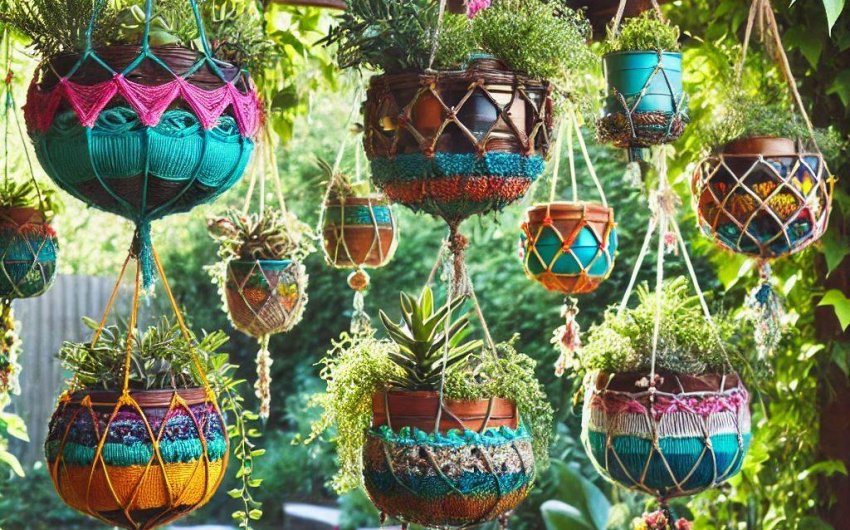
You look at your outdoor space, maybe a small patio, a cozy balcony, or even just a blank wall by your front door. You wish you had more room for plants, more greenery to brighten things up. Traditional garden beds take up a lot of floor space, which isn't always available. This is where hanging garden planters come in handy. They let you grow plants up, not out, making the most of every bit of vertical space you have. Not only do they save space, but they also add a unique touch to your home, bringing life and color to unexpected places. From cascading flowers to trailing herbs, hanging planters can transform a dull area into a vibrant display.
The great thing about hanging planters is that you don't have to spend a lot of money on fancy store-bought options. With a little creativity and some basic supplies, you can make your own DIY hanging planters that are both functional and beautiful. Repurposing old items or using inexpensive materials can lead to truly unique creations that reflect your personal style. It's a fun project that can add character to your home and garden. Let’s dive into some simple and clever DIY ideas for hanging garden planters that you can try, whether you’re a seasoned crafter or just starting out.
Why Should You Make Your Own Hanging Planters?
Making your own hanging planters is a super smart idea for lots of reasons. It’s not just about saving money, though that’s a big part of it. It’s also about being creative, using what you already have, and making something truly special for your home.
What Are the Benefits of DIY Hanging Planters?
There are several great benefits to crafting your own DIY hanging garden planters.
First, it’s all about cost savings. Store-bought planters, especially unique or large ones, can get expensive fast. By making your own, you can use materials that are cheap or even free, like things you already have lying around. This means more money for plants!
Second, customization is a huge plus. When you build it yourself, you get to pick the size, shape, color, and style. You can make a planter that perfectly fits your space and matches your home’s look. Want a rustic feel? Use reclaimed wood. Love a modern vibe? Go for sleek metal or painted plastic. You’re not stuck with what’s available in stores.
Third, sustainability plays a big role. Making DIY planters often involves repurposing materials. This means you’re giving new life to items that might otherwise end up in the trash. Think about old plastic bottles, tin cans, or even worn-out tires. This reduces waste and is good for the planet.
Finally, there’s the satisfaction of creating. There’s a special feeling when you look at something beautiful in your home and know you made it with your own hands. It’s a fun project that adds a personal touch to your décor.
Can Hanging Planters Save Space in Small Areas?
Yes, absolutely! One of the biggest reasons to use hanging garden planters is their incredible space-saving ability. If you have a small balcony, a tiny patio, or even just a narrow wall, you know how quickly floor space gets used up.
Hanging planters let you grow plants vertically. Instead of needing a wide area on the ground, they use the air above. This means you can have a lush garden even if your footprint is small. You can hang them from ceilings, pergolas, eaves, or even use wall-mounted brackets. This opens up a whole new dimension for gardening.
For example, on a small balcony, you might only fit one or two traditional pots. But with hanging planters, you could have multiple tiers of plants cascading down, turning a plain wall into a green oasis. This vertical gardening approach is perfect for urban dwellers, apartment living, or anyone who wants to maximize their growing potential without sacrificing valuable floor real estate.
What Common Materials Can Be Repurposed for Planters?
The world is full of items waiting to be given a second life as hanging garden planters. Look around your home, garage, or even local thrift stores, and you might be surprised at what you can find. Repurposing old items is a fantastic way to create unique and eco-friendly planters.
How Can Plastic Bottles Be Transformed into Planters?
Plastic bottles are one of the most common and easily available materials for DIY hanging planters. They are free, plentiful, and surprisingly versatile. You can turn soda bottles, milk jugs, or even larger watercooler bottles into planters.
One simple method is to cut a large opening in the side of a plastic bottle while leaving the bottom intact. This creates a sort of "pocket" planter. You'll need to poke drainage holes in the bottom. You can then string them up horizontally, perhaps in a series, using strong twine or wire through holes drilled near the top of each end. For a vertical garden look, you can cut the bottom off one bottle and the top off another, then stack them, making sure there's enough space for roots and watering. You'll need a way to hang them, perhaps by drilling two holes near the top rim and threading a durable cord like Paracord Planet Paracord through them. These are great for small herbs, strawberries, or trailing succulents.
What Creative Uses Are There for Old Tires?
While an old tire might seem like an unlikely candidate for a hanging planter, they can be transformed into incredibly sturdy and unique options. Tires are especially good for larger plants or those that need more root space.
To turn a tire into a hanging planter, you'll first need to clean it thoroughly. Then, you can get creative with how you use it. One simple idea is to hang it flat against a wall. Drill several drainage holes in the bottom side, then paint it a fun color or leave it black for a rustic look. You can use strong chains or thick rope, secured with heavy-duty bolts or hooks, to hang it from a sturdy beam or wall bracket. A more elaborate idea is to "flower" the tire by cutting a wavy pattern around one sidewall, then flipping the tire inside out. This creates a bowl-like shape. While this usually makes a ground planter, you could adapt it for hanging if you have a very strong support system. Remember, tires can be heavy, especially when filled with soil and water, so always ensure your hanging method is robust enough.
Can Tin Cans Be Used for Small Hanging Plants?
Yes, tin cans are perfect for small hanging plants like herbs, succulents, or tiny flowers. They are super easy to clean, modify, and paint, making them a great beginner DIY planter project.
Collect tin cans of various sizes (coffee cans, soup cans, vegetable cans). Wash them thoroughly and remove any labels. The first crucial step is to punch drainage holes in the bottom of each can using a hammer and nail or a drill. Then comes the fun part: decorating! You can paint them with outdoor-safe spray paint, wrap them in jute twine using Jute Twine Rope, decoupage them with fabric scraps, or leave them metallic for an industrial look. To hang them, drill two small holes near the top rim on opposite sides, then thread wire, chain, or strong string through the holes to create a hanger. You can hang individual cans or string several together at different heights for a vertical display. Just make sure the paint is non-toxic if you plan to grow edibles.
How Can You Build Hanging Planters from Wood?
Wood is a classic material for planters, and it’s also excellent for DIY hanging garden planters. It offers a natural, warm look and can be shaped into many different designs. Building with wood gives your planters a more substantial feel and allows for larger sizes.
What Simple Designs Are There for Wooden Hanging Planters?
There are many simple designs for wooden hanging planters that even beginners can tackle. The key is to keep the cuts straightforward and the assembly minimal.
A very basic design is a wooden box planter. You'll need four side pieces and a bottom piece, all cut from exterior-grade wood like cedar or pressure-treated lumber for durability. You can simply nail or screw these pieces together to form a square or rectangular box. Make sure to drill several drainage holes in the bottom. For hanging, you can attach eye hooks to the top corners or drill holes through the sides and thread sturdy rope or chains through them. Consider using Eye Bolt Hooks for easy attachment to your hanging chains.
Another simple idea is a pallet wood planter. If you can get your hands on a discarded pallet, you can carefully dismantle it and use the individual slats. You might create a series of small, shallow boxes attached to a larger backboard, forming a vertical tiered planter. This allows for multiple plants in one hanging unit. Always check that the pallet wood is safe and untreated (look for an "HT" stamp for heat-treated) if you plan to grow edibles.
What Tools Are Needed for Wooden Planter Projects?
To build wooden hanging planters, you don't necessarily need a full workshop, but some basic woodworking tools will make the job much easier and safer.
You'll definitely need a measuring tape and a pencil for marking your cuts. For cutting the wood, a hand saw will work for smaller projects, but a miter saw or a circular saw will make much faster and more accurate cuts, especially for larger pieces. Safety glasses are a must when cutting.
To assemble the pieces, a drill is essential for making pilot holes (small holes before screwing to prevent wood splitting) and for driving screws. An impact driver can also be very useful. You'll need suitable wood screws that are rated for outdoor use (like deck screws or galvanized screws) to prevent rust. A square will help you keep your corners straight, and a sander or sandpaper can smooth out rough edges for a nicer finish and to prevent splinters. Don't forget eye protection and gloves for safety!
How to Ensure Proper Drainage and Durability for Wood Planters?
Ensuring proper drainage and durability is key for any outdoor planter, especially wooden ones. Without good drainage, your plants will suffer from root rot, and excess moisture can quickly lead to wood decay.
For drainage, always drill several good-sized holes in the bottom of your wooden planter box. For a medium-sized box, aim for at least 4-6 holes that are at least (1/2) inch in diameter. You can also add a layer of gravel or broken pottery shards at the bottom before adding soil, though this is less critical than having ample holes. Placing a piece of landscape fabric or screen over the holes can prevent soil from washing out.
For durability, choose the right type of wood. Cedar is naturally rot-resistant and a great choice for outdoor projects. Redwood is another good option. Pressure-treated lumber is also durable, but some people prefer to avoid it for edible plants due to the chemicals used in treatment. If using untreated wood, apply a wood sealant or stain that is rated for outdoor use and protects against moisture and UV rays. Reapply this sealant every few years to keep the wood in good condition. You can use products like Thompson's WaterSeal Wood Protector. Also, consider using stainless steel or galvanized hardware (screws, hooks, chains) to prevent rust stains and ensure the longevity of your hanging system.
Can Fabric or Textile Planters Be Made at Home?
Yes, fabric or textile planters are a fantastic DIY option that offers flexibility, good drainage, and often a lighter weight than traditional materials. They are particularly popular for growing herbs, strawberries, or shallow-rooted plants.
What Fabrics Are Best for DIY Planters?
When choosing fabrics for DIY planters, you need materials that are durable, breathable, and allow for good drainage.
Grow bags that you buy in stores are usually made from thick, felt-like non-woven fabric. You can often find similar material at fabric stores, sometimes labeled as landscape fabric or heavy-duty geotextile fabric. This material is excellent because it allows water to drain freely while retaining soil, prevents root circling, and promotes aeration.
Outdoor canvas or heavy-duty denim (from old jeans!) can also work, but they might need more thought regarding drainage. You’d need to punch or cut extra holes in the bottom to prevent waterlogging. Burlap is another option, though it's less durable and will break down faster, making it suitable for temporary or short-season plants. For a more decorative touch, you can use outdoor-rated upholstery fabric or even old sturdy tote bags, as long as you ensure they can handle moisture and weight. Look for fabrics that are labeled as weather-resistant or designed for outdoor use.
How to Create Pouch or Pocket Planters from Fabric?
Fabric pouch or pocket planters are excellent for creating vertical garden walls, especially for herbs or succulents. They are lightweight and relatively easy to sew.
You can start with a large piece of sturdy fabric, like the non-woven felt-like material mentioned before, or outdoor canvas. Decide how many pockets you want and how large they should be. Cut your fabric to the desired overall size for the back panel. Then, cut smaller rectangular or square pieces for the pockets. Fold the bottom edge of each pocket piece up to form the pouch, and then sew the sides and bottom edges to the main back panel, leaving the top open for planting. Make sure to double-stitch for strength. Crucially, you'll need to create drainage holes in the bottom of each pocket. You can simply cut small slits or poke holes. For hanging, create a strong hem at the top of the main back panel, then thread a sturdy wooden dowel, metal rod, or even Galvanized Steel Chain through it. Alternatively, you can add grommets to the top corners of the back panel for hanging. These planters are great for herbs, trailing flowers like petunias, or even shallow-rooted vegetables like lettuce.
What Unique Ideas Are There for Upcycled Planters?
Upcycling is all about taking something old or unused and giving it a new, better purpose. When it comes to hanging garden planters, the possibilities for upcycling are nearly endless, leading to truly unique and conversation-starting pieces for your home and garden.
Can Old Kitchen Items Be Used as Planters?
Yes! Your kitchen is a treasure trove of potential hanging planters. Many everyday kitchen items can be repurposed into charming and quirky containers for your plants.
Colanders make fantastic hanging planters because they already have built-in drainage holes. Simply line a colander with a bit of Coir Fiber Liner or landscape fabric to keep the soil in, add your plant, and then hang it with three equally spaced chains or strong wires from its existing handles or holes.
Old teacups or teapots can be adorable small planters, especially for succulents or air plants. Drill a small drainage hole in the bottom if you can (use a ceramic drill bit and go slowly!). Then, attach a small hanger using wire or strong string, perhaps from the handle of the teacup. Enamelware bowls or old sieves can also be charming options, offering a rustic or vintage look. Make sure any metal items won't rust easily outdoors, or paint them with a rust-resistant spray.
How to Turn Old Baskets or Purses into Hanging Planters?
Old baskets and even sturdy purses or tote bags can be repurposed into beautiful hanging planters, especially for a bohemian or natural aesthetic.
For baskets, look for ones made of wicker, rattan, or strong woven materials. Line the inside with a plastic liner (like a trash bag with drainage holes poked in the bottom) or a fabric grow bag liner to prevent soil and water from escaping and to protect the basket material. You can then use the existing handles for hanging or attach new chains or ropes.
For old purses or tote bags, choose ones made from durable materials like canvas, heavy denim, or even leather (though leather might break down over time outdoors). Again, line them with plastic or fabric. You can use the existing straps or handles for hanging. This idea works best for plants that don't need a huge amount of soil or water, like succulents, trailing ivy, or spider plants. Just make sure the bag is strong enough to hold the weight of the soil and plant, especially after watering.
Are Old Light Fixtures Suitable for Plants?
This is a really creative and unexpected DIY planter idea! Many old light fixtures, especially glass globes or metal casings from pendant lights or wall sconces, can be transformed into stunning hanging planters.
For glass globes, you’ll need to be careful with drainage. You might consider using them for air plants (which don't need soil) or for terrarium-style setups with a very small amount of well-draining soil and plants that tolerate consistently moist conditions, and perhaps a layer of pebbles at the bottom for drainage. For hanging, you can create a macrame hanger or use wire to cradle the globe securely.
Metal light fixtures (like the shades from old pendant lights) are often more straightforward. You may need to drill drainage holes if they don't have them. You can then paint them or leave them as is for an industrial look. Use sturdy chains or wire from the existing attachment points to hang them. These can be particularly striking with trailing plants spilling out. Always ensure the fixture is thoroughly cleaned and free of any electrical components before using it as a planter. This type of upcycling really showcases your creativity!
What Materials and Techniques Are Used in Macrame Planters?
Macrame hanging planters are hugely popular right now, and for good reason! They offer a beautiful, bohemian, and handmade look that’s perfect for both indoor and outdoor spaces. Making them involves a technique called macrame, which is knot-tying.
What Cords and Ropes Are Best for Macrame Planters?
Choosing the right cords and ropes for macrame planters is important for both aesthetics and durability. You need materials that are strong enough to hold the weight of your plant and pot, and that will hold up well to outdoor conditions if you plan to hang them outside.
Cotton cord is a very popular choice for macrame. It’s soft, easy to work with, and gives a classic bohemian look. Look for twisted or braided cotton cord, typically 3mm to 6mm thick. For outdoor use, however, cotton can mildew and break down over time if it stays wet.
For outdoor macrame planters, synthetic cords are often a better choice. Polypropylene cord or nylon cord are weather-resistant, won't rot or mildew, and come in many colors. They can be a bit slicker to knot than cotton but are very durable. You can find general-purpose ropes like Durable Twisted Cotton Rope or Outdoor Nylon Rope that work well. The thickness of the cord will affect the look of your hanger – thicker cords create chunkier, more dramatic knots.
What Basic Macrame Knots Do You Need to Know?
You don't need to be a macrame expert to make a simple hanging planter. Just a few basic macrame knots will get you started.
The most fundamental knot is the Square Knot. This knot is often used to create a strong, flat pattern, and it's built from two "half knots." You'll learn to alternate which side you start the half knot from to create the square shape. This knot is great for building up the body of your hanger.
Another key knot is the Half Knot Spiral. If you repeat the same "half knot" over and over without alternating, your cord will naturally spiral, creating a twisted look. This is a simple way to add visual interest to your planter.
You'll also use collecting knots or wrapping knots at the top (to gather all the cords together for hanging) and at the bottom (to form the "basket" that holds the pot). These are essentially tightly wrapped sections of cord that secure all the strands. There are many online tutorials and YouTube videos that can show you how to tie these knots visually, which is often the easiest way to learn.
How to Hang a Macrame Planter Securely?
Once your macrame planter is knotted, hanging it securely is crucial to prevent your plant (and pot!) from crashing down.
At the very top of your macrame hanger, all your cords should be gathered and secured with a strong collecting knot or by wrapping them tightly with an additional piece of cord. A metal O-ring or a wooden ring can be integrated at the very top for a sturdy hanging point. Then, you'll need a robust hook in the ceiling, wall, or pergola from which to hang it.
For ceilings, use a swag hook or a toggle bolt hook that is designed to hold weight. Make sure it's screwed directly into a ceiling joist or uses a heavy-duty anchor if going into drywall. For walls, use a sturdy wall bracket that is screwed into a wall stud or uses appropriate anchors. If hanging outdoors from a pergola or beam, ensure the beam is solid and strong enough to support the weight. Products like Heavy Duty Ceiling Hooks are good choices. Always consider the combined weight of the pot, soil, plant, and water when wet. It's better to overestimate the needed strength than to risk your beautiful DIY creation falling.
What Are Some Smart Tips for DIY Planter Success?
Making your own DIY hanging garden planters is rewarding, but a little planning goes a long way. Following some smart tips can ensure your planters are successful, durable, and keep your plants happy.
What Plants Are Best Suited for Hanging Planters?
Choosing the right plants for hanging planters is crucial for their success and visual appeal. Not all plants thrive in a hanging environment.
Look for trailing or cascading plants. These are plants that naturally grow downwards, spilling over the sides of the planter. Examples include petunias, lobelia, fuchsias, sweet potato vine, trailing ivy, and many types of succulents like string of pearls or donkey’s tail. These plants make a stunning display as they grow long.
Herbs are also great for hanging planters, especially in a kitchen or near a door for easy access. Consider thyme, rosemary (trailing varieties), mint, and oregano. Strawberries are fantastic in hanging planters, allowing their fruit to ripen without touching the ground.
For a bit more height, choose compact, bushy plants that don’t get too large, like impatiens, begonias, or smaller varieties of geraniums. Always check the plant’s light and watering needs to make sure they match the location where you plan to hang your planter.
How Do You Prepare the Planter and Soil?
Proper preparation of the planter and soil is essential for healthy plants in any container, but especially in hanging ones where conditions can dry out quickly.
First, ensure adequate drainage. No matter what material your DIY planter is made from, it must have drainage holes at the bottom. If it doesn't, drill or poke them yourself. Without drainage, roots will sit in soggy soil and rot.
Next, consider a liner. For porous materials like baskets or fabric, a plastic liner (with drainage holes) or a dedicated Coco Fiber Liner can help retain moisture and prevent soil from washing out.
When it comes to soil, use a high-quality potting mix specifically designed for containers. Do not use garden soil, as it compacts too much in pots and doesn't drain well. Potting mix is lighter, drains better, and often contains amendments to hold moisture and nutrients. You might also add some slow-release fertilizer to the mix to provide ongoing nutrients, as hanging plants often need more frequent feeding. Fill the planter, leaving about an inch or two of space from the rim.
What Are Important Watering and Fertilizing Tips for Hanging Planters?
Watering and fertilizing are critical for hanging planters because they tend to dry out faster than plants in the ground. They are exposed to more air circulation from all sides, and their soil volume is limited.
Watering: Check your hanging planters daily, especially in hot or windy weather. Stick your finger an inch or two into the soil; if it feels dry, it's time to water. Water until you see water draining from the bottom holes. This ensures the entire root ball is moistened. You might need to water twice a day in peak summer heat. For hard-to-reach planters, consider using a watering wand or a drip irrigation system designed for containers.
Fertilizing: Because nutrients leach out with frequent watering, hanging plants need regular feeding. Use a liquid fertilizer diluted to half strength every 2-4 weeks, or incorporate a slow-release granular fertilizer into the potting mix at the beginning of the season. For instance, Osmocote Smart-Release Plant Food is a popular choice. Always follow the product instructions. Yellowing leaves can be a sign that your plants need more nutrients. Consistent care will ensure your DIY hanging garden planters flourish.