
What Vegetables Grow Best in Cool Weather?
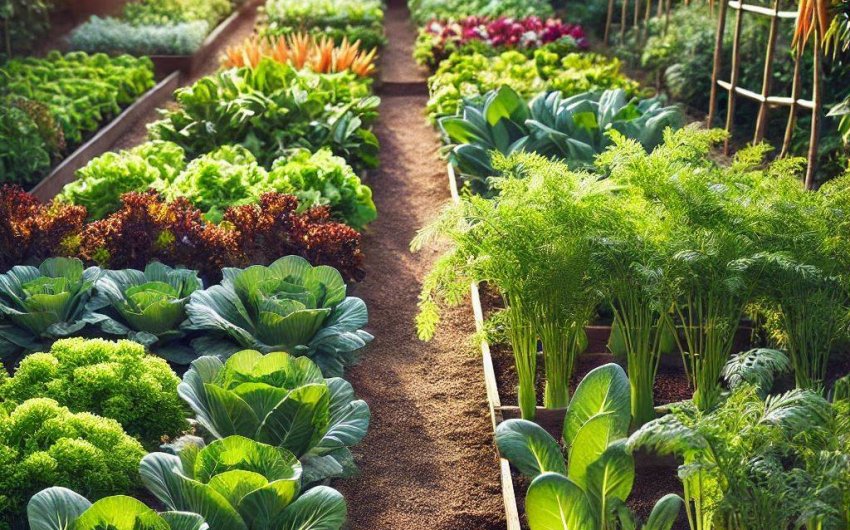
As temperatures begin to drop, many gardeners might assume their growing season is winding down. However, for those in the know, cooler weather signals the perfect opportunity to plant and harvest a surprisingly wide variety of delicious and nutritious crops. While popular summer vegetables like tomatoes and peppers wilt at the first hint of frost, a special group of resilient plants thrives in crisp air and moderate sunshine. If you're wondering what vegetables grow best in cool weather, you're about to unlock the secrets to extending your harvest well into fall, through winter in mild climates, and even into early spring. Get ready to embrace the cool-season bounty!
Why Plant Vegetables in Cool Weather?
Planting in cooler temperatures might seem counterintuitive to a summer-centric gardening mindset, but it offers numerous advantages for both the gardener and the vegetables themselves.
What Defines "Cool Weather" for Vegetables?
"Cool weather" for vegetables generally refers to average daytime temperatures ranging from 40°F to 75°F (4°C to 24°C). Many cool-season crops can tolerate light frosts (temperatures dipping just below freezing, around 28-32°F or -2 to 0°C) and some even taste better after a light frost.
- Optimal Growth Range: Unlike warm-season plants (like tomatoes, peppers, corn, beans) that thrive in temperatures above 65°F (18°C) and are sensitive to frost, cool-season vegetables hit their stride in the milder temperatures of spring and fall.
- Frost Tolerance: Many cool-season vegetables can withstand light frosts. Their cell structure allows them to cope with a temporary drop below freezing. Some, like kale or Brussels sprouts, even develop a sweeter flavor after a kiss of frost, as the cold converts starches into sugars.
- Specific Needs: They often require specific conditions:
- Cool Soil: Germination and root development are best in cooler soil.
- Moderate Sunlight: They generally appreciate full sun but don't tolerate the intense heat and scorching sun of mid-summer.
What are the Advantages of Fall Gardening?
Fall gardening, in particular, is a hidden gem for many gardeners.
- Fewer Pests and Diseases: As temperatures drop, the populations of many common garden pests (like aphids, squash bugs, and tomato hornworms) naturally decline. Fungal diseases that thrive in hot, humid conditions also become less prevalent. This often means less need for pest control and healthier plants.
- Reduced Weed Pressure: Weed seeds that require warm soil to germinate are less active in fall, leading to fewer weeds to contend with compared to the relentless weeding of summer.
- Sweeter Flavors: As mentioned, a light frost can significantly enhance the flavor of many cool-season crops, converting starches to sugars. Kale, Brussels sprouts, carrots, and parsnips are prime examples.
- Enjoyable Gardening Conditions: Working in the garden during the crisp, pleasant weather of fall is far more comfortable than sweating in the intense summer heat.
- Extended Harvest: For many, fall gardening means fresh vegetables well into late fall and even winter, long after the summer crops have faded. This extends your garden's productivity and provides fresh produce when store shelves might be less diverse.
- Soil Improvement: Growing a fall crop keeps the soil active and alive, preventing it from lying fallow and potentially eroding. You can also incorporate cover crops after harvesting your fall vegetables to further improve soil health over winter.
What are the Advantages of Early Spring Gardening?
Spring is the traditional start for most gardens, and for cool-season crops, it's a vital window.
- Jump Start on the Season: By planting cool-season crops early, you can enjoy your first harvests (like lettuce, spinach, and radishes) much earlier in the year, sometimes weeks before warm-season crops are even planted.
- Beat the Heat: Many cool-season plants, especially leafy greens and root vegetables, will bolt (go to seed prematurely) when temperatures rise too high. Planting early in spring allows them to mature and be harvested before the summer heat causes them to become bitter or inedible.
- Succession Planting Opportunities: Harvesting early spring crops frees up beds for warm-season vegetables later, maximizing your garden's output throughout the year. It allows for multiple cycles of planting and harvesting in the same space.
- Healthy Seedling Development: Starting certain cool-season crops (like broccoli or cabbage) indoors in late winter and transplanting them out in early spring gives them a head start and establishes strong root systems before the weather turns too warm.
By strategically planting vegetables that thrive in cooler temperatures, gardeners can unlock a much longer and more productive growing season, enjoying fresh, flavorful produce for more months of the year.
What Leafy Greens Grow Best in Cool Weather?
Leafy greens are the superstars of cool-season gardening. They thrive in moderate temperatures and can often tolerate light frosts, becoming sweeter and more tender after a chill.
Spinach
- Why it's a Cool-Season Champion: Spinach bolts (goes to seed and becomes bitter) very quickly in warm weather. It loves the cool, moist conditions of spring and fall. A light frost can enhance its flavor.
- Optimal Growing Conditions:
- Temperature: Best between 45-75°F (7-24°C). Can tolerate light frost.
- Sunlight: Full sun to partial shade. Partial shade helps extend its harvest in late spring/early fall.
- Soil: Rich, well-draining soil with consistent moisture.
- Planting Tips:
- Direct Sow: Sow seeds directly into the garden in early spring as soon as the soil can be worked, and again in late summer/early fall for a fall/winter harvest.
- Succession Planting: Plant small batches every 1-2 weeks for a continuous supply.
- Varieties: 'Bloomsdale Long Standing' (classic, crinkly leaves), 'Tyee' (bolt-resistant), 'Avon' (smooth leaves).
- Harvesting: Harvest outer leaves once they are large enough to eat, or cut the whole plant for a one-time harvest. It will often regrow if you leave the crown intact.
Lettuce (Loose Leaf & Romaine)
- Why it's a Cool-Season Champion: Similar to spinach, lettuce becomes bitter and bolts in heat. The cool weather keeps its leaves tender and sweet.
- Optimal Growing Conditions:
- Temperature: Best between 45-70°F (7-21°C). Can handle light frosts, especially hardier varieties.
- Sunlight: Full sun to partial shade. Partial shade is beneficial in warmer parts of its season.
- Soil: Fertile, well-draining soil, consistent moisture.
- Planting Tips:
- Direct Sow or Transplants: Can be direct-sown or started indoors and transplanted. Transplants give you a head start.
- Succession Planting: Sow or plant every 1-2 weeks.
- Varieties:
- Loose Leaf: 'Black Seed Simpson', 'Red Salad Bowl', 'Oakleaf' – these are easy to grow and cut-and-come-again.
- Romaine: 'Parris Island Cos', 'Rouge d'Hiver' – offers a crisp texture.
- Butterhead: 'Buttercrunch', 'Bibb' – delicate and tender.
- Harvesting: Harvest outer leaves or cut the entire head. Re-harvest loose-leaf varieties multiple times.
Kale
- Why it's a Cool-Season Champion: Kale is incredibly hardy and tolerates significant cold, even light snow. In fact, its flavor improves dramatically after a hard frost, becoming sweeter and less bitter.
- Optimal Growing Conditions:
- Temperature: Thrives in 20-70°F (-6 to 21°C). Can survive well below freezing.
- Sunlight: Full sun.
- Soil: Rich, well-draining soil. Tolerates a bit more neglect than lettuce or spinach.
- Planting Tips:
- Direct Sow or Transplants: Can be direct-sown, but transplants give a head start for fall planting.
- Timing: Plant in early spring for summer harvest, or late summer/early fall for fall/winter harvest.
- Varieties: 'Lacinato' (Dinosaur kale), 'Red Russian', 'Vates' (curly kale).
- Harvesting: Harvest outer leaves as needed, starting from the bottom. The plant will continue to produce new leaves from the center.
Collard Greens
- Why it's a Cool-Season Champion: Very similar to kale in its hardiness and tolerance for cold. Collards develop a rich, earthy flavor after exposure to frost.
- Optimal Growing Conditions:
- Temperature: Similar to kale, very cold tolerant.
- Sunlight: Full sun.
- Soil: Fertile, well-draining soil, benefits from good nitrogen.
- Planting Tips:
- Direct Sow or Transplants: Often started indoors for transplanting.
- Timing: Plant in early spring or late summer/early fall.
- Varieties: 'Georgia Southern', 'Vates'.
- Harvesting: Harvest outer leaves as needed, like kale.
Arugula
- Why it's a Cool-Season Champion: Arugula has a peppery, slightly bitter flavor that becomes more pronounced and intense in hot weather. Cool temperatures keep its leaves tender and mellow.
- Optimal Growing Conditions:
- Temperature: Best in 40-70°F (4-21°C). Bolts quickly in heat.
- Sunlight: Full sun to partial shade.
- Soil: Well-draining, consistent moisture.
- Planting Tips:
- Direct Sow: Easy and quick to direct sow.
- Succession Planting: Sow every 1-2 weeks for continuous harvest in spring and fall.
- Varieties: 'Rocket', 'Wild Rocket'.
- Harvesting: Harvest outer leaves or cut whole plants when 4-6 inches tall.
These leafy greens provide a constant supply of fresh, homegrown produce throughout the cooler parts of the year, making them essential additions to any cool-season vegetable garden.
What Root Vegetables Thrive in Cool Weather?
Root vegetables are excellent cool-season crops because they grow their edible parts underground, where soil temperatures remain more stable. Many also sweeten considerably after a frost.
Carrots
- Why they're Cool-Season Champions: Carrots need cool soil for germination and development. The sweetness of carrots is significantly enhanced by cold temperatures, as the plant converts starches into sugars to protect itself from freezing.
- Optimal Growing Conditions:
- Temperature: Soil temperature 45-75°F (7-24°C) for germination. Optimal growth in cool, consistent temperatures.
- Sunlight: Full sun.
- Soil: Loose, well-draining, stone-free soil. Avoid heavy clay or rocky soil, which causes misshapen roots.
- Planting Tips:
- Direct Sow Only: Carrots do not transplant well. Sow seeds thinly in finely prepared soil.
- Thinning: Crucial for good root development. Thin seedlings to 1-2 inches apart once they are a few inches tall.
- Timing: Sow in early spring (as soon as soil can be worked) for early summer harvest, and again in late summer/early fall for a fall/winter crop. In mild climates, continuous sowing is possible.
- Varieties: 'Danvers Half Long' (classic), 'Nantes' (sweet, cylindrical), 'Imperator' (long, slender).
- Harvesting: Harvest when roots are desired size, usually 60-75 days after sowing.
Radishes
- Why they're Cool-Season Champions: Radishes are fast-growing and prefer cool temperatures. Heat causes them to become pungent, woody, and bolt quickly.
- Optimal Growing Conditions:
- Temperature: Optimal growth in 50-65°F (10-18°C).
- Sunlight: Full sun.
- Soil: Loose, well-draining soil with consistent moisture.
- Planting Tips:
- Direct Sow Only: Sow seeds directly.
- Succession Planting: Plant small batches every 1-2 weeks in spring and fall for a continuous harvest. They mature very quickly (often 3-4 weeks).
- Varieties: 'Cherry Belle' (classic red round), 'French Breakfast' (elongated, mild), 'Daikon' (large, winter radishes).
- Harvesting: Harvest quickly as soon as they reach edible size to prevent woodiness.
Beets
- Why they're Cool-Season Champions: Beets prefer cool temperatures for root development and sweet flavor. Both the roots and the greens are edible and delicious.
- Optimal Growing Conditions:
- Temperature: Best in 50-65°F (10-18°C). Tolerates light frost.
- Sunlight: Full sun.
- Soil: Loose, well-draining soil, consistent moisture.
- Planting Tips:
- Direct Sow: Sow seeds directly. Each "seed" is actually a cluster of seeds, so thinning is important.
- Thinning: Thin seedlings to 3-4 inches apart for good root development. You can eat the thinnings as baby greens.
- Timing: Plant in early spring for summer harvest, and again in late summer for fall harvest.
- Varieties: 'Detroit Dark Red' (classic), 'Cylindra' (cylindrical, good for slicing), 'Golden' (sweeter, less earthy).
- Harvesting: Harvest roots when they are 1.5-3 inches in diameter. You can also harvest outer leaves for greens.
Turnips
- Why they're Cool-Season Champions: Turnips are quick-growing and thrive in cool weather, producing both edible roots and leafy greens.
- Optimal Growing Conditions:
- Temperature: Best in 40-70°F (4-21°C).
- Sunlight: Full sun.
- Soil: Loose, well-draining soil.
- Planting Tips:
- Direct Sow: Sow seeds directly.
- Timing: Plant in early spring or late summer/early fall.
- Varieties: 'Purple Top White Globe' (classic), 'Tokyo Cross' (sweet, mild).
- Harvesting: Harvest roots when they are 2-3 inches in diameter. Leaves can be harvested at any size.
Parsnips
- Why they're Cool-Season Champions: Parsnips are known for their incredibly sweet, earthy flavor, which develops and intensifies after being exposed to cold temperatures and even a hard frost (or overwintering in the ground).
- Optimal Growing Conditions:
- Temperature: Need cool soil for germination and cool, consistent temperatures for root development.
- Sunlight: Full sun.
- Soil: Deep, loose, stone-free soil for long, straight roots.
- Planting Tips:
- Direct Sow Only: Do not transplant. Sow seeds in early spring, as they are slow to germinate.
- Long Growing Season: They take a long time to mature (around 100-130 days).
- Overwintering: Best harvested after the first hard frost, or even left in the ground through winter in mild climates and harvested in early spring.
- Varieties: 'Hollow Crown', 'All-American'.
- Harvesting: Harvest after frosts, once roots are a good size.
These root vegetables provide delicious and hearty options for cool-season meals, often offering unique flavors that are enhanced by a touch of chill.
What Brassicas and Cole Crops Grow Best in Cool Weather?
The Brassica family (also known as Cole crops) includes many popular vegetables that are renowned for their cold hardiness and nutritional value.
Broccoli
- Why it's a Cool-Season Champion: Broccoli thrives in cool, consistent temperatures. Heat causes it to "bolt" (flower prematurely) and taste bitter.
- Optimal Growing Conditions:
- Temperature: Ideal between 60-75°F (15-24°C). Can tolerate light frost.
- Sunlight: Full sun.
- Soil: Rich, well-draining soil, consistent moisture.
- Planting Tips:
- Transplants Recommended: Best started indoors 6-8 weeks before the last spring frost and transplanted out. For fall crops, start indoors in mid-summer.
- Timing: Plant in early spring for early summer harvest, or mid-summer for fall harvest.
- Varieties: 'Packman' (early producer), 'Waltham 29' (cold-hardy), 'Calabrese' (classic Italian).
- Harvesting: Harvest the central head when florets are tight and dark green. Side shoots will often develop for a secondary harvest.
Cabbage
- Why it's a Cool-Season Champion: Cabbage needs cool weather to form tight, dense heads. Heat can cause it to bolt or form loose, leafy heads.
- Optimal Growing Conditions:
- Temperature: Ideal 60-70°F (15-21°C). Tolerates light frost and can be quite hardy.
- Sunlight: Full sun.
- Soil: Rich, well-draining soil, good consistent moisture.
- Planting Tips:
- Transplants Recommended: Like broccoli, best started indoors and transplanted.
- Timing: Plant in early spring for summer harvest, or mid-summer for fall/winter harvest.
- Varieties: 'Flat Dutch' (large, late-season), 'Early Jersey Wakefield' (pointed, early), 'Red Acre' (red cabbage).
- Harvesting: Harvest when heads are firm and solid.
Brussels Sprouts
- Why they're Cool-Season Champions: Brussels sprouts are famously improved by frost. Cold weather sweetens the sprouts significantly. They have a very long growing season and are often a late-fall or even winter harvest.
- Optimal Growing Conditions:
- Temperature: Needs cool temperatures, especially for sprout development. Can tolerate heavy frosts.
- Sunlight: Full sun.
- Soil: Rich, well-draining soil with consistent moisture.
- Planting Tips:
- Long Season: Start indoors very early (12-16 weeks before transplanting) for a fall harvest, or plant directly in late spring/early summer.
- Timing: Aim for plants to mature in cool fall weather.
- Support: Tall plants may need staking as they grow.
- Varieties: 'Long Island Improved' (classic), 'Diablo' (hybrid).
- Harvesting: Harvest sprouts from the bottom up as they firm up, after a few frosts for best flavor.
Kohlrabi
- Why it's a Cool-Season Champion: Kohlrabi is a unique, bulbous stem vegetable that grows quickly in cool weather. Heat makes it tough and woody.
- Optimal Growing Conditions:
- Temperature: Optimal 40-75°F (4-24°C).
- Sunlight: Full sun.
- Soil: Well-draining, consistent moisture.
- Planting Tips:
- Direct Sow or Transplants: Can be direct-sown or started indoors.
- Succession Planting: Plant small batches every 2-3 weeks for continuous harvest.
- Varieties: 'Purple Vienna' (purple skin), 'White Vienna' (green skin).
- Harvesting: Harvest when the bulb is 2-3 inches in diameter for best tenderness.
Cauliflower
- Why it's a Cool-Season Champion: Cauliflower is a bit more finicky than broccoli, requiring very consistent cool temperatures to form a good head (curd). Heat can cause "buttoning" (small, premature heads) or "riciness" (loose, grainy texture).
- Optimal Growing Conditions:
- Temperature: Prefers a narrow range around 60-65°F (15-18°C).
- Sunlight: Full sun.
- Soil: Rich, well-draining soil, consistent moisture.
- Planting Tips:
- Transplants Recommended: Always start indoors.
- Timing: Plant in early spring for summer harvest, or mid-summer for fall harvest, timing for maturity in cooler weather.
- Blanching: For white varieties, 'blanch' the heads by tying outer leaves over the developing curd to protect it from sunlight and keep it white and tender.
- Varieties: 'Snowball' (classic white), 'Purple of Sicily' (purple, doesn't need blanching), 'Cheddar' (orange).
- Harvesting: Harvest when the head is firm, tight, and desired size.
These brassicas offer a diverse range of textures and flavors, ensuring your cool-season garden is productive and delicious.
Planning and Caring for Your Cool-Season Garden
Maximizing your harvest in cooler weather involves smart planning and consistent care, from preparing your beds to protecting plants from the deepest chills.
How Do I Plan My Cool-Season Garden?
- Know Your Frost Dates: Find out your average first and last frost dates. This is critical for timing your planting, especially for fall crops.
- Choose the Right Varieties: Select varieties that are specifically known for their cold hardiness or bolt resistance. Read seed packets carefully.
- Succession Planting: For fast-growing leafy greens and radishes, sow small batches every 1-3 weeks. This ensures a continuous harvest instead of a single glut.
- Intercropping/Companion Planting: Utilize space efficiently. Plant quick-maturing radishes between slower-growing cabbages, or intersperse lettuce with herbs.
- Soil Preparation: Prepare your beds by adding plenty of organic matter like compost (a Compost Bin is invaluable here). Good soil drainage is crucial, especially as moisture levels might be higher in cooler seasons.
- Consider Sun Exposure: Even cool-season crops need adequate sunlight (6+ hours is ideal). In fall, as the sun dips lower, areas that were sunny in summer might become shaded.
- Start Seeds Indoors: For brassicas (broccoli, cabbage, Brussels sprouts, cauliflower) destined for fall harvest, you'll need to start seeds indoors in mid-summer when it's still quite hot. This gives them a head start so they are large enough to withstand cooler temperatures once transplanted. A seed starting kit with grow lights is very helpful.
What are Key Care Tips for Cool-Season Vegetables?
- Watering: While evaporation is lower in cool weather, consistent moisture is still essential, especially for leafy greens and root crops. Check soil moisture regularly (stick your finger 2 inches down). Avoid overhead watering in the evening to prevent fungal issues. Consider a soaker hose for efficient deep watering.
- Fertilizing: Cool-season crops, especially leafy greens, are heavy nitrogen feeders. Amend soil with compost at planting. You can also use a balanced organic liquid fertilizer (e.g., Espoma Organic Garden-tone at a diluted rate) every few weeks during active growth.
- Pest and Disease Management: While less prevalent, pests like cabbage worms, slugs, and aphids can still be an issue.
- Monitor Regularly: Inspect plants often.
- Physical Removal: Hand-pick larger pests.
- Row Covers: For cabbage worms and other flying pests, a floating row cover can provide an excellent physical barrier.
- Organic Sprays: Use insecticidal soap or neem oil for aphid outbreaks.
- Weed Control: Mulching helps. Hand-pulling weeds when they're small is easier and more effective. Weeds compete for nutrients and water.
- Harvesting: Harvest regularly to encourage continued production. For leafy greens, practice cut-and-come-again by picking outer leaves. For root crops, harvest before they become woody or too large.
How Can I Extend the Cool-Season Harvest Even Further?
For those in colder climates, or simply wanting to push the boundaries of their growing season, simple protections can make a huge difference.
- Mulch for Insulation: A thick layer (4-6 inches) of straw or leaves around plants in late fall can insulate the soil, protect roots, and allow you to harvest some hardy greens even under light snow.
- Cold Frames: These are bottomless boxes with a transparent lid that can be placed over a garden bed. They trap solar heat and protect plants from wind and frost. You can buy ready-made cold frames or DIY them.
- Row Covers: Beyond pest protection, thicker, heavier row covers (also known as garden fabric or horticultural fleece) can provide several degrees of frost protection. Drape them over hoops or directly over plants.
- Cloches and Mini-Greenhouses: Individual cloches (bell-shaped covers) can protect single plants. Small, portable mini-greenhouses are great for starting seeds early or protecting a few plants.
- Hoop Houses/Low Tunnels: For larger areas, a simple hoop house structure covered with clear plastic can extend your growing season by many weeks or even months.
By understanding what vegetables grow best in cool weather and implementing these planning and care strategies, you can transform your garden into a year-round source of fresh, delicious produce. The cool season truly offers a bounty that's often overlooked, providing unique flavors and a satisfying extension to your gardening year.