
How to Transition Your Garden from Summer to Fall?
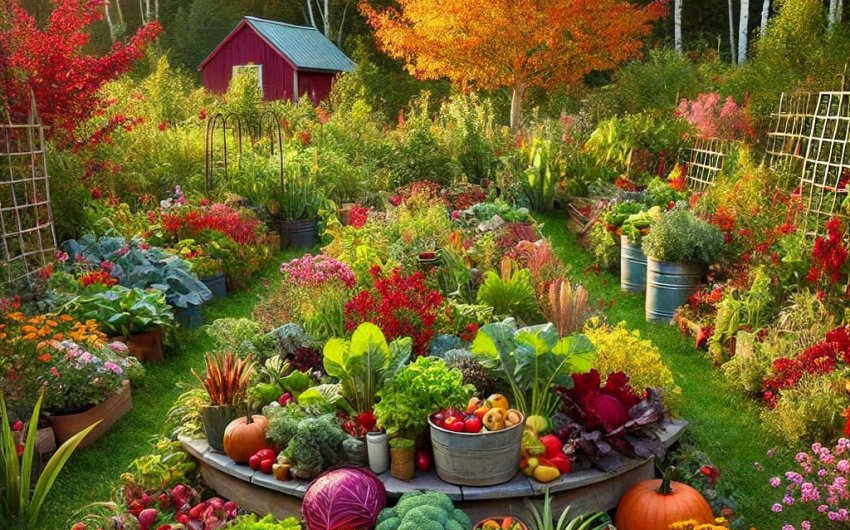
As the long, hot days of summer begin to shorten and a crisp coolness enters the air, a different kind of beauty emerges in the garden. Fall is a season of transition, signaling not an end, but a shift in the gardening cycle. While the vibrant blooms of summer annuals may start to fade, fall offers its own unique palette of colors, the promise of a second harvest, and crucial tasks to prepare your garden for the colder months ahead.
Knowing how to transition your garden from summer to fall is essential for maintaining its health, extending your enjoyment of outdoor spaces, and ensuring a successful return to spring planting. This guide will walk you through the key steps, from harvesting and planting fall crops to perennial care and essential cleanup, helping you embrace the beauty and productivity of the autumn garden.
Why Is the Fall Transition So Important for Your Garden?
It's about laying the groundwork for future success and extending enjoyment.
Is It Just About Cleaning Up?
No, it's much more strategic than just tidying up.
- Prepares for Winter: Proper fall garden care helps your plants withstand the cold temperatures, frost, and drying winds of winter. It protects perennials, shrubs, and trees from damage.
- Boosts Spring Success: The work you do in fall directly impacts the health and vitality of your garden in the following spring. Healthy soil, protected plants, and a clean environment set the stage for vigorous growth next season.
- Extends Growing Season: For many gardeners, fall is a prime time for a second round of planting, especially for cool-season vegetables, offering a prolonged harvest.
- Pest and Disease Management: A thorough fall cleanup can significantly reduce overwintering pests and disease spores, leading to fewer problems next year.
What Are the Key Tasks for Transitioning Your Edible Garden?
Extend your harvest and prepare for winter.
1. Harvesting and Clearing Summer Crops
Make way for fall and prepare for next year.
- Harvest Remaining Crops: Pick all remaining summer vegetables like tomatoes, peppers, squash, and beans before the first hard frost. Even green tomatoes can be ripened indoors.
- Remove Spent Plants: Once summer annual vegetables have finished producing or have been damaged by frost, remove them from the garden beds.
- Compost Healthy Plants: If the plants were healthy and disease-free, chop them up and add them to your compost pile as "green" material.
- Dispose of Diseased Plants: Crucially, do NOT compost diseased plants (e.g., those with blight, powdery mildew, or viral infections). Bag them and dispose of them in municipal yard waste to prevent disease spores from overwintering and spreading next season. This is vital for garden pest and disease control.
- Remove Stakes and Trellises: Clean off and store any stakes, cages, or trellises that supported your summer vegetables. A good pair of gardening gloves can protect your hands.
2. Planting Fall Vegetables
Embrace the cool-season bounty!
- Choose Cool-Season Crops: Fall is an excellent time to plant many vegetables that thrive in cooler temperatures and can even tolerate a light frost.
- Leafy Greens: Lettuce, spinach, kale, Swiss chard, arugula, mustard greens.
- Root Vegetables: Carrots, radishes, beets, turnips.
- Brassicas: Broccoli, cabbage, collards.
- Timing is Key: Plant fall crops at least 6-8 weeks before your average first hard frost date to allow them enough time to mature. Succession plant every few weeks for a continuous harvest.
- Prepare Soil: Amend the soil in cleared beds with a fresh layer of compost before planting. This provides essential nutrients for your new crops.
- Protect from Frost (Optional): For later fall crops, consider using row covers or cold frames to extend the harvest season well into winter. A garden row cover can shield plants from early frost.
3. Cover Cropping
Rest and rebuild your soil.
- Protect and Enrich Soil: If you have empty garden beds that won't be planted with fall crops, consider sowing a cover crop (also known as "green manure").
- Benefits of Cover Crops:
- Prevents Erosion: Protects bare soil from wind and rain erosion.
- Suppresses Weeds: Outcompetes winter weeds.
- Adds Organic Matter: When tilled into the soil in spring, they add valuable organic matter.
- Nitrogen Fixation: Leguminous cover crops (like clover, vetch, field peas) can fix nitrogen from the air and add it to the soil.
- Common Cover Crops: Winter rye, hairy vetch, crimson clover, annual ryegrass. Select one appropriate for your climate and soil type. You can find garden cover crop seeds.
What Are the Key Tasks for Transitioning Your Ornamental Garden?
Prepare your flowers, shrubs, and perennials for winter.
1. Perennial and Shrub Care
Set them up for success next spring.
- Pruning (Minimal in Fall): Most perennials and shrubs should not be heavily pruned in fall. Leave the foliage on, as it helps protect the crown (base) of the plant from cold temperatures. You can deadhead spent flowers for aesthetic reasons or cut back plants that are prone to disease or falling over.
- Dividing Perennials: Fall (after flowering, but before the ground freezes) is an ideal time to divide overcrowded perennials like hostas, daylilies, and irises. This revitalizes the plant and gives you more plants for free! Use a gardening spade or fork for dividing.
- Planting Perennials, Shrubs, Trees: Fall is an excellent time to plant new perennials, shrubs, and trees. The cooler temperatures and still-warm soil allow roots to establish before winter sets in.
2. Mulching and Winter Protection
Insulate and protect vulnerable plants.
- Apply Mulch: Once the ground has cooled (but before it freezes solid), apply a fresh 2-4 inch layer of organic mulch (like shredded leaves, straw, or wood chips) around your perennials, shrubs, and trees.
- Benefits: Mulch insulates the soil, protecting roots from extreme temperature fluctuations and "frost heave" (when freezing and thawing push plants out of the ground). It also helps retain moisture and suppresses winter weeds.
- Protect Tender Perennials: For borderline hardy perennials or roses, you might need extra protection like rose cones, burlap wraps, or a thicker layer of mulch around the crown.
- Container Plants: Move tender container plants indoors or to a sheltered location (garage, shed) before the first hard frost. For hardy container plants that stay outdoors, ensure pots are frost-proof and insulate them with burlap or bubble wrap.
3. Annuals and Bulbs
Clear out the old and plant for future blooms.
- Remove Spent Annuals: Once annual flowers have faded or succumbed to frost, pull them from your flower beds. If they are healthy, add them to your compost pile.
- Plant Spring-Flowering Bulbs: Fall is the time to plant spring-flowering bulbs like tulips, daffodils, hyacinths, and crocuses. Plant them before the ground freezes solid, allowing them time to establish roots. Follow planting depth and spacing recommendations on the package. You can find spring flowering bulbs.
- Dig Tender Bulbs: In colder climates, dig up tender bulbs like dahlias, gladioli, and cannas after the first frost has blackened their foliage. Clean them, cure them, and store them in a cool, dry, dark, frost-free location for winter.
What Are Essential Garden Cleanup and Maintenance Tasks in Fall?
A tidy garden now means less work and fewer problems next spring.
1. Lawn Care
Prepare your grass for winter dormancy or strong spring growth.
- Continue Mowing: Keep mowing your lawn until it stops growing, but lower your mower blade setting for the last one or two cuts.
- Fertilize: Fall is the most important time to fertilize cool-season grasses, promoting root growth and winter hardiness. For warm-season grasses, a light feeding in early fall can be beneficial, but avoid heavy nitrogen as they head into dormancy. Use a fall lawn fertilizer appropriate for your grass type.
- Aeration and Overseeding: Fall is the ideal time to aerate your lawn to alleviate soil compaction and overseed to fill in thin spots and thicken the turf.
- Leaf Removal: Rake or blow fallen leaves off your lawn regularly. Thick layers of leaves can smother grass, promoting disease. Collect them for compost or leaf mold. A leaf blower vacuum mulcher can shred them as you go.
2. General Garden Cleanup
Tidying up to prevent problems.
- Weeding: Pull any remaining weeds before they go to seed. Many annual weeds will drop thousands of seeds if left unchecked, creating more work next year.
- Collect Fallen Leaves: Collect as many fallen leaves as possible for your compost pile or to make leaf mold. If composting, shred them first to speed decomposition.
- Clean Garden Tools: Thoroughly clean all your gardening tools (shovels, pruners, rakes). Sharpen blades, remove rust, and oil metal parts before storing them in a dry place for winter. A sharp pair of pruning shears will last longer with proper care.
- Drain Hoses and Irrigation: Disconnect and drain all garden hoses before freezing temperatures set in to prevent cracking. If you have an irrigation system, ensure it's properly winterized (blown out) to prevent pipes from bursting.
- Clean and Store Pots: Empty and clean all empty gardening pots and planters. Store terracotta and glazed ceramic pots indoors or in a sheltered, frost-free location to prevent them from cracking due to freezing water.
3. Amend Your Soil
Prepare for next spring's planting.
- Add Organic Matter: Apply a generous layer of compost, leaf mold, or well-rotted manure to your empty garden beds. You can lightly dig it in or simply leave it on the surface for earthworms to pull down over winter. This nourishes the soil for next season.
- Soil Test: Fall is a great time to do a soil test if you haven't done one recently. This will give you a clear picture of your soil's pH and nutrient levels, allowing you to make targeted amendments.
What Are Some Final Tips for a Smooth Fall Transition?
Embrace the season's unique rhythm.
- Patience with Frost: Don't rush to clear everything out at the first hint of frost. Many plants can handle a light frost and continue producing or provide beauty.
- Enjoy the Colors: Take time to appreciate the changing colors of leaves and the unique beauty of the autumn garden.
- Plan for Next Year: Fall is a great time to reflect on your past gardening season – what worked, what didn't. It's also perfect for planning next year's garden layout, ordering seeds, and dreaming of spring. Keep a garden journal to record your observations.
- Embrace the Wildlife: Leave some seed heads on perennials for birds, and provide a water source for wildlife that may still be active.
Transitioning your garden from summer to fall is a vital part of the annual gardening cycle. It's not just about ending one season, but preparing for the next, extending your harvest, protecting your plants, and laying the groundwork for a thriving garden in the spring. By embracing these fall garden tasks, you can enjoy the unique beauty of autumn's bounty while ensuring your outdoor space remains healthy, productive, and beautiful year-round!