
DIY Tree Stump Fairy House Tutorial
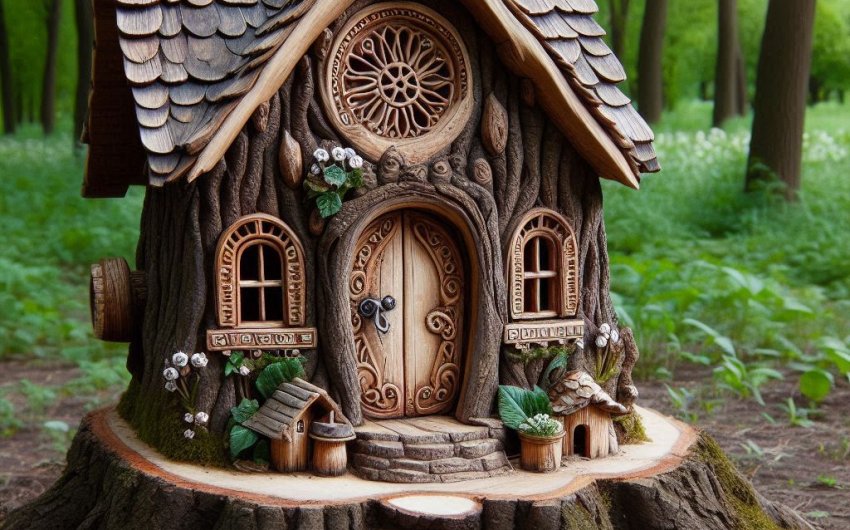
Do you have an old tree stump in your yard that's just… sitting there? Instead of seeing it as an eyesore or a chore to remove, imagine transforming it into something truly magical! A DIY tree stump fairy house is an enchanting way to repurpose natural elements, add whimsy to your garden, and create a captivating focal point that sparks imagination for all ages. It's a project that blends crafting with nature, resulting in a unique and delightful miniature home for your garden's unseen residents.
This comprehensive guide will walk you through everything you need to know to build your own stunning tree stump fairy house. From planning and material gathering to intricate details and long-term care, we'll make this magical project achievable and fun. Get ready to turn that ordinary stump into an extraordinary fairy dwelling!
Why build a tree stump fairy house?
Creating a fairy house is more than just a craft; it's an invitation to imagination and a celebration of nature. Using a tree stump as the base offers unique advantages that make the project even more special.
What are the benefits of a tree stump fairy house?
- Natural Integration: A tree stump provides an incredibly natural and organic foundation. It looks like it truly belongs in the garden, as if it's always been there, waiting for its tiny inhabitants.
- Sustainability: You're repurposing a natural element that might otherwise be removed or left to decay. It's a fantastic example of eco-friendly crafting and garden upcycling.
- Sturdy Foundation: A tree stump offers a solid, heavy, and naturally anchored base that won't blow over in the wind. This makes your fairy house durable and long-lasting.
- Unique Shape: Every tree stump is different, with its own cracks, crevices, and weathered textures. This means every tree stump fairy house will be one-of-a-kind, full of character.
- Enhances Garden Appeal: It creates an instant focal point, drawing attention and adding a sense of wonder and whimsy to your outdoor space. It's a fantastic piece of garden art.
- Sparks Imagination: For children (and adults!), a fairy house invites storytelling, imaginative play, and a deeper connection to the magic of nature.
What kind of tree stump works best?
- Size: Consider the size of your stump. Taller, wider stumps offer more surface area for intricate details and multiple levels. Even smaller stumps can work for a simple, charming dwelling.
- Condition: A partially decayed or hollowed-out stump can offer fantastic pre-made doors and windows, adding to the rustic appeal. However, ensure it's not so decayed that it's crumbly or unstable. Solid, healthy stumps are best for longevity.
- Location: Think about where the stump is located in your yard. Is it visible from a patio or window? Is it in a quiet, secluded spot that invites discovery?
What materials will I need for my DIY tree stump fairy house?
You'll combine natural elements found in your yard with a few craft supplies to bring your fairy house to life.
Essential Building Materials (from Nature and Store)
- The Tree Stump: Your ready-made foundation!
- Twigs and Small Branches: For framing doors, windows, fences, and ladders. Collect various thicknesses and lengths.
- Bark: Flat pieces of bark (from fallen trees) for roofing, siding, or doors. Birch bark is particularly beautiful.
- Moss: For roofing, ground cover, or lush accents. Look for different types – velvety green, stringy, or fluffy. You can also find preserved moss for crafts if natural supply is limited.
- Pebbles and Small Stones: For pathways, steps, chimneys, or decorating walls. Flat stones are especially useful. You can buy bags of small polished river rocks.
- Acorns and Acorn Caps: For tiny bowls, lamps, or decorative accents.
- Pinecones and Pinecone Scales: For roofing, texture, or miniature trees. You can buy natural pinecones for crafts.
- Dried Leaves and Seed Pods: For roofing, flooring, or unique decorative elements.
- Strong, Waterproof Glue: This is critical! Look for an outdoor-grade, waterproof craft glue that dries clear. E6000 Craft Adhesive or Gorilla Glue Clear Grip are good options. A hot glue gun with outdoor-grade glue sticks is fast but can be messy.
- Optional: Outdoor Wood Sealant/Varnish: To protect delicate wood elements and your finished house from the elements, prolonging its life. Clear outdoor wood sealant is ideal.
Tools You Might Need
- Small Hand Saw or Pruning Shears: For trimming twigs and shaping bark.
- Utility Knife: For delicate cutting of bark or other soft materials.
- Small Hammer and Nails/Tacks: For attaching larger pieces of bark or sturdy twigs (optional, glue often suffices).
- Wire Brush: To clean loose bark or debris from the stump surface.
- Screwdriver/Drill: If you decide to add battery-operated lights and need to secure a battery pack.
- Small Paintbrushes: For applying glue or sealant.
Important Note on Sourcing Natural Materials: Always gather responsibly. Only take what has fallen naturally. Avoid breaking branches from living trees or disturbing wild plant populations. Leave plenty for wildlife.
How to build your DIY tree stump fairy house: Step-by-step tutorial
This is where your vision comes to life! There's no single "right" way to build a fairy house; let the shape of your stump guide your creativity.
Step 1: Prepare the Tree Stump
- Clean the Stump: Use a wire brush to remove any loose bark, dirt, or debris from the surfaces you plan to work on. This helps the glue adhere better.
- Level the Top: If you plan to build a roof directly on top, ensure the surface is relatively flat and level. You might need to gently sand it or chisel off high spots.
- Identify Natural Features: Look for natural hollows, cracks, or indentations in the stump. These can become perfect spots for doors, windows, or hidden nooks.
Step 2: Design and Create the Door(s)
The door is the welcoming heart of your fairy house!
- Choose Location: Find a flat or slightly recessed spot on the stump. If your stump has a natural crack, you can use that as the door opening.
- Door Material: Cut a piece of bark (flat and sturdy) into your desired door shape (rectangle, arch, or whimsical irregular shape). You can also use thin slices of a small log.
- Hinges (Optional): You can glue tiny twigs vertically on one side to mimic hinges, or even use tiny pieces of leather/fabric with tiny tacks if you want a movable door (though a glued door is simpler and more durable).
- Doorknob: Glue a small acorn cap, a tiny pebble, or a small shell onto the door as a doorknob.
- Frame: Glue thin twigs around the door opening to create a natural frame.
- Attach the Door: Glue the door securely in place on the stump. If you want it to look "ajar," glue it slightly open.
Step 3: Add Windows
Windows add charm and allow a peek into the fairy world!
- Location: Place windows randomly or symmetrically around the stump.
- Window Frame: Glue thin twigs to create a square, rectangular, round, or arched window frame directly onto the stump.
- "Glass" (Optional): For a shimmering effect, you can glue small, flat, clear pebbles, tiny pieces of sea glass, or even clear plastic cut to size behind the twig frame. Or leave them open.
- Window Box (Optional): Glue a small piece of bark or a shallow twig basket below a window, then fill with tiny dried flower petals or small bits of moss.
Step 4: Construct the Roof
The roof is often the most magical and visually striking element.
- Roof Frame (If Needed): If your stump top isn't flat or you want an overhanging roof, you might need to create a simple frame from sturdier twigs. Build a small gable or cone shape and glue it to the top of the stump.
- Roofing Materials (Layer from Bottom Up):
- Bark Shingles: Cut or break thin pieces of bark into small, overlapping "shingles." Start at the bottom edge of your roof and glue them in rows, working your way up to the peak. Overlap each row.
- Pinecone Scales: Carefully pluck or cut individual scales from pinecones. Glue them on in overlapping rows for a unique, textured effect.
- Dried Leaves: Use large, sturdy dried leaves (like oak, maple, or magnolia) and layer them like shingles.
- Moss Roof: Apply flat sheets of moss with a generous amount of glue, covering the entire roof surface. Pat gently to secure. Keep slightly damp while it sets.
- Chimney (Optional): Stack small pebbles or tiny twigs and glue them together to form a miniature chimney on the roof.
Step 5: Create Pathways and Landscaping
Extend the magic beyond the house itself!
- Pathways: Create a winding path leading to the door using small, flat pebbles, sand, or tiny wood chips.
- Steps: If the ground level is lower than the door, glue flat pebbles or small twig slices to create a miniature staircase.
- Garden Beds: Glue down patches of moss around the base of the house to create "grass" or "flower beds."
- Miniature Plants: Glue tiny dried flower petals, small intact dried flowers, or even small pieces of lichen to create miniature gardens.
- Pond: A small, flat stone with a tiny indentation filled with clear resin or a blue glass gem can be a miniature pond.
Step 6: Add Charming Details and Furniture
These are the tiny touches that truly bring your fairy house to life!
- Furniture:
- Table and Chairs: Use a small flat stone or a round piece of bark for a tabletop, supported by short twig legs. Acorn caps or small pebbles can be tiny chairs.
- Bed: A soft pile of moss or dried leaves inside a hollow can be a cozy fairy bed.
- Ladders: Construct tiny ladders from thin twigs and twine, leaning them against windows or up to upper levels of the stump.
- Lighting (Optional): For a magical glow, carefully hide a tiny battery-operated LED fairy light string inside a hollow or behind a window. Make sure the battery pack is in a protected, dry spot.
- Signage: A tiny piece of bark with a whimsical hand-painted sign like "Fairies Welcome" or "Whisper Woods Inn."
- Fencing: Create a tiny fence around a garden bed using short, upright twigs.
- Found Treasures: Integrate tiny bird feathers, interesting seed pods, or shiny pebbles as decorative elements.
How to care for your tree stump fairy house?
Since your tree stump fairy house is made from natural materials, it will gradually return to nature. This is part of its charm! However, you can take steps to prolong its life and keep it looking magical.
Tips for Longevity
- Sealant: Once your house is complete and dry, apply an outdoor-grade, clear wood sealant or varnish to all wooden and natural elements (except moss) to protect them from rain, sun, and decay. Reapply annually.
- Location: If possible, place your fairy house in a somewhat sheltered spot, away from the harshest direct sun, heavy rain, or strong winds.
- Drainage: Ensure water doesn't pool on or around the house. Elevate elements slightly if needed.
- Regular Checks: Periodically inspect your fairy house for any loose pieces, fading colors, or signs of decay. Re-glue, re-moss, or refresh elements as needed. This can be a fun ongoing project!
- Winter Care: In very harsh winters, consider carefully covering the house or removing very delicate pieces to store indoors.
Building a DIY tree stump fairy house is a truly enchanting and rewarding project. It transforms an ordinary garden feature into a whimsical world of imagination, inviting peace and wonder into your outdoor space. So, gather your natural treasures, let your creativity flow, and bring a touch of magic to your backyard!