
How to Landscape a Steep Hill Easily?
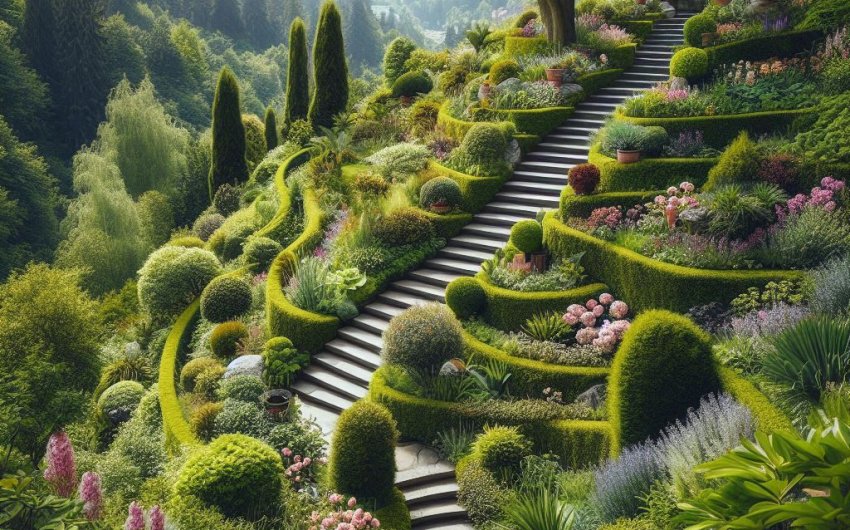
Do you look at that steep slope in your yard and just sigh? Many homeowners see a steep hill as a big problem – difficult to mow, prone to erosion, and seemingly unusable. But what if that challenging incline could be transformed into one of the most stunning and functional parts of your landscape? Learning how to landscape a steep hill is about turning a problem into an incredible opportunity for unique design, improved drainage, and increased property value.
This guide will unlock simple yet effective sloped landscaping ideas that you can implement to tame that tricky hill. We'll explore practical solutions, smart plant choices, and creative design elements to make your sloped area not just manageable, but truly beautiful. Get ready to conquer your hill and create a landscape masterpiece!
Why is landscaping a steep hill so important?
Ignoring a steep hill in your yard isn't just about missing a design opportunity; it can lead to real problems. Thoughtful hillside landscaping offers both practical solutions and aesthetic benefits.
What are the dangers of an unlandscaped steep hill?
- Erosion: This is the biggest enemy. Rainwater running unchecked down a bare or sparsely planted slope can quickly wash away valuable topsoil, nutrients, and even undermine foundations. This can lead to unsightly bare patches, muddy runoff, and long-term soil degradation.
- Safety Hazards: Mowing or working on a steep incline can be dangerous, increasing the risk of slips, falls, or equipment accidents.
- Water Management Issues: Water tends to run off steep slopes rapidly, meaning plants at the top might not get enough moisture, while those at the bottom could get overwhelmed by excess runoff, potentially leading to foundation issues for nearby structures.
- Unusable Space: An unlandscaped steep hill is often dead space, serving no aesthetic or functional purpose in your yard.
What are the benefits of landscaping a steep hill?
- Erosion Control: The primary benefit! Proper hillside landscaping techniques, especially those involving plants with deep root systems and retaining walls, effectively stabilize the soil and prevent runoff.
- Increased Usable Space: Transform a neglected slope into beautiful garden beds, functional pathways, or even terraced seating areas.
- Dramatic Visual Impact: Slopes naturally create vertical interest that flat yards lack. You can design stunning multi-level plantings, cascading waterfalls, or elegant steps that become a focal point.
- Enhanced Curb Appeal: A well-designed sloped garden is a unique and attractive feature that significantly boosts your home's curb appeal and can increase property value.
- Low Maintenance (with proper design): While initial effort is required, choosing the right plants and design can result in a landscape that requires less mowing and watering in the long run.
What's the first step in tackling my steep hill?
Before you break ground, a good plan is essential. This will save you time, effort, and money in the long run.
How do I assess the slope?
- Determine Steepness: The degree of your slope will dictate the best landscaping approach.
- Gentle Slope: A gradual incline (less than 1:4 rise to run) can often be managed with just plants and mulch.
- Moderate Slope: Requires more deliberate plant choices for erosion control, and possibly some informal terracing with rocks or logs.
- Steep Slope: A significant incline (1:2 or steeper) will almost certainly require structural solutions like formal retaining walls or extensive terracing.
- Sunlight: Observe how much sun the slope receives throughout the day. This is crucial for choosing the right plants. Does it get full sun, partial shade, or even deep shade?
- Drainage: Where does water typically flow down the slope? Are there existing erosion channels? Plan to direct water away from structures and prevent new channels.
- Soil Type: Is your soil sandy, clay, or loamy? This affects drainage and plant choices. A soil test kit can provide valuable information.
What's my goal for the area?
- Functionality: Do you need a path or steps to get from one part of the yard to another? Do you want a seating area on the slope?
- Aesthetics: Do you prefer a natural, informal look or a more structured, formal garden?
- Budget: Be realistic about how much you're willing to spend on materials and potentially professional help. Breaking the project into phases can help manage costs.
- Maintenance Level: How much time and effort are you willing to put into ongoing maintenance? This impacts your plant and material choices.
What are the best techniques for landscaping a steep hill?
Depending on the steepness and your aesthetic preference, you have several powerful options to transform your slope.
1. Terracing with Retaining Walls
This is the most common and effective solution for steep hills. Terracing creates a series of flat, usable levels, preventing erosion and providing ideal planting beds.
- How it works: A retaining wall is built into the slope, creating a level platform behind it. Another wall is built above that, creating another level, and so on.
- Benefits:
- Maximized Usable Space: Each terrace becomes a flat, accessible garden bed or even a small patio.
- Superior Erosion Control: The walls effectively stop soil from washing downhill.
- Easy Maintenance: Planting and tending to plants on flat terraces is much easier than on a slope.
- Dramatic Visual Impact: Creates striking vertical lines and layered plantings.
- Materials for Retaining Walls:
- Interlocking Concrete Blocks: A popular DIY retaining wall choice. These blocks are designed to stack without mortar (for walls under 3-4 feet) and come in various colors and textures. Many homeowners find landscape retaining wall blocks relatively easy to work with.
- Natural Stone: Fieldstone, limestone, or granite create beautiful, rustic, and timeless walls. This often requires professional masonry skills for strong, stable walls.
- Timber: Pressure-treated lumber or railway ties can be used for a more rustic, informal look. They are generally less durable than stone or concrete in the long term.
- Gabion Walls: Cages filled with rocks offer a unique, industrial-chic aesthetic and are permeable, allowing water to drain through. This can be a significant DIY project but very impactful.
- Considerations: Terracing can be labor-intensive and potentially expensive, especially for tall or extensive walls. Proper drainage behind the walls is absolutely crucial to prevent hydrostatic pressure buildup, which can cause walls to fail. Always consider consulting with a landscape architect or engineer for very tall or complex walls.
2. Sloped Planting Beds with Erosion Control
For gentler to moderate slopes, or if you prefer a more natural, informal look, you can plant directly on the slope while implementing erosion control measures.
- How it works: Choose plants specifically for their erosion control properties (extensive root systems). You might still use some strategically placed rocks or logs to slow water flow.
- Benefits:
- Natural Appearance: Blends seamlessly with the existing landscape.
- Less Construction: Requires less heavy-duty structural work than terracing.
- Cost-Effective: Generally cheaper to implement as it relies more on plant material.
- Techniques:
- Boulder Placement: Bury large landscape boulders partially into the slope. They act like mini-retaining walls, create pockets for plants, and slow water runoff. You can order decorative garden boulders.
- Terrace with Logs/Stones: For very informal small steps, use short sections of logs or flat stones laid horizontally into the slope.
- Contour Planting: Plant in horizontal rows or sweeps across the slope's contour (parallel to the base of the hill), rather than planting straight up and down. This helps to slow water flow and keeps plants from washing out.
- Erosion Control Fabric: For newly planted or very steep un-terraced slopes, lay down biodegradable erosion control fabric over the soil before planting. Cut holes for plants. This provides immediate soil stabilization while plants establish. You can buy burlap erosion control fabric.
3. Pathways and Steps: Access and Interest
An essential part of sloped garden design is ensuring safe and beautiful access.
- Stairs/Steps: For steep slopes, a series of steps is usually necessary.
- Materials: Natural stone steps, precast concrete steps, timber risers with gravel treads, or flagstone over a gravel base.
- Design: Wide, shallow steps are often more comfortable and safer than narrow, steep ones. Consider incorporating curves or zig-zags to make the climb less direct and more visually interesting.
- Ramps/Winding Paths: For gentler slopes, a winding path or a gradually sloping ramp can be more accessible and adds visual interest.
- Materials: Gravel, mulch, pavers, or even just a well-maintained grass path.
- Benefits: Creates a journey through the garden, allowing you to experience different plantings along the way.
- Integrating Steps with Terraces: Steps can be built directly into retaining walls, seamlessly connecting the different levels of a terraced garden. Consider adding low-voltage landscape step lights for safety and ambiance at night.
What are the best plants for landscaping a steep hill?
Choosing the right plants is absolutely critical for success on a slope. You need plants that can withstand potential challenges and, most importantly, have strong root systems for erosion control.
1. Groundcovers: Soil Anchors and Low Maintenance
These are the unsung heroes of sloped landscaping. They spread to cover the soil, holding it in place, and often require little maintenance.
- Creeping Juniper (Juniperus horizontalis): Very tough, evergreen, and spreads widely. Many varieties available with different colors.
- Creeping Phlox (Phlox subulata): Forms dense mats of vibrant flowers in spring, perfect for cascading over rocks or edges.
- Sedum (Stonecrop) - creeping varieties: Succulent groundcovers that are extremely hardy, drought-tolerant, and come in a variety of colors and textures.
- Periwinkle (Vinca minor): A tough, evergreen groundcover for shady slopes, with small blue flowers.
- Cotoneaster (Cotoneaster horizontalis): Spreading shrub with a herringbone pattern of branches, excellent for erosion control.
- Ice Plant (Delosperma): Brightly colored, daisy-like flowers and succulent foliage; thrives in hot, dry, sunny slopes.
2. Ornamental Grasses: Texture, Movement, and Roots
Many ornamental grasses have fibrous root systems that are excellent at holding soil.
- Blue Fescue (Festuca glauca): A small, clumping grass with beautiful blue-gray foliage.
- Little Bluestem (Schizachyrium scoparium): A native grass that turns beautiful shades of red and orange in autumn.
- Feather Reed Grass (Calamagrostis): Upright and elegant with feathery plumes, good for mid-slope.
3. Shrubs: Structure and Larger Root Systems
Choose shrubs that are well-suited to your climate and sun conditions.
- Dwarf Conifers: Add evergreen structure and don't grow too large.
- Lavender (Lavandula): Fragrant, drought-tolerant, and beautiful for sunny slopes.
- Rosemary (Salvia rosmarinus): Creeping varieties are great for cascading.
- Sumac (Rhus spp.): Native varieties are very tough, offer great fall color, and extensive root systems.
- Hydrangeas: For partially shaded slopes, choose varieties suitable for your zone.
4. Perennials: Color and Pollinator Appeal
- Coneflower (Echinacea): Tough, daisy-like flowers for sunny spots.
- Salvia (Perennial Sage): Many drought-tolerant varieties with long bloom times.
- Yarrow (Achillea): Thrives in hot, dry conditions, great for pollinators.
Important Plant Selection Tips:
- Native Plants: Always prioritize native plants for your region. They are naturally adapted to your climate, requiring less water and maintenance, and providing habitat for local wildlife.
- Drought Tolerance: On slopes, water tends to run off quickly, so plants that can handle drier conditions once established are ideal.
- Root Systems: Focus on plants known for their deep or fibrous root systems, as these are your natural erosion control specialists.
- Mix and Match: Combine groundcovers, grasses, and shrubs for varied textures, heights, and year-round interest.
- Group by Water Needs: Place plants with similar watering requirements together.
How do I maintain a landscaped steep hill?
While the initial effort can be significant, a well-designed sloped garden should aim for low maintenance in the long run.
What are key maintenance practices?
- Watering (Initial): New plantings on a slope need consistent watering to establish. Use a drip irrigation system or soaker hoses to deliver water directly to the roots and minimize runoff.
- Mulch: A thick layer of organic mulch (3-4 inches) over planting beds is crucial. It helps retain moisture, suppresses weeds, and acts as a barrier against erosion. Replenish annually.
- Weeding: Stay on top of weeds, especially in the first few years. They compete with your desired plants for water and nutrients.
- Pruning: Trim plants to maintain their size and shape.
- Erosion Checks: Periodically inspect your slope, especially after heavy rains, for any signs of new erosion or shifting rocks. Address issues promptly.
Tips for Difficult Areas:
- Access: If maintenance is difficult, prioritize extremely low-maintenance plants that need minimal pruning or watering once established.
- Safety Gear: Use appropriate footwear and safety gear if you must work on a steep incline.
Transforming a steep hill from a landscape challenge into a beautiful and functional garden feature is a highly rewarding project. By understanding the principles of sloped garden design, choosing the right techniques like terracing or strategic planting for erosion control, and selecting resilient plants, you can create a stunning, unique, and easy-to-maintain outdoor space that you'll enjoy for years to come. Don't let the slope intimidate you – let it inspire you!