
DIY Solar Water Fountains for Your Garden
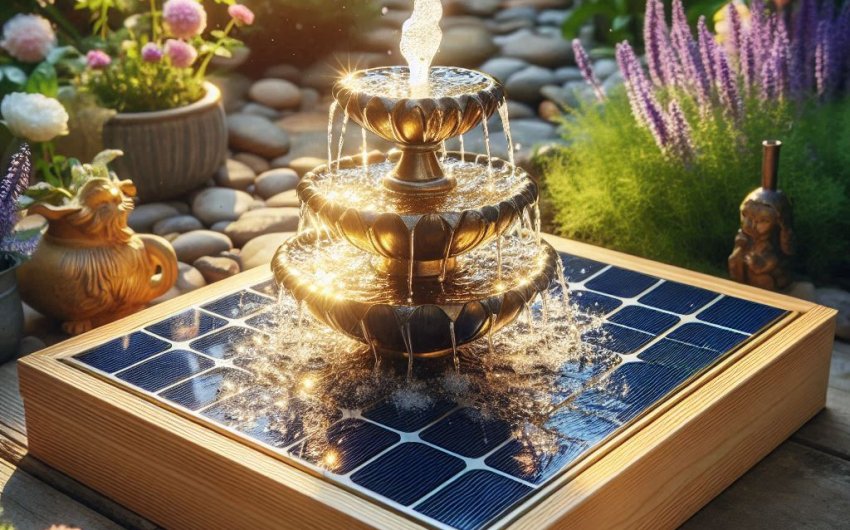
Creating a DIY solar water fountain for your garden is an eco-friendly and enjoyable project that adds beauty and tranquility to your outdoor space without increasing your electricity bill. These fountains use the sun's energy to power a pump, circulating water and creating a soothing sound.
Why Choose a DIY Solar Water Fountain?
Choosing to build a DIY solar water fountain offers numerous benefits beyond just saving on electricity. It's a creative outlet that allows for personalization, sustainability, and a deeper connection to your garden.
What are the Benefits of Solar Water Fountains?
- Eco-Friendly: They use renewable solar energy, reducing your carbon footprint. This means no power cords or reliance on grid electricity.
- Cost-Effective: Once the initial setup is complete, there are no ongoing electricity costs. This saves money on your utility bills.
- Flexible Placement: Without the need for an electrical outlet, you can place a solar water fountain almost anywhere in your garden that receives direct sunlight.
- Aesthetic Appeal: The gentle sound of flowing water is calming and adds a beautiful focal point to any garden or patio.
- Attracts Wildlife: Birds and other small creatures are drawn to fresh water sources, enhancing your garden's biodiversity.
- Easy Maintenance: Generally, solar powered fountains require less maintenance than electric ones, mainly just keeping the water clean and topped up.
- Customization: Building it yourself allows for endless design possibilities, using materials that match your garden's aesthetic.
Are There Any Downsides to Solar Water Fountains?
While largely beneficial, it's good to be aware of a few potential limitations:
- Sunlight Dependent: The fountain only operates when there's sufficient direct sunlight. On cloudy days or at night, it may slow down or stop unless equipped with a battery backup.
- Less Powerful: Solar pumps are typically less powerful than electric pumps, limiting the height and volume of the water flow.
- Initial Cost: While saving money long-term, the initial purchase of a quality solar pump kit can be a modest investment.
- Solar Panel Placement: The solar panel needs unobstructed sunlight, which might restrict where you can place the fountain itself if the pump and panel are connected.
What Supplies Do I Need for a DIY Solar Water Fountain?
Gathering the right materials is the first step in creating your own DIY solar water fountain. Most items are readily available, and you might even have some around your home.
Essential Components for a Solar Fountain:
- Solar Water Pump Kit: This is the heart of your fountain. It typically includes a solar panel, a submersible pump, and tubing. Look for kits with different nozzle attachments for varied water patterns. A good option is the Esbaybulbs Solar Fountain Pump.
- Water Container: This can be anything that holds water and is watertight. Popular choices include:
- Ceramic or plastic pots: Ensure they have no drainage holes, or plug them securely.
- Old bird baths: Perfect for an instant upgrade.
- Large bowls or basins: Decorative bowls can be repurposed.
- Whiskey barrels (lined): Rustic and charming.
- Small preformed pond liners: For a slightly larger setup.
- Water (Distilled or Rainwater Recommended): Using distilled water or collected rainwater helps prevent mineral buildup and algae growth.
- Decorative Elements: This is where your creativity shines.
- Rocks or pebbles: To cover the pump and add natural beauty.
- Driftwood: For a natural, rustic look.
- Statues or figurines: To create a focal point.
- Aquatic plants (optional): Such as water hyacinth or floating ferns for larger fountains.
- Tools:
- Drill (if modifying a container): For creating holes for tubing or wires, if necessary.
- Sealant (e.g., silicone caulk): If you need to plug drainage holes or seal connections.
- Level: To ensure your fountain basin is even.
- Measuring tape: For planning and placement.
- Scissors or utility knife: For cutting tubing.
Where Can I Find Supplies?
- Home Improvement Stores: For pots, liners, silicone, and some basic tools.
- Garden Centers: Excellent for containers, decorative rocks, and aquatic plants.
- Online Retailers: Best for specialized solar pump kits and unique fountain elements.
- Thrift Stores/Yard Sales: Great for finding unique and inexpensive containers or decorative items.
- Nature: Collect interesting rocks, pebbles, or driftwood from your surroundings (ensure they are clean).
By having all your materials ready, the assembly process for your DIY solar water fountain becomes much smoother.
How Do I Build a Simple DIY Solar Water Fountain?
Building a basic DIY solar water fountain is surprisingly straightforward and can be completed in just a few steps. This guide focuses on a simple tabletop or ground-level fountain.
Step-by-Step Guide for a Basic Solar Fountain:
Choose and Prepare Your Container:
- Select a waterproof container. If it has a drainage hole, seal it completely with a strong, waterproof sealant like silicone caulk. Allow the sealant to cure fully (check product instructions, usually 24-48 hours) before adding water.
- Clean the container thoroughly to remove any dirt or debris.
Assemble the Solar Pump Kit:
- Attach the desired nozzle or spray head to the pump. Many kits come with multiple options for different water patterns.
- Connect the tubing to the pump if it's a separate component. Ensure a snug fit.
Position the Pump in the Container:
- Place the pump at the bottom of your prepared container.
- You might want to place a few larger, flat rocks around or under the pump to slightly elevate it and prevent it from sucking up debris from the very bottom. This also helps stabilize it.
Add Water to the Container:
- Carefully fill the container with water, ensuring the pump is fully submerged. Use distilled water or rainwater to minimize mineral buildup. Fill it almost to the rim, leaving a little space to prevent overflow when the pump is running.
Arrange Decorative Elements:
- Arrange your chosen rocks, pebbles, or other decorative elements around and over the pump. Ensure the pump's intake (where it draws water) is not blocked and that the nozzle has a clear path for the water to flow. You want to hide the pump as much as possible while maintaining its functionality.
Place the Solar Panel:
- Most solar water pump kits have a separate solar panel connected by a wire.
- Position the solar panel in a location that receives maximum direct sunlight throughout the day. Avoid shaded areas from trees, buildings, or other garden features. The longer the panel is in direct sun, the longer your fountain will run.
- Some panels come with a stake to secure them in the ground, or you can prop them up.
Connect and Test:
- Connect the solar panel's wire to the pump.
- If there's enough sunlight, the pump should start almost immediately. If not, wait for direct sun or troubleshoot (see troubleshooting section).
- Observe the water flow and adjust the nozzle or water level if needed.
Your simple DIY solar water fountain is now complete! Remember to top up the water regularly, especially during hot weather, as evaporation will occur.
What are Creative Design Ideas for DIY Solar Water Fountains?
The beauty of a DIY solar water fountain lies in its potential for customization. You can transform ordinary objects into unique garden features. Here are some inspiring ideas to spark your creativity.
Upcycling and Repurposing Ideas:
- Terra Cotta Pot Stack: Use three or more graduated terra cotta pots. Plug the drainage holes of all but the top one. Stack them, securing with waterproof adhesive if desired. Place the pump in the bottom pot, threading the tube up through the pots. Water cascades from the top pot down.
- Old Watering Can Fountain: Find a rustic metal watering can. Place the solar pump in a hidden basin below the spout (e.g., a buried bucket or a shallow bowl). Direct the pump's tubing up into the watering can's handle or spout so water appears to pour out of the can into the basin.
- Whiskey Barrel Half: A classic choice. Line a cut-in-half whiskey barrel with a pond liner to ensure it's watertight. Place the pump inside and add stones or plants for decoration.
- Ceramic Bowl & Rocks: A simple, elegant option. Use a large, shallow ceramic bowl. Arrange a variety of smooth river rocks or colorful pebbles around the pump, creating a natural bubbling effect.
- Tree Stump Basin: If you have an old tree stump, you can hollow out the center to create a basin. Line it with a pond liner or apply a waterproof sealant. Integrate the pump for a truly natural look.
- Teapot Fountain: For a whimsical touch, use an old teapot. Have the water seemingly pour from the spout into a larger collecting basin below.
- Tiered Planter Fountain: Repurpose plastic or ceramic tiered planters. Plug holes, place the pump in the bottom tier, and feed the tubing up to the top tier for a cascading effect.
- Bird Bath Transformation: If you have an existing bird bath, simply add a submersible solar fountain pump to the basin. Many small solar kits are designed to float directly in bird baths. A great choice is the ANKUKA Solar Bird Bath Fountain Pump.
Adding Unique Touches:
- LED Lighting: Some solar fountain pumps come with integrated LED lights that automatically turn on at night, creating a magical glow.
- Floating Elements: For larger basins, add floating lotus flowers, lily pads, or other decorative items.
- Sound Enhancement: Incorporate different sized rocks or create subtle drops for varied water sounds.
- Themed Gardens: Design your fountain to match a specific garden theme, like an Asian-inspired zen garden or a whimsical fairy garden.
- Vertical Gardens: Integrate a small solar pump into a vertical planter system, allowing water to trickle down through various plant pockets.
When designing your DIY solar water fountain, always consider how easy it will be to access the pump for cleaning and to refill the water. Planning these aspects ahead of time will make maintenance much simpler.
How Do I Maintain a DIY Solar Water Fountain?
Regular maintenance ensures your DIY solar water fountain continues to operate smoothly and beautifully for years. Neglecting it can lead to pump issues, algae buildup, and reduced water flow.
Essential Maintenance Tips:
Regular Water Top-Ups:
- Water evaporates quickly, especially on hot, sunny days.
- Check the water level daily or every other day and top it up as needed. The pump must remain fully submerged to prevent damage.
- Consider adding an automatic water top-up system for larger fountains or if you travel frequently.
Keep Water Clean:
- Remove debris: Skim out leaves, twigs, insects, and other debris from the water regularly. Use a small net.
- Prevent algae: Algae can clog the pump and make the fountain look unsightly.
- Use distilled or rainwater: This reduces mineral content that feeds algae.
- Algae control products: For stubborn algae, use a fountain-safe algaecide specifically designed for water features. Read instructions carefully.
- Copper tubing/wire: A small piece of copper tubing or a copper wire in the basin can naturally inhibit algae growth.
- Shade: Placing your fountain in a spot that gets some afternoon shade can also reduce algae growth, though it might impact solar panel performance.
- Full water changes: Periodically (e.g., once a month or every few weeks, depending on cleanliness), completely drain the fountain, clean the basin, and refill with fresh water.
Clean the Solar Pump:
- Regular cleaning: At least once a month, or more often if water flow diminishes, remove the pump from the fountain.
- Disassemble (if possible): Many pumps have removable covers or filters. Follow the manufacturer's instructions to gently disassemble.
- Remove debris: Clean any accumulated debris, algae, or mineral buildup from the intake screen, impeller (the spinning part), and housing using a small brush (like an old toothbrush) and clean water.
- Vinegar soak: For stubborn mineral deposits (white crust), soak the pump parts in a solution of equal parts white vinegar and water for a few hours, then scrub clean.
Clean the Solar Panel:
- Wipe the surface of the solar panel clean regularly with a soft, damp cloth. Dust, dirt, bird droppings, and pollen can significantly reduce its efficiency.
Winterization (for colder climates):
- Before the first frost, drain the fountain completely.
- Clean the basin and the pump thoroughly.
- Store the pump indoors in a dry, frost-free location for the winter. Freezing water can damage the pump and crack containers.
- Protect the basin from freezing and cracking if it's made of a porous material like terracotta or ceramic.
By following these simple maintenance steps, your DIY solar water fountain will provide years of enjoyment with minimal fuss.
What Are Common Problems with DIY Solar Water Fountains and How Do I Fix Them?
Even with careful setup and maintenance, you might encounter issues with your DIY solar water fountain. Knowing how to troubleshoot common problems can save you time and frustration.
Troubleshooting Guide for Solar Fountains:
Fountain Not Running or Weak Flow:
- Check Sunlight: Is the solar panel receiving direct, unobstructed sunlight? Even partial shade can drastically reduce power. Reposition the panel if needed.
- Clean Solar Panel: A dirty solar panel can't absorb enough light. Wipe it clean with a damp cloth.
- Check Water Level: Is the pump fully submerged? If the water level is too low, the pump won't work or will struggle. Top up the water.
- Clogged Pump/Nozzle: This is a very common issue.
- Remove the pump from the water.
- Disassemble any covers, filters, or nozzles.
- Thoroughly clean out any debris, algae, or mineral buildup from the pump's intake, impeller, and nozzle using a small brush.
- Soak in a vinegar solution if mineral buildup is severe.
- Kinked or Blocked Tubing: Check the tubing from the pump to the nozzle for kinks or blockages.
- Air Lock: Sometimes, air gets trapped in the pump. Try submerging the pump upside down briefly to release any trapped air, then right it.
- Pump Malfunction: If all else fails, the pump itself might be faulty or at the end of its lifespan. Consider replacing just the pump, or the entire solar pump kit.
Water Evaporating Too Quickly:
- Solution: This is natural, especially on hot, sunny, or windy days.
- Top up water daily.
- Consider a larger, deeper basin for less frequent refills.
- Add decorative stones or pebbles to cover more of the water surface, which can slightly reduce evaporation.
- Place the fountain in an area with some afternoon shade, though this will affect solar panel performance.
- Solution: This is natural, especially on hot, sunny, or windy days.
Algae Growth:
- Solution:
- Clean the fountain thoroughly: Drain, scrub, and refill.
- Use distilled water or rainwater if possible.
- Add a fountain-safe algaecide.
- Introduce a small piece of copper tubing or copper wire to the basin (ensuring it doesn't block the pump).
- Increase cleaning frequency.
- Solution:
Fountain Only Runs Intermittently:
- Solution: This typically means the solar panel isn't getting consistent, strong sunlight.
- Check for intermittent shadows from trees, buildings, or other garden features.
- Ensure the panel is angled correctly towards the sun throughout the day.
- If your kit has a battery, it might not be charging fully or retaining charge, leading to inconsistent operation. Consider a solar pump with battery backup if you want consistent operation even on cloudy days or at night.
- Solution: This typically means the solar panel isn't getting consistent, strong sunlight.
Water Splashing Out of the Basin:
- Solution:
- Adjust nozzle type: Some nozzles spray wider than others. Try a less powerful spray pattern.
- Lower the water level slightly (but ensure pump is still submerged).
- Use larger decorative rocks to help contain splashes.
- Choose a wider basin for future projects.
- Reduce pump power: Some pumps have adjustable flow rates.
- Solution:
By methodically checking these potential issues, you can usually diagnose and fix problems with your DIY solar water fountain and keep it running beautifully.
What are Advanced DIY Solar Water Fountain Ideas?
Once you've mastered the basics, you might want to tackle more complex and integrated DIY solar water fountain projects. These ideas involve a bit more planning but offer stunning results.
Integrated Garden Features:
- Pond Integration: If you have an existing garden pond, you can use a solar pump to create a fountain or waterfall feature. This adds movement and aeration to your pond. Ensure the pump is rated for continuous use and is suitable for pond environments.
- Bird Bath Waterfall: Instead of just a bubbling fountain, design a small tiered waterfall feature that flows into a bird bath. This could involve small stones stacked carefully or repurposed decorative elements.
- Rain Chain Conversion: Instead of a traditional downspout, install a rain chain. At the bottom of the rain chain, place a basin with a solar pump. The pump can then recirculate the collected rainwater (when it's not raining) back up to a decorative spout or feature, creating a continuous water flow.
- Hidden Reservoir Fountain: For a seamless look, dig a hole and bury a large, sturdy container (like a plastic barrel or a purpose-built fountain reservoir) underground. Cover the top with a sturdy grid or grate, then place decorative rocks or pebbles on top. The water feature (a statue, a bubbler rock, or a small tiered system) sits on the grate, and the pump recirculates water from the hidden reservoir below. This creates a natural-looking feature with no visible basin.
- Wall Fountain with Solar: Convert an old terracotta pot, a ceramic plate, or even a piece of slate into a wall-mounted fountain. The solar panel can be placed nearby in direct sun, and the tubing can be cleverly hidden behind the wall feature, creating a beautiful vertical water display.
Incorporating Lighting and Batteries:
- Solar Pump Kits with Battery Backup: For evening operation or consistent flow on cloudy days, invest in a solar pump kit that includes a battery. The solar panel charges the battery during the day, which then powers the pump when sunlight is low or absent. Look for kits with longer battery life for extended nighttime operation. An example is the Sunjet 150 Solar Pond Pump with Battery.
- Integrated LED Lighting: Many advanced solar pump kits come with built-in LED lights. These typically automatically turn on at dusk, illuminating the water feature and creating a stunning nighttime effect. If your pump doesn't have lights, you can purchase separate solar-powered submersible lights to place in the fountain.
- Timer Functions: Some sophisticated solar pump kits include timer functions, allowing you to set specific hours of operation for the pump, conserving battery life or ensuring it runs only when you are around to enjoy it.
These advanced DIY solar water fountain projects can transform your garden into a truly unique and serene oasis, blending aesthetics with sustainable technology.
Where is the Best Placement for a DIY Solar Water Fountain?
Optimal placement is crucial for the performance and enjoyment of your DIY solar water fountain. It involves balancing the needs of the solar panel with the aesthetic appeal and practicality of the fountain itself.
Key Considerations for Fountain Placement:
Sunlight Exposure (Most Important):
- The solar panel must receive direct, unobstructed sunlight for at least 6-8 hours a day for the pump to operate consistently and efficiently. South-facing locations are generally best.
- Avoid placing the solar panel where it will be shaded by trees, buildings, fences, or even tall plants for significant parts of the day.
- If the fountain location itself is somewhat shaded, ensure the solar panel has a long enough cable to be placed in a sunny spot elsewhere in the garden. Some cables are quite long (e.g., 10-15 feet).
Visibility and Enjoyment:
- Place the fountain where you can easily see and hear it from your patio, deck, or a favorite garden seating area.
- Consider how it complements existing garden features, plants, or landscaping. It should be a focal point, not hidden away.
Water Source and Maintenance Access:
- While not needing electricity, you'll need to top up the water regularly. Placing it near a hose or water spigot can make this task easier.
- Ensure easy access to the fountain basin and the pump for cleaning and maintenance. You don't want to struggle to reach it.
Wind Exposure:
- In very windy areas, water can splash out of the fountain more easily, leading to more frequent refilling. Consider a design with a wider basin or a lower spray height if wind is an issue.
- Wind can also blow debris into the water, increasing pump clogging.
Proximity to Plants and Trees:
- While beautiful to place near plants, be aware that falling leaves and debris can clog the pump and contribute to algae growth. Regular cleaning will be essential.
- Avoid placing directly under trees that shed heavily.
Safety:
- Ensure the fountain is on a stable, level surface to prevent tipping.
- If you have pets or small children, choose a design that is safe and supervised.
Example Placement Scenarios:
- Patio Corner: A small tabletop solar water fountain can add a calming element to a paved patio, where it's easily accessible and visible.
- Garden Border: A larger ground-level fountain nestled among low-lying plants, with the solar panel positioned just beyond for full sun.
- Zen Garden Feature: A minimalist fountain placed on a gravel bed, with the solar panel subtly integrated nearby.
- Pond Edge: A solar pump can create a bubbling fountain directly in a small pond, adding oxygen and visual interest.
By carefully considering these factors, you can find the perfect spot for your DIY solar water fountain, maximizing its beauty and functionality.
What are the Different Types of Solar Pumps Available?
Understanding the types of solar pumps available is key to choosing the right one for your DIY solar water fountain project. They vary in power, features, and how they interact with the sun's energy.
Main Categories of Solar Pumps:
Direct-Drive Solar Pumps (No Battery):
- How they work: These pumps operate directly from the power generated by the solar panel. When the sun shines, the pump runs. When clouds pass over or the sun sets, the pump stops or slows down.
- Pros: Simpler, generally less expensive, less prone to battery issues.
- Cons: Only works when there is sufficient direct sunlight. No operation at night or on heavily overcast days. Water flow fluctuates with sun intensity.
- Best for: Simple, low-cost DIY solar water fountains where continuous operation isn't a priority, like bird baths or small decorative features that run during sunny hours. The AISITIN 1.5W Solar Fountain Pump is a popular direct-drive option.
Solar Pumps with Battery Backup:
- How they work: The solar panel charges a rechargeable battery during the day. The battery then powers the pump, allowing for continuous operation even when the sun isn't shining directly (e.g., at night, on cloudy days, or in shaded spots).
- Pros: Runs more consistently, can operate at night, offers more flexibility in placement (as the pump doesn't need constant direct sun, just the panel for charging). Often comes with LED lights and timers.
- Cons: More expensive, batteries have a finite lifespan and will eventually need replacement.
- Best for: DIY solar water fountains where consistent operation is desired, evening illumination is a feature, or where the fountain's ideal location doesn't get constant direct sun for the pump itself (as long as the panel does).
Submersible vs. External Pumps (less common for DIY solar):
- Submersible Pumps: The most common type for DIY solar water fountains. The entire pump unit sits underwater in the fountain basin.
- Pros: Quiet operation, hidden from view, easy to install.
- Cons: Can be more difficult to clean if not easily accessible.
- External Pumps: These sit outside the water basin, drawing water in through an intake hose and pushing it out through another. Rarely used for small DIY solar water fountain projects due to complexity and requiring prime.
- Pros: Easier to maintain and clean, can be more powerful for larger features.
- Cons: More complex installation, can be noisy, need to be hidden.
- Submersible Pumps: The most common type for DIY solar water fountains. The entire pump unit sits underwater in the fountain basin.
Key Specifications to Look For:
- Wattage (W): Indicates the power of the solar panel and pump. Higher wattage usually means more powerful water flow. Common wattages for DIY solar fountain kits range from 1.5W to 5W or more.
- Max Lift Height: How high the pump can push water vertically. Important for tiered fountains or waterfalls.
- Max Flow Rate (L/H or GPH): The volume of water the pump can move per hour. Higher flow rates create more robust water features.
- Nozzle Attachments: Most kits include various nozzles for different spray patterns (e.g., bubbling, showering, jet).
- Cable Length: The length of the cable connecting the solar panel to the pump. This is crucial if your ideal fountain spot is shaded but the solar panel needs to be in a sunny location.
Choosing the right solar pump kit for your DIY solar water fountain depends on your desired water flow, budget, and whether you need nighttime operation.