
Build a Pond with Waterfall for Your Yard
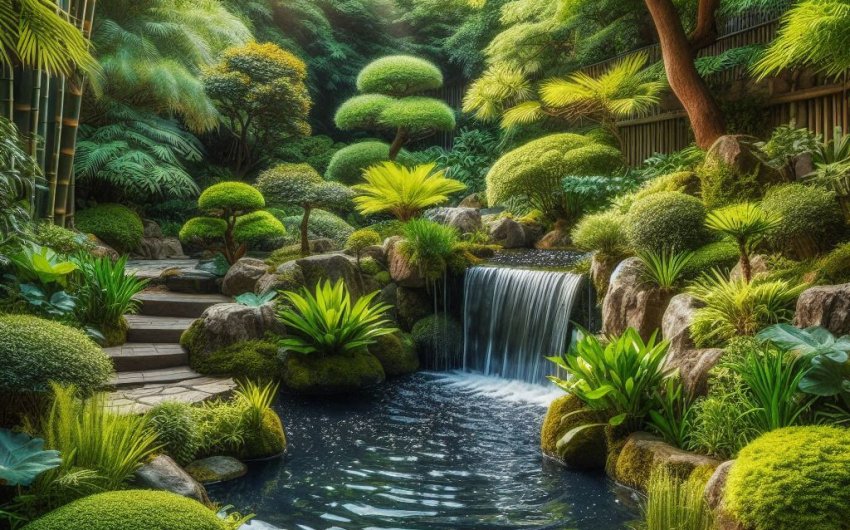
To build a pond with waterfall for your yard, begin by selecting an ideal location that considers sunlight, accessibility, and visibility. The process involves carefully excavating the pond basin and waterfall stream, installing a durable liner, and then configuring a reliable pump and filtration system to create a continuous, soothing water flow.
Why Build a Pond with Waterfall for Your Yard?
Adding a pond with waterfall to your yard transforms an ordinary outdoor space into a tranquil, dynamic, and captivating natural retreat. It's an investment in beauty, relaxation, and ecological balance.
- Soothes the Senses: The gentle sound of flowing and cascading water is incredibly calming, masking unwanted background noise and creating a serene atmosphere for relaxation.
- Visual Appeal: A pond, especially with a waterfall, provides constant visual interest, drawing the eye and adding a dynamic focal point to your landscape.
- Attracts Wildlife: Water features are magnets for birds, beneficial insects (like dragonflies), frogs, and other small creatures, increasing biodiversity in your garden.
- Aesthetic Enhancement: Creates a beautiful, naturalistic setting that can elevate your home's curb appeal and overall outdoor living experience.
- Increased Property Value: A well-designed and maintained water feature can be a significant selling point and asset to your property.
- Cooling Effect: The evaporation of water can create a subtle cooling effect in the immediate vicinity of the pond, which is pleasant on hot days.
- Hobby and Connection: Offers a rewarding hobby for gardeners and nature enthusiasts, fostering a deeper connection to the natural world.
What Are the Key Components of a Pond with Waterfall System?
Understanding the essential parts of a pond with waterfall system is crucial before you start digging. Each component plays a vital role in the water cycle and ecosystem.
1. Pond Liner
- Purpose: Forms the waterproof barrier that holds the water in your pond.
- Types:
- EPDM (Ethylene Propylene Diene Monomer) Rubber Liner: Highly recommended for its flexibility, durability, UV resistance, and long lifespan (often 20+ years). Easy to work with. Find EPDM Pond Liner.
- PVC Liner: Less durable and flexible than EPDM, but more affordable.
- Preformed Liners: Rigid, fixed-shape basins. Simpler for very small ponds but limit design flexibility.
2. Underlayment
- Purpose: A protective layer placed beneath the pond liner to prevent punctures from roots, rocks, or sharp objects in the soil.
- Material: Geotextile fabric. Buy Pond Underlayment Fabric.
3. Skimmer
- Purpose: A device placed at pond level that removes floating debris (leaves, pollen, insects) from the surface before it sinks and decomposes. It's the "mouth" of the pond's filtration system.
- Benefits: Keeps water clean, reduces pump clogging, and helps manage algae.
- Types: Can be built-in, stand-alone, or floating.
4. Waterfall Filter / Biofilter
- Purpose: Where the water from the skimmer is sent to be filtered before returning to the pond via the waterfall. Contains filter media for mechanical (removes particles) and biological (breaks down waste) filtration.
- Benefits: Essential for clear, healthy water and supporting beneficial bacteria that consume fish waste and excess nutrients.
5. Pond Pump
- Purpose: The "heart" of your system. Circulates water from the skimmer, through the waterfall filter, and up to the top of the waterfall.
- Selection: Size (GPH - gallons per hour) is critical. Needs to be matched to pond volume and desired waterfall height/flow. Choose a Pond Pump with Filter.
6. Flexible PVC Tubing (or Kink-Free Tubing)
- Purpose: Connects the skimmer to the pump, and the pump to the waterfall filter.
- Benefits: Durable, easy to bend around features.
- Size: Choose the correct diameter for your pump's output and flow rate.
7. Rocks and Gravel
- Purpose: Used to line the pond (over the liner), construct the waterfall, and hide liner.
- Types: Smooth river rocks, basalt, granite, flagstone. Avoid porous or sharp rocks.
- Quantity: You'll need a lot!
8. Pond Plants
- Purpose: Enhance aesthetics, provide oxygen, filter water, and offer shade/habitat for fish.
- Types: Marginal plants (on shelves), submerged plants (oxygenators), floating plants (lilies, hyacinths).
Where is the Best Location to Build a Pond with Waterfall in Your Yard?
Careful site selection is critical for the success and enjoyment of your pond with waterfall.
1. Visibility and Enjoyment
- View from Indoors: Place it where it can be seen from a frequently used window or patio door.
- Outdoor Living Areas: Near a patio, deck, or seating area where you can relax and enjoy the sights and sounds.
- Accessibility: Easy to reach for maintenance, feeding fish, and planting.
2. Sunlight Exposure
- Ideal: 4-6 hours of direct sunlight per day is generally good.
- Too Much Sun (8+ hours): Can lead to excessive algae growth and warmer water temperatures, which may stress fish. Consider some afternoon shade.
- Too Little Sun (less than 4 hours): May not support the growth of desired aquatic plants, and could lead to issues for fish if water doesn't warm enough.
- Overhanging Trees:
- Pros: Provide shade.
- Cons: Dropping leaves and debris will require constant skimming and cleaning. Roots can eventually damage the liner. Avoid large deciduous trees directly over the pond.
3. Drainage
- Site Stability: Choose an area with good natural drainage. Avoid low spots where stormwater tends to collect, as this could overwhelm the pond.
- Runoff: Ensure rainwater runoff from nearby structures or landscaping won't constantly flow into the pond, bringing in excess nutrients and debris.
4. Proximity to Utilities
- Electrical: The pond pump requires continuous power. Locate your pond near an existing outdoor GFCI (Ground Fault Circuit Interrupter) outlet, or plan for professional electrical installation.
- Water Source: Having a garden hose nearby makes initial filling and topping off easier.
5. Safety
- Supervision: If you have small children or pets, consider fencing around the pond or choosing a pondless waterfall option.
- Local Codes: Check local zoning laws and building codes regarding water features, especially for depth or proximity to property lines.
What Tools and Materials Do You Need to Build a Pond with Waterfall?
Gathering all your tools and materials before you start digging will make building your pond with waterfall a more efficient project.
Tools
- Digging & Excavation:
- Shovel (round point and flat)
- Spade
- Wheelbarrow
- Garden Hose
- Level (long, straight edge)
- String and Stakes (for marking layout)
- Spray Paint (for marking excavation outline)
- Liner & Stone Placement:
- Utility Knife or Heavy-Duty Scissors (for liner)
- Rubber Mallet
- Gloves (heavy-duty work gloves for handling rocks)
- Measuring: Tape Measure
- Safety: Safety Glasses, Work Gloves, Work Boots.
Materials
- Pond Liner: High-quality EPDM Pond Liner. Calculate size: (Length + 2 x Depth + 2 ft overlap) x (Width + 2 x Depth + 2 ft overlap).
- Underlayment: Pond Underlayment Fabric. Same dimensions as liner.
- Pond Pump: Sized correctly for your pond volume and waterfall height. A common choice is an Aquascape Pond Pump.
- Skimmer: A Pond Skimmer Box for debris removal.
- Waterfall Filter (Biofilter): A Waterfall Filter Box designed for ponds.
- Flexible PVC Tubing: Appropriate diameter (often 1.5-2 inches) to connect pump to skimmer and pump to waterfall filter. Look for Kink-Free Pond Tubing.
- Rocks and Gravel:
- Pond Gravel: Smooth, small river rock (1/2 to 1 inch diameter) for the pond bottom. Buy Pond River Rocks.
- Larger Boulders/Rocks: For waterfall construction, hiding liner, and pond edge.
- Flat Flagstones: For waterfall lips and steps.
- Pond Sealant/Foam: Black, fish-safe expanding foam to direct water flow in the waterfall. Get Black Waterfall Foam Sealant.
- Electrical: Outdoor-rated GFCI extension cord, or buried conduit if direct wiring.
- Optional: Pond lighting, aquatic plants, fish (if desired).
Step-by-Step Guide to Building a Pond with Waterfall
Building a pond with waterfall is a multi-step project, best done with a helper.
1. Design and Layout
- Sketch: Draw your pond and waterfall design on paper, noting dimensions, depths, and waterfall height.
- Mark Outline: Use stakes and string, or spray paint, to mark the outline of your pond basin and the path of the waterfall stream directly on the ground.
2. Excavation
- Pond Basin:
- Dig the pond basin to your desired depth and shape. Create shelves for marginal plants (approx. 12-18 inches deep).
- The deepest part should be at least 24 inches for fish, 18 inches for plants only, to help with temperature stability.
- Ensure the pond's edge is perfectly level using a long level on a board. This is crucial for consistent water level.
- Waterfall Stream & Biofilter/Skimmer Areas:
- Excavate a shallow trench for the waterfall stream.
- Dig out larger, deeper holes for the skimmer box (at pond level) and the waterfall filter box (at the highest point of the waterfall, typically buried).
- Connect the skimmer to the main pond basin.
- Remove Sharp Objects: Carefully remove all rocks, roots, or sharp objects from the excavated area.
3. Install Underlayment and Liner
- Underlayment: Lay the Pond Underlayment Fabric smoothly into the excavated pond and waterfall path, allowing plenty of excess around the edges.
- Pond Liner: Carefully drape the EPDM Pond Liner over the underlayment, working out wrinkles as much as possible. Allow ample overlap (at least 1-2 feet) around the entire perimeter.
4. Set Skimmer and Waterfall Filter
- Skimmer: Place the skimmer box at pond level in its excavated hole, ensuring its opening aligns with the pond's water surface. Connect the liner securely to the skimmer's faceplate (following manufacturer instructions).
- Waterfall Filter: Place the waterfall filter box at the top of your proposed waterfall. The liner should run up into this box.
5. Install Pump and Plumbing
- Pump Placement: Place the Pond Pump with Filter inside the skimmer box.
- Tubing: Run the flexible PVC tubing from the pump outlet, up along the waterfall path, and into the inlet of the waterfall filter box. Ensure tubing is buried or concealed later.
6. Begin Rockwork
- Bottom of Pond: Lay a 1-2 inch layer of smooth Pond River Rocks over the liner on the pond bottom and shelves. This protects the liner and provides a substrate for beneficial bacteria.
- Liner Concealment: Begin placing larger rocks and boulders along the pond edges to conceal the exposed liner. Fold excess liner under the rocks.
- Waterfall Construction: Carefully place rocks and flagstones to create the waterfall structure. Build up layers, ensuring each stone is stable. Create "spillways" for water to cascade over.
7. Fill Pond and Test System
- Fill Slowly: Fill the pond with water. As it fills, adjust the liner wrinkles as needed.
- Run System: Plug in the pump and turn on the system. Watch how the water flows over the waterfall. Adjust rocks as needed to direct water flow and minimize splashing outside the liner.
- Use Foam: Once water flow is good, use black, fish-safe Black Waterfall Foam Sealant to fill gaps between waterfall rocks, directing water over the desired spillways and preventing it from going under rocks.
8. Final Touches
- Conceal Liner: Continue to place rocks, gravel, and soil around the pond and waterfall edges to fully hide the remaining exposed liner.
- Plantings: Add aquatic plants to the pond and terrestrial plants around the edges to naturalize the feature.
How Do You Select the Right Pump and Filter for Your Pond?
Choosing the correct pump and filter for your pond with waterfall is vital for water clarity, health, and efficient operation.
1. Pump Sizing (Gallons Per Hour - GPH)
- Pond Volume: The pump should be strong enough to circulate the entire pond's volume at least once every 1-2 hours.
- Calculation: (Length x Width x Average Depth) x 7.48 = Pond Gallons.
- Waterfall Flow Rate: For waterfalls, the pump's GPH also determines the flow effect.
- Rule of Thumb: For every inch of waterfall width, you need 100 GPH. So, a 12-inch wide waterfall needs at least 1200 GPH.
- Head Height: The vertical distance the pump must push water (from the pond surface to the top of the waterfall). Pumps have flow rates listed at different head heights.
- Friction Loss: Factor in some loss for tubing length, bends, and filter resistance.
- Recommendation: Over-size your pump slightly rather than under-sizing it. A Pond Pump Calculator can help.
2. Filter Types and Sizing
- Skimmer: Choose a skimmer box that matches the flow rate of your pump. It should be able to handle surface debris.
- Waterfall Filter (Biofilter):
- Mechanical Filtration: Pads or brushes to trap physical debris.
- Biological Filtration: Media (bio-balls, lava rock, filter mats) that provide surface area for beneficial bacteria to colonize and break down fish waste.
- Sizing: The filter box needs to be appropriately sized for your pond volume and the amount of fish load.
- UV Clarifier (Optional but Recommended):
- Purpose: Kills single-celled algae (green water) as water passes through it.
- Integration: Often integrated into waterfall filters or skimmers, or can be a separate inline unit.
- Find a Pond UV Clarifier.
How Do You Add Plants and Fish to Your Pond with Waterfall?
Plants and fish bring life and balance to your pond with waterfall, creating a thriving ecosystem.
1. Pond Plants (Essential for Health and Beauty)
- Benefits:
- Oxygenation: Submerged plants produce oxygen for fish.
- Filtration: Absorb excess nutrients (nitrates) that can cause algae.
- Shade: Floating plants provide shade, keeping water cooler and reducing algae.
- Habitat/Protection: Provide shelter for fish and other pond life.
- Aesthetics: Add beauty, color, and texture.
- Types:
- Marginal Plants: Grow in shallow water on pond shelves (e.g., cattails, irises, rushes, taro). Place in aquatic baskets.
- Submerged (Oxygenating) Plants: Grow fully underwater (e.g., anacharis, hornwort). Essential for fish health.
- Floating Plants: Float on the surface, providing shade (e.g., water lilies, lotus, water hyacinth, duckweed).
- Find a variety of Pond Plants for Water Gardens.
2. Fish (Optional)
- Benefits: Add movement, color, and can help control insect larvae.
- Types:
- Goldfish: Hardy, come in many varieties, suitable for most ponds.
- Koi: Larger, more long-lived, but require bigger ponds and more dedicated filtration/care.
- Introducing Fish:
- Acclimation: Float the bag of fish in the pond for 15-20 minutes to equalize temperatures.
- Release: Gently release fish into the pond.
- Gradual Introduction: Introduce only a few fish at a time, allowing the biological filter to adjust. Don't overstock! (Rule of thumb: 1 inch of fish per 10 gallons of water for goldfish).
- Feeding: Feed fish only what they can consume in 5 minutes once a day. Overfeeding leads to water quality issues. Use high-quality Fish Food for Ponds.
How Do You Maintain Your Pond with Waterfall for Long-Term Health?
Regular maintenance is key to keeping your pond with waterfall clean, clear, and healthy.
1. Water Quality Monitoring
- Test Regularly: Use a Pond Water Test Kit to check pH, ammonia, nitrite, and nitrate levels.
- Algae Management:
- Mechanical: Remove string algae by hand or with a brush.
- Biological: Ensure good filtration, adequate plants, and proper fish stocking levels.
- UV Clarifier: Helps control green water algae.
- Barley Straw: Natural way to control algae. Use Barley Straw for Ponds.
- Chemicals: Use only pond-safe algaecides as a last resort.
2. Skimmer and Filter Cleaning
- Skimmer Basket: Empty the skimmer basket daily or every few days as needed to prevent debris from sinking.
- Filter Pads: Rinse or clean filter pads in your waterfall filter periodically (every 1-4 weeks, depending on debris) using pond water to preserve beneficial bacteria. Avoid tap water.
3. Debris Removal
- Netting: Use a Pond Net to remove leaves, dead plant material, and other floating debris.
- Bottom Sludge: Periodically remove sludge buildup from the pond bottom using a pond vacuum or by manually scooping it out during a partial water change.
4. Water Changes
- Partial Changes: Perform partial water changes (10-20% of total volume) every few weeks, especially during warm weather or if nutrient levels are high. Always dechlorinate tap water before adding.
5. Winterization (for Cold Climates)
- Remove Delicate Plants/Fish: Bring sensitive aquatic plants and fish (if not winter-hardy) indoors.
- Clean Out Debris: Remove as much organic debris as possible to prevent decomposition and gas buildup.
- Pump/Filter: Remove pump and filter pads. Clean and store them indoors.
- De-Icer: For fish ponds, install a Pond De-icer to keep a small hole in the ice for gas exchange. Do not break ice if fish are present.
6. General Check-Ups
- Pump: Ensure the pump is running smoothly. Clean intake if flow decreases.
- Liner: Check for any tears or leaks. Patch immediately with a Pond Liner Repair Kit.
- Rocks: Adjust any rocks that have shifted in the waterfall.
Building a pond with waterfall for your yard is a significant but deeply rewarding project. It creates a serene focal point, enhances biodiversity, and provides endless hours of enjoyment. With careful planning, proper construction, and consistent maintenance, your water feature will become a cherished natural oasis for years to come.