
Small Japanese Garden Ideas for Peace
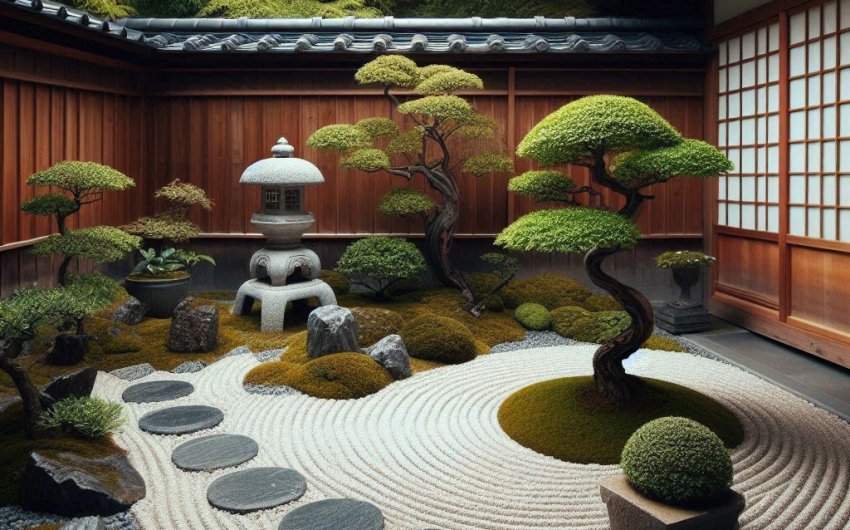
In our busy modern lives, finding a quiet corner for reflection and calm is more important than ever. A Japanese garden is renowned for its ability to create a sense of peace, balance, and harmony, even in the smallest of spaces. Far from being sprawling landscapes, many traditional Japanese gardens are designed to be compact, making them perfectly suited for urban backyards, courtyards, or even balconies.
This guide will unlock the secrets of designing a small Japanese garden that invites tranquility and mindfulness into your home. We'll explore the core principles, essential elements, and clever tricks to create a serene oasis, no matter your space limitations. Get ready to cultivate your own peaceful sanctuary!
What makes a Japanese garden unique?
More than just a collection of plants, a Japanese garden is a living work of art designed to evoke a feeling, often one of calm and natural beauty. Understanding its core philosophies is key to a successful design, even on a small scale.
What are the core principles?
- Miniaturization (Miyakuni): Japanese gardens often represent vast natural landscapes (mountains, rivers, forests) in miniature. A small stone might be a mountain, raked gravel an ocean. This is especially relevant for a small Japanese garden design.
- Symbolism: Every element often carries a deeper meaning. Stones can represent islands or gods, water symbolizes purification or life's journey, and evergreen plants represent longevity.
- Asymmetry: Unlike Western gardens that often rely on perfect symmetry, Japanese gardens embrace asymmetry to create a more natural and dynamic balance.
- Borrowing Scenery (Shakkei): Integrating external views (like a distant mountain or a neighbor's beautiful tree) into the garden's design to make the small space feel larger and more connected to its surroundings.
- Balance and Harmony: All elements (stones, water, plants, lanterns) are carefully placed to create a sense of quiet equilibrium, avoiding clutter or jarring contrasts.
- Simplicity and Restraint (Wabi-Sabi): Beauty is found in imperfection, impermanence, and understated elegance. Avoid too many different elements; choose a few meaningful ones.
- Contemplation: The garden is designed to be viewed, reflected upon, and to inspire peace. It's often not primarily for walking through.
Why is a Japanese garden perfect for small spaces?
The very essence of Japanese garden design lends itself perfectly to limited areas.
- Focus on Essence: Rather than vastness, the emphasis is on conveying the essence of nature with minimal elements.
- Verticality: Clever use of vertical elements like bamboo, taller stones, or carefully pruned trees can draw the eye upwards, making a small space feel taller.
- Layering: Strategic layering of plants and ground cover creates depth and interest without needing a large footprint.
- Intimate Scale: Small spaces naturally create a more intimate and personal atmosphere, which is conducive to contemplation and quiet reflection – central themes in Japanese gardens.
What are the essential elements for a small Japanese garden?
Even in a compact area, certain key elements are fundamental to creating an authentic and peaceful Japanese garden. You don't need all of them, but choose those that resonate with your vision.
Stones: The Bones of the Garden
Stones are arguably the most important element, representing mountains, islands, or even animal forms.
- Placement: Carefully selected and placed stones create the garden's structure and focal points. They should appear natural, as if they have always been there. Bury at least one-third to one-half of the stone in the ground for stability and a natural look.
- Types: Look for natural, weathered stones with interesting shapes and textures. Avoid perfectly round or shiny stones. Granite, basalt, or local fieldstone are good choices. For a truly unique touch, consider a large natural garden boulder.
- Arrangement: Often grouped in odd numbers (3, 5, 7) for asymmetry. A common arrangement is a main "guardian stone" flanked by smaller "attendant stones."
Water (or its Symbolism): Life and Flow
Water symbolizes life, purification, and fluidity. Even in a small garden, you can incorporate real water or suggest its presence.
- Pond or Basin: Even a very small, simple pond with a few aquatic plants can add a living element. A simple stone basin or a larger, shallow ceramic bowl can also serve this purpose.
- Bamboo Water Feature (Shishi-odoshi): A classic element where water slowly fills a bamboo tube, which then tips to empty, creating a rhythmic clacking sound. This is a great DIY Japanese garden project. You can find bamboo water fountain kits.
- Wall Fountain: For vertical spaces, a small wall fountain can provide the soothing sound of water without taking up floor space.
- Raked Gravel (Karesansui or Zen Garden): For dry gardens, raked gravel symbolizes water. The patterns in the gravel represent ripples or flowing currents. This is highly effective for evoking peace in a small area and is very low maintenance. You'll need fine-grained raking gravel and a special Zen garden rake.
Plants: Greenery and Texture
Plants in a Japanese garden are selected for their form, texture, and symbolic meaning, rather than vibrant floral displays. Evergreen plants are favored for year-round beauty.
- Japanese Maple (Acer palmatum): Iconic for its delicate foliage, beautiful branching structure, and stunning fall color. Dwarf varieties are perfect for small Japanese gardens.
- Pine (Pinus): Often meticulously pruned (Niwaki style) to resemble ancient, weathered trees. Dwarf pines or trained bonsai can work well.
- Bamboo: Adds verticality, movement, and a distinctive sound. Choose clumping bamboo varieties like Fargesia to prevent invasive spreading, or use a root barrier.
- Moss: Creates a lush, ancient, and serene groundcover. Thrives in shade and moisture.
- Evergreen Shrubs: Azaleas, Rhododendrons (for their form more than flowers), Boxwood, and some varieties of Holly can provide structure and year-round green.
- Groundcovers: Mondo Grass (Ophiopogon japonicus) or Irish Moss (Sagina subulata) for soft textures.
- Flowering Plants (Limited): If used, often restrained. Cherry blossoms, Iris, or Chrysanthemums might be present in specific areas.
Hardscaping and Pathways: Guidance and Connection
- Stepping Stones (Tobi-ishi): Irregularly shaped flat stones placed to create a natural, informal path. They slow the pace and encourage careful observation. Bury them mostly below the surface for stability. You can buy natural garden stepping stones.
- Stone Lanterns (Toro): More for decorative and symbolic purposes than for illumination. They come in various styles (e.g., Kasuga, Oki, Yukimi). Choose a size appropriate for your small space. A Japanese stone lantern adds authentic flair.
- Bridges (Hashi): Even a tiny decorative bridge over a dry stream bed (raked gravel) can add symbolic meaning.
- Fencing: Simple, natural fences (bamboo, wood) can create a sense of enclosure and privacy, defining the garden space.
How do I design my small Japanese garden layout?
With limited space, every element counts. Thoughtful planning is key to creating depth, balance, and a sense of serenity.
Start with a Clear Vision
- Define Purpose: Is it a purely contemplative Zen garden (dry garden)? Or do you want a more lush, strolling garden (even if miniature)?
- Sketch It Out: Draw your space. Experiment with placing major elements like a large stone, a raked gravel area, or a small water feature.
Create Focal Points and Asymmetry
- One Main Element: In a small garden, avoid too many competing focal points. Let one significant stone, a meticulously pruned tree, or a water feature be the star.
- Balance, Not Symmetry: Arrange elements in odd numbers (e.g., three stones) and asymmetrical groupings to create a natural, dynamic balance.
Think Vertically
- Tall, Slender Plants: Use upright bamboos (clumping varieties only!), columnar conifers, or carefully trained dwarf trees to draw the eye upwards and make the space feel taller.
- Wall Elements: Mount a small wall fountain, a decorative screen, or even just some trailing plants on a trellis to utilize vertical space.
Layer Plants for Depth
- Foreground, Mid-ground, Background: Even in a small space, layer plants from shortest at the front to tallest at the back. This creates an illusion of depth and makes the garden feel larger.
- Texture Contrast: Combine plants with different leaf shapes and textures (e.g., broad hosta leaves with delicate fern fronds or feathery grasses).
Use Screens or Enclosures
- Define the Space: In a small area, especially in a busy backyard, creating a clear boundary with a simple bamboo fence, a low wall, or a hedge helps the Japanese garden feel like a separate, peaceful room.
- Block Distractions: Use screens to block undesirable views (e.g., a neighbor's shed) and focus attention inward on the garden itself.
Incorporate the "Wabi-Sabi" Aesthetic
- Embrace Imperfection: A slightly moss-covered stone, a gnarled branch, or weathered wood adds character.
- Natural Materials: Stick to natural materials that age gracefully.
- Minimalism: Resist the urge to fill every empty spot. Open spaces, whether raked gravel or moss, are just as important as the elements themselves for creating a sense of calm.
How do I maintain a small Japanese garden for lasting peace?
The goal of a Japanese garden is low-maintenance serenity, not constant chores.
Watering
- Balance: Plants need water, but overwatering can be detrimental, especially for pines and succulents. Water deeply when needed, allowing the soil to dry out between waterings.
- Hand Watering: For small gardens, hand watering allows you to be precise and mindful.
Pruning
- Form over Volume: Pruning in a Japanese garden is about shaping and enhancing the natural form of the plant, often mimicking aged trees in nature. It's not about making plants smaller but about refining their structure.
- Pines and Maples: These often require specific pruning techniques to maintain their desired shape and size. Research Niwaki pruning for pines if you have one.
- Moss Care: Keep moss moist, especially in dry periods. It prefers humid conditions and shade.
Weeding
- Vigilance: Weeds can quickly disrupt the minimalist aesthetic. Regular weeding is important.
- Mulch/Gravel: A layer of raked gravel or fine mulch around plants helps suppress weeds.
Cleaning
- Raking Gravel: If you have a dry garden, regular raking of the gravel maintains the patterns and clears debris. This can be a meditative practice in itself.
- Leaf Removal: Keep the garden free of fallen leaves and debris to maintain its clean, ordered look.
Creating a small Japanese garden is a journey of peace and artistic expression. By focusing on the core principles of miniaturization, symbolism, and balance, and carefully selecting your elements, you can transform even a tiny outdoor space into a deeply calming and beautiful sanctuary that nourishes your soul.