
Creative Sloped Garden Design Ideas
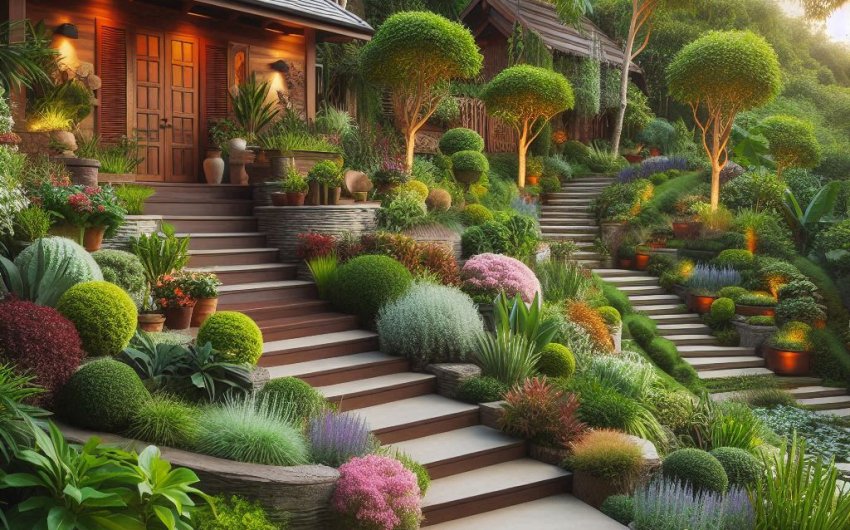
Do you look at your sloped backyard and see nothing but a challenging headache? Many homeowners see a hill and despair, imagining erosion, difficult mowing, and unusable space. But what if you could transform that tricky incline into a stunning, multi-layered garden masterpiece? Sloped garden design is not a limitation; it's an incredible opportunity to create dramatic visual interest, solve practical problems, and add significant value and beauty to your home.
This guide will unlock a world of creative sloped garden design ideas, showing you how to turn that awkward hill into a dynamic, functional, and breathtaking landscape. We'll explore various techniques, material choices, and planting strategies to help you conquer the slope and build the garden of your dreams. Get ready to embrace the incline and unleash its full potential!
Why is a sloped garden a design opportunity?
While a slope might seem like a disadvantage, it offers unique possibilities that flat yards simply can't. Smart sloped landscaping uses the grade to its advantage.
What are the benefits of designing on a slope?
- Dramatic Visual Impact: Slopes naturally create vertical interest, allowing for multi-level plantings and features that are impossible on flat ground. You can create sweeping vistas or intimate nooks.
- Enhanced Drainage: Designed correctly, a sloped garden can manage water runoff effectively, preventing pooling and erosion.
- Unique Planting Opportunities: Slopes can create microclimates. The top of a sunny slope might be drier and hotter, perfect for drought-tolerant plants, while the bottom might be cooler and wetter, suitable for different species.
- Layered Gardens: You can layer different plants and elements, creating depth and a sense of discovery as you move through the space.
- Increased Usable Space: By stabilizing a slope with retaining walls or clever planting, you can turn otherwise unusable areas into functional garden beds, pathways, or seating zones.
- Improved Views: A terraced garden can open up views from your home or create new vantage points within the garden itself.
What are the common challenges of slopes?
Before diving into solutions, it's good to understand the common issues slopes present:
- Erosion: Water runoff can wash away topsoil and plant material, especially on steep, unplanted slopes.
- Difficult Access: Mowing and maintaining plants on a steep incline can be challenging and sometimes dangerous.
- Water Runoff: Water tends to run off quickly, meaning plants at the top of the slope might not get enough moisture, while plants at the bottom might get too much.
- Instability: Very steep slopes can be unstable and prone to landslides if not properly managed.
The good news is that clever sloped garden design directly addresses all of these challenges!
What are the main techniques for sloped garden design?
There are several proven methods for transforming a slope, ranging from dramatic structural changes to soft, naturalistic planting. Your choice will depend on the steepness of your slope, your budget, and your desired aesthetic.
Terracing: Creating Flat Levels
Terracing is one of the most effective and popular solutions for steep slopes. It involves creating a series of flat platforms or "steps" using retaining walls.
- How it works: A wall is built into the slope, creating a flat area behind it. Another wall is built above that, creating another flat area, and so on.
- Benefits:
- Maximizes Usable Space: Creates flat areas for planting, seating, pathways, or even small patios.
- Prevents Erosion: The walls effectively stop soil erosion.
- Easy Maintenance: Each terrace is a flat garden bed, making planting, weeding, and watering much easier.
- Dramatic Visuals: Creates a stunning, multi-tiered effect.
- Materials for Retaining Walls:
- Stone: Natural stone (fieldstone, granite, limestone) offers timeless beauty and strength. Requires skilled masonry.
- Interlocking Concrete Blocks: A popular DIY retaining wall choice. These blocks are designed to stack without mortar, making installation easier. They come in various colors and textures. You can find many types of landscape retaining wall blocks.
- Timber: Pressure-treated lumber or railway ties can be used for a more rustic look. Less durable than stone or concrete in the long term.
- Gabion Walls: Cages filled with rocks offer a modern, industrial, yet natural aesthetic. These can be a DIY project but require careful planning.
- Considerations: Terracing can be a significant investment in terms of time and cost, especially for very steep slopes or if professional installation is needed. Proper drainage behind the walls is crucial.
Sloped Beds: Working with the Grade
If your slope is gentle, or if you prefer a more natural, less structured look, you can design sloped planting beds that follow the contours of the land.
- How it works: Plants are carefully chosen and placed directly on the slope. Rocks can be strategically placed to help stabilize the soil and create planting pockets.
- Benefits:
- Natural Appearance: Blends seamlessly with the existing landscape.
- Less Construction: Requires less heavy-duty construction than terracing.
- Cost-Effective: Generally cheaper to implement.
- Considerations:
- Erosion Control: You'll need to use specific plants that have strong root systems to hold the soil, and often mulch or erosion control fabric during establishment.
- Water Management: Select drought-tolerant plants or use smart irrigation to ensure plants at the top get enough water without overwatering the bottom.
- Techniques:
- Boulder Placement: Bury large boulders partway into the slope to create mini-terraces and slow water flow.
- Contour Planting: Plant in horizontal rows or sweeps across the slope's contour rather than straight up and down.
Pathways and Steps: Access and Interest
Integrating access into your sloped garden design is essential and adds immense charm.
- Stairs/Steps: For steep slopes, a series of steps is necessary.
- Materials: Stone, timber, concrete, or a combination.
- Design: Wide, shallow steps can feel more graceful and less strenuous than narrow, steep ones. Consider curves or zig-zags to soften the linearity.
- Ramps/Winding Paths: For gentler slopes, a winding path can be more accessible and adds visual interest.
- Materials: Gravel, mulch, pavers, or even just mown grass.
- Benefits: Creates a journey through the garden, allowing you to experience different plantings along the way.
- Integrating Steps with Terraces: Steps can be built directly into retaining walls, connecting the different levels of a terraced garden. You can find step lighting for safety and ambiance.
What are the best plants for sloped gardens?
Choosing the right plants is critical for success in a sloped garden. You need species that can tolerate varied moisture levels, potential wind exposure, and help with erosion control.
For Erosion Control
These plants have extensive root systems that help anchor the soil.
- Groundcovers: Spreading plants that quickly cover the soil, like Creeping Phlox (Phlox subulata), Juniper (Juniperus horizontalis), Sedum (various creeping varieties), or Ice Plant (Delosperma).
- Ornamental Grasses: Many varieties have fibrous root systems that hold soil well, like Blue Fescue (Festuca glauca) or Little Bluestem (Schizachyrium scoparium).
- Shrubs with Fibrous Roots: Such as Cotoneaster, Sumac (Rhus spp., native varieties), or Bush Honeysuckle (Diervilla lonicera).
Drought-Tolerant Plants (for sunny slopes)
Upper parts of slopes can dry out quickly.
- Lavender (Lavandula): Fragrant, beautiful purple flowers, and very drought-tolerant.
- Rosemary (Salvia rosmarinus): A tough, aromatic herb that can trail or grow upright.
- Yarrow (Achillea): Hardy, flat-topped flowers that thrive in heat and dry conditions.
- Coneflower (Echinacea): Classic daisy-like flowers, tough and attractive to pollinators.
- Agave and Yucca: Sculptural, drought-tolerant succulents for dramatic effect.
Plants for Shade (or bottom of slope)
- Ferns: Many varieties thrive in moist, shady conditions.
- Hostas: Large, attractive foliage plants for shade.
- Hydrangeas: Can tolerate some shade and add beautiful blooms.
- Groundcovers: Periwinkle (Vinca minor) or Pachysandra for dense evergreen cover.
General Plant Selection Tips:
- Native Plants: Always consider native plants for your region. They are naturally adapted to your climate and soil, making them low maintenance and beneficial to local wildlife.
- Vary Heights and Textures: Mix tall, upright plants with mounding shrubs and cascading groundcovers for visual interest.
- Group by Water Needs: Place plants with similar watering needs together, especially on a slope, to make irrigation more efficient.
- Consider Winter Interest: Choose some evergreen plants or those with interesting bark or seed heads for appeal in colder months.
How do I manage water on a slope?
Effective water management is crucial to prevent erosion and ensure plants thrive on a slope.
Smart Irrigation Techniques
- Drip Irrigation: This is by far the most efficient way to water a sloped garden. Drip lines deliver water slowly and directly to the plant roots, minimizing runoff and evaporation. You can buy DIY drip irrigation kits for easy installation.
- Soaker Hoses: Similar to drip irrigation, soaker hoses weep water directly into the soil.
- Terracing: The flat levels of terraces help water soak in rather than running off.
Mulch and Groundcovers
- Mulch: Apply a thick layer of organic mulch (like wood chips or bark) over planting beds. This helps retain moisture, suppress weeds, and slow down water runoff. You can use cedar bark mulch for a natural look.
- Groundcovers: As mentioned, these plants form a living mat that helps hold the soil in place and reduces evaporation.
Rain Gardens or Swales
At the bottom of a slope, consider creating a rain garden or a shallow swale.
- Rain Garden: A slightly depressed garden area designed to collect and absorb stormwater runoff. Planted with native, water-tolerant plants, it can help manage excess water and prevent it from overwhelming your lower yard or foundation.
- Swale: A shallow, often grassy, channel designed to direct water flow away from problem areas.
What are some decorative elements for sloped gardens?
Once the practical aspects are covered, unleash your creativity to make your sloped garden truly special.
- Decorative Rocks and Boulders: Beyond structural use, strategically placed rocks can act as natural sculptures or focal points.
- Outdoor Lighting: Install path lights along steps, uplighting for feature plants or walls, or string lights along a terraced seating area. Solar pathway lights are easy to install.
- Water Features: A small, recirculating waterfall or stream cascading down a gentle slope can be incredibly beautiful and soothing. Or a simple wall fountain integrated into a retaining wall.
- Seating Nooks: Create small, intimate seating areas on one of your terraces or along a winding path. A simple bench or a few comfortable chairs can turn a viewing spot into a destination.
- Sculpture/Art: Place weather-resistant sculptures or unique garden art on terraces or at key points along pathways.
- Bridges or Arches: If your slope is part of a larger garden, a decorative bridge over a dry creek bed or a charming archway over a path can add whimsy.
Transforming a challenging slope into a stunning sloped garden is one of the most rewarding landscape design projects. By embracing the incline, choosing the right techniques like terracing or sloped beds, selecting resilient plants, and managing water wisely, you can create a unique, beautiful, and functional outdoor space that will be the envy of the neighborhood. So, don't fear the hill – design it!