
How to Design a Rockery Garden Easily?
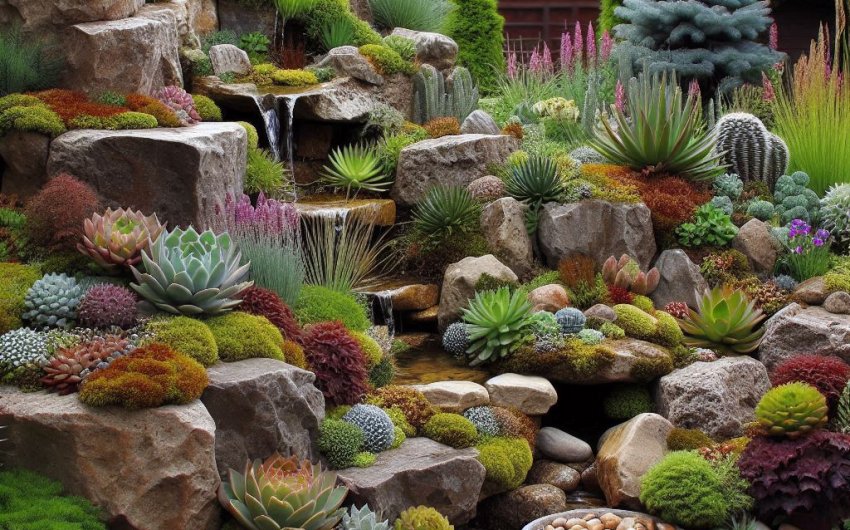
Do you have a sloped area in your yard that's hard to plant? Or perhaps a sunny, dry spot where nothing seems to thrive? Maybe you just love the look of natural landscapes with rugged stones and delicate plants. If any of this sounds familiar, then learning how to design a rockery garden might be your next favorite project! A rockery garden, also known as a rock garden or alpine garden, is a stunning way to add visual interest, solve challenging landscaping problems, and create a low-maintenance, beautiful outdoor space.
This guide will walk you through the simple steps to create your very own rockery garden. We'll cover everything from choosing the right spot and picking your rocks to selecting the perfect plants that thrive in these unique conditions. Get ready to transform your landscape with the enduring beauty of rocks and resilient plants!
Why build a rockery garden?
A rockery garden offers a unique aesthetic and practical advantages that make it an excellent choice for many homeowners. It's more than just a pile of rocks; it's a miniature landscape designed to mimic mountainous or rocky terrains.
What are the benefits of a rockery garden?
- Solve Sloping Issues: Rockeries are perfect for sloped yards where erosion can be a problem. The rocks help stabilize the soil, and the pockets created are ideal for planting.
- Low Maintenance: Once established, many rock garden plants are drought-tolerant and require less watering and care than a traditional flower bed. The rocks also help suppress weeds and retain moisture.
- Unique Aesthetic: They offer a distinct, naturalistic beauty that can mimic mountain slopes, desert landscapes, or serene Japanese gardens. They add texture, form, and a sense of permanence to your yard.
- Ideal for Specific Plants: They create perfect growing conditions for alpine plants, succulents, and other plants that prefer sharp drainage and rocky soil.
- Water Conservation: Many plants suited for rock gardens are naturally drought-tolerant, making them an eco-friendly choice for low-water landscaping.
- Curb Appeal: A well-designed rockery garden can significantly enhance your home's curb appeal and property value.
What's the difference between a rockery and a rock garden?
The terms rockery and rock garden are often used interchangeably. Generally, both refer to a garden that features rocks prominently, combined with plants that thrive in rocky, well-drained conditions. An alpine garden is a specific type of rock garden that focuses on plants native to high-altitude mountain regions (alpines), which typically require very sharp drainage and often cooler temperatures. For the purpose of this guide, we'll use rockery garden to cover these various styles.
How do I plan my rockery garden?
Good planning is key to a successful rockery garden that looks natural and thrives. Don't just start moving rocks around without a vision!
Where is the best spot for a rockery?
- Sloped Areas: Naturally ideal! A gentle slope provides the best drainage and a natural setting for rocks.
- Sunny and Well-Drained: Most rock garden plants (especially alpines and succulents) need plenty of sun (at least 6 hours of direct sun) and excellent drainage. Avoid shady, wet spots.
- Near Existing Features: Consider placing your rockery near a patio, walkway, or the front of your house where it can be easily admired.
- Avoid Flat, Soggy Areas: If your only option is a flat area with poor drainage, you'll need to build up the soil into a mound or berm to ensure proper drainage for the plants.
What kind of rocks should I use?
The type of rock you choose greatly impacts the look of your rockery garden.
- Native Rocks: The best choice for a natural look is to use rocks native to your region. They will blend seamlessly with the local landscape.
- Consistency: Use one type or a very limited number of rock types for a cohesive design. Mixing too many different kinds of rocks can look messy.
- Size: You'll need a variety of sizes:
- Large Anchor Boulders: For stability and a natural look. These are the "bones" of your rockery.
- Medium-Sized Rocks: To define pockets and transitions.
- Smaller Rocks and Gravel: For filling in spaces and providing top dressing.
- Shape and Texture: Look for rocks with interesting shapes and textures. Flat, angular rocks can create a dramatic, layered look, while rounded river rocks offer a softer, more weathered feel.
- Sourcing: You can often find rocks at local landscape supply yards. Sometimes, construction sites or even your own property might yield suitable rocks. When buying, ask for "fieldstone," "river rock," or specific types like "limestone" or "granite." You can order landscape rocks and boulders from suppliers.
What about soil for a rockery garden?
This is crucial! Most rock garden plants hate "wet feet" (soggy roots).
- Excellent Drainage: The key is a very well-draining soil mix.
- Recipe: A good basic mix is 1 part topsoil, 1 part coarse sand or grit (not play sand), and 1 part small gravel or decomposed granite. You can also add a small amount of compost for nutrients, but don't overdo the organic matter as it retains too much moisture.
- Testing: If you're unsure about your existing soil, dig a hole and fill it with water. If it drains away quickly (within an hour), it's probably good. If it sits for hours, you'll need to amend it heavily or build up a new soil layer.
How do I build my rockery garden easily?
Building a rockery garden is like creating a natural sculpture. It's about placing rocks thoughtfully to form a sturdy, beautiful base for your plants.
Step 1: Prepare the Site
- Clear the Area: Remove any weeds, grass, or existing debris.
- Outline: Use rope, a hose, or spray paint to outline the shape of your rockery.
- Drainage Layer (Optional but Recommended): For very poor drainage areas or if building a mound, lay down a 4-6 inch layer of coarse gravel at the bottom for an initial drainage layer.
Step 2: Place the Rocks
This is the most important part for natural aesthetics and stability.
- Start with the Largest Rocks: Place your biggest anchor boulders first. Bury at least one-third to one-half of each rock into the ground. This makes them look natural (like they've always been there) and prevents them from shifting.
- Create Pockets: Arrange rocks to form natural pockets or crevices where plants can be tucked in. These pockets are where you'll add your special soil mix.
- Slope and Angle: Angle rocks slightly backward (into the slope) so that rainwater will flow into the pockets and be directed towards the plant roots, not away from them.
- Think Natural: Avoid symmetrical or evenly spaced rocks. Aim for an organic, random look. Step back frequently to assess your progress. Imagine how rocks look in nature on a hillside.
- Interlock: Try to interlock rocks where possible for added stability.
Step 3: Add the Soil Mix
- Fill Pockets: Once your rocks are in place, fill all the crevices and planting pockets with your specially prepared well-draining soil mix. Pack it down gently to remove large air pockets.
- Top Dressing: After planting, you can add a thin layer of small gravel or crushed stone as a top dressing. This helps suppress weeds, keeps the plant crowns dry (preventing rot), and mimics the natural look of a rocky environment.
What are the best plants for a rockery garden?
Choosing the right plants is key to a thriving and beautiful rockery garden. Look for plants that are naturally compact, drought-tolerant, and prefer well-drained soil.
Groundcovers and Creeping Plants
These plants spread beautifully over rocks, softening edges and filling spaces.
- Creeping Thyme (Thymus serpyllum): Many varieties, with tiny leaves and small flowers. Fragrant, drought-tolerant, and can even tolerate light foot traffic.
- Sedum (Stonecrop): Low-growing, succulent groundcovers that come in various colors and textures. Extremely hardy and drought-tolerant. Look for different creeping sedum varieties.
- Phlox subulata (Creeping Phlox): Forms dense mats of vibrant flowers in spring, perfect for draping over rocks.
- Aubrieta (Rock Cress): Similar to creeping phlox, with beautiful purple or pink blooms in spring.
- Dianthus (Pinks): Low-growing clumps with grass-like foliage and fragrant flowers.
Alpine and Small Perennials
These add height, texture, and vibrant blooms in the pockets.
- Hens and Chicks (Sempervivum): Classic rock garden succulents that form rosettes and spread easily. Very hardy.
- Delosperma (Ice Plant): Brightly colored, daisy-like flowers and succulent foliage. Thrives in full sun and dry conditions.
- Campanula (Bellflower): Many low-growing varieties with charming bell-shaped flowers.
- Armeria maritima (Thrift): Grassy clumps with cheerful pink or white ball-shaped flowers on stems.
- Dwarf Conifers: Small, slow-growing conifers provide evergreen structure and texture year-round. They add a touch of formality or a miniature forest feel. Look for dwarf conifer varieties suitable for rockeries.
- Lavender (Lavandula): Dwarf varieties of lavender are excellent for their fragrance and purple blooms, thriving in sunny, well-drained spots.
- Rosemary (Salvia rosmarinus): Creeping varieties can trail over rocks, offering evergreen foliage and fragrance.
Small Bulbs
For early spring color before most perennials get going.
- Crocus, Snowdrops, Miniature Daffodils, Grape Hyacinths: These charming bulbs naturalize well in rockeries.
Important Plant Tips:
- Sun Needs: Double-check that all your chosen plants have similar sun requirements (mostly full sun for a rockery).
- Drainage Needs: Ensure they all thrive in sharp drainage.
- Watering: Water new plants regularly until they are established (usually a full growing season). After that, reduce watering significantly.
- Size: Choose plants that remain relatively small. You don't want plants that will quickly overwhelm your rocks.
How do I maintain my rockery garden?
One of the great joys of a rockery garden is its relatively low maintenance once established.
What are the key maintenance tasks?
- Weeding: Even with a good top dressing, some weeds will appear. Pull them promptly, as they can quickly compete with your alpine plants.
- Watering: During dry spells, especially in the first year, water deeply but infrequently. Once established, many rock garden plants will survive on natural rainfall. Overwatering is the biggest killer!
- Pruning: Trim back plants that are getting too leggy or are starting to spread beyond their allotted space. This can also encourage bushier growth or more blooms.
- Top Dressing: Occasionally replenish the gravel or stone top dressing if it gets displaced or thins out.
- Pest and Disease Watch: Generally, rock garden plants are hardy. Keep an eye out for any issues, but problems are usually minimal.
How do I enjoy my rockery?
A rockery garden is a place for quiet appreciation.
- Observe Changes: Watch how the plants change through the seasons, how light plays on the rocks, and how birds or insects interact with the space.
- Add Art: A small, weather-resistant sculpture or a unique piece of found stone can make a wonderful addition.
- Create a Seating Nook: If space allows, a small bench or a few flat stepping stones nearby can create a perfect spot to relax and admire your creation.
Designing and building a rockery garden is a rewarding project that allows you to blend the enduring beauty of stone with the delicate charm of specialized plants. It's an easy way to create a low-maintenance, drought-tolerant, and uniquely beautiful feature in your landscape that you'll enjoy for years to come!