
Wall Fountain Ideas to Beautify Outdoors
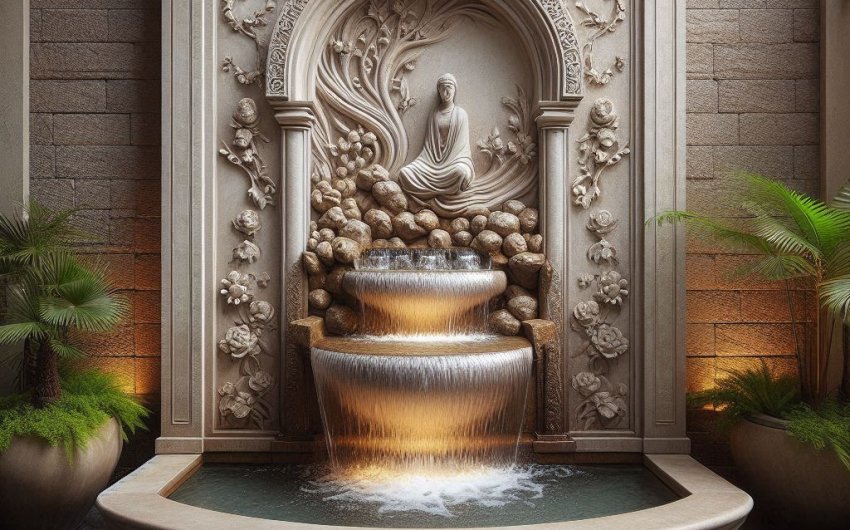
Wall fountain ideas to beautify outdoors range from classic tiered designs to modern sleek panels, offering a captivating blend of visual appeal and soothing sound. These water features are ideal for small spaces or as stunning focal points on patios, walls, or fences, instantly transforming any outdoor area.
Why Choose a Wall Fountain to Beautify Outdoors?
A wall fountain is a unique and impactful way to enhance your outdoor living space, offering significant benefits over traditional freestanding fountains or ponds, especially where space is limited.
- Space-Saving: Ideal for small patios, courtyards, balconies, or narrow garden areas where a freestanding fountain might be too large. They utilize vertical space efficiently.
- Soothes the Senses: The gentle sound of trickling or cascading water is incredibly relaxing, masking unwanted noise (traffic, neighbors) and creating a serene atmosphere.
- Visual Interest: A wall fountain acts as a beautiful focal point, drawing the eye and adding architectural interest to a plain wall, fence, or garden shed.
- Attracts Wildlife: The sound and presence of water can attract birds, adding natural beauty and song to your garden.
- Low Maintenance (Compared to Ponds): Generally easier to maintain than ponds, with a self-contained water reservoir and simpler pump systems.
- Versatile Styles: Available in an immense range of designs, materials, and sizes to complement any outdoor aesthetic, from classic to contemporary.
- Increased Property Value: A well-chosen and installed water feature can enhance the appeal and value of your home.
- Flexibility: Many are self-contained and recirculating, meaning they don't require external plumbing once filled.
What Are the Different Styles of Wall Fountains?
The style of your wall fountain can significantly impact the overall feel of your outdoor space. Matching it to your existing decor is key to truly beautifying outdoors.
1. Traditional/Classic Wall Fountains
- Description: Often inspired by European gardens, featuring ornate carvings, classical figures, or tiered basins. Materials like stone, cast iron, or aged copper are common.
- Key Features:
- Lion's head spouts
- Cherubs or mythical figures
- Scalloped shells
- Multiple tiers or basins
- Patinaed finishes
- Best For: Formal gardens, Mediterranean, Tuscan, traditional, or French country outdoor spaces. They evoke a sense of timeless elegance.
- Find a beautiful Traditional Wall Fountain.
2. Modern/Contemporary Wall Fountains
- Description: Characterized by clean lines, geometric shapes, and minimalist designs. Focus is often on the texture of the material and the movement of water itself.
- Key Features:
- Sleek panels of stainless steel, copper, or slate
- Rectilinear forms
- Smooth, polished surfaces
- Sheer descent waterfalls (water sheet) or laminar flow (glass-like stream)
- Often incorporate LED lighting for nighttime drama
- Best For: Modern homes, minimalist gardens, urban patios, or spaces aiming for a sophisticated, artistic look.
- Explore options like a Modern Stainless Steel Water Feature.
3. Rustic/Natural Wall Fountains
- Description: Aim to blend seamlessly with natural elements, often featuring rough-hewn stone, distressed metals, or repurposed materials.
- Key Features:
- Boulder or stacked stone designs
- Old spigots, antique pump styles
- Copper patinas, rust finishes
- Wooden troughs or bamboo spouts
- Often designed to look like a natural spring or simple well-head.
- Best For: Cottage gardens, farmhouse styles, woodland gardens, or areas where you want a raw, organic feel.
- Consider a Rustic Stone Wall Fountain.
4. Asian-Inspired Wall Fountains
- Description: Emphasize tranquility, balance, and simplicity, often featuring bamboo, smooth stones, and minimalist design.
- Key Features:
- Bamboo spouts (shishi-odoshi for a rhythmic sound)
- Stacked river stones
- Simple basins
- Zen garden elements (gravel raking)
- Best For: Zen gardens, meditation spaces, contemporary Asian-inspired landscapes.
- Look for a Bamboo Water Feature.
Where Are the Best Locations to Install a Wall Fountain Outdoors?
Strategic placement is key to maximizing the beauty and enjoyment of your wall fountain outdoors.
1. Patio or Deck Wall
- Visibility: Provides a constant focal point for your outdoor living space.
- Sound: The soothing sound of water can mask traffic noise or conversation from neighbors, enhancing relaxation.
- Convenience: Easy to access for maintenance and enjoyment.
- Material: Ensure the wall or fence can support the weight of the fountain, especially if it's large or made of heavy stone. A Wall-Mounted Outdoor Fountain is designed for this.
2. Courtyard or Small Garden Nook
- Intimate Space: A wall fountain can transform a small, otherwise overlooked area into a charming, serene retreat.
- Sense of Enclosure: The sound of water resonates well in enclosed spaces, enhancing the peaceful atmosphere.
- Wall as Backdrop: A plain wall becomes a design feature.
3. Near an Entryway or Front Porch
- Welcoming Sound: The gentle sound of water can provide a calming welcome for guests.
- Curb Appeal: Enhances the aesthetic of your home's entrance.
- Vertical Interest: Adds a dynamic element to an otherwise flat entry area.
4. Along a Garden Path or Walkway
- Discovery Element: Creates an unexpected moment of beauty and sound as you stroll through the garden.
- Directs Flow: Can act as a visual guide or punctuation mark along a path.
5. Against a Plain Fence or Shed
- Concealment/Enhancement: Transforms an unsightly or utilitarian surface into a beautiful garden feature.
- Backdrop: The flat surface provides an ideal canvas for the fountain's design.
6. Indoor-Outdoor Transition Area
- Seamless Flow: Placing a wall fountain near a large window or glass door creates a visual and auditory link between your indoor and outdoor spaces.
Key Considerations for Location
- Proximity to Power: Most wall fountains require an outdoor-rated electrical outlet for the pump. Plan for this.
- Water Source: While most are self-contained and recirculating, initial filling and occasional topping off require a hose nearby.
- Sunlight vs. Shade: While most fountains are fine in sun, direct, intense sun can accelerate algae growth. Shade may require more frequent cleaning but can prevent rapid water evaporation.
- Wind: Sheltered locations are best to minimize water loss from splashing or evaporation due to wind.
What Are the Materials for Wall Fountains?
The material choice significantly influences the style, durability, and maintenance of your wall fountain to beautify outdoors.
1. Cast Stone / Concrete
- Characteristics: Durable, heavy, allows for intricate detailing and classical designs. Can mimic natural stone.
- Pros: Very robust, long-lasting, withstands various climates (with proper winterization). Good sound insulation.
- Cons: Extremely heavy, difficult to move. Can crack in freezing temperatures if water is left in.
- Best For: Traditional, formal, and sturdy designs. A popular choice is a Cast Stone Wall Fountain.
2. Fiberglass / Resin
- Characteristics: Lightweight, highly durable, can be molded to mimic various materials (stone, wood, metal).
- Pros: Easy to move and install, weather-resistant, very affordable. Wide range of styles and finishes.
- Cons: Can look less authentic than natural materials up close. Some cheaper resins can fade or become brittle over time.
- Best For: Versatility, ease of installation, budget-conscious choices. Find a Lightweight Resin Fountain.
3. Copper
- Characteristics: Develops a beautiful, natural green-blue patina over time. Elegant and durable.
- Pros: Stunning aesthetic, long-lasting, unique aging process, generally corrosion-resistant.
- Cons: Can be expensive. Patina development is a natural process that some prefer, others don't.
- Best For: Modern, rustic, or traditional designs where the changing metallic surface is desired. A Copper Water Feature adds a touch of luxury.
4. Stainless Steel
- Characteristics: Sleek, modern, reflective surface.
- Pros: Very durable, rust-resistant, low maintenance, creates a crisp, contemporary look.
- Cons: Can be expensive. Fingerprints can show. Can be very hot in direct sun.
- Best For: Modern, minimalist, and high-tech garden designs.
5. Slate / Natural Stone
- Characteristics: Natural, often textured, unique variations in color and pattern.
- Pros: Highly authentic, extremely durable, beautiful organic aesthetic. Each piece is unique.
- Cons: Heavy, can be expensive. Needs expert handling for installation.
- Best For: Rustic, contemporary, or naturalistic gardens. Look for Slate Water Features.
6. Ceramic
- Characteristics: Often vibrant colors, glazed finishes, or hand-painted designs.
- Pros: Artistic, colorful, can be unique handmade pieces.
- Cons: Can be fragile, prone to cracking in freezing temperatures.
- Best For: Mediterranean, bohemian, or artistic garden styles.
How Do You Install a Wall Fountain Outdoors?
Installation of a wall fountain varies depending on its type and size. Most DIY-friendly options are self-contained and recirculating.
1. Pre-Installation Checks
- Wall Suitability: Ensure the wall or fence is structurally sound to support the fountain's weight. For heavier fountains, you might need to find studs or reinforce the wall.
- Electrical Access: Identify the nearest outdoor GFCI (Ground Fault Circuit Interrupter) outlet. If none is available, plan for professional electrical installation.
- Level Surface: The area below the fountain (where the basin typically sits) should be level.
2. Mounting the Fountain (for Wall-Mounted Types)
- Read Instructions: Always follow the manufacturer's specific installation guide.
- Mark Placement: Hold the fountain against the wall or fence and mark the desired mounting points for screws or hangers. Use a level to ensure it's straight.
- Drill Holes: Drill pilot holes at the marked points.
- Insert Anchors: If drilling into masonry or drywall (unlikely for outdoor but possible for enclosed patios), insert appropriate wall anchors.
- Attach Fountain: Carefully lift the fountain and secure it to the wall using heavy-duty screws or bolts provided by the manufacturer. Tighten securely.
3. Assembling the Fountain Components
- Pump Installation: Place the submersible pump inside the fountain's reservoir.
- Connect Tubing: Attach the tubing from the pump to the fountain's water outlet (spout or cascade).
- Fill with Water: Fill the reservoir with distilled water or treated tap water (to prevent mineral buildup). Ensure the pump is fully submerged.
4. Electrical Connection
- Plug In: Plug the pump's power cord into the outdoor GFCI outlet. Ensure all connections are secure and weatherproof.
- Test: Turn on the fountain to test the pump and water flow. Adjust flow rate if your pump has this feature.
5. Final Adjustments
- Leveling: Double-check that the fountain is level to ensure even water flow.
- Leak Check: Watch for any leaks for the first few hours of operation.
How Do You Maintain Your Wall Fountain to Keep It Beautiful?
Regular maintenance ensures your wall fountain remains a beautiful and soothing feature in your outdoor space.
1. Water Level Management
- Check Daily: Fountains lose water through evaporation and splashing. Check the water level daily, especially in hot or windy weather.
- Top Off: Add distilled water or treated tap water as needed to keep the pump fully submerged.
- Avoid Tap Water Buildup: Tap water contains minerals that can leave white crusty deposits (limescale) over time. Using distilled water or a Fountain Descaler can help.
2. Cleaning
- Regular Cleaning (Weekly/Bi-weekly): Remove any leaves, debris, or insect buildup from the basin and filter. Use a small net or your hands.
- Deep Cleaning (Monthly/Quarterly):
- Drain the fountain completely.
- Scrub the basin and any visible surfaces with a non-abrasive brush and a solution of water and mild soap or white vinegar.
- Clean the pump: Disassemble the pump (if possible) and remove any debris or mineral buildup from the impeller. Use an old toothbrush.
- Rinse thoroughly before refilling.
- Algae Control:
- Prevention: Place fountains in shadier spots if possible. Use distilled water.
- Treatment: Use a safe Fountain Algaecide or a few drops of bleach (use caution, not on natural stone) as directed.
3. Winterization (for Cold Climates)
- Drain Completely: Before the first hard frost, drain all water from the fountain, pump, and tubing.
- Remove Pump: Disconnect and remove the pump. Clean it thoroughly and store it indoors in a bucket of water (to keep seals moist) or a dry, temperate place.
- Cover Fountain: Cover the entire fountain with a waterproof Outdoor Fountain Cover to protect it from freezing rain, snow, and ice, which can cause cracking. For very heavy stone fountains, you might consider professional winterization.
4. General Inspection
- Check for Leaks: Periodically check all connections and the basin for any signs of leaks.
- Pump Operation: Listen for any unusual noises from the pump, which could indicate a blockage or a failing motor.
How Can Landscaping and Lighting Enhance Your Wall Fountain?
Integrating your wall fountain with complementary landscaping and thoughtful lighting will magnify its impact and truly beautify outdoors.
1. Complementary Plantings
- Soften Edges: Plant lush greenery, ferns, or flowering plants around the base of the fountain to soften its hard lines and blend it into the garden.
- Water-Loving Plants: If the fountain splashes slightly, consider plants that enjoy consistent moisture.
- Tropical Flair: For a resort-like feel, use tropical plants (if your climate allows or in pots) like elephant ears, hostas, or colorful annuals.
- Scent: Plant fragrant herbs (lavender, mint) or flowers (jasmine) nearby to enhance the sensory experience.
- Containers: Use Decorative Outdoor Planters around the fountain for flexibility and seasonal changes.
2. Strategic Lighting
- Uplighting: Place small, waterproof Outdoor Landscape Spotlights at the base of the fountain, pointing upwards. This highlights the textures and water flow, creating stunning nighttime drama.
- Underwater Lights: Many modern fountains come with integrated LED lights. For others, add small Submersible LED Lights to the basin for a soft glow from within the water.
- Pathway Lighting: If the fountain is along a path, use subtle Solar Path Lights to guide the way and create ambiance.
- String Lights: Drape Outdoor String Lights nearby on a pergola or fence to create a magical, overall glow.
3. Hardscaping Elements
- Patio/Paving: A well-designed patio or paved area around the fountain creates a dedicated viewing or seating space.
- Boulders/Rocks: Integrate natural boulders or river rocks around the base for a naturalistic look.
- Dry Stream Beds: For a subtle connection to water, create a dry stream bed (using various sizes of river rock) leading away from the fountain.
4. Seating
- Proximity: Place comfortable outdoor seating (bench, chairs, or Outdoor Lounge Chair) nearby to encourage relaxation and enjoyment of the fountain's sights and sounds.
A wall fountain is a powerful design tool to beautify outdoors, offering sensory delight, artistic flair, and a serene atmosphere. By carefully selecting its style, material, and location, and enhancing it with thoughtful landscaping and lighting, you can create a captivating focal point that transforms any outdoor space into a tranquil and inviting oasis.