
Eco-Friendly Lawn Care Practices: Sustainable Tips for a Greener Yard
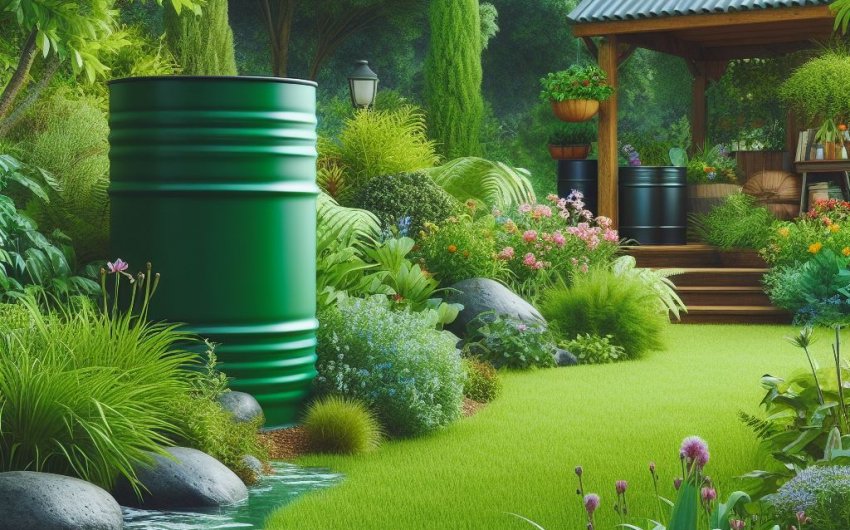
Eco-friendly lawn care practices focus on nurturing a healthy, vibrant yard while minimizing negative impacts on the environment. Implementing sustainable tips for a greener yard involves reducing chemical use, conserving water, promoting biodiversity, and enhancing soil health. This approach creates a beautiful landscape that benefits both nature and your home.
Why Should You Choose Eco-Friendly Lawn Care?
Choosing eco-friendly lawn care is a conscious decision to foster a thriving yard that not only looks great but also supports environmental health and reduces your ecological footprint. Traditional lawn care can sometimes rely on methods that harm local ecosystems. Opting for sustainable tips for a greener yard ensures your outdoor space contributes positively to nature and your family's well-being.
What are the Environmental Benefits of Sustainable Lawn Practices?
The environmental benefits of sustainable lawn practices are extensive, reaching far beyond the boundaries of your property. By adopting eco-friendly lawn care, you contribute to healthier ecosystems, conserve natural resources, and reduce pollution. These practices are fundamental to creating a truly greener yard that aligns with broader ecological goals.
Here are the environmental benefits:
- Reduced Water Pollution:
- Minimize Runoff: Less reliance on synthetic fertilizers and pesticides means fewer harmful chemicals washing into storm drains, rivers, lakes, and oceans.
- Protect Aquatic Life: Preventing nutrient and chemical runoff safeguards aquatic ecosystems from algal blooms and toxic contamination.
- Improved Air Quality:
- Less Fuel Emissions: Using electric or manual mowers reduces emissions from gasoline engines.
- Carbon Sequestration: Healthy lawns absorb carbon dioxide and release oxygen, contributing to cleaner air.
- Reduced Dust: A dense, healthy lawn helps trap dust and other airborne pollutants.
- Enhanced Soil Health:
- Increased Organic Matter: Practices like leaving grass clippings and topdressing with compost enrich the soil, improving its structure and fertility naturally.
- Thriving Microorganisms: Organic methods support beneficial soil microbes, which are essential for nutrient cycling and disease suppression.
- Reduced Compaction: Aeration improves soil structure, making it healthier and more resilient.
- Water Conservation:
- Efficient Watering: Smart irrigation, deep watering, and drought-tolerant grass types drastically reduce overall water consumption.
- Improved Retention: Healthy, organic-rich soil acts like a sponge, holding onto moisture for longer periods.
- Increased Biodiversity:
- Pollinator Support: Reducing pesticides and allowing some native plants or clover to bloom provides food sources and habitat for bees, butterflies, and other beneficial insects.
- Beneficial Organisms: Fosters a healthier environment for earthworms, birds, and other wildlife that contribute to the ecosystem.
- Reduced Waste:
- Composting: Turning yard waste (and kitchen scraps) into valuable compost reduces landfill waste.
- Mulching Clippings: Leaving grass clippings on the lawn reduces the volume of yard waste sent to landfills.
- Safer for People and Pets:
- Minimizing chemical use creates a safer outdoor space for children and pets to play without exposure to potentially harmful substances.
What are the Health Benefits of a Green, Chemical-Free Yard?
Beyond the environment, a green, chemical-free yard offers significant health benefits for your family and pets, transforming your outdoor space into a truly safe and vibrant haven. By embracing eco-friendly lawn care, you eliminate concerns about exposure to synthetic toxins and foster a healthier lifestyle. These sustainable tips for a greener yard directly impact well-being.
Here are the health benefits:
- Reduced Exposure to Harmful Chemicals:
- No Pesticides: Eliminates contact with insecticides, herbicides, and fungicides that can be linked to various health concerns, particularly in children and pets.
- No Synthetic Fertilizers: Prevents exposure to synthetic salts and compounds that can irritate skin or respiratory systems.
- Safer Play Area for Children and Pets:
- Kids can roll around, play, and explore without you worrying about them ingesting or touching residues from lawn chemicals.
- Pets can safely graze on grass or dig without the risk of absorbing toxins through their paws or mouths.
- Improved Air Quality Around Your Home:
- Less reliance on gas-powered lawn equipment reduces airborne pollutants.
- A healthy lawn itself acts as a natural air filter, absorbing CO₂ and releasing oxygen.
- Increased Connection to Nature:
- Gardening and spending time in a natural, chemical-free environment has proven mental health benefits, reducing stress and improving mood.
- Fostering a diverse ecosystem (beneficial insects, birds) can be a rewarding and educational experience.
- Reduced Allergy Triggers (Potentially):
- While grass itself can be an allergen, reducing broadleaf weeds (if managed naturally) might lessen some pollen counts. A diverse, healthy lawn is less likely to have large monocultures of high-pollen weeds.
- Supports Healthy Food Production (if gardening):
- Creating a chemical-free environment extends to adjacent vegetable gardens, ensuring any homegrown produce is free from synthetic residues.
How Can You Water Your Lawn Sustainably?
Sustainable watering techniques are fundamental to eco-friendly lawn care, drastically reducing your water footprint while ensuring your lawn remains healthy and green. It’s about being mindful of how much, when, and how efficiently you deliver water, especially in regions prone to dry conditions. Embracing these sustainable tips for a greener yard benefits both your lawn and the planet.
What are Water-Wise Watering Methods for a Greener Yard?
Implementing water-wise watering methods is crucial for sustainable lawn care, allowing you to maintain a vibrant, greener yard with minimal water consumption. These techniques optimize water delivery and promote deep root growth, making your lawn more resilient to dry spells. Moving beyond wasteful habits is key to efficient and responsible watering.
Here are water-wise watering methods:
- Deep and Infrequent Watering:
- How it works: Apply enough water to soak the soil to a depth of 6-8 inches (which typically translates to 1-1.5 inches of water) in a single session. Then, wait until the grass shows signs of thirst (e.g., dull color, footprints remain) before watering again.
- Benefits: Encourages grass roots to grow deep, making the lawn naturally more drought-tolerant. Dries out the topsoil between waterings, reducing weed germination and fungal diseases.
- Tip: Water your lawn using a smart sprinkler controller that adjusts based on weather.
- Water in the Early Morning:
- How it works: Water between 4 AM and 10 AM.
- Benefits: Minimizes water loss to evaporation from the midday sun and allows grass blades to dry before evening, significantly reducing the risk of fungal diseases that thrive in prolonged dampness.
- Use Smart Irrigation Systems:
- How it works: Install smart controllers that adjust watering schedules based on local weather data, rainfall, and even soil moisture sensors.
- Benefits: Eliminates guesswork, prevents overwatering, and ensures water is only applied when truly needed. A rain sensor for sprinklers can also help.
- Install High-Efficiency Sprinkler Nozzles:
- How it works: Replace old, inefficient sprinkler heads with newer models that produce larger, more uniform water droplets, reducing misting and wind drift.
- Benefits: Better water distribution, less waste due to evaporation.
- Harvest Rainwater:
- How it works: Install rain barrels to collect rainwater from your downspouts.
- Benefits: Provides a free, natural, chlorine-free water source for your lawn and garden, reducing reliance on municipal water and lowering water bills. A good rain barrel kit is easy to install.
- Direct Water Strategically:
- How it works: Ensure sprinklers are watering only the lawn, not sidewalks, driveways, or fences. Address runoff on slopes.
- Benefits: Prevents wasted water. For slopes, use a "cycle and soak" method (water in short bursts, wait for penetration, repeat) to prevent runoff.
How Can You Reduce Water Waste with Proper Mowing and Soil Health?
Beyond direct irrigation, proper mowing techniques and enhancing soil health are indirect yet powerful ways to reduce water waste, forming essential components of eco-friendly lawn care. These practices bolster your lawn's natural resilience, allowing it to better retain and utilize available moisture. Integrating these sustainable tips for a greener yard creates a more water-efficient landscape.
Reducing Water Waste Through Mowing:
- Maintain Taller Mowing Height:
- How it works: Set your mower blade to the upper end of the recommended range for your grass type (e.g., 2.5-3.5 inches for cool-season, 2-3 inches for warm-season). In hot, dry periods, go even higher.
- Benefits: Taller grass shades the soil, keeping it cooler and significantly reducing water evaporation from the surface. It also encourages deeper root growth, making the grass more drought-tolerant.
- Leave Grass Clippings (Mulch Mowing):
- How it works: Use a mulching mower or a mulching blade to chop clippings into fine pieces and leave them on the lawn.
- Benefits: Clippings act as a natural mulch layer, further shading the soil and reducing evaporation. They also decompose, returning valuable nutrients and organic matter to the soil, improving its water-holding capacity.
- Mow with Sharp Blades:
- How it works: Sharp blades make a clean cut.
- Benefits: Cleanly cut grass heals faster and loses less water through the wounded edges compared to grass torn by dull blades.
Reducing Water Waste Through Soil Health:
- Increase Organic Matter:
- How it works: Regularly add compost to your lawn through topdressing (spreading a thin layer of compost for lawns and raking it in) or by allowing grass clippings to decompose.
- Benefits: Organic matter acts like a sponge, dramatically increasing the soil's capacity to absorb and hold water, making it available to grassroots for longer. It also improves soil structure, enhancing both drainage in clay soils and retention in sandy soils.
- Core Aeration:
- How it works: Creates small holes in the soil, relieving compaction and allowing air, water, and nutrients to penetrate deeper.
- Benefits: Water can reach the root zone more effectively, rather than running off compacted surfaces. This encourages deeper root growth, making the lawn more drought-tolerant. It also helps break down thatch, which can impede water penetration.
- Proper Soil pH:
- How it works: A soil test helps determine your soil's pH. Adjusting it to the optimal range for your grass type (typically 6.0-7.0) ensures that nutrients are readily available.
- Benefits: Healthy, well-nourished grass has a stronger root system and is more efficient at water uptake.
What are Organic Fertilization Methods for a Greener Lawn?
Organic fertilization methods are central to eco-friendly lawn care, providing your grass with essential nutrients in a sustainable way that nurtures soil life and minimizes environmental impact. Moving away from synthetic chemicals, these sustainable tips for a greener yard focus on building a naturally fertile ecosystem that supports vigorous, healthy growth. It’s about feeding the soil, not just the plant.
What are the Benefits of Organic Fertilizers Over Synthetic?
Choosing organic fertilizers over synthetic ones offers a wealth of benefits for your lawn, your family, and the environment, making them a cornerstone of eco-friendly lawn care. While synthetic options provide a quick green-up, organic methods deliver a deeper, more sustainable vitality. Understanding these advantages highlights why organic is the superior choice for a truly greener yard.
Benefits of Organic Fertilizers:
- Feeds the Soil, Not Just the Plant:
- How it works: Organic fertilizers are derived from natural sources (compost, manure, bone meal, etc.) and must be broken down by soil microorganisms before nutrients become available to plants.
- Benefit: This process builds healthy soil structure, fosters a thriving microbial ecosystem, and improves the soil's long-term fertility and resilience. Synthetic fertilizers feed the plant directly but often do little for soil health.
- Slow, Steady Nutrient Release:
- How it works: Nutrients are released gradually as microorganisms break down the organic material.
- Benefit: Provides consistent, steady feeding, preventing surges of growth that can weaken the grass and reducing the risk of fertilizer burn. Also means fewer applications.
- Improved Soil Structure and Water Retention:
- How it works: Organic matter added by these fertilizers enhances the soil's ability to hold water and nutrients. It also improves drainage in clay soils and aggregation in sandy soils.
- Benefit: A healthier soil structure makes your lawn more drought-tolerant and reduces the need for frequent watering.
- Environmentally Friendly:
- Reduced Runoff: Slow-release of nutrients means less leaching into groundwater and significantly less runoff into waterways, preventing pollution (e.g., harmful algal blooms).
- No Harmful Chemicals: Eliminates exposure to synthetic chemicals that can contaminate soil, water, and pose risks to wildlife, pets, and humans.
- Promotes Beneficial Soil Life:
- How it works: Organic materials are food for earthworms, bacteria, and fungi, which are crucial for a healthy soil ecosystem.
- Benefit: These organisms help aerate the soil, improve nutrient cycling, and can even help suppress disease.
- Reduced Thatch Buildup:
- How it works: A more active microbial population in organic soils helps break down thatch more efficiently.
- Benefit: Less thatch means better water and air penetration and fewer hiding spots for pests and diseases.
- Lower Risk of Burn: When applied correctly, organic fertilizers have a much lower risk of causing fertilizer burn compared to concentrated synthetic salts.
What are Natural Sources of Nutrients for Your Lawn?
Utilizing natural sources of nutrients is a cornerstone of eco-friendly lawn care, providing your grass with essential elements in harmony with nature. These organic options nourish your soil and promote a healthy ecosystem, leading to a vibrant, resilient lawn without reliance on synthetic chemicals. Embracing these sustainable tips for a greener yard is a holistic approach to feeding your turf.
Here are natural sources of nutrients for your lawn:
- Grass Clippings:
- How to use: Simply leave short, fine grass clippings on your lawn after mowing (mulch mowing).
- Benefits: Clippings are rich in nitrogen, potassium, and phosphorus. As they decompose, they return these nutrients and organic matter to the soil. This can provide up to 25% of your lawn's annual nitrogen needs.
- Compost:
- How to use: Topdress your lawn with a thin layer (1/4 to 1/2 inch) of high-quality compost once or twice a year, especially after aeration. You can also make your own compost using kitchen scraps and yard waste in a compost tumbler.
- Benefits: Excellent source of slow-release nutrients, dramatically improves soil structure, water retention, and microbial activity.
- Compost Tea:
- How to use: Brew compost in water to create a liquid fertilizer rich in beneficial microorganisms and soluble nutrients. Apply with a sprayer.
- Benefits: Provides a quick nutrient boost and introduces beneficial microbes to the soil and grass blades.
- Organic Fertilizers (Bagged Products):
- How to use: Available commercially, these are derived from natural sources and come in granular form. Apply with a broadcast spreader.
- Examples:
- Alfalfa Meal: Good source of nitrogen and trace minerals.
- Corn Gluten Meal: Acts as a natural pre-emergent herbicide and provides nitrogen.
- Bone Meal: High in phosphorus, good for new lawns or root development.
- Blood Meal: High in fast-acting nitrogen.
- Feather Meal: High in slow-release nitrogen.
- Kelp Meal: Contains potassium and micronutrients, enhances stress tolerance.
- Benefits: Offers specific N-P-K ratios from natural sources, often with trace minerals.
- Manure (Well-Composted):
- How to use: Use only well-composted manure (e.g., cow, chicken, horse) as a topdressing. Raw manure can burn grass and introduce weeds or pathogens.
- Benefits: Adds a rich array of nutrients and organic matter to the soil.
- Mycorrhizal Fungi and Beneficial Bacteria:
- How to use: Available as soil amendments, often in powder or granular form, that you can apply with fertilizer or seed.
- Benefits: These beneficial organisms form symbiotic relationships with grass roots, helping them absorb water and nutrients more efficiently.
How Can You Control Weeds and Pests Naturally?
Controlling weeds and pests naturally is a cornerstone of eco-friendly lawn care, protecting your turf without resorting to harsh chemicals. This approach emphasizes prevention, cultural practices, and organic solutions that work with nature to keep unwanted invaders at bay. Embracing these sustainable tips for a greener yard ensures a healthy balance in your ecosystem.
What are Non-Toxic Weed Control Methods for a Greener Yard?
Implementing non-toxic weed control methods is vital for eco-friendly lawn care, safeguarding your family, pets, and local environment from harmful chemicals. Instead of harsh herbicides, these strategies focus on prevention, manual removal, and natural solutions to keep your lawn looking pristine. Choosing these sustainable tips for a greener yard promotes a truly safe and healthy landscape.
Here are non-toxic weed control methods:
- Promote a Healthy, Dense Lawn (Prevention is Key):
- How it works: The best defense against weeds is a thick, vigorous lawn. Healthy grass leaves little room for weeds to establish.
- Benefits: Proper mowing (taller height), deep and infrequent watering, and organic fertilization create a dense turf that naturally chokes out weeds by shading the soil and outcompeting them for resources.
- Manual Removal (Hand-Pulling and Weeding Tools):
- How it works: Physically remove weeds as soon as you see them, especially when they are young. Best done after a rain or watering when the soil is soft.
- Benefits: Chemical-free, immediately effective, and removes the entire plant (including the root) if done properly. Great for spot treating. A stand-up weeding tool can save your back.
- Corn Gluten Meal (Natural Pre-Emergent):
- How it works: A natural byproduct of corn milling that inhibits root formation in germinating weed seeds. It also provides nitrogen.
- Benefits: Prevents many common annual weeds (like crabgrass) from sprouting without harming existing grass. Safe for pets and children.
- When to use: Apply in early spring before weed seeds germinate, or in fall for winter annuals.
- Vinegar (Acetic Acid) Spot Treatment (Caution):
- How it works: High-concentration horticultural vinegar (not household vinegar) can act as a non-selective contact herbicide, burning the foliage of weeds.
- Benefits: Chemical-free, fast-acting.
- Caution: It is non-selective, meaning it will kill any plant it touches, including grass. Use as a very targeted spot treatment on broadleaf weeds, carefully avoiding your grass. Wear protective gear.
- Mulching (for adjacent beds):
- How it works: Apply a thick layer of organic mulch in garden beds bordering your lawn.
- Benefits: Suppresses weed growth by blocking sunlight. Prevents weeds from migrating into your lawn.
- Proper Mowing Height:
- How it works: Taller grass blades shade the soil.
- Benefits: This blocks sunlight, preventing many weed seeds from germinating.
- Aeration:
- How it works: Improves soil health and promotes denser grass.
- Benefits: A healthy, dense lawn is better equipped to outcompete weeds.
What are Natural Pest Control Solutions for a Safe Lawn?
Adopting natural pest control solutions is a core tenet of eco-friendly lawn care, protecting your lawn from damaging insects without the use of synthetic pesticides. These methods focus on working with nature, encouraging beneficial insects, and using organic treatments to maintain a safe and thriving ecosystem. Implementing these sustainable tips for a greener yard keeps your lawn healthy and pest-free naturally.
Here are natural pest control solutions:
- Promote a Healthy Lawn (Prevention):
- How it works: A strong, healthy lawn (achieved through proper mowing, watering, aeration, and organic fertilization) is naturally more resilient to pest infestations.
- Benefits: Robust grass can withstand some pest feeding and recover more quickly. It's less attractive to opportunistic pests that target stressed plants.
- Encourage Beneficial Insects:
- How it works: Plant a diverse range of flowering plants (especially native wildflowers, herbs, and plants with small flowers) around your lawn and garden.
- Benefits: These plants provide nectar, pollen, and shelter for natural predators of lawn pests, such as ladybugs (eat aphids, mites), lacewings (larvae eat soft-bodied insects), and ground beetles (eat slugs, cutworms, grubs). Avoid broad-spectrum pesticides that kill these helpers.
- Introduce Beneficial Nematodes:
- How it works: These are microscopic, naturally occurring roundworms that specifically target and kill soil-dwelling pests like grubs, cutworms, and sod webworms.
- Benefits: Highly effective, non-toxic to humans, pets, plants, and other beneficial organisms. Safe for the environment. You can purchase beneficial nematodes for grub control online.
- When to use: Apply when soil temperatures are warm and pests are in their vulnerable larval stage.
- Neem Oil Spray:
- How it works: A natural extract from the neem tree. It acts as an antifeedant, growth regulator, and repellent for many insects, disrupting their life cycle.
- Benefits: Broad-spectrum but generally gentler on beneficial insects than synthetic chemicals.
- Target Pests: Effective against aphids, mites, whiteflies, and some caterpillars (early instar armyworms/sod webworms). Use a cold-pressed neem oil and dilute as directed.
- Insecticidal Soap:
- How it works: Made from potassium salts of fatty acids, it disrupts the cell membranes of soft-bodied insects on contact, causing dehydration.
- Benefits: Non-toxic, breaks down quickly.
- Target Pests: Effective against aphids, mealybugs, spider mites, and chinch bug nymphs. A natural insecticidal soap spray is readily available.
- Diatomaceous Earth (DE):
- How it works: A fine powder made from fossilized diatoms. When crawling insects come into contact with it, the microscopic sharp edges abrade their exoskeletons, causing them to dehydrate.
- Benefits: Natural, non-toxic to mammals.
- Target Pests: Effective against various crawling insects. Caution: Wear a mask when applying to avoid inhaling fine dust.
- Physical Barriers and Hand-Picking:
- How it works: Manually remove larger pests like adult beetles. For some insect issues, installing physical barriers can prevent access.
- Benefits: Chemical-free, immediate results.
- Thatch Management:
- How it works: Excessive thatch (over 1/2 inch thick) provides hiding places for many lawn pests (e.g., chinch bugs, webworms). Dethatching (or aeration to break down thatch) removes these habitats.
- Benefits: Reduces pest populations and makes your lawn less hospitable to them.
Embracing eco-friendly lawn care practices is a profound step toward cultivating a truly healthy, vibrant, and resilient yard. By applying these sustainable tips for a greener yard, you not only enhance the beauty of your home but also contribute positively to the environment, fostering a safe and thriving ecosystem for your family and local wildlife.