
The Importance of Soil pH in Lawn Care: Balancing Your Yard's pH Levels
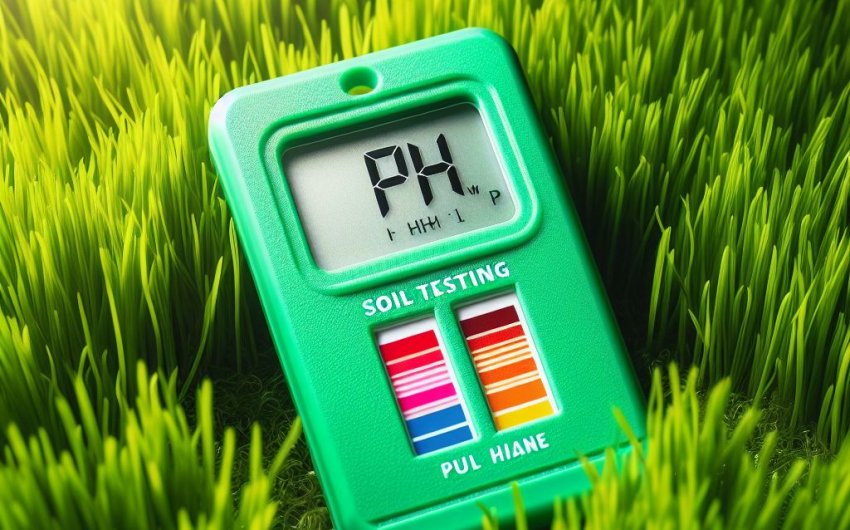
The importance of soil pH in lawn care cannot be overstated, as it dictates how effectively your grass can access essential nutrients from the soil. Achieving the right balance in your yard's pH levels ensures that fertilizers and organic matter can do their job, leading to a healthier, more vibrant lawn. Understanding and managing pH is a cornerstone of effective lawn maintenance.
Why is Soil pH So Crucial for a Healthy Lawn?
Soil pH is a fundamental yet often misunderstood aspect of lawn care, acting as the master key that unlocks your soil's full potential. It's a measure of your soil's acidity or alkalinity, and an imbalanced pH can severely hinder your lawn's ability to thrive, even with proper watering and fertilization. Understanding the importance of soil pH in lawn care is essential for balancing your yard's pH levels and achieving truly healthy grass.
What Happens if Your Soil pH is Too High or Too Low?
If your soil pH is too high or too low, it creates an environment where grass struggles, regardless of how much you water or fertilize. An imbalanced pH directly affects nutrient availability, essentially locking up essential food for your grass. Understanding these negative impacts highlights the importance of soil pH in lawn care for balancing your yard's pH levels.
Problems with Soil pH that is Too Acidic (Low pH - Below 6.0):
- Nutrient Lock-up: The biggest problem is that essential nutrients like nitrogen, phosphorus, and potassium (N-P-K), as well as calcium and magnesium, become less available to grass roots. Even if these nutrients are present in the soil or applied as fertilizer, the grass simply cannot absorb them efficiently.
- Aluminum Toxicity: In highly acidic soils, aluminum can become more soluble and toxic to grass roots, damaging them and inhibiting nutrient uptake.
- Poor Microbial Activity: Beneficial soil microorganisms, which are crucial for breaking down organic matter and cycling nutrients, thrive in a slightly acidic to neutral pH. Highly acidic conditions can suppress their activity.
- Increased Weed Pressure: Many common lawn weeds (e.g., moss, sorrel, plantain, fescue in areas where bluegrass prefers) actually tolerate acidic conditions better than desirable turfgrass, giving them a competitive advantage.
- Disease Susceptibility: Weakened grass due to nutrient deficiencies is more susceptible to various lawn diseases.
- Symptoms on Lawn: Stunted growth, yellowing or pale green grass (even after fertilizing), thinning turf, increased moss growth.
Problems with Soil pH that is Too Alkaline (High pH - Above 7.5):
- Nutrient Lock-up: Like acidic soil, alkaline conditions also make certain essential nutrients unavailable. Specifically, iron, manganese, zinc, and phosphorus can become "locked up" and inaccessible to grass roots. Iron deficiency is particularly common in alkaline soils.
- Chlorosis (Yellowing): A common symptom of iron deficiency in alkaline soils, where grass blades turn yellow while veins remain green (interveinal chlorosis).
- Poor Growth: Stunted growth and an overall unhealthy appearance due to a lack of vital micronutrients.
- Increased Disease Pressure: Certain turf diseases may thrive in alkaline conditions.
- Symptoms on Lawn: Persistent yellowing, particularly of new growth, thinning turf, poor response to fertilization.
How Does Optimal pH Unlock Nutrients for Your Grass?
Optimal soil pH is like the "sweet spot" where essential nutrients become most readily available for your grass to absorb, transforming the effectiveness of all your other lawn care efforts. When your yard's pH levels are balanced, fertilizers, organic matter, and natural soil elements work synergistically, directly leading to a healthier, more vibrant lawn. Understanding this nutrient availability is central to the importance of soil pH in lawn care.
How Optimal pH Unlocks Nutrients:
- The Goldilocks Zone: Most turfgrass species thrive in a slightly acidic to neutral pH range, typically between 6.0 and 7.0. Within this range, the chemical reactions in the soil allow the maximum solubility and accessibility of essential nutrients.
- Macro-Nutrient Availability:
- Nitrogen (N), Phosphorus (P), Potassium (K): These critical macronutrients are optimally available within the 6.0-7.0 pH range.
- Micro-Nutrient Availability:
- Iron (Fe), Manganese (Mn), Zinc (Zn), Copper (Cu): These vital micronutrients are also highly available in slightly acidic to neutral conditions. If the pH goes too high (alkaline), these can quickly become unavailable, leading to deficiencies like iron chlorosis.
- Enhanced Microbial Activity: The beneficial microorganisms in the soil (bacteria, fungi) that break down organic matter and convert nutrients into forms usable by plants, also prefer this optimal pH range. A healthy microbial population ensures efficient nutrient cycling.
- Improved Root Development: When nutrients are readily available, grass roots can grow stronger and deeper, leading to a more robust and resilient plant.
- Better Fertilizer Response: Fertilizers become much more efficient. Instead of sitting locked up in the soil, the applied nutrients are quickly absorbed, giving you a better return on your fertilizer investment.
Visualizing Nutrient Availability by pH:
Think of a bar graph where the width of the bar for each nutrient indicates its availability at a given pH. The bars are widest between pH 6.0 and 7.0, meaning most nutrients are most accessible to the plant in this range. As the pH moves further away from this ideal, the bars for certain nutrients become narrower, showing reduced availability.
How Do You Test Your Lawn's Soil pH Levels?
Testing your lawn's soil pH levels is the critical first step in accurately diagnosing any imbalances and making informed decisions about balancing your yard's pH levels. Without knowing your current pH, any attempts to amend the soil are just guesswork. Fortunately, performing a soil test is a straightforward process that provides invaluable data for lawn care.
What are the Best Methods for Accurate Soil pH Testing?
For accurate soil pH testing, choosing the right method is essential to get reliable results that can guide your efforts in balancing your yard's pH levels. While several options exist, some provide more comprehensive data than others, allowing for precise adjustments in your lawn care regimen. An accurate test is the foundation of effective pH management.
Here are the best methods for accurate soil pH testing:
Professional Soil Testing (Extension Office or Private Lab):
- How it Works: This is the most accurate and comprehensive method. You collect soil samples from various areas of your lawn (following specific instructions from the lab) and send them in for analysis. The lab uses scientific methods to determine pH, N-P-K levels, and often micronutrient levels.
- Pros:
- Highly Accurate: Provides the most precise pH reading and detailed nutrient analysis.
- Comprehensive Recommendations: The report often includes specific recommendations for amendments (e.g., how much lime or sulfur to apply) based on your soil type and desired results.
- Cost-Effective: Often surprisingly affordable for the wealth of information received.
- Cons: Takes longer to get results (typically 1-3 weeks).
- Best For: All homeowners, especially those serious about lawn care or facing persistent problems. Your local university extension office is an excellent resource for soil testing services.
Electronic pH Meters:
- How it Works: These are handheld devices with a probe that you insert directly into moist soil. They provide an instant digital readout of the pH level.
- Pros:
- Instant Results: Get a reading on the spot.
- Relatively Easy to Use: Simple to operate.
- Cons:
- Varying Accuracy: Quality varies significantly. Cheaper models can be unreliable. More expensive, professional-grade meters are more accurate but costly.
- Calibration Needed: Many require regular calibration to maintain accuracy.
- Limited Data: Only provides pH; no nutrient analysis.
- Best For: Quick checks, monitoring between lab tests, or for very experienced gardeners who know how to interpret pH without nutrient data. Look for a reliable digital soil pH meter.
Home Soil Test Kits (Chemical-Based):
- How it Works: These kits typically involve mixing a small soil sample with a chemical reagent in a test tube or capsule. The resulting color is then compared to a color chart to estimate pH. Many kits also test for N-P-K.
- Pros:
- Affordable and Readily Available: Can be purchased at most garden centers.
- Provides a General Idea: Gives a ballpark estimate of pH and nutrient levels.
- Cons:
- Less Accurate: Results are often less precise and can be subjective due to color interpretation.
- Limited Detail: Doesn't offer the detailed recommendations of a professional lab.
- Best For: Homeowners wanting a quick, general idea of their soil's condition without waiting for lab results. A home soil test kit can be a good starting point.
General Tips for Soil Sampling:
- Take Multiple Samples: Collect 10-15 random soil samples from across your lawn (excluding areas near buildings, trees, or compost piles).
- Depth: Dig down 4-6 inches for each sample.
- Mix Thoroughly: Mix all samples together in a clean plastic bucket to get a representative average.
- Remove Debris: Discard any grass, roots, or rocks from the samples.
- Air Dry: Air dry the mixed sample if required by the lab before packaging.
How Often Should You Test Your Lawn's pH?
Once you've initially determined your lawn's pH levels, knowing how often to retest is crucial for effective long-term balancing your yard's pH levels. Soil pH doesn't change rapidly, and frequent testing is usually unnecessary. Strategic retesting allows you to monitor progress and make informed adjustments to your lawn care plan, ensuring continued health.
General Guidelines for Soil pH Testing Frequency:
- Initial Test: Always conduct a thorough soil test (preferably a professional lab test) when you first move into a home, establish a new lawn, or begin a serious lawn care regimen. This gives you a baseline.
- Routine Retesting: For most healthy, established lawns, retesting every 3 to 5 years is sufficient.
- Soil pH changes slowly over time due to factors like rainfall, fertilizer use, and organic matter decomposition.
- A 3-5 year interval allows enough time for any amendments you apply (like lime or sulfur) to take effect and for natural processes to influence the pH.
- When to Test More Frequently (Every 1-2 Years):
- After Major Amendments: If you've applied a significant amount of lime or sulfur to adjust your pH, retest after 1-2 years to see how much the pH has changed and if further applications are needed.
- Persistent Lawn Problems: If your lawn continues to struggle despite proper watering, mowing, and fertilization, a soil test can help rule out or identify a pH imbalance as the underlying cause.
- Heavy Clay or Sandy Soils: These soil types can sometimes be more prone to pH fluctuations.
- New Construction: Disturbed soil around new construction can have unpredictable pH.
- Organic Programs: If you're heavily relying on organic matter (which tends to acidify soil slowly), more frequent checks can be beneficial.
- Best Time to Test:
- Fall is ideal: After the primary growing season and after your final fertilization (unless you suspect a pressing issue that needs immediate attention). This allows results to be received in time to plan for fall or spring amendments.
- Spring: Also acceptable, but apply amendments carefully if you're also applying pre-emergent herbicides or seeding.
How Do You Adjust Soil pH to the Ideal Range?
Adjusting soil pH to the ideal range is a crucial corrective step once you've identified an imbalance in your lawn. This process, while not instantaneous, is vital for ensuring your grass can access essential nutrients and thrive. Balancing your yard's pH levels requires patience and the correct amendments, ultimately leading to a healthier and more responsive lawn.
How to Raise Soil pH (Make it Less Acidic)
If your soil test reveals an overly acidic pH (below 6.0), you'll need to raise soil pH to make it less acidic and bring it closer to the optimal range for your lawn. This process is commonly known as "liming" and involves applying specific amendments that increase alkalinity. This is a critical step in balancing your yard's pH levels.
Amending Acidic Soil (Raising pH):
- Primary Amendment: Limestone:
- What it is: Finely ground rock that contains calcium carbonate (calcitic lime) or both calcium and magnesium carbonate (dolomitic lime).
- How it works: When watered into the soil, the carbonates react with acids, neutralizing them and increasing the pH. Dolomitic lime also adds beneficial magnesium.
- Which to choose: If your soil test shows a magnesium deficiency, use dolomitic lime. Otherwise, calcitic lime is usually fine.
- Formulations:
- Pulverized/Powdered Lime: Works fastest but is dusty and can be harder to spread evenly.
- Granular/Pelletized Lime: Most common for homeowners. Less dusty, easier to spread evenly with a broadcast spreader, and works quickly enough.
- Application Rate:
- Crucial: Always follow the specific recommendations from your soil test report. The amount of lime needed varies greatly depending on your current pH, desired pH, and soil type (e.g., clay soils need more lime than sandy soils to change pH).
- Over-application: Applying too much lime can push the pH too high, leading to problems with alkaline soil (nutrient lock-up, particularly iron).
- When to Apply:
- Fall is ideal: Allows time for the lime to work into the soil over winter and avoids interfering with spring pre-emergent herbicides or summer heat stress.
- Spring is acceptable: But if applying pre-emergent or overseeding, check specific product labels.
- Split Applications: If a large amount of lime is recommended, it's often better to split it into two applications, several months apart, to avoid shocking the soil and grass. For example, apply half in fall and half in spring.
- How to Apply:
- Mow First: Mow your lawn to its normal height.
- Dry Lawn: Apply granular lime to a dry lawn for even distribution.
- Use a Spreader: Use a calibrated lime spreader (broadcast or drop spreader) to ensure even coverage.
- Water In: Water the lawn lightly but thoroughly after application to help the lime dissolve and move into the soil.
- How Long to See Results: It can take several months to a year for lime to fully adjust soil pH. Retest your soil in 1-2 years to monitor progress.
How to Lower Soil pH (Make it Less Alkaline)
If your soil test indicates an overly alkaline pH (above 7.5), you'll need to lower soil pH to make it less alkaline and bring it closer to the optimal range for your lawn. This process is less common for lawns than liming but is vital for specific soil types. This is another key step in balancing your yard's pH levels.
Amending Alkaline Soil (Lowering pH):
- Primary Amendment: Elemental Sulfur:
- What it is: A natural mineral that, when oxidized by soil bacteria, produces sulfuric acid, which lowers the soil pH.
- How it works: It's a gradual process as bacteria need time to convert the sulfur.
- Formulations: Granular sulfur is typically used for lawns, applied with a spreader. You can find granular elemental sulfur at garden stores.
- Alternative Amendment: Aluminum Sulfate or Ferrous Sulfate:
- What it is: These compounds contain sulfate, which lowers pH more quickly than elemental sulfur. Aluminum sulfate also adds aluminum, and ferrous sulfate adds iron.
- How it works: They react with soil moisture to release acidity.
- Pros: Faster acting than elemental sulfur. Ferrous sulfate can also address iron chlorosis (yellowing) directly.
- Cons: Can be more expensive, higher risk of burning grass if over-applied, and too much aluminum can be toxic to plants. Use with extreme caution.
- Application Rate:
- Crucial: Always follow the specific recommendations from your soil test report. The amount of sulfur or other amendments needed depends on your current pH, desired pH, and soil type.
- Caution: It is easier to raise pH than to lower it, and over-application can severely damage your lawn. Start with smaller amounts.
- When to Apply:
- Any time except mid-summer: Avoid applying during the hottest months when grass is stressed. Fall or spring are generally good times.
- How to Apply:
- Mow First: Mow your lawn to its normal height.
- Dry Lawn: Apply granular sulfur to a dry lawn.
- Use a Spreader: Use a calibrated spreader to ensure even coverage.
- Water In: Water the lawn lightly but thoroughly after application to help the sulfur dissolve and begin working into the soil.
- How Long to See Results: Elemental sulfur can take 6 months to a year or more to significantly change soil pH. Retest your soil in 6-12 months to monitor progress and determine if further applications are needed.
- Long-Term Strategy: Incorporating organic matter (compost, peat moss) can also slowly help acidify alkaline soils over time and improve overall soil health.
What is the Role of Ongoing pH Management in Overall Lawn Health?
The role of ongoing pH management is fundamental to achieving and sustaining overall lawn health, making it a continuous and vital part of your lawn care regimen. Once you've successfully brought your yard's pH levels into balance, consistent monitoring and proactive maintenance ensure that your grass continues to thrive, fully utilizing all other inputs for a vibrant, resilient turf.
How Do Regular Maintenance Practices Help Maintain Optimal pH?
Regular maintenance practices are instrumental in helping to maintain optimal soil pH levels, serving as a natural complement to any amendments you apply. Beyond direct pH adjustments, these everyday lawn care tasks contribute to a stable soil environment where your grass can consistently access the nutrients it needs. Integrating these practices into your routine reinforces your efforts in balancing your yard's pH levels.
Here's how regular maintenance practices help maintain optimal pH:
- Leaving Grass Clippings (Mulch Mowing):
- How it helps: As grass clippings decompose, they release organic acids into the soil, which can slightly and gradually lower the pH over time. This is beneficial in areas where the natural tendency is toward alkaline soil. In acidic soils, the effect is minor and usually balanced by other factors.
- Benefit: Adds organic matter, which buffers the soil against rapid pH changes.
- Adding Organic Matter (Topdressing with Compost):
- How it helps: Compost tends to be slightly acidic or neutral (around pH 6.0-7.0) and has a high buffering capacity. This means it helps resist dramatic shifts in pH, keeping your soil more stable.
- Benefit: Improves soil structure, boosts microbial activity, and provides slow-release nutrients, all of which contribute to a balanced and healthy soil environment.
- Proper Fertilization:
- How it helps: Using the correct fertilizer, based on a soil test, helps prevent nutrient imbalances that can occur with improper pH.
- Note on Nitrogen: Some nitrogen fertilizers (e.g., ammonium sulfate) are acid-forming and can gradually lower pH over time. This can be beneficial in naturally alkaline soils, but should be considered if your soil is already acidic. Organic nitrogen sources have a gentler effect.
- Deep and Infrequent Watering:
- How it helps: Prevents surface compaction and encourages deep root growth. Runoff from shallow watering can leach nutrients and alter surface pH.
- Benefit: A healthy root system and well-draining soil contribute to overall soil stability.
- Aeration:
- How it helps: Improves soil structure and drainage, allowing for better movement of water and air.
- Benefit: A well-aerated soil is a healthier soil, which can better resist drastic pH fluctuations.
- Regular Soil Testing (Every 3-5 Years):
- How it helps: This is your check-up. It allows you to monitor your pH levels and identify any drifts away from the optimal range before they become significant problems.
- Benefit: Enables proactive, minor adjustments rather than reactive, large-scale amendments.
Understanding the importance of soil pH in lawn care is not just about making a single adjustment; it's about adopting a continuous commitment to balancing your yard's pH levels through informed practices. By regularly testing, making precise amendments when needed, and integrating pH-supportive maintenance into your routine, you unlock your lawn's full potential, ensuring a consistently vibrant, healthy, and resilient turf for years to come.